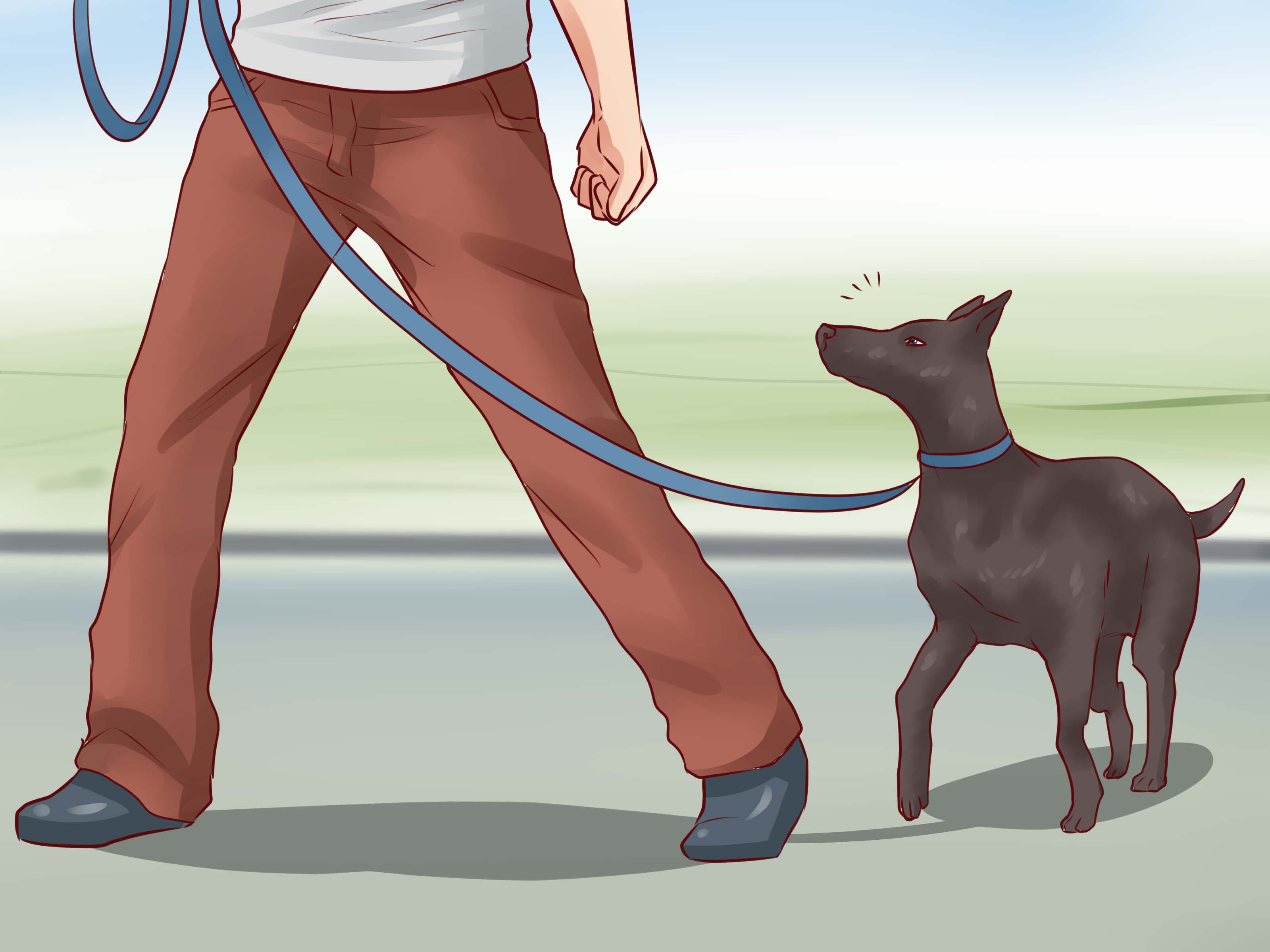

Teaching your dog basic commands is not about turning your living room into a miniature obedience academy. It is about creating a shared language that makes everyday life safer, calmer, and more enjoyable. A dog who understands cues such as “sit,” “stay,” and “come” is easier to guide around visitors, traffic, dropped food, open doors, and the mysterious squirrel who apparently owes your dog money.
The most effective approach is reward-based training. Instead of punishing mistakes, you clearly show your dog what you want and immediately reward the correct response. Treats are convenient, but praise, toys, petting, sniffing, and brief games can also be powerful rewards. The best reward is simply whatever your dog wants at that moment.
The following six methods cover essential commands while also teaching the timing, consistency, and patience needed for successful dog obedience training.
Before You Begin: Prepare for Successful Dog Training
A little preparation can prevent a training session from becoming five minutes of you saying “sit” while your dog investigates a dust particle.
Choose the Right Environment
Begin in a familiar, quiet room with minimal distractions. Turn off the television, put away squeaky toys, and ask family members to avoid walking through the training area. Once your dog responds reliably indoors, you can gradually practice in the yard, driveway, neighborhood, and other increasingly distracting locations.
Find a Reward Your Dog Values
Use small, soft treats that your dog can eat quickly. Pieces about the size of a pea are usually enough for most dogs. For challenging exercises, try a higher-value reward such as a tiny piece of cooked chicken or cheese, provided it is safe for your dog and fits their dietary needs.
Not every dog is strongly motivated by food. Some would happily trade a cookie for a tennis ball, a game of tug, or permission to sniff a particularly fascinating shrub. Experiment until you discover what makes your dog eager to participate.
Use a Marker
A marker tells your dog the exact moment they performed the correct behavior. You can use a clicker or a short word such as “yes.” The marker must always be followed by a reward when you are first teaching it.
To introduce the marker, say “yes” or click, then immediately give your dog a treat. Repeat this several times without asking for a command. Soon, the sound will predict a reward and become a precise communication tool.
Keep Sessions Short
Most beginner sessions should last approximately three to ten minutes. Two or three cheerful sessions spread throughout the day are often more productive than one long lesson. Stop while your dog is still interested rather than waiting until both of you are mentally drafting resignation letters.
1. Teach “Sit” by Capturing or Luring the Behavior
“Sit” is one of the easiest basic dog commands to teach because dogs naturally sit throughout the day. It is also useful before meals, at doors, during greetings, and whenever four enthusiastic paws need a brief meeting with the floor.
The Luring Method
- Stand or kneel in front of your dog with a treat near their nose.
- Move the treat slowly upward and slightly backward over the dog’s head.
- As the dog follows the treat with their nose, their rear will usually lower naturally.
- The instant the rear touches the floor, mark the behavior and give the treat.
- Repeat several times before adding the verbal cue.
Once your dog is consistently following the lure into position, say “sit” just before moving your hand. Over several sessions, make the hand movement smaller until your dog responds to the word or a simple hand signal.
The Capturing Method
You can also wait for your dog to sit naturally. The moment it happens, mark and reward. After several repetitions, begin saying “sit” as the dog starts lowering into position. Capturing is especially helpful for dogs who jump, back away, or become confused when food is moved over their heads.
Avoid pushing your dog’s rear down. Physical pressure may be uncomfortable, and it does not clearly teach the dog how to perform the behavior independently.
2. Teach “Down” in Small, Comfortable Steps
The “down” command asks your dog to place their chest and elbows on the ground. It can encourage calm behavior and is useful when you need your dog to remain settled for longer periods.
How to Lure a Dog into a Down
- Begin with your dog sitting or standing on a comfortable, nonslip surface.
- Hold a treat directly in front of the dog’s nose.
- Lower the treat slowly toward the floor.
- Move it slightly forward so the dog stretches out and lowers their elbows.
- Mark and reward as soon as the elbows touch the ground.
After the movement becomes predictable, introduce the cue “down” immediately before giving the hand signal. Gradually remove the food from the guiding hand, but continue rewarding from your other hand or pocket.
When Your Dog Refuses to Lie Down
Your dog may dislike lying on cold tile, slippery hardwood, wet grass, or another uncomfortable surface. Try a rug, mat, or folded blanket. Large dogs, senior dogs, and dogs with joint discomfort may need additional space or a veterinary evaluation if lying down appears painful.
If your dog only lowers their head or bends one elbow, reward that small improvement. Training through tiny successful steps, known as shaping, is often faster than waiting for a perfect response.
3. Build a Reliable “Stay” Using Duration, Distance, and Distractions
“Stay” means maintaining a position until released. It is not a contest to see whether your dog can remain frozen while you disappear into another ZIP code. Reliability comes from gradually increasing three separate challenges: duration, distance, and distractions.
Start with One Second
- Ask your dog to sit or lie down.
- Say “stay” once and show a consistent hand signal, such as an open palm.
- Pause for one second without moving away.
- Mark and reward while your dog is still in position.
- Use a release cue such as “free,” “okay,” or “all done.”
Slowly extend the pause from one second to two, then three, five, and beyond. Vary the duration so your dog does not assume that every stay will become increasingly difficult.
Add Distance Carefully
Once your dog can stay for several seconds, shift one foot sideways and immediately return to reward. Next, take a single step to the side. Early in training, moving sideways can be easier than backing away because backward movement may invite the dog to follow.
Increase distance in tiny increments. If your dog gets up, calmly reset the exercise and make the next repetition easier. Do not scold the dog for breaking position; the mistake simply tells you that the challenge advanced too quickly.
Introduce Distractions Last
Practice while you move your arms, place an object on the floor, open a door slightly, or have someone walk through the room. Add only one manageable distraction at a time. When distractions become harder, temporarily reduce the required duration and distance.
4. Make “Come” the Most Rewarding Command in the House
A dependable recall can protect a dog from traffic, wildlife, unsafe food, and other hazards. It should always predict something wonderful. Never repeatedly call your dog while they ignore you, and avoid using the recall cue only for unpleasant events such as ending play, leaving the park, or receiving a bath.
Begin at Close Range
- Stand a few feet from your dog in a quiet indoor space.
- Say the dog’s name, followed by “come,” in a bright, inviting voice.
- Move backward slightly or crouch to encourage the dog to approach.
- Mark the moment the dog reaches you.
- Reward generously with several small treats, praise, or play.
You can turn this into a family game. Two people stand several feet apart and take turns calling and rewarding the dog. This creates repeated successful recalls without making the exercise feel like homework.
Practice Outdoors Safely
Move outdoors only after your dog succeeds inside. Use a secure fenced area or a long training line attached to a well-fitted harness. A long line provides freedom to practice without risking escape.
Gradually introduce mild distractions and reward especially well when your dog turns away from something interesting. Do not test an unfinished recall near traffic, unfenced spaces, or other serious hazards. Even an excellent training session is not worth an unscheduled neighborhood tour.
5. Teach “Leave It” to Prevent Unsafe Choices
“Leave it” means disengaging from an item before taking it. This command can help when your dog notices dropped medication, spoiled food, trash, wildlife, or the one mysterious object on the sidewalk that every dog considers gourmet cuisine.
Begin with a Closed Hand
- Place a low-value treat in your closed fist.
- Let your dog sniff, lick, or investigate without saying anything.
- The moment your dog moves their nose away, mark the choice.
- Reward from your other hand with a better treat.
- Repeat until the dog quickly backs away from the closed fist.
Next, say “leave it” immediately before presenting your closed hand. Progress to showing the treat on an open palm. Be prepared to close your hand if the dog moves toward it.
Move the Exercise to the Floor
Place a treat on the floor and cover it with your hand or foot. Reward your dog for looking away or checking in with you. Eventually, practice with safe household objects and outdoor distractions while your dog remains on leash.
The reward should come from you, not from the item your dog was asked to leave. This helps the dog learn that ignoring the tempting object creates a better opportunity elsewhere.
6. Use “Place” to Teach Calm, Independent Behavior
“Place” sends your dog to a designated bed, mat, or platform. It is useful during meals, deliveries, family gatherings, cooking, and any moment when your dog believes personal supervision of every human activity is mandatory.
Create a Positive Association with the Mat
- Place a mat on the floor in a quiet room.
- Mark and reward any interest in it, including looking, sniffing, or stepping toward it.
- Reward again when your dog places one paw on the mat.
- Gradually wait for two paws, four paws, and eventually a sit or down.
- Deliver treats on the mat so the reward remains connected to the location.
When your dog begins moving to the mat predictably, say “place” just before they approach it. Add a release word so the dog understands when they may leave.
Build Relaxation, Not Just Position
Reward calm behaviors such as lying on one hip, resting the head, or remaining settled while you move nearby. Provide a safe chew or food-filled toy when appropriate. Slowly increase the amount of time your dog stays on the mat.
Never use the place area as punishment. It should remain a comfortable location associated with safety, rest, and rewards.
Common Mistakes When Teaching Basic Dog Commands
Repeating the Command
Saying “sit, sit, sit, SIT” teaches the dog that the first few words are optional background music. Give the cue once, pause, and help the dog succeed by reducing distractions or returning to an earlier training step.
Rewarding Too Late
Timing matters. If your dog sits, stands up, walks toward you, and then receives a treat, the reward may reinforce the approach rather than the sit. Mark the desired behavior immediately, ideally within a second.
Advancing Too Quickly
A dog who performs perfectly in the kitchen may appear to forget everything at the park. Dogs do not automatically generalize lessons across every environment. Practice in multiple rooms and locations, increasing distractions gradually.
Using Inconsistent Words
If one person says “down,” another says “lie down,” and someone else says “get off,” the dog may struggle to understand the assignment. Choose one cue for each behavior and ask everyone in the household to use it consistently.
Training When the Dog Is Overwhelmed
A frightened, exhausted, overly excited, or highly distracted dog may not be ready to learn. Watch for stress signals such as repeated lip licking, yawning, avoiding eye contact, freezing, or trying to leave. Pause the lesson and move to an easier environment.
Training Experiences: What Real Practice Teaches Dog Owners
Instruction guides make dog training appear beautifully orderly: present a treat, give a cue, reward the behavior, and enjoy your newly polished canine citizen. Real training is more likely to involve treats in your pocket, dog hair on your clothes, and a Labrador attempting to perform every command simultaneously.
One of the first practical lessons is that the dog decides what counts as a reward. An owner may arrive with expensive training biscuits only to discover that the dog would rather chase a fabric tug toy. Another dog may ignore ordinary kibble indoors but become willing to negotiate international treaties for a piece of chicken at the park. Successful trainers adjust the reward to the difficulty of the environment.
Experience also reveals how dramatically surroundings affect performance. A young dog may respond instantly to “come” in the hallway, hesitate in the backyard, and temporarily lose all knowledge of human language when a squirrel appears. That does not mean the dog is stubborn or deceptive. It means the behavior has not yet been practiced enough around that level of distraction.
A useful response is to lower the difficulty rather than raise your voice. Move farther from the distraction, shorten the distance of the recall, or offer a more valuable reward. When the dog succeeds repeatedly, increase the challenge by a small amount. Progress often looks less like a straight highway and more like a scenic road with several unnecessary turns.
Another common experience is the accidental hand signal. An owner bends forward every time they say “down,” and the dog learns the body movement rather than the word. When the owner later stands upright and gives the verbal command, the dog stares politely. Practicing with smaller gestures and neutral posture helps the verbal cue become meaningful.
Family consistency can be equally important. Imagine that one person rewards the dog for sitting before going outside, while another opens the door during enthusiastic jumping. The dog is not being naughty; jumping occasionally works. Behaviors that receive unpredictable rewards can become remarkably persistent. Agreeing on household rules prevents mixed messages.
Training progress also varies from dog to dog. A confident puppy may learn “sit” in minutes but struggle with “stay” because remaining still feels terribly inefficient. A cautious rescue dog may need several sessions simply to feel comfortable accepting food near a new person. A senior dog may learn readily but require softer flooring and shorter physical exercises.
The most valuable experience is learning to notice small victories. A one-second stay, a glance away from dropped food, or a single step toward you during recall practice may not look impressive to a visitor. In training terms, however, each is a building block. Rewarding those pieces gives the dog a clear path toward the finished behavior.
Owners also learn that training does not need to happen only during formal sessions. Ask for a sit before placing the food bowl down. Practice “wait” before opening the car door. Reward a voluntary check-in during a walk. Send the dog to their mat while you prepare dinner. These brief, real-life repetitions help commands become useful habits rather than tricks performed only when a treat pouch appears.
Finally, good training improves the human end of the leash. Owners become clearer, more observant, and more patient. They learn that mistakes provide information, not evidence of canine rebellion. When a dog does not respond, the practical questions are: Was the cue clear? Was the distraction too difficult? Was the reward valuable enough? Has this skill been practiced here before?
That mindset turns training into cooperation. Your dog is not an appliance waiting to be programmed. They are an individual learner with preferences, emotions, strengths, and occasional passionate opinions about delivery trucks. When lessons are safe, rewarding, and understandable, basic commands become part of a trusting relationship rather than a battle for control.
Conclusion
Teaching your dog basic commands requires clear cues, immediate rewards, short sessions, and realistic expectations. Start in a quiet environment, break each behavior into manageable steps, and increase difficulty only after your dog succeeds consistently.
The six commands covered heresit, down, stay, come, leave it, and placecan improve safety and make daily routines easier. More importantly, reward-based dog training creates a dependable communication system between you and your companion. Celebrate progress, keep lessons enjoyable, and remember that every well-trained dog began as a beginner who occasionally chose the squirrel over the syllabus.