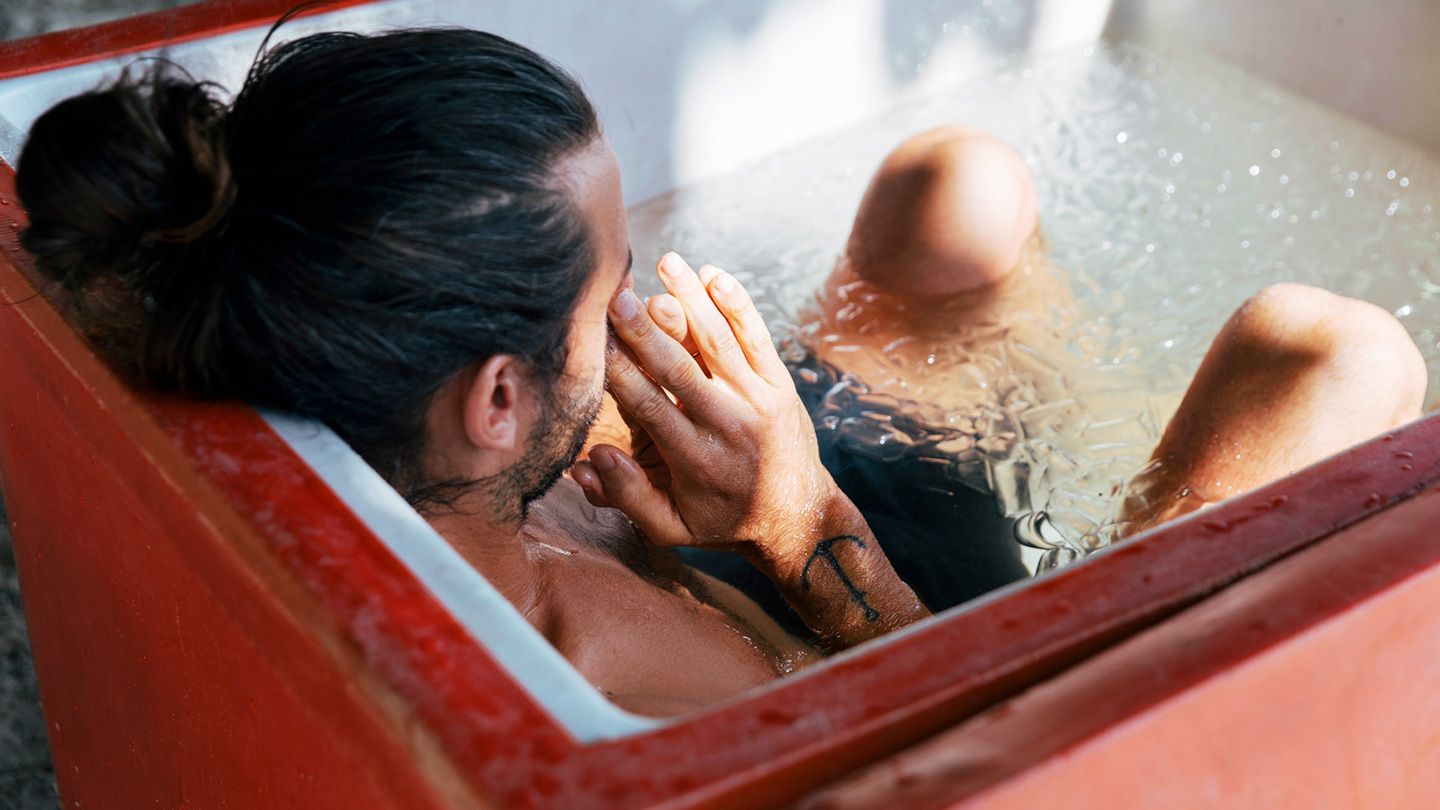

Cold water therapy has officially gone from “something your gym teacher threatened after practice” to a full-blown wellness trend. Scroll through social media and you will see athletes, entrepreneurs, wellness influencers, and very brave regular people stepping into tubs of icy water with the calm expression of someone who has either achieved enlightenment or lost feeling in their toes.
But beyond the dramatic gasps, the goosebumps, and the “why am I doing this?” face, cold water therapy may offer several real health benefits. The keyword here is possible. Research is promising in some areas, mixed in others, and still developing overall. Cold plunges, ice baths, cold showers, and cold-water swimming are not miracle cures. They are tools that may support recovery, mood, stress resilience, circulation, and overall well-being when practiced safely.
Cold water therapy usually means exposing the body to cold water for a short period of time. This may include a cold shower, an ice bath, a cold plunge tub, or outdoor cold-water swimming. Temperatures vary, but many cold plunge practices use water that feels sharply cold, often around 50 to 60 degrees Fahrenheit. For beginners, that is plenty cold. You do not need to recreate the North Atlantic in your bathtub to get started.
Important note: Cold water therapy is not safe for everyone. People with heart disease, high blood pressure, poor circulation, diabetes, fainting issues, cold sensitivity conditions, pregnancy concerns, or other medical conditions should speak with a healthcare professional before trying it. Cold water can rapidly increase breathing, heart rate, and blood pressure. This article is educational, not medical advice.
What Is Cold Water Therapy?
Cold water therapy is the practice of deliberately exposing the body to cold water for a short, controlled period. The goal is to trigger a physiological response: blood vessels constrict, breathing changes, the nervous system becomes alert, and the body works to protect its core temperature. That response can feel intense at first. In fact, the first few seconds of cold exposure are often the hardest part.
Common forms of cold water therapy include:
- Cold showers: The easiest and most accessible entry point.
- Ice baths: Often used by athletes after training or competition.
- Cold plunge tubs: Purpose-built tubs kept at a controlled cold temperature.
- Cold-water swimming: Swimming in lakes, rivers, oceans, or pools with cold water.
- Localized cold immersion: Soaking one body part, such as a foot, ankle, knee, or elbow.
The appeal is simple: cold water gives an immediate sensation of intensity and alertness. It feels like pressing the reset button on your body, except the reset button is made of ice and has absolutely no interest in your comfort zone.
5 Possible Health Benefits of Cold Water Therapy
1. Cold Water Therapy May Help Reduce Muscle Soreness
One of the most common reasons people use cold water therapy is exercise recovery. Athletes have used ice baths for years to help manage sore muscles after hard training, long runs, intense games, or endurance events. The theory is that cold water causes blood vessels to narrow, which may help reduce swelling and slow some inflammatory processes related to post-workout soreness.
After a tough workout, muscles can feel tender because of tiny stress-related changes in the tissue. This is often called delayed onset muscle soreness, or DOMS. Cold water immersion may help some people feel less sore and more ready to move again. That does not mean it magically repairs muscles overnight, but it may reduce the sensation of heaviness, stiffness, and “I regret every lunge I have ever done.”
For example, a runner who finishes a long summer training session may use a short cold plunge to bring down body temperature and ease leg soreness. A basketball player might use cold immersion after a tournament weekend. A recreational gym-goer may use a cold shower after a high-intensity workout simply because it helps them feel refreshed.
However, timing matters. Cold water therapy after endurance exercise may be useful for recovery, but regular ice baths immediately after strength training may not be ideal for everyone. Some research suggests that frequent cold immersion right after resistance training could interfere with the normal muscle-building signals the body uses to adapt. In plain English: if your goal is maximum muscle growth, do not automatically jump into an ice bath after every heavy lifting session. Your biceps may file a complaint.
2. It May Support Mood, Alertness, and Mental Resilience
Cold water gets your attention fast. You can be half-asleep, grumpy, and mentally buffering like an old laptop, and one cold shower later your brain is suddenly online. That jolt is one reason many people report feeling more alert and energized after cold exposure.
Cold water activates the sympathetic nervous system, the part of the body involved in the “fight or flight” response. This can increase breathing, heart rate, and the release of certain stress-related chemicals. For some people, brief controlled cold exposure may create a feeling of mental clarity, improved focus, and emotional lift afterward.
There is also growing interest in cold water therapy for stress resilience. The idea is not that cold water removes stress from life. Unfortunately, your inbox will still exist after the plunge. Instead, cold exposure may act as a controlled stressor. You voluntarily enter discomfort, regulate your breathing, stay calm, and exit safely. Over time, that practice may help some people feel more capable of handling other uncomfortable situations.
Some studies have reported improvements in mood after cold-water immersion, including reductions in negative emotions and increases in feelings such as vigor and self-esteem. Still, the science is not settled. Mood benefits can be influenced by many factors: the cold itself, exercise, social connection, expectation, breathing control, and the satisfying knowledge that you did something difficult before breakfast.
For people dealing with anxiety, depression, or serious stress, cold water therapy should not replace professional care. It may be a supportive wellness habit for some, but it is not a substitute for therapy, medication, medical treatment, or crisis support when needed.
3. It May Help Manage Inflammation and Certain Types of Pain
Cold has long been used to help manage swelling and discomfort. Most people have used an ice pack on a sprained ankle, sore knee, or irritated muscle. Cold water therapy applies a similar concept on a larger scale. By narrowing blood vessels and reducing local blood flow for a short time, cold exposure may help decrease swelling and dull certain pain signals.
This is one reason ice baths and cold plunges are popular in sports recovery. If your legs feel swollen and heavy after a long hike, a short cold-water soak may provide temporary relief. If your shoulders feel cooked after a big swim session, cold immersion may help you feel less inflamed. For some people, the effect is immediate: they step out feeling lighter, looser, and slightly heroic.
That said, inflammation is not always the villain. It is part of the body’s healing process. After exercise, some inflammation helps signal adaptation. After injury, inflammation helps organize repair. The goal is not to eliminate inflammation completely, because your body is not a spreadsheet where every red cell needs deleting.
Cold water therapy may be most helpful for temporary soreness, swelling, and recovery discomfort. It should not be used to hide serious pain. Sharp pain, persistent joint pain, suspected fractures, tendon injuries, chest pain, numbness, or pain that worsens should be evaluated by a healthcare professional. Cold water can make something feel better briefly, but it cannot diagnose what is going on underneath.
4. It May Stimulate Circulation and Metabolic Responses
When your body meets cold water, it reacts quickly. Blood vessels near the skin constrict to help preserve core temperature. When you warm back up, circulation changes again. This repeated narrowing and widening of blood vessels is one reason cold water therapy is often discussed in relation to circulation.
Some people describe a warm, tingling sensation after they get out of cold water and rewarm. That feeling comes from blood flow returning to the skin and extremities. It can feel invigorating, like your body just turned the lights back on.
Cold exposure also activates thermogenesis, which is the body’s process of producing heat. Shivering is one obvious form. Another area of interest is brown fat, a type of fat tissue that helps generate heat by using energy. Cold temperatures can activate brown fat, which has led researchers to study whether cold exposure may influence metabolism, insulin sensitivity, and body composition.
Before anyone starts calling cold plunges “fat-burning bathtubs,” let’s be realistic. Cold water therapy is not a replacement for nutrition, movement, sleep, or healthy daily habits. A two-minute cold shower will not cancel out a week of doughnuts, though it may make you alert enough to reconsider the third one. The metabolic effects of cold exposure are interesting, but they should be viewed as a possible bonus rather than the main reason to start.
The safest takeaway is this: cold water may stimulate the body in ways that affect circulation and energy use, but the long-term health impact varies from person to person. More high-quality research is needed before anyone can make strong claims about metabolism, weight loss, or cardiovascular protection.
5. It May Improve Sleep Quality and Overall Well-Being for Some People
Many cold water fans say they sleep better when they practice cold exposure regularly. The evidence is still mixed, but there are plausible reasons some people might notice better rest. Cold water therapy can create a strong contrast between stress and relaxation. During the plunge, the body is highly alert. Afterward, as the body warms and the nervous system settles, some people feel calm, grounded, and ready to recover.
Cold exposure may also help people build a consistent routine. A person who ends a morning shower with 30 seconds of cold water may feel more awake and focused during the day. Someone who uses a controlled cold plunge after a workout may pair it with stretching, hydration, and an earlier bedtime. In that case, the benefit may come from the whole recovery ritual, not just the cold water itself.
Some research summaries have found possible improvements in quality of life scores among people using cold showers compared with regular showers. Other findings are less consistent, especially when looking at mood, immunity, and sleep across different groups. That means cold water therapy may help some people feel better overall, but it is not guaranteed.
Think of cold water therapy like spicy food for the nervous system. Some people love it, some tolerate it, and some immediately decide they were perfectly happy before. The best practice is the one your body can handle safely and consistently.
How to Try Cold Water Therapy Safely
If you are healthy and curious about cold water therapy, the smartest approach is gradual. You do not need to start with a freezing tub full of ice cubes while dramatic movie music plays in the background. Begin small and give your body time to adapt.
Start With Cold Showers
A cold shower is the easiest way to experiment. Finish your normal warm shower with 15 to 30 seconds of cool water. Over time, you can make the water colder or extend the duration slightly. Focus on slow breathing and staying relaxed. If you panic, gasp uncontrollably, feel dizzy, or experience chest discomfort, stop immediately.
Keep Immersion Short
For cold plunges or ice baths, short exposure is usually best, especially for beginners. Many experts recommend starting with one to two minutes and avoiding long sessions. More cold is not always better. At a certain point, you are not “optimizing wellness”; you are just becoming soup ingredients in a very unpleasant recipe.
Avoid Going Alone
Never do open-water cold swimming alone. Cold shock can affect breathing and coordination quickly. Even strong swimmers can get into trouble in cold water. If you are trying outdoor cold-water swimming, go with experienced people, choose a safe location, and know how to exit the water quickly.
Warm Up Gradually
After cold exposure, dry off, change into warm clothes, and let your body rewarm gradually. Avoid immediately jumping into extreme heat if you feel lightheaded. A warm drink, dry layers, and calm movement can help.
Know When to Skip It
Cold water therapy is not a toughness contest. Skip it if you are sick, exhausted, intoxicated, overheated to the point of medical concern, alone in unsafe water, or dealing with symptoms such as chest pain, faintness, severe shortness of breath, confusion, or numbness. If your body says “no,” listen. Your nervous system is not being dramatic; it is doing customer service for your organs.
Who Should Be Careful With Cold Water Therapy?
Cold water therapy can be risky for people with certain health conditions. Because cold exposure can raise blood pressure, increase heart workload, trigger hyperventilation, and reduce coordination, it deserves respect. People with heart disease, arrhythmias, high blood pressure, poor circulation, diabetes, Raynaud’s disease, cold urticaria, seizure disorders, pregnancy concerns, or a history of fainting should talk with a healthcare professional first.
Children, older adults, and people new to cold exposure should be especially cautious. Cold water removes heat from the body much faster than cold air. That means hypothermia can develop faster than expected, particularly in very cold water or during prolonged exposure.
The safest mindset is simple: cold water therapy should leave you feeling refreshed, not frightened, numb, disoriented, or unable to function. A little discomfort is normal. Danger signals are not part of the wellness package.
Real-Life Experiences With Cold Water Therapy
Experiences with cold water therapy vary widely, which is part of what makes the topic so interesting. One person may finish a cold shower and feel like they could answer emails, run a mile, and reorganize the garage. Another person may finish the same shower and decide warm water is one of civilization’s greatest achievements. Both reactions are valid.
Many beginners describe the first attempt as a battle between intention and instinct. The mind says, “This is good for me.” The body replies, “Wonderful, but have we considered leaving?” The first 10 seconds are often the loudest. Breathing gets quick, shoulders rise, and every muscle tries to negotiate an exit strategy. But when people slow their breathing and stay within a safe limit, the panic often fades into focus.
A common beginner experience is using cold showers rather than ice baths. Someone might start by turning the water cool for 20 seconds at the end of a normal shower. At first, it feels shocking. After a week, it becomes manageable. After a month, it may become a ritual. Not necessarily enjoyable in the way chocolate cake is enjoyable, but satisfying in the way finishing a hard task is satisfying.
People who use cold water therapy after exercise often report a different kind of benefit. After a long run, heavy cycling session, or intense sports practice, cold water can feel like a reset for hot, tired muscles. The sensation may be uncomfortable at first, but the post-plunge feeling can be clean, light, and calm. Some athletes say it helps them feel ready for the next day, especially during periods of frequent training.
Office workers and students sometimes use cold showers for mental energy rather than physical recovery. Instead of reaching for a second coffee, they use 30 to 60 seconds of cold water to wake up. The benefit may come from the sudden alertness, the controlled breathing, and the small psychological win of doing something difficult early in the day. It is hard to feel completely defeated by a Monday after you have voluntarily faced cold water before breakfast.
Another experience people mention is improved confidence. Cold water therapy is immediate feedback. You either step in or you do not. You either breathe through it or you quit early. There is no complicated equipment, no perfect outfit, and no need to look graceful. In fact, most people look like surprised penguins. But finishing a safe, short session can create a sense of accomplishment that carries into the rest of the day.
Some people also enjoy the community around cold-water swimming or group plunges. The shared challenge can create connection, laughter, and accountability. Outdoor cold-water groups often emphasize safety, gradual adaptation, and respect for conditions. For many participants, the social element may be just as important as the cold itself.
Of course, not every experience is positive. Some people feel dizzy, anxious, overly chilled, or simply miserable. Others find that cold exposure disrupts their routine or feels too intense. That does not mean they failed. It means their body prefers a different wellness tool. Walking, stretching, strength training, meditation, sleep, and warm baths are still undefeated classics.
The best personal experience with cold water therapy usually comes from moderation. Start gently. Keep sessions short. Pay attention to your body. Do not chase extreme temperatures for bragging rights. A cold shower that helps you feel focused is more useful than an ice bath that leaves you shaky, unsafe, and questioning your life choices.
Conclusion: Is Cold Water Therapy Worth Trying?
Cold water therapy may offer several possible health benefits, including reduced muscle soreness, better post-exercise recovery, improved mood, sharper alertness, temporary pain relief, circulation changes, metabolic stimulation, and a stronger sense of well-being. The strongest everyday evidence appears to be around recovery and subjective benefits such as feeling refreshed, focused, or resilient.
Still, cold water therapy should be approached with common sense. The research is promising but not final. Benefits depend on the person, the method, the temperature, the duration, and the reason for using it. Cold plunges are not magic, and they are definitely not risk-free.
If you are healthy, curious, and cautious, starting with brief cold showers may be a reasonable way to explore the practice. Keep it short, breathe calmly, avoid unsafe situations, and talk to a healthcare professional if you have any medical concerns. Cold water therapy works best when it is used as a supportive habit alongside exercise, sleep, nutrition, hydration, and stress management.
In other words, cold water therapy might help you feel better, recover smarter, and build a little mental grit. Just remember: the goal is wellness, not becoming a human popsicle with a fitness tracker.