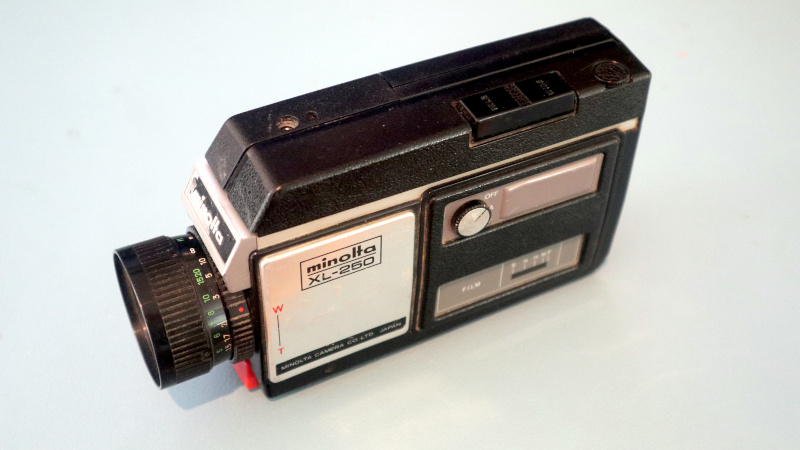

At some point, every family’s history becomes a scavenger hunt: a cardboard box in a closet, a shoebox of
unlabeled cassettes, a mysterious reel that looks like it belongs in a museum, and a camcorder you can’t
power on because the battery has entered its retirement era. “Obsolete” is a harsh wordthese formats
didn’t vanish because they were bad. They vanished because the world sprinted toward convenience.
And yet… people are sprinting back. Not because they forgot how easy a smartphone is, but because
easy sometimes feels like “forgettable.” Returning to an obsolete home movie formatSuper 8, VHS,
Video8/Hi8, MiniDV, even DVDscan be part nostalgia, part craft, and part quiet rebellion against the
endless scroll. It’s slower. It’s messier. It’s also weirdly magical.
What “Obsolete Home Movie Format” Actually Means
“Home movie format” is a big umbrella. Under it live two main species:
film formats (like Regular 8 and Super 8) and magnetic tape formats
(like VHS, Video8/Hi8, and MiniDV). Each one is “obsolete” in the sense that new consumer devices
aren’t built around them anymore, and compatible playback gear is becoming scarce.
Obsolete doesn’t mean unusableit means the ecosystem has changed. You’re no longer buying a camera
at a big-box store and grabbing tapes at the checkout lane. You’re hunting, maintaining, learning, and
(often) digitizing so your footage can survive beyond the next time someone cleans out the garage.
Why People Are Coming Back (When 4K Is Right There)
1) Limits create style
Older formats are naturally restrictive. A Super 8 cartridge is finite. A VHS camcorder isn’t exactly a
stealth device. MiniDV makes you shoot like it’s 2005because it is. Those limits can force better
choices: fewer clips, more intention, and less “I’ll fix it later” energy.
2) Physical media feels like ownership
A tape on a shelf is stubbornly real. It doesn’t disappear because an app updated, a platform lost the
rights, or a cloud password got forgotten. People who grew up in the streaming era are discovering that
“owning” a file and “finding it again in five years” are not the same hobby.
3) The look isn’t a filterit’s baked in
Super 8 isn’t “grainy” by accident; it’s the physics of film stock and tiny frames. VHS has its own
soft edges, occasional tracking drama, and warm, analog imperfections. MiniDV has that early-digital
crispness that screams “birthday party in 2003” in the best way.
4) The process is the point
There’s a ritual to loading film, labeling tapes, rewinding, capturing footage in real time, and waiting
for development or transfers. It’s the opposite of disposable content. If a format makes you work a
little, you tend to care a lot.
Choose Your Format: Film vs. Tape vs. “Retro-Inspired Digital”
Super 8 (and Regular 8): The cinematic time capsule
Super 8 was designed to make home moviemaking simplercartridge loading, small cameras, easy shooting.
Today, it’s beloved for its unmistakably “movie” feel: motion, grain, and color that can be dreamy,
gritty, or both depending on the stock and lighting.
The tradeoff: film costs money, development takes time, and you’ll likely want scanning to share it.
But for family milestones, travel diaries, or art projects, Super 8 can turn “what happened” into
“how it felt.”
VHS: The cozy, chaotic storyteller
VHS is the format that made home video feel normal. It’s also the format that makes your footage look
like it was filmed by a friendly ghost who loves warm tones and mild blur. That’s not a bugit’s the
vibe.
The tradeoff: VCRs are aging, tapes can degrade, and capturing clean video often requires patience and
decent playback equipment. But if your goal is to recreate that “Saturday night camcorder” feeling,
VHS is basically a shortcut to nostalgia.
Video8/Hi8: The underrated middle child (in a good way)
Video8 and Hi8 were compact camcorder staples, and Hi8 in particular can look surprisingly good for
analog tape. These formats are common in family archives because they were the go-to for vacations,
school events, and “why is Dad filming the driveway?” moments.
The tradeoff: the best way to play them is often the original camcorder or a working deckboth are
getting rarer. If your family has a box of 8mm tapes, preserving them is less of a “someday” project
and more of a “before the last machine dies” project.
MiniDV: The early-digital time machine
MiniDV sits in a fascinating spot: footage is digital, but the storage is tape. That means you can get
sharp, clean videoassuming you can still connect the camcorder/deck to a computer using the right
hardware and workflow. The capture is typically real-time, which sounds annoying until you realize it
forces you to actually watch your old footage (and laugh at your haircut choices).
Retro-inspired digital: The “I want the feeling, not the maintenance” option
Not everyone wants to learn the ancient art of “Why won’t this VCR track properly?” Modern gadgets that
mimic old shooting experiences (simple controls, no screen, deliberate framing) can scratch the itch
without requiring you to join a vintage electronics rescue squad.
The Reality Check: Obsolescence Is an Equipment Problem
If you return to an obsolete home movie format, you’re signing up for one unavoidable truth:
the format is only as alive as the machines that can record and play it. Archives and
preservation groups have been warning about this for yearsmagnetic tape isn’t a forever medium, and
maintaining old playback equipment is part of keeping the content accessible.
That doesn’t mean you should panic. It means you should plan. If you’re shooting new footage on an old
format, decide how you’ll store it and how you’ll migrate it. If you’re rescuing old footage, treat it
like a “save now, organize later” priority: once you capture it, you can back it up, share it, and
edit it without risking the original every time you hit play.
How to Start (Without Turning Your Living Room Into a Repair Shop)
Step 1: Decide your goal
Ask yourself: are you doing this to create new footage with an old look, or to
preserve family footage that already exists? The gear you need changes a lot depending
on the mission.
Step 2: Build a “minimum viable setup”
For Super 8: you need a working camera, compatible film stock, and a plan for
development/scanning. For VHS: you need a reliable VCR or camcorder, good cables, and
a capture method to digitize. For MiniDV: you usually need a camcorder or deck and a
way to transfer DV data to a computer.
The trick is not to buy everything. Start small. Test. Upgrade only when your results tell you what’s
missing.
Step 3: Test your gear like you’re adopting a senior pet
Old cameras and decks can be wonderful, but they’re not new. If possible, test with a non-precious tape
first. Listen for weird sounds. Watch for chewing, snagging, or excessive dropouts. If something seems
off, don’t “power through.” Obsolete formats punish optimism.
Preservation Basics: Keep the Originals Happy
Film: Cool, dry, and breathable
Film is tough in some ways (no magnets needed), but it has its own enemies: heat, humidity, and chemical
decay. Proper containers and sensible storage conditions matter. If you’re storing reels, inert
containers and avoiding rusty metal storage are common best practices. If you ever open a box and smell
something like vinegar, that’s a big hint the film needs attention sooner rather than later.
Magnetic tape: Humidity is the drama queen
Tape longevity is heavily affected by storage conditions, especially humidity. Too much moisture can
accelerate binder problems and encourage mold. The safest approach is stable, moderate conditionsthink
“comfortable archive,” not “hot attic.”
Label like a future human will thank you
Use simple labels: date range, who’s in it, and what it is (“Thanksgiving 2007 – Grandma’s house” beats
“TAPE 14 FINAL”). If you digitize, mirror that naming in your file system. Your future self will feel
like you hired a very organized assistant.
The Best Modern Workflow: Analog Capture, Digital Backup
Here’s the sweet spot for most people: enjoy the obsolete format, but don’t rely on it as your
only copy. Capture or scan the footage into a high-quality digital file, then store it in
multiple places (an external drive plus a second backup, for example). This is how you keep the charm
without gambling everything on one aging cassette.
It also unlocks the fun part: editing. You can keep the original “look” while trimming the dead air,
stabilizing shaky shots, or assembling a highlight reel that doesn’t include the part where someone
filmed their own shoes for six minutes.
Is It Worth It? YesIf You Want What It Gives
Returning to an obsolete home movie format is not the most efficient way to record video. That’s kind
of the point. It’s a way to slow down, make fewer but better clips, and create artifacts that feel
tangible and intentional.
If you’re preserving old footage, it’s also an act of rescue. A home movie is rarely “just a home movie.”
It’s voices, faces, neighborhoods, and moments that don’t exist anymore. Saving them is a gift you give
forwardsometimes to people who aren’t even born yet.
Experiences: What It’s Like to Live With an Obsolete Home Movie Format (About )
Imagine you decidejust for a weekto shoot like it’s not 2025. You pick one obsolete format and commit.
No endless retakes. No instant playback. No “let me check the lighting” after every clip. The first day
feels hilarious, like you’re cosplaying as a documentarian from the past. The second day feels…
unexpectedly calming.
If you choose Super 8, the experience starts the moment you load the cartridge. There’s
a gentle pressure in your brain that whispers, “You can’t waste this.” You begin filming the way people
take photos on vacation with a limited memory cardexcept the limit is emotional, not technical. You
wait for moments that matter: the candle-lit cake, the quick hug, the look someone makes when they’re
trying not to laugh. You don’t film everything. You film the highlights. And because you can’t review
the footage instantly, you stay present. You watch the moment, not the screen.
A few days laterafter development and scanningyou finally see what you made. The reveal is half
excitement, half suspense. Some shots are perfect in a way that feels like luck. Some are too dark.
Some are shaky. But even the “mistakes” look honest. The footage feels less like “content” and more like
a memory you can hold.
If you choose VHS, the vibe is totally different. You become the person holding a
camcorder at the edge of the room, capturing life without interrupting it. The camera is bigger, so
people notice itand somehow that makes them act more real. Someone waves. Someone makes a joke. Someone
suddenly remembers a story and tells it to the camera like it’s a time capsule. Later, when you play it
back, the softness of VHS doesn’t feel “low quality.” It feels forgiving. It smooths out the harshness
of modern sharpness and turns ordinary rooms into cozy scenes.
The experience also teaches patience. Rewinding isn’t instant. Capturing footage to a computer happens
in real time. You sit there, watching your own week unfold, and you notice details you would have
skipped in a quick phone review: the background laughter, the way the light changes at 5 p.m., the fact
that your dog has a personality bigger than your entire living room.
If you choose MiniDV, you get a weird blend of “old school” and “surprisingly clean.”
The camera menu feels like an ancient video game interface. The tape clicks into place with a satisfying
mechanical certainty. When you capture the footage, you realize it’s not the format that’s nostalgicit’s
the rhythm. You shoot longer clips. You let scenes breathe. You don’t edit in your head every two
seconds.
By the end of the week, something changes. You stop thinking of video as a disposable stream and start
thinking of it as a record. Returning to an obsolete home movie format doesn’t just change the look of
your footageit changes your behavior. You film less. You notice more. And you end up with something
that feels like it belongs to your life, not just your camera roll.
Conclusion
“Obsolete” formats aren’t deadthey’re just no longer convenient. If you’re willing to trade convenience
for character, you get a creative tool with built-in style and an emotional time machine with a rewind
button. Whether you’re preserving family tapes, rediscovering film, or intentionally choosing limitations
to create more meaningful footage, the return can be deeply worth it.