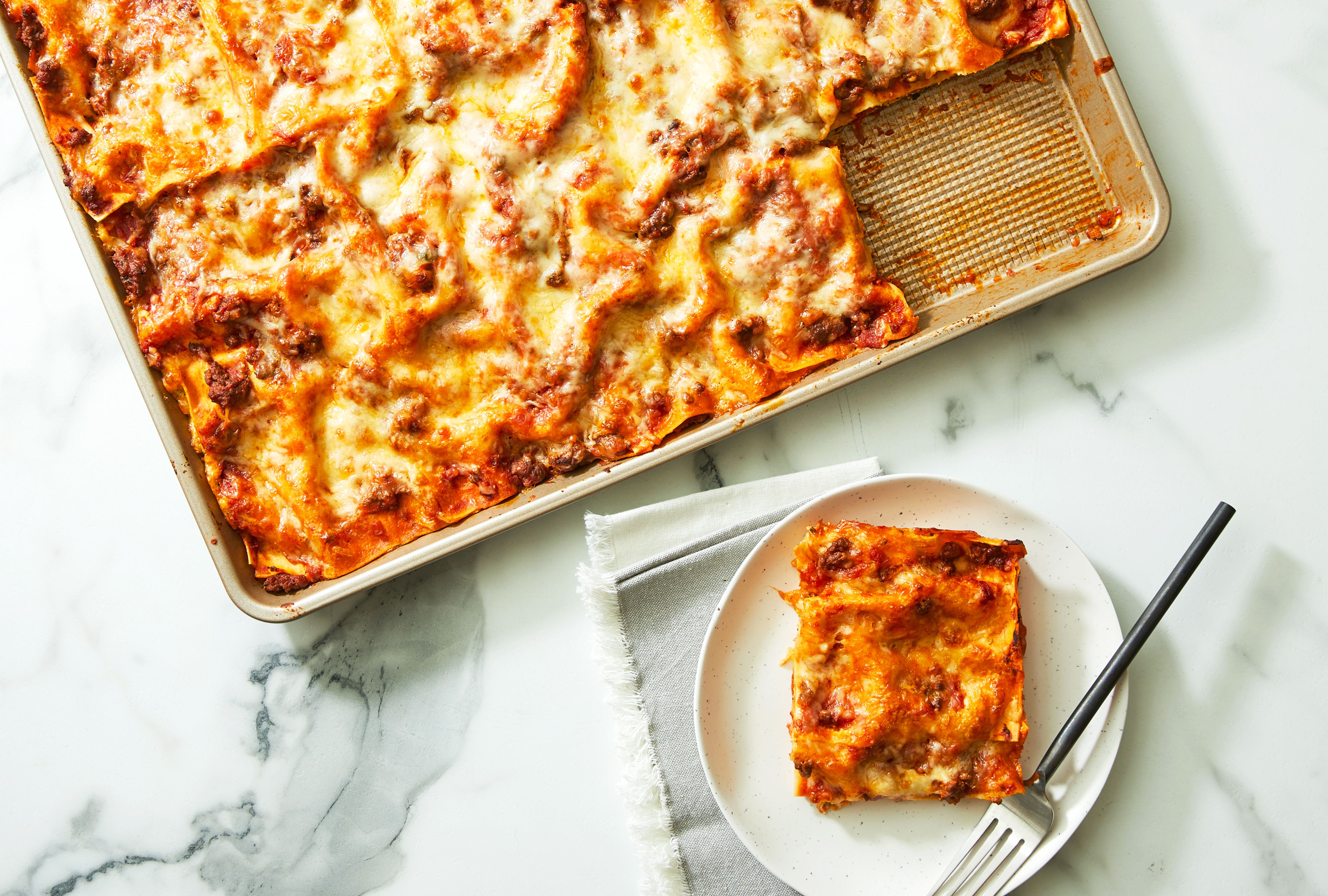

Lasagna is the edible equivalent of a cozy blanket, a family group chat, and a standing ovation from your oven. It is layered, dramatic, cheesy, and somehow always better the next day. But while classic meat-and-marinara lasagna deserves its crown, there is a whole world of creative lasagna recipes waiting beyond the usual red sauce routine.
This guide explores 7 creative lasagna recipes with layers of flavor, from white spinach-artichoke lasagna to smoky barbecue chicken lasagna, roasted vegetable versions, seafood-inspired bakes, and even breakfast lasagna. Each idea keeps the soul of lasagna intact: pasta, sauce, filling, cheese, and that glorious baked top that makes people hover near the kitchen like hungry satellites.
Whether you are cooking for Sunday dinner, meal prep, holidays, or a weeknight when “just a salad” sounds like a personal insult, these lasagna ideas bring comfort with a twist. Grab your 9-by-13-inch pan. Things are about to get deliciously layered.
Why Creative Lasagna Recipes Work So Well
Lasagna is one of the most flexible baked pasta dishes because it is built like a delicious construction project. Once you understand the basic structure, you can change the flavor profile without causing dinner chaos.
The Basic Lasagna Formula
Most great lasagnas include five parts: noodles, sauce, cheese, filling, and seasoning. Traditional versions often use tomato sauce, ricotta, mozzarella, Parmesan, and ground meat. Creative lasagna recipes simply swap one or more of those parts. For example, marinara can become béchamel, pesto, pumpkin sauce, salsa verde, or a creamy Alfredo-style base. Ground beef can become roasted vegetables, mushrooms, chicken, seafood, lentils, or sausage. The cheese layer can lean classic, smoky, tangy, or herb-packed.
The key is balance. Rich ingredients need brightness. Watery vegetables need draining or roasting. Bold sauces need enough noodles and cheese to hold everything together. And every lasagna, no matter how tempting, needs to rest before slicing. Otherwise, you get lasagna soup. Tasty soup, yes, but not exactly the architectural masterpiece you promised.
1. White Spinach-Artichoke Lasagna
If spinach-artichoke dip had a serious adult job and a mortgage, it would be this lasagna. Creamy, savory, and packed with vegetables, this recipe is perfect for anyone who wants a meatless lasagna that still feels rich and satisfying.
Flavor Profile
This white lasagna uses a creamy béchamel or garlic-Parmesan sauce instead of tomato sauce. Spinach adds freshness, artichokes bring a lightly tangy flavor, and mozzarella melts everything into one bubbly masterpiece.
What You Need
Use lasagna noodles, cooked spinach, chopped artichoke hearts, ricotta, mozzarella, Parmesan, garlic, onion, milk, butter, flour, black pepper, and a little lemon zest. The lemon zest is optional, but it wakes up the creamy sauce like a tiny culinary alarm clock.
Best Tips
Drain the spinach extremely well. Press it with paper towels or a clean kitchen towel until it stops acting like a sponge with secrets. Too much water can make the lasagna loose. Spread a thin layer of white sauce on the bottom of the baking dish before adding noodles so the pasta cooks evenly and does not stick.
2. Butternut Squash and Sage Lasagna
This is autumn in lasagna form, but honestly, it deserves year-round employment. Butternut squash becomes sweet and velvety when roasted, while sage adds an earthy aroma that makes your kitchen smell like you know exactly what you are doing.
Flavor Profile
Roasted squash pairs beautifully with ricotta, Parmesan, mozzarella, and a creamy sauce. Add mushrooms or caramelized onions if you want more depth. The result is slightly sweet, savory, nutty, and luxurious without needing meat.
How to Build It
Roast cubed butternut squash with olive oil, salt, pepper, and chopped sage until tender. Mash part of it into a creamy filling and leave some pieces whole for texture. Layer noodles with squash, ricotta, sautéed mushrooms, béchamel, and cheese. Finish with Parmesan and a few crispy sage leaves.
Best Tips
Roasting the squash is better than boiling it because it concentrates the flavor and removes excess moisture. If the filling tastes too sweet, add a pinch of red pepper flakes or extra Parmesan to sharpen the flavor.
3. Pesto Chicken Lasagna
Pesto chicken lasagna is bright, herby, and slightly fancy without requiring you to speak fluent restaurant menu. It is also a smart way to use leftover cooked chicken or rotisserie-style chicken.
Flavor Profile
Basil pesto brings garlic, herbs, olive oil, and nutty richness. Chicken adds protein, while ricotta and mozzarella create the creamy pull everyone secretly hopes for when the first slice comes out of the pan.
What You Need
Use lasagna noodles, cooked shredded chicken, basil pesto, ricotta, mozzarella, Parmesan, spinach, and a light cream sauce or a thin layer of Alfredo-style sauce. A handful of chopped sun-dried tomatoes can add sweetness and color.
Best Tips
Pesto is powerful, so do not drown the lasagna in it. Mix pesto with ricotta or a little cream sauce to spread the flavor evenly. Add spinach for freshness and to keep the dish from becoming too heavy. If using no-boil noodles, make sure there is enough sauce so the pasta softens properly.
4. Mushroom Bolognese Lasagna
For a meatless lasagna that still tastes hearty, mushrooms are your best friend. They bring savory depth, a satisfying texture, and the kind of umami flavor that makes people ask, “Are you sure there is no meat in this?”
Flavor Profile
This lasagna uses finely chopped mushrooms in a tomato-based sauce to create a plant-forward bolognese. Cremini, portobello, shiitake, or a mix of mushrooms all work well. Ricotta, mozzarella, and Parmesan keep the classic lasagna comfort intact.
How to Build It
Sauté onions, carrots, celery, garlic, and mushrooms until the mushrooms release their moisture and begin to brown. Add crushed tomatoes, tomato paste, Italian seasoning, and a pinch of salt. Simmer until thick. Layer with noodles, ricotta, mushroom sauce, and cheese.
Best Tips
Do not rush the mushrooms. Browning them gives the sauce a deeper flavor. If you add mushrooms too quickly to a crowded pan, they steam instead of brown, which is basically the vegetable version of giving up.
5. Mexican-Inspired Lasagna
This is not traditional Italian lasagna, and it is not trying to be. It is a cheerful, saucy, family-friendly bake that borrows the layered format of lasagna and fills it with taco-night energy.
Flavor Profile
Instead of marinara, use salsa, enchilada sauce, or a tomato-chili sauce. Instead of ricotta, use seasoned black beans, corn, peppers, shredded chicken, or ground turkey. Cheese can include Monterey Jack, cheddar, or a mild Mexican-style blend.
How to Build It
Layer lasagna noodles or tortillas with seasoned meat or beans, corn, peppers, salsa, and cheese. Add a thin layer of sauce between each layer so the dish stays moist. After baking, top with cilantro, scallions, diced tomatoes, avocado, or a spoonful of plain Greek yogurt.
Best Tips
If using tortillas, lightly toast them first so they do not become mushy. If using noodles, choose a sauce with enough liquid to soften them. Keep spicy ingredients optional so everyone at the table can customize their serving.
6. Seafood Lasagna with Creamy Lemon Sauce
Seafood lasagna sounds fancy, but it is easier than it looks. The trick is to keep the sauce light and the seafood gently cooked. Nobody wants rubbery shrimp hiding between pasta sheets like tiny culinary surprises.
Flavor Profile
This version works beautifully with shrimp, crab, scallops, or a combination. A creamy lemon-garlic sauce keeps the dish bright, while spinach or leeks add sweetness and freshness. Mozzarella, Parmesan, and a small amount of ricotta help bind the layers.
How to Build It
Make a light white sauce with butter, flour, milk, garlic, lemon zest, and Parmesan. Briefly cook shrimp or seafood just until barely done because it will cook more in the oven. Layer noodles with sauce, seafood, spinach, ricotta, and cheese.
Best Tips
Use seafood that smells fresh and mild. Pat it dry before layering so extra moisture does not thin the sauce. Avoid overpowering herbs; parsley, chives, lemon, and a little black pepper are enough.
7. Breakfast Lasagna
Breakfast lasagna is what happens when brunch decides to wear a casserole costume. It is unexpected, hearty, and excellent for weekends, holidays, or feeding guests who wake up asking dangerous questions like, “What’s for breakfast?”
Flavor Profile
This recipe layers pasta or hash browns with scrambled eggs, breakfast sausage or vegetables, cheese, and a creamy sauce. It tastes like a breakfast casserole and lasagna joined forces for the greater good.
How to Build It
Use cooked lasagna noodles, softly scrambled eggs, sautéed peppers and onions, cooked breakfast sausage or mushrooms, cheddar, mozzarella, and a light cream gravy or cheese sauce. Layer gently so the eggs stay tender. Bake until hot and bubbly.
Best Tips
Do not overcook the eggs before baking. Pull them from the skillet while they are still soft. They will finish in the oven. Add fresh herbs after baking for color and freshness.
Essential Tips for Better Homemade Lasagna
Start with Sauce on the Bottom
A thin layer of sauce on the bottom of the dish prevents sticking and helps the first layer of noodles cook properly. This is especially important when using no-boil noodles.
Control Moisture
Watery lasagna usually comes from wet vegetables, thin sauce, or slicing too soon. Roast vegetables, drain spinach, simmer sauces until thick, and let the lasagna rest before cutting.
Season Every Layer
Lasagna is tall. If only the top tastes good, the middle will be boring. Lightly season sauces, cheeses, vegetables, and proteins. You do not need to oversalt, but each layer should bring something to the party.
Let It Rest
After baking, let lasagna rest for 15 to 30 minutes. This helps the layers set, makes slicing cleaner, and protects your mouth from molten cheese lava. Delicious lava, but lava nonetheless.
Use the Right Cheese Strategy
Mozzarella melts, Parmesan adds savory sharpness, ricotta brings creaminess, and béchamel gives smooth richness. Mix cheeses with intention instead of dumping them randomly like a dairy confetti cannon.
How to Store and Reheat Lasagna Safely
Lasagna is one of the best make-ahead meals because it stores and reheats beautifully. Cool leftovers promptly, refrigerate them within 2 hours, and use shallow containers when possible so the food chills faster. When reheating, make sure leftovers reach 165°F in the center. A food thermometer is the easiest way to check.
For the best texture, reheat individual slices covered in the oven or microwave with a spoonful of sauce or water to prevent drying. Larger portions can be reheated in a baking dish covered with foil until hot, then uncovered briefly to refresh the top.
Experience Notes: What Cooking Creative Lasagna Teaches You
Making creative lasagna is less about following a rigid recipe and more about learning how layers behave. After you make a few versions, you start noticing patterns. The best lasagnas are not necessarily the ones with the most ingredients. They are the ones where every ingredient has a job.
For example, the first time you make a vegetable lasagna, you may be tempted to pile in fresh zucchini, mushrooms, spinach, onions, and peppers without pre-cooking them. It sounds healthy and colorful. Then the oven turns everything into a small indoor swimming pool. Lesson learned: vegetables carry water, and water needs somewhere to go. Roasting, sautéing, and draining are not fussy steps; they are lasagna insurance.
Cheese teaches another lesson. More cheese is wonderful, but only up to a point. Too much can make the dish greasy or heavy. A better approach is variety. Use mozzarella for melt, Parmesan for flavor, ricotta for softness, and a creamy sauce for moisture. When cheese has balance, the lasagna tastes rich without feeling like it needs its own zip code.
Creative lasagna also rewards patience. The hardest part of the entire process is not chopping onions or making sauce. It is waiting after the pan comes out of the oven. Freshly baked lasagna smells unfairly good. It bubbles. It crackles. It practically whispers, “Cut me now.” Do not listen. Give it time to settle. Those 20 minutes are the difference between a clean square and a delicious landslide.
Another useful experience is learning how flavors change after baking. Ingredients that taste bold on their own can mellow once layered with pasta and cheese. That is why bright ingredients matter. Lemon zest in seafood lasagna, basil in pesto lasagna, salsa in Mexican-inspired lasagna, or sage in butternut squash lasagna can make the whole dish feel more alive.
Finally, creative lasagna is one of the most forgiving dishes for real life. You can assemble it ahead, freeze it, reheat it, serve it to guests, or turn leftovers into tomorrow’s lunch. It welcomes substitutions. No spinach? Use kale. No ricotta? Try cottage cheese blended smooth. No meat? Mushrooms and lentils can step in. Lasagna does not panic easily, which is more than we can say for most people trying to cook dinner on a Tuesday.
The real joy is that each pan becomes personal. A white spinach-artichoke lasagna might become your holiday side dish. A pesto chicken lasagna may become your weeknight hero. A butternut squash lasagna could convince someone that vegetarian comfort food is not a punishment. Once you understand the layers, you can build almost any flavor story you want.
Conclusion
These 7 creative lasagna recipes with layers of flavor prove that lasagna can be classic, modern, cozy, elegant, vegetarian, protein-packed, brunch-ready, or wildly comforting depending on what you put between the noodles. The secret is balance: thick sauce, well-prepared fillings, smart cheese choices, and enough resting time to let the layers behave themselves.
Whether you choose white spinach-artichoke lasagna, butternut squash and sage, pesto chicken, mushroom bolognese, Mexican-inspired layers, seafood lasagna, or breakfast lasagna, each version brings something fresh to the table. Lasagna is not just a recipe. It is a format, a mood, and occasionally the reason everyone suddenly appears in the kitchen five minutes before dinner.