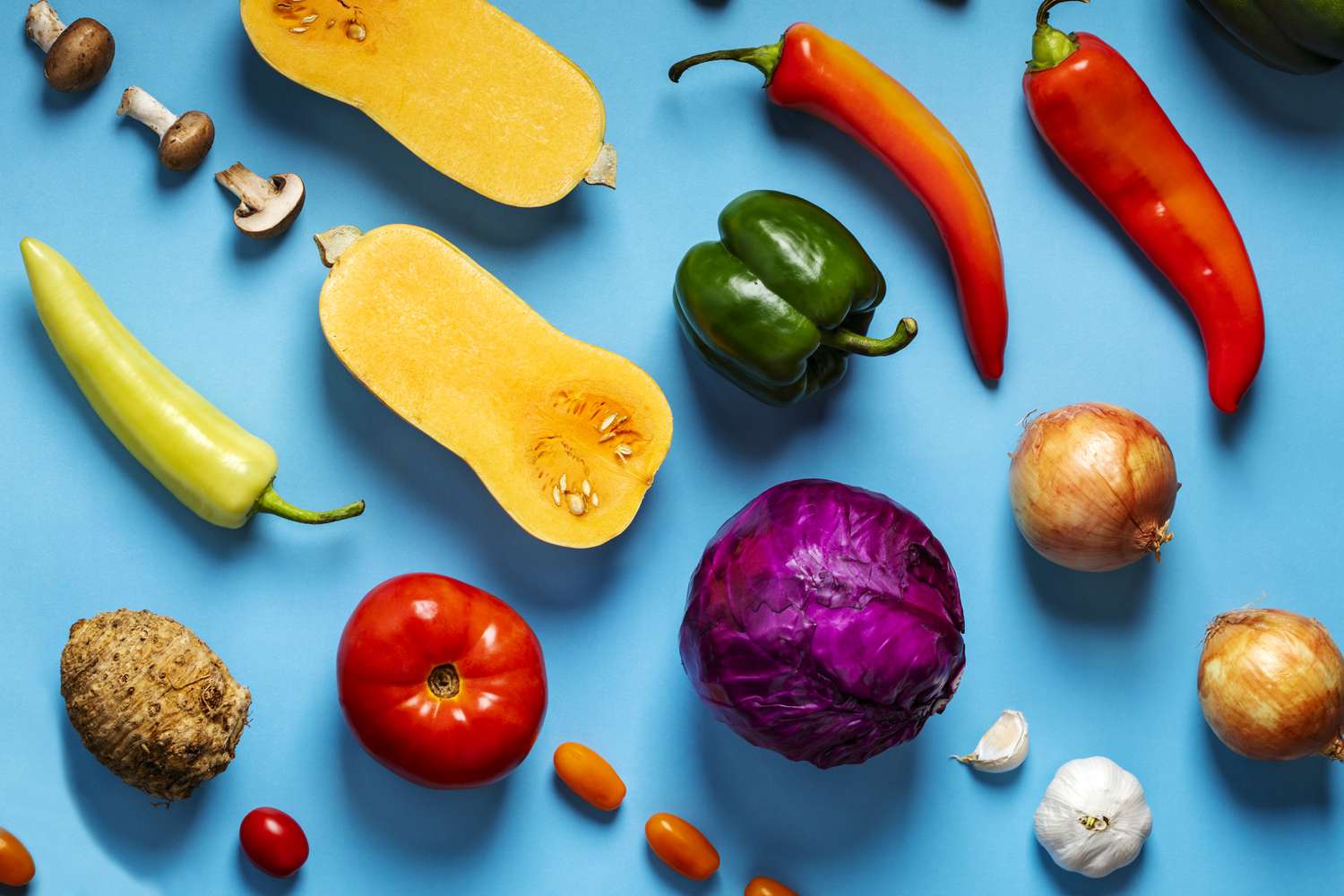

Happiness does not usually arrive wearing a cape and carrying a bunch of kale. It is more subtle than that. Sometimes it shows up as steadier energy after lunch, fewer dramatic snack cravings at 4 p.m., better digestion, or the surprising feeling that your brain is no longer buffering like slow Wi-Fi. While no vegetable can replace therapy, medication, sleep, movement, community, or a good laugh, health experts increasingly agree that what we eat can influence how we feel.
The connection between vegetables and mood comes down to several powerful pathways: nutrients that support brain chemistry, fiber that feeds gut bacteria, antioxidants that help fight inflammation, and slow-digesting carbohydrates that support stable blood sugar. In other words, vegetables are not just “good for you” in the vague way adults say when they are trying to convince a child to eat broccoli. They may play a real role in mental well-being.
Research on diet and mental health continues to evolve, but patterns are becoming clearer. Diets rich in vegetables, fruits, whole grains, legumes, nuts, fish, and healthy fats are often linked with better emotional health. Diets high in added sugar, ultra-processed foods, and low nutrient density are often linked with worse mood, more fatigue, and higher risk of depression and anxiety symptoms. The point is not perfection. The point is giving your brain the raw materials it needs to do its complicated, dramatic, 24-hour job.
So, which vegetables deserve a starring role on your “please make me feel like a functioning human” plate? Let’s look at five vegetables that health experts often associate with mood-supporting nutrients, gut health, and better daily energy.
Why Vegetables Can Affect Mood
Your brain is a hungry organ. It depends on a steady supply of vitamins, minerals, amino acids, healthy fats, and glucose to regulate focus, motivation, sleep, stress response, and mood. Vegetables contribute many of these nutrients without loading the body with excess added sugar or unhealthy fats.
The Gut-Brain Connection
One of the most exciting areas of nutrition science is the gut-brain axis. Your digestive system and brain constantly communicate through nerves, hormones, immune signals, and microbial byproducts. A high-fiber diet helps nourish beneficial gut bacteria, and those bacteria produce compounds that may influence inflammation, stress response, and neurotransmitter activity.
This does not mean one bowl of cabbage will turn a bad week into a musical number. But over time, eating more fiber-rich vegetables may help create a healthier internal environment for both digestion and mood. Think of it as upgrading the backstage crew for your emotional life.
Blood Sugar and Emotional Stability
Many people know the feeling of being “hangry.” It is not a personality flaw; it is biology with attitude. Meals that spike and crash blood sugar can leave you tired, irritable, foggy, and hunting for snacks like a raccoon with office access. Vegetables, especially when paired with protein and healthy fats, help slow digestion and support steadier energy.
Micronutrients Matter
Several nutrients found in vegetables are important for brain and nervous system function. Folate supports normal cell function and is involved in processes related to neurotransmitters. Magnesium helps with nerve and muscle function. Vitamin C supports antioxidant defenses and is involved in the production of certain brain chemicals. Potassium, fiber, carotenoids, polyphenols, and other plant compounds also contribute to overall wellness.
1. Spinach: The Leafy Green With Brain-Friendly Nutrients
If vegetables had a quiet overachiever, spinach would be wearing the cardigan. It does not shout. It wilts politely into everything. Yet spinach is loaded with nutrients connected to energy, nervous system function, and mood support.
Why Spinach May Help You Feel Happier
Spinach is rich in folate, magnesium, vitamin K, iron, and antioxidants. Folate is especially important because it plays a role in methylation, a process involved in making and regulating neurotransmitters such as serotonin, dopamine, and norepinephrine. These brain chemicals are associated with mood, motivation, reward, and emotional balance.
Low folate status has been linked in some research with depressive symptoms. That does not mean spinach is an antidepressant, but it does mean folate-rich foods can be part of a brain-supportive eating pattern. Magnesium also matters because it supports normal nerve function and may contribute to relaxation and stress resilience.
How to Eat More Spinach Without Feeling Like a Rabbit
Add spinach to scrambled eggs, soups, pasta, smoothies, rice bowls, turkey wraps, or homemade pizza. The beauty of spinach is that it shrinks dramatically when cooked, which means you can start with a mountain and end with a few forkfuls. That is not a scam; that is vegetable magic.
For a quick mood-supporting meal, try a spinach omelet with tomatoes and feta, or a warm bowl with brown rice, chickpeas, spinach, olive oil, lemon, and grilled chicken or tofu. The combination of fiber, protein, healthy fat, and micronutrients helps keep energy more stable than a lonely pastry eaten while standing over the sink.
2. Broccoli: The Crunchy Vegetable That Supports Your Gut
Broccoli has been unfairly bullied by sitcoms, picky eaters, and anyone who has ever overboiled it into a tragic green sponge. Cooked well, broccoli is bright, satisfying, and surprisingly versatile. Nutritionally, it is a powerhouse for gut health, immune support, and inflammation balance.
Why Broccoli May Support Better Mood
Broccoli contains fiber, vitamin C, folate, potassium, and plant compounds such as glucosinolates. When chopped or chewed, these compounds can help form sulforaphane, a phytochemical studied for its antioxidant and anti-inflammatory effects. Since chronic inflammation is often discussed in relation to mood disorders, eating anti-inflammatory foods may support emotional wellness as part of a broader healthy lifestyle.
Broccoli’s fiber is also important. Fiber feeds beneficial bacteria in the gut, and a healthier gut environment may support better communication between the digestive system and brain. A fiber-rich meal also tends to digest more slowly, helping reduce the blood sugar roller coaster that can make your mood feel like it has been handed to a toddler with markers.
Easy Broccoli Ideas That Do Not Taste Like Punishment
Roast broccoli with olive oil, garlic, black pepper, and a squeeze of lemon. Add it to stir-fries, grain bowls, casseroles, or pasta with white beans. For extra flavor, sprinkle roasted broccoli with parmesan, sesame seeds, chili flakes, or a drizzle of tahini sauce.
One practical tip: avoid boiling broccoli into submission. Steaming, roasting, or quick sautéing helps preserve texture and flavor. Broccoli should taste fresh and slightly sweet, not like it has been through a stressful life event.
3. Sweet Potatoes: The Comfort Food That Loves You Back
Sweet potatoes are what regular fries dream about when they decide to go to therapy. They are cozy, colorful, naturally sweet, and packed with nutrients. Better yet, they provide complex carbohydrates, which can support steady energy and satisfaction.
Why Sweet Potatoes May Improve Your Mood
Carbohydrates are often misunderstood. Highly refined carbs and sugary snacks can cause quick spikes and crashes, but complex carbohydrates from whole foods are different. Sweet potatoes contain fiber, potassium, vitamin C, and beta-carotene, the orange pigment your body can convert into vitamin A.
Complex carbohydrates can help the body use tryptophan, an amino acid involved in serotonin production. Serotonin is often called a “feel-good” neurotransmitter, although its role is much more complex than that. The key point is that balanced meals with high-quality carbohydrates may help some people feel more satisfied, calm, and energized.
Sweet potatoes are also filling. Feeling full in a steady, comfortable way can improve mood because your brain is not constantly sending emergency snack alerts. Hunger is not always sadness, but it can definitely put on sadness’s coat and walk around your day.
How to Enjoy Sweet Potatoes for Better Energy
Bake a sweet potato and top it with black beans, avocado, salsa, and Greek yogurt. Roast cubes with cinnamon and paprika. Mash them with olive oil and herbs. Add them to chili, breakfast hash, tacos, or grain bowls.
For a simple lunch, pair roasted sweet potato with salmon, lentils, turkey, tofu, or eggs. Add greens and a flavorful sauce. This kind of balanced plate gives your body carbohydrates, protein, fiber, and healthy fatsthe nutritional version of a group project where everyone actually does their job.
4. Beets: The Earthy Vegetable That Supports Blood Flow
Beets are not subtle. They stain your cutting board, your hands, and occasionally your confidence. But beneath their dramatic color is a vegetable rich in nitrates, folate, fiber, potassium, and antioxidant pigments called betalains.
Why Beets May Help Your Brain Feel Brighter
Dietary nitrates from vegetables like beets can be converted into nitric oxide, a compound that helps relax and widen blood vessels. Healthy blood flow matters because the brain depends on oxygen and nutrients delivered through circulation. Better vascular function does not automatically mean instant happiness, but it is one reason beets are often discussed in relation to exercise performance, stamina, and cognitive support.
Beets also provide folate, which is relevant to brain health and mood regulation. Their natural sweetness makes them satisfying, while their fiber supports digestion. If your mood tends to dip when you feel sluggish, heavy, or low-energy, beets can be a colorful way to make meals feel more vibrant.
Simple Ways to Eat Beets
Roast beets until tender, then slice them into salads with goat cheese, walnuts, arugula, and citrus vinaigrette. Blend cooked beets into hummus. Add shredded raw beets to slaws. Use pickled beets as a bright side dish with sandwiches or grain bowls.
If you are new to beets, start small. Their earthy flavor is bold, and their color is even bolder. Also, do not panic if beets temporarily tint urine or stool pink or red. That can happen, and yes, it has startled many innocent people into questioning every life choice they made that week.
5. Cabbage: The Budget-Friendly Vegetable With Gut-Brain Potential
Cabbage is humble, affordable, and wildly underrated. It can be crunchy, tender, tangy, sweet, or spicy depending on how you prepare it. Even better, cabbage becomes especially interesting when fermented into foods like sauerkraut or kimchi.
Why Cabbage May Support Happiness
Raw and cooked cabbage provide fiber, vitamin C, vitamin K, and protective plant compounds. Fermented cabbage adds another layer: beneficial microbes and fermentation byproducts that may support gut health. Since gut health and mental well-being are closely connected, fermented vegetables can be a smart addition to a mood-supportive diet.
Fermented foods are not a cure-all, and they do not work the same way for everyone. Some people with digestive conditions may need to introduce them carefully. But for many healthy adults, small servings of sauerkraut or kimchi can add flavor, crunch, and microbial diversity to meals.
How to Use Cabbage Without Getting Bored
Add shredded cabbage to tacos, rice bowls, soups, stir-fries, and sandwiches. Roast cabbage wedges with olive oil and garlic until the edges caramelize. Make a quick slaw with lime, cilantro, and a little yogurt or olive oil. Add a spoonful of sauerkraut to eggs, grain bowls, or turkey sandwiches.
Kimchi works well with fried rice, noodles, eggs, tofu, and savory pancakes. It brings heat, tang, and crunchthe culinary equivalent of turning on the lights in a boring room.
How to Build a Happier Vegetable Plate
Eating vegetables for mood does not require a complicated wellness ritual, a $17 juice, or a cutting board the size of a surfboard. The goal is consistency. Small, repeatable habits beat dramatic Monday makeovers that collapse by Wednesday.
Pair Vegetables With Protein
Vegetables are wonderful, but a plate of only raw carrots may leave you hungry and annoyed. Pair vegetables with protein sources such as eggs, fish, chicken, turkey, tofu, beans, lentils, Greek yogurt, or lean meat. Protein helps with fullness and provides amino acids needed for neurotransmitter production.
Add Healthy Fats
Healthy fats help absorb fat-soluble nutrients and make vegetables more satisfying. Try olive oil, avocado, nuts, seeds, tahini, or fatty fish. A little fat also makes vegetables taste better, which is important because food you resent rarely becomes a lasting habit.
Use Flavor Generously
Herbs, spices, garlic, citrus, vinegar, mustard, salsa, hot sauce, and low-sodium seasonings can transform vegetables. If your vegetables taste boring, the problem may not be the vegetable. It may be that nobody invited flavor to the meeting.
Eat the Rainbow, But Do Not Overthink It
Different colors often signal different nutrients and plant compounds. Green vegetables may provide folate and magnesium. Orange vegetables often contain carotenoids. Purple and red vegetables may provide antioxidant pigments. White and pale vegetables, such as cabbage and onions, also offer beneficial compounds. A colorful plate is a simple way to diversify nutrients without turning dinner into a chemistry exam.
Can Vegetables Really Make You Happier?
The honest answer is: they can help, but they are not magic. Happiness is shaped by sleep, relationships, stress, movement, medical care, financial pressure, sunlight, genetics, trauma, hormones, and many other factors. A salad cannot fix a toxic workplace. Broccoli cannot reply to your emails. Spinach will not stop your neighbor from learning the drums.
However, vegetables can support the physical systems involved in mood. They can improve meal quality, support gut health, provide key nutrients, reduce reliance on ultra-processed snacks, and help stabilize energy. Over weeks and months, those changes may make a meaningful difference in how you feel day to day.
For anyone dealing with persistent sadness, anxiety, loss of interest, panic, sleep changes, or thoughts of self-harm, it is important to reach out to a qualified health professional. Food can be part of mental health care, but it should not be the only tool in the toolbox.
Practical 7-Day Mood-Friendly Vegetable Plan
Here is a simple way to include these five vegetables throughout the week without turning your kitchen into a full-time job.
Monday
Make a spinach and egg breakfast wrap. For dinner, add roasted broccoli to chicken, tofu, or chickpea bowls.
Tuesday
Bake sweet potatoes and top them with black beans, salsa, avocado, and shredded cabbage.
Wednesday
Add spinach to a smoothie or soup. Serve roasted beets with greens, walnuts, and a citrus dressing.
Thursday
Make a broccoli stir-fry with garlic, ginger, brown rice, and your favorite protein.
Friday
Use kimchi or sauerkraut as a side with eggs, grain bowls, or sandwiches. Keep the serving modest if fermented foods are new to you.
Saturday
Roast a tray of sweet potatoes, broccoli, and cabbage wedges. Use leftovers for lunches.
Sunday
Make a big salad with spinach, beets, roasted sweet potato, cabbage, and a protein-rich topping. Congratulations: your fridge now looks like it has its life together.
Experience Section: What It Feels Like to Eat More Mood-Supporting Vegetables
Adding mood-supporting vegetables to daily meals is not usually a thunderclap moment. Most people do not eat spinach on Tuesday and wake up Wednesday speaking in affirmations. The change is often quieter. It feels like having enough energy to finish the afternoon without raiding the pantry. It feels like fewer sugar crashes. It feels like digestion that stops acting like a mysterious side quest. It feels like sitting down to a meal and realizing your plate has color, texture, and actual nourishment instead of beige food with a side of regret.
One of the easiest experiences to notice is the difference between a rushed, low-fiber lunch and a balanced vegetable-rich meal. A lunch built around refined carbs alone may taste good for ten minutes, then leave you sleepy, snacky, and emotionally fragile when someone sends an email that starts with “just checking in.” By contrast, a meal with roasted sweet potato, spinach, broccoli, cabbage slaw, and a solid protein source tends to feel steadier. You are full, but not heavy. You are satisfied, but not foggy. That kind of physical stability can make emotional stability easier.
Another common experience is that vegetables become more enjoyable once they are prepared well. Many adults think they dislike broccoli because they met it in childhood as a boiled, sulfur-scented warning. Roast it with olive oil and garlic, and suddenly it becomes crispy, savory, and snackable. Cabbage may sound plain until it is charred in wedges, tossed into tacos, or served as tangy kimchi. Beets may seem intimidating until they are paired with citrus, nuts, and creamy cheese. A happier vegetable routine often starts with better cooking, not stronger willpower.
There is also a psychological benefit to taking care of yourself in small ways. Preparing a colorful meal sends a message: “I am worth feeding well.” That message matters. It is not about moralizing food or chasing perfection. It is about building a routine where your body gets what it needs more often than not. The act of washing spinach, roasting sweet potatoes, or adding sauerkraut to a bowl may seem tiny, but tiny habits become the architecture of daily well-being.
People also tend to feel proud when they find practical vegetable habits that fit real life. Keeping frozen spinach on hand, buying pre-cut broccoli, roasting several sweet potatoes at once, or using bagged slaw mix can remove friction. You do not need to become a farmer, chef, or wellness influencer who stores soup in identical glass jars. You just need repeatable systems. Mood-friendly eating works best when it is simple enough to survive busy weeks, imperfect schedules, and the occasional dinner that comes from a drive-thru window.
The biggest takeaway from real-life experience is this: vegetables help most when they are part of a larger rhythm. Sleep still matters. Movement still matters. Connection still matters. But when your meals include more fiber, color, and nutrients, your body often feels better equipped to handle the day. And sometimes, feeling a little more equipped is exactly where happiness begins.
Conclusion
Vegetables will not solve every emotional struggle, but they can give your brain and body meaningful support. Spinach brings folate and magnesium. Broccoli offers fiber, vitamin C, and protective plant compounds. Sweet potatoes provide complex carbohydrates and carotenoids. Beets support blood flow and deliver folate. Cabbage, especially when fermented, may support gut health through fiber and beneficial microbes.
The best approach is not to chase one “superfood,” but to build meals that include a variety of vegetables, enough protein, healthy fats, and satisfying carbohydrates. Over time, that pattern can support steadier energy, better digestion, and a more resilient mood. Happiness may not live inside the produce drawer, but giving your plate more color is a surprisingly smart place to start looking.
Note: This article synthesizes information from reputable U.S. nutrition and health sources, including federal nutrition guidance, medical organizations, and peer-reviewed research on diet, vegetables, gut health, and mental well-being. It is for educational purposes only and should not replace professional medical advice, diagnosis, or treatment.