
Your gut microbiome is basically a tiny, bustling city living inside your digestive tract. It has workers, troublemakers, traffic jams, security guards, and yes, probably a few dramatic residents who complain every time you eat too much fried food at 11 p.m. This community of bacteria, fungi, and other microorganisms helps influence digestion, immune function, nutrient absorption, inflammation, and even the way your body communicates with your brain.
The good news? You do not need a mysterious powder, a celebrity cleanse, or a smoothie that tastes like lawn clippings to support it. A healthier gut often starts with ordinary foods: vegetables, fruit, beans, oats, yogurt, fermented vegetables, and even apple cider vinegar when used wisely. The goal is not to “reset” your gut overnight. Your microbiome is not a laptop. It does not need to be unplugged and restarted. It needs consistent feeding, variety, and fewer daily insults from ultra-processed foods.
This guide breaks down 10 practical foods to build your gut microbiome, from prebiotic-rich asparagus to tangy ACV. You will learn why they help, how to eat them, and how to introduce them without turning your stomach into a brass band.
What Does It Mean to Build Your Gut Microbiome?
Building your gut microbiome means encouraging a diverse, balanced community of helpful microbes. A more diverse microbiome is generally associated with better digestive resilience. Think of it like a garden: if you plant only one flower, one pest can wreck the whole thing. If you grow herbs, vegetables, flowers, and shrubs, the garden becomes stronger and more interesting. Your gut works in a similar way.
Three food categories matter most: prebiotics, probiotics, and polyphenol-rich plant foods. Prebiotics are fibers and resistant starches that feed beneficial bacteria. Probiotics are live microorganisms found in certain fermented foods. Polyphenols are plant compounds that gut microbes can transform into helpful metabolites. When you combine these foods regularly, your gut microbes get both “new neighbors” and “groceries.” That is a much better strategy than tossing in one probiotic capsule and hoping it builds a civilization.
10 Foods to Build Your Gut Microbiome
1. Asparagus: The Elegant Prebiotic Spear
Asparagus is one of the best-known prebiotic foods because it contains inulin, a type of fiber that your body does not fully digest. Instead, it travels to the colon, where beneficial bacteria ferment it and produce short-chain fatty acids. These compounds help support the gut lining, digestive regularity, and a healthier microbial environment.
Asparagus also brings folate, vitamin K, antioxidants, and a fresh flavor that works in everything from omelets to grain bowls. Roast it with olive oil and lemon, shave it raw into salads, or sauté it with garlic for a double-prebiotic dinner. Just start with a moderate serving if your gut is not used to high-fiber vegetables. Your microbes may cheer; your waistband may request a slower rollout.
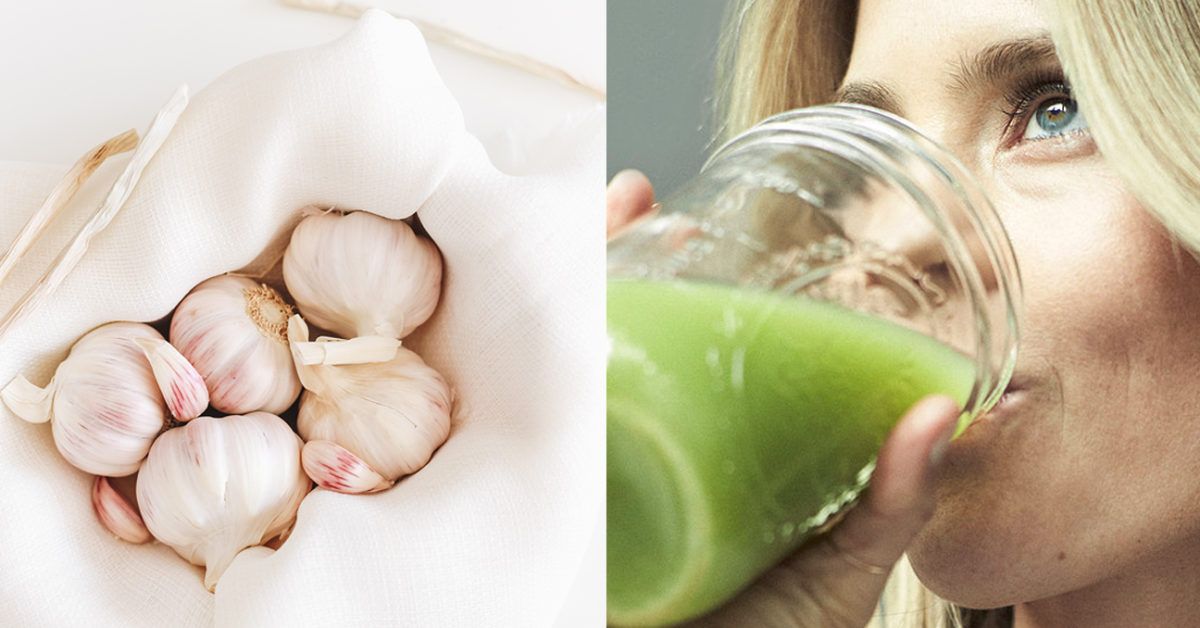
2. Garlic and Onions: Tiny Flavor Bombs With Big Gut Benefits
Garlic and onions are alliums, a family of vegetables rich in prebiotic compounds such as fructooligosaccharides and inulin-type fibers. These fibers help feed beneficial bacteria, especially species that thrive on fermentable carbohydrates. They also make food taste better, which is important because nobody sticks with a gut health diet that feels like punishment.
Add minced garlic to soups, roasted vegetables, beans, pasta sauces, or stir-fries. Use onions as the base for chili, tacos, stews, and grain bowls. If raw onion bothers your stomach, cook it thoroughly or try green onions in smaller amounts. People with IBS or sensitivity to FODMAPs may need to be careful with garlic and onions, but for many people, they are simple daily gut-supporting ingredients.
3. Bananas: The Friendly Resistant-Starch Snack
Bananas are convenient, affordable, and blissfully free of complicated cooking instructions. Slightly green bananas contain resistant starch, a carbohydrate that resists digestion in the small intestine and becomes fuel for gut bacteria in the colon. Riper bananas contain less resistant starch but still provide fiber, potassium, and gentle sweetness.
For gut microbiome support, try sliced banana over oatmeal, blended into kefir smoothies, or paired with peanut butter on whole-grain toast. A less-ripe banana may be especially useful if you want more resistant starch, but do not force yourself to eat one that tastes like chalky wallpaper. The best gut health food is one you will actually eat.
4. Oats: Breakfast for You and Your Bacteria
Oats are rich in beta-glucan, a soluble fiber that forms a gel-like texture during digestion. This type of fiber can help support bowel regularity, heart health, and microbial fermentation in the gut. Oats are also easy to combine with other microbiome-friendly foods, making them a reliable breakfast MVP.
Try overnight oats with yogurt and berries, warm oatmeal with banana and cinnamon, or savory oats topped with sautéed greens and an egg. Choose plain oats more often than sugar-loaded instant packets. Your gut bacteria appreciate fiber; they do not need a dessert buffet disguised as breakfast.
5. Beans and Lentils: The Fiber Heavyweights
Beans, lentils, chickpeas, and split peas are loaded with fiber, resistant starch, plant protein, minerals, and slow-digesting carbohydrates. They help feed beneficial gut microbes and support the production of short-chain fatty acids. They are also budget-friendly, shelf-stable, and versatile enough to appear in soups, salads, tacos, curries, dips, and pasta dishes.
The main issue is tolerance. If you go from zero beans to a heroic bowl of three-bean chili, your digestive system may file a noise complaint. Start with small servings, rinse canned beans well, cook dried beans until tender, and increase gradually. Lentils are often easier for beginners because they cook quickly and may be gentler than larger beans.
6. Apples and Berries: Pectin, Polyphenols, and Snackable Color
Apples and berries are excellent foods for gut microbiome diversity because they offer fiber plus polyphenols. Apples contain pectin, a soluble fiber that gut microbes can ferment. Berries provide anthocyanins and other plant compounds that may help shape a healthier microbial environment while adding bright flavor and natural sweetness.
Eat apples with the peel when possible, because much of the fiber and polyphenol content lives there. Add blueberries, raspberries, strawberries, or blackberries to yogurt, oatmeal, chia pudding, or salads. Frozen berries are a smart option because they are affordable, convenient, and picked at ripeness. Your gut does not care whether the berries came from a picturesque farmers market basket or a freezer bag. It cares that you ate them.
7. Yogurt With Live and Active Cultures: The Classic Probiotic Food
Yogurt is one of the most familiar probiotic foods. When it contains live and active cultures, it can introduce beneficial bacteria to the digestive tract. Yogurt also provides protein, calcium, and a creamy texture that makes it easy to use in both sweet and savory meals.
Look for labels that mention live and active cultures. Choose plain yogurt most of the time, then add your own fruit, cinnamon, nuts, or a drizzle of honey. This helps you avoid yogurt cups with more added sugar than a cupcake wearing a health halo. Greek yogurt is higher in protein, while regular yogurt may have a softer texture. Both can fit into a gut health diet if they contain live cultures and work for your digestion.
8. Kefir: Yogurt’s Tangy, Drinkable Cousin
Kefir is a fermented drink traditionally made from milk and kefir grains. It usually contains a wider variety of bacteria and yeasts than standard yogurt, though exact strains vary by brand and preparation. Its tangy flavor makes it useful in smoothies, salad dressings, overnight oats, and pancake batter.
People who are lactose-sensitive sometimes tolerate kefir better than regular milk because fermentation reduces some lactose, but tolerance varies. Choose unsweetened kefir when possible, then flavor it yourself with fruit or vanilla. If dairy does not work for you, look for water kefir or non-dairy kefir options, but check labels because some contain less protein and more added sugar.
9. Kimchi and Sauerkraut: Fermented Vegetables With Personality
Kimchi and sauerkraut are fermented cabbage-based foods that can provide live microbes when they are raw, refrigerated, and unpasteurized. They also contain fiber and plant compounds from cabbage and added vegetables. Kimchi often includes garlic, ginger, chili, scallions, or radish, while sauerkraut keeps things simpler with cabbage and salt.
Add a spoonful to rice bowls, eggs, sandwiches, tacos, or roasted potatoes. The key phrase is “a spoonful.” Fermented vegetables can be salty, and their bold flavor may surprise beginners. Start small and treat them like a condiment. Your gut microbiome does not require you to eat kimchi by the cereal bowl.
10. Apple Cider Vinegar: Useful, Tangy, and Not a Magic Potion
Apple cider vinegar, or ACV, is made through fermentation, which turns apple sugars into alcohol and then acetic acid. Raw, unfiltered ACV with “the mother” may contain leftover fermentation compounds and microbes, but vinegar is not always considered a reliable probiotic food. Pasteurized or filtered vinegar may not contain live organisms. That does not make ACV useless; it simply means it should not be treated as a miracle gut cure.
ACV may support meals by adding acidity, helping flavor vegetables, and replacing heavier dressings. Use it in vinaigrettes, marinades, slaws, or diluted drinks. Never drink it straight. Its acidity can irritate the throat and damage tooth enamel. A common kitchen approach is one to two teaspoons mixed into a full glass of water or used in food, but people with reflux, kidney disease, diabetes medications, or digestive disorders should ask a healthcare professional before using it regularly.
How to Combine These Foods for Better Gut Health
The real magic is not in one food. It is in patterns. A bowl of oatmeal with kefir and berries gives you fiber, probiotics, and polyphenols. Lentil soup with garlic, onions, and a side of sauerkraut gives your microbes fuel plus fermented food. Roasted asparagus with beans and a yogurt-based dressing turns a normal dinner into a microbiome-friendly meal without requiring a PhD in nutrition.
A simple gut-building plate might include one high-fiber plant food, one colorful fruit or vegetable, and one fermented food. For example, try eggs with sautéed asparagus and a spoonful of kimchi, a chickpea salad with apple cider vinegar dressing, or Greek yogurt topped with oats, berries, and banana. These combinations are practical, affordable, and easier to sustain than strict meal plans.
Common Mistakes When Eating for the Gut Microbiome
Adding Too Much Fiber Too Fast
Fiber is fantastic, but your gut may need training. Increase fiber gradually over several weeks and drink enough water. Sudden fiber overload can cause gas, bloating, and an emotional conversation with your pants.
Assuming Every Fermented Food Has Probiotics
Not all fermented foods contain live cultures by the time you eat them. Heat-treated, shelf-stable, or pasteurized products may still taste great, but they may not provide live microbes. Look for refrigerated options and labels that mention live cultures when probiotic benefits are the goal.
Ignoring Food Tolerance
Some gut-friendly foods can trigger symptoms in people with IBS, small intestinal bacterial overgrowth, reflux, or other digestive conditions. Garlic, onions, beans, and asparagus are healthy, but they are also high in fermentable carbohydrates. Personal tolerance matters. A food can be nutritious and still not be your stomach’s best friend.
Expecting Instant Results
Your microbiome can respond to diet changes, but building a healthier gut is a long game. You may notice better regularity or less bloating within weeks, but lasting change comes from repetition. Gut health is less like fireworks and more like compound interest.
A Practical 7-Day Gut Microbiome Starter Plan
Day 1: Add berries to breakfast. Keep everything else normal.
Day 2: Swap your usual snack for yogurt with live cultures.
Day 3: Add roasted asparagus or sautéed onions to dinner.
Day 4: Try half a cup of lentils or beans in soup, salad, or tacos.
Day 5: Make oatmeal with banana and cinnamon.
Day 6: Add one spoonful of kimchi or sauerkraut to a meal.
Day 7: Use apple cider vinegar in a simple dressing with olive oil, mustard, and herbs.
This slow approach helps your digestive system adapt. It also teaches you which foods feel good, which need smaller servings, and which should be saved for weekends when your couch is nearby and judgment-free.
Experience Section: What Building a Gut Microbiome Actually Feels Like
In real life, building your gut microbiome is not glamorous at first. Nobody wakes up on day three glowing like a wellness commercial while birds fold their laundry. The experience is usually quieter. You start by adding oats to breakfast, tossing berries into yogurt, or roasting asparagus because you bought it with good intentions and refuse to let it become refrigerator art.
The first noticeable change is often awareness. You begin seeing meals differently. A sandwich is not just lunch; it becomes an opportunity to add sauerkraut, leafy greens, or a side of apple slices. A bowl of soup becomes a place for lentils, garlic, onions, and herbs. Breakfast becomes less about grabbing something beige and more about building a small ecosystem in a bowl. Oats, kefir, banana, and berries suddenly feel like a team sport.
There may also be an adjustment period. When someone adds beans, asparagus, onions, kefir, and fermented vegetables all at once, the gut may respond with bloating or gas. That does not always mean the foods are bad. It may mean the change was too fast. The microbiome is adaptable, but it appreciates manners. Introduce one new food at a time, use smaller portions, and give your body a chance to learn the new routine.
A realistic gut-building week might look like this: Monday starts with oatmeal and blueberries. Tuesday includes a turkey sandwich with a small scoop of sauerkraut. Wednesday dinner is lentil soup with garlic and carrots. Thursday brings yogurt with sliced banana. Friday gets adventurous with kimchi fried rice. Saturday uses ACV in a crunchy cabbage slaw. Sunday is the reset meal: roasted asparagus, beans, brown rice, and a lemony yogurt sauce. None of this is fancy. That is the point. The foods that build your gut microbiome should fit into regular life, not require a private chef named Sebastian.
People often report that the biggest win is consistency. They stop thinking of gut health as a rescue mission and start treating it like daily maintenance. More plants. More fiber. More fermented foods. Less panic. Over time, bowel habits may become more regular, meals may feel more satisfying, and cravings for ultra-processed snacks may become easier to manage. Not because one food performed a miracle, but because the overall pattern improved.
The emotional experience matters too. Eating for your gut can feel empowering because it is practical. You are not chasing perfection. You are feeding a living system with real food. Some days will include asparagus and kefir. Other days will include pizza, because life is life and mozzarella has excellent public relations. The goal is not to become a flawless gut-health monk. The goal is to build a pattern your microbiome can recognize, enjoy, and reward.
Conclusion
Building your gut microbiome does not require extreme diets, expensive supplements, or vinegar shots that make your face fold in half. It starts with simple foods eaten consistently: asparagus for prebiotic fiber, garlic and onions for microbial fuel, bananas and oats for resistant starch and soluble fiber, beans and lentils for serious plant power, apples and berries for pectin and polyphenols, yogurt and kefir for live cultures, kimchi and sauerkraut for fermented variety, and apple cider vinegar as a tangy supporting player rather than a miracle cure.
The smartest gut health diet is diverse, gradual, and enjoyable. Feed your microbes like invited guests, not like raccoons behind a restaurant. Give them fiber, color, fermented foods, and time. Your digestive system may not send a thank-you card, but it has its ways of showing appreciation.
Note: This article is for general educational purposes and is not medical advice. Anyone with chronic digestive symptoms, IBS, reflux, diabetes, kidney disease, immune system concerns, or medication interactions should consult a qualified healthcare professional before making major dietary changes or using apple cider vinegar regularly.