
There are two kinds of people in this world: people who label their storage bins, spice jars, craft drawers, and charging cablesand people who spend 12 minutes muttering, “I know I put it somewhere safe.” The first group lives in peace. The second group owns three tape measures and can find none of them.
That is why the idea behind Fab Freebie: Designer Labels feels so satisfying. It combines the thrill of getting something useful for free with the tiny luxury of making everyday life look intentionally styled. A good label is not just a sticker. It is a miniature command center, a design choice, and occasionally a passive-aggressive household memo that says, “This basket is for batteries, not mystery screws from 2018.”
The phrase “designer labels” can sound like it belongs in a glossy closet full of handbags, couture jackets, and shoes that cost more than a used car. But in the world of home organization, crafts, small business packaging, resale fashion, and DIY decor, designer labels are much more democratic. They can be printable pantry labels, custom sticker templates, clothing tags, label-maker tapes, storage-bin signs, or branded tags that make a handmade product feel boutique-worthy.
Best of all, many of the tools for making beautiful labels are free or nearly free. You can use printable templates, editable design platforms, label-maker layouts, and clever styling rules to create polished labels without needing a graphic design degree or a trust fund named “Monogrammed Linen Drawer.”
What Are Designer Labels, Really?
In this context, designer labels are labels created with style, purpose, and visual consistency. They may identify what is inside a container, brand a handmade product, organize a closet, upgrade a gift, or help document a vintage fashion find. A designer label does not have to be expensive. It simply has to look deliberate.
Think of the difference between scribbling “flour???” on masking tape and printing a clean ivory label that says “All-Purpose Flour” in a modern serif font. Both technically do the job. One says, “I am an adult with systems.” The other says, “There may be pancake mix in here, but we are choosing optimism.”
Designer labels usually have a few things in common: readable typography, consistent sizing, smart spacing, durable material, and a look that matches the room or product. A pantry label may use soft neutrals and classic lettering. A craft-room label might use cheerful icons. A kids’ toy label may combine words and pictures. A resale fashion tag might include the brand, size, fabric, condition, and care notes.
Why Free Designer Labels Are Having a Moment
People love free label templates because they solve a problem quickly. Instead of staring at a closet like it is a haunted forest, you can print a set of matching labels and suddenly your bins have jobs. Seasonal decor, cords, medicine-cabinet extras, gift wrap, pantry staples, office supplies, pet items, and school materials all become easier to find.
Labeling also fits beautifully into the bigger trend of “visible organization.” Open shelves, clear bins, glass jars, woven baskets, craft carts, laundry stations, and pantry makeovers all look better when the labels feel coordinated. The label becomes part of the decor. It is the tiny bow tie on the tuxedo of tidiness.
Free templates from design platforms and label companies have made the process much easier. Users can customize text, colors, shapes, and layouts, then print on adhesive sheets, cardstock, waterproof labels, or sticker paper. For anyone who has ever bought a storage bin with great intentions and then used it as a black hole with handles, this is a practical miracle.
Label Makers vs. Printable Labels: Which One Wins?
Label Makers: Fast, Tidy, and Slightly Addictive
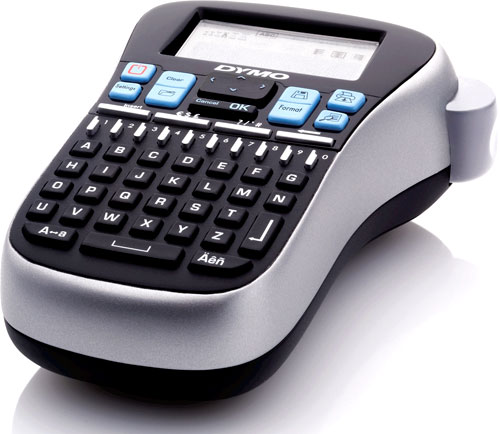
A label maker is perfect for quick organization. It is ideal for file folders, charging cords, spice jars, tool drawers, kids’ school supplies, storage boxes, and office shelves. Modern label makers often include multiple font styles, frames, symbols, and tape sizes. That means you can create labels that are functional without looking like they escaped from a 1997 office cabinet.
The biggest advantage is speed. Type, print, stick, done. No printer alignment drama. No cutting marathon. No moment where you accidentally print 48 labels that say “Pastaa” and decide maybe the extra “a” is Italian.
Printable Labels: More Design Freedom
Printable labels are better when you want a polished visual system. They work well for pantry makeovers, party favors, product packaging, wedding supplies, classroom organization, craft rooms, and gift tags. You can choose elegant fonts, custom colors, icons, borders, and shapes. Printable labels can look boutique-level with very little cost.
The tradeoff is setup. You need compatible label sheets, a printer, and a little patience with alignment. The printer will know when you are in a hurry. It can sense fear. Still, once the first sheet comes out correctly, printable labels are incredibly satisfying.
How to Create Fab Freebie Designer Labels at Home
Step 1: Pick a Labeling Goal
Start with one area, not your entire home. Labeling every room in a single weekend sounds productive until you are sitting on the floor at midnight deciding whether “miscellaneous cords” and “emotionally confusing cables” need separate bins.
Good starter zones include the pantry, bathroom closet, craft supplies, office drawers, laundry shelves, kids’ toys, holiday decorations, or a resale inventory box. Choose an area where labels will save time immediately.
Step 2: Choose a Style
Designer labels work best when they match the mood of the space. For a modern kitchen, use clean black text on white labels. For a farmhouse pantry, try kraft paper, cream backgrounds, or script accents. For a kids’ room, use bright colors and simple icons. For a small business, keep the design close to your brand colors and logo style.
The secret is consistency. Do not use twelve fonts unless your goal is “yard sale ransom note.” Pick one main font, one accent font, and a simple layout. Your future self will thank you while calmly locating the extra batteries.
Step 3: Match the Label to the Surface
Labels live hard lives. They get touched, splashed, peeled, frozen, heated, ignored, and occasionally attacked by toddlers. Use removable labels for temporary bins, waterproof labels for bathrooms and kitchens, freezer-safe labels for food storage, and sturdy cardstock tags for baskets or fabric bins.
For glass jars, clear labels can look sleek. For dark containers, white or kraft labels stand out better. For woven baskets, hanging tags often work better than adhesive stickers because textured surfaces are not exactly famous for their sticker loyalty.
Designer Labels and the Fashion World
Of course, “designer labels” also brings fashion to mind. Clothing labels are powerful little storytellers. A garment tag can reveal a brand, era, size system, fiber content, country of origin, care instructions, and sometimes whether the item is vintage, handmade, or part of a special collection.
In vintage and resale fashion, labels matter because they help shoppers identify authenticity, age, and value. Serious vintage collectors often look at typography, stitching, fabric content, union tags, manufacturing location, and construction details. A label alone does not prove an item is authentic, but it is an important clue.
This is where the fun meets the serious side. Designer labels can be stylish, but they can also be forged. Counterfeit products often rely on familiar logos, fake tags, and copied packaging to make buyers believe they are purchasing the real thing. That is why resale shoppers should check more than the label: stitching, hardware, materials, serial numbers, receipts, seller reputation, return policy, and professional authentication all matter.
How to Use Labels for Resale, Thrifting, and Closet Organization
If you sell clothing online, labels can make your process smoother. Use tags or stickers to track inventory numbers, garment categories, measurements, condition notes, and listing status. A simple system can prevent the classic reseller panic of selling a black dress and then discovering you own seven black dresses that all look identical in poor lighting.
For your personal closet, labels work beautifully on bins for seasonal items, accessories, belts, scarves, handbags, workout gear, formalwear, and donation piles. You can also label shelves by category: denim, sweaters, workwear, weekend basics, repairs, dry cleaning, and “things I swear I will wear when the right imaginary brunch invitation arrives.”
Labels are especially helpful for families. A child who cannot read yet can still understand picture labels. A shared laundry area becomes easier when baskets are marked by person, color, or item type. A mudroom becomes less chaotic when shoes, hats, gloves, backpacks, and sports gear each have a labeled landing zone.
Design Tips That Make Free Labels Look Expensive
Use White Space Like a Pro
Luxury design is rarely crowded. Give your label text room to breathe. A label with generous spacing looks calmer and more expensive than one packed with every detail known to humanity. If you need more information, use a larger label or a back label.
Limit Your Color Palette
Two or three colors are enough for most label systems. Black, white, cream, gray, navy, sage, blush, and kraft tones are popular because they blend well with many interiors. Bright colors can work too, especially for kids, classrooms, and craft rooms, but keep them organized by category.
Choose Readable Fonts
Script fonts are pretty until you realize nobody can tell whether the jar says “cumin” or “cousin.” Use decorative fonts sparingly. For practical labels, readability wins. The best labels are attractive at a glance and clear from a few feet away.
Add Icons When Helpful
Icons are great for toy bins, craft supplies, cleaning products, and bathroom storage. They help visual recognition and add charm. Just avoid overly complicated icons. A label should not require an art history degree to identify cotton balls.
Smart Places to Use Designer Labels
Designer labels can upgrade almost any space. In the pantry, use them for flour, sugar, rice, pasta, oats, snacks, spices, tea, coffee, and baking supplies. In the bathroom, label first aid, skincare, hair tools, travel items, dental supplies, and backup toiletries. In the office, label cords, chargers, tax documents, receipts, stationery, and printer supplies.
In a craft room, labels are practically survival equipment. Sort paper, vinyl, yarn, thread, paint, brushes, glue, beads, fabric scraps, and tools. In a garage, label hardware, garden supplies, paint, car care, extension cords, camping gear, and seasonal decor. In a laundry room, labels can mark detergent, stain removers, dryer balls, cleaning cloths, lost socks, and the legendary “things found in pockets” jar.
Small businesses can use free designer label templates for product samples, thank-you stickers, packaging seals, price tags, shipping labels, candle labels, soap wrappers, bakery boxes, and event favors. A polished label can make a handmade product feel more professional without requiring a major packaging budget.
Common Labeling Mistakes to Avoid
The first mistake is over-labeling. Not everything needs a label. Your couch does not need a sticker that says “couch,” unless you live with someone truly committed to chaos. Label categories that help you find, sort, or maintain things.
The second mistake is being too specific. A bin labeled “blue extension cord purchased during garage cleanout” may be accurate, but it is not flexible. A label that says “extension cords” will age better.
The third mistake is choosing beauty over function. A pale gray label on a clear bin may look dreamy in photos, but if nobody can read it, it is just decorative fog. Labels should be stylish, yes, but also bossy enough to do their job.
The fourth mistake is ignoring maintenance. A label system should be easy to update. Leave a few blank labels in the same style so you can add categories later. Otherwise, one mismatched handwritten label will sneak in and ruin the whole orchestra.
Experience: What Fab Freebie Designer Labels Taught Me
The first time I tried a full labeling project, I made the rookie mistake of believing enthusiasm was a plan. I had a stack of bins, a printable template, a fresh marker, and the confidence of someone who had watched exactly three organizing videos and now considered himself spiritually related to a professional home editor.
I started with the pantry because the pantry was where good intentions went to expire. There were three open bags of rice, two jars of cinnamon, one mystery powder that might have been cornstarch, and enough half-used pasta boxes to host a very confusing Italian buffet. My first label said “Grains,” which felt elegant. My second said “Snacks,” which felt practical. By label number eight, I had created a category called “Crunchy Things,” and that is when I realized labeling reveals how your brain actually works.
The best part was not the finished look, although the shelves did suddenly appear more expensive than the food sitting on them. The best part was how quickly the labels changed behavior. People put things back where they belonged because the containers were no longer anonymous. A bin with no label is a suggestion. A bin labeled “Tea” is a tiny manager with adhesive backing.
I later used designer labels for a closet cleanout, and that project was even more revealing. I made tags for “Keep,” “Repair,” “Donate,” “Sell,” and “Maybe.” The “Maybe” pile became dangerously powerful. It was less a pile and more a museum of personal negotiations. Still, the labels helped turn a vague emotional task into a series of decisions. Instead of staring at clothes and wondering who I was as a person, I could simply ask, “Does this go in Repair or Donate?” Much healthier. Much less dramatic.
For resale items, labels became a lifesaver. I added small removable tags with inventory numbers and basic notes: brand, size, condition, and where the item was stored. Before that, finding a sold item felt like a treasure hunt hosted by a villain. After labeling, everything had a place. I could pack orders faster, avoid mix-ups, and stop describing every black sweater as “the soft one,” which is not a business system; it is a cry for help.
The biggest lesson is that designer labels are not about pretending your life is perfect. They are about making daily routines slightly less annoying and much better looking. A free printable label or simple label-maker strip will not do your laundry, organize your tax documents, or stop someone from putting batteries in the snack bin. But it will create a visual nudge. It will reduce friction. It will make your home, closet, craft room, or small business feel more intentional.
And honestly, there is joy in that. A well-designed label gives ordinary objects a small promotion. Flour becomes pantry decor. A storage bin becomes a system. A handmade candle becomes giftable. A thrifted blazer becomes documented inventory. Even the junk drawer, that lawless kingdom of pens, coins, receipts, and one suspicious rubber band, can become less terrifying with a few smart labels.
So yes, “Fab Freebie: Designer Labels” sounds cute, but the idea is genuinely useful. Free labels are a low-cost upgrade with a high satisfaction return. They make spaces easier to use, prettier to look at, and simpler to maintain. They also provide the rare pleasure of feeling organized without buying an entirely new personality. That, friends, is the real freebie.
Conclusion: Small Labels, Big Glow-Up
Designer labels prove that organization does not have to be boring, expensive, or reserved for people whose linen closets look like boutique hotel shelves. With free templates, label makers, printable sheets, and a little design discipline, anyone can create labels that are practical and polished.
Whether you are organizing a pantry, managing a resale fashion closet, branding handmade products, sorting craft supplies, or finally confronting the cable drawer, labels give every item a clear home. They save time, reduce clutter, and add style to ordinary routines. Just remember: the best label is readable, durable, consistent, and useful. Bonus points if it makes you smile while telling your stuff where to sit.