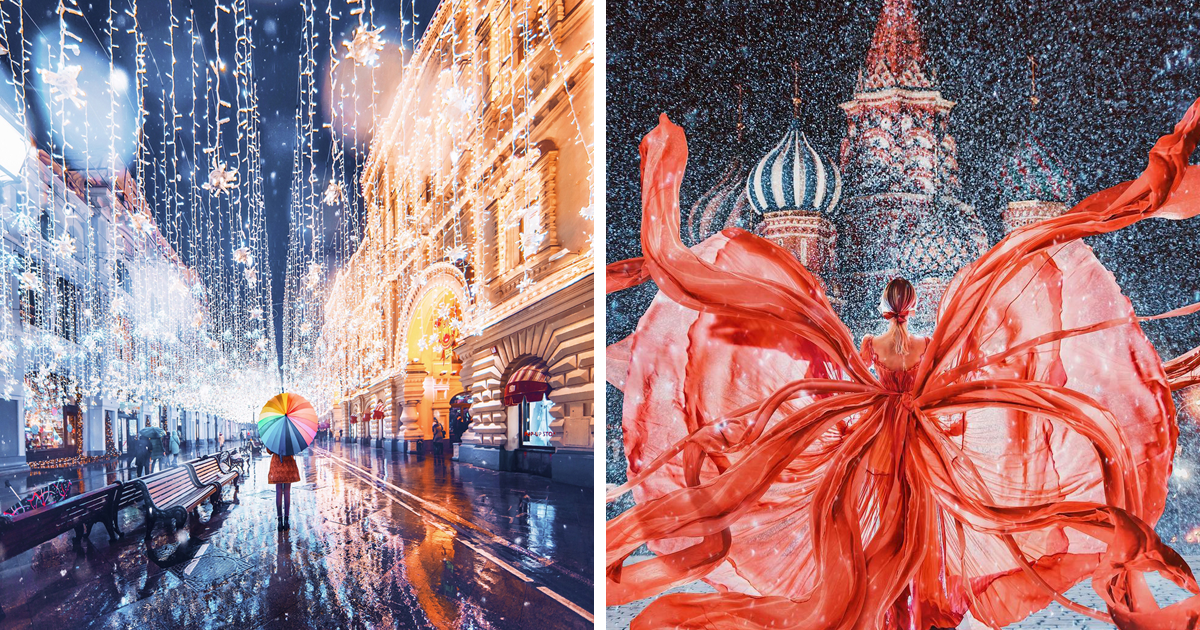

Moscow in winter does not simply “get cold.” It puts on a velvet cape, dusts its cathedrals with powdered sugar, lights up its boulevards like a theater lobby, and dares every photographer to keep their fingers warm long enough to press the shutter. My 30 photos of Moscow’s fairytale-like beauty during winter are not just pictures of snow. They are small windows into a city where red brick, golden domes, frozen ponds, grand metro halls, and sleepy side streets all seem to whisper, “Yes, this is real. No, you may not feel your nose anymore.”
Winter in Moscow has a special visual language. Red Square becomes more dramatic under snow. St. Basil’s Cathedral looks like a gingerbread castle designed by someone with excellent taste and unlimited frosting. The Kremlin walls glow against pale skies. GUM’s glass-roofed arcade feels warmer than a hug from a samovar. Even the metro stations, with marble, mosaics, chandeliers, and vaulted ceilings, turn a regular commute into a museum visit with train announcements.
This photo essay follows 30 scenes that capture Moscow winter photos at their most magical: famous landmarks, quiet parks, glowing streets, icy reflections, and the little human moments that keep the city from becoming a postcard with frostbite.
Why Moscow Looks Like a Fairytale in Winter
Moscow’s winter beauty comes from contrast. The city is monumental, but snow makes it soft. Its architecture is bold, but frost adds delicate edges. Its streets are wide and busy, yet a fresh snowfall can hush everything for a few minutes. The result is a rare kind of drama: part imperial stage set, part cozy snow globe, part “I should have worn better socks.”
The historic center gives photographers an almost unfair advantage. The Kremlin and Red Square are recognized as a UNESCO World Heritage site, and St. Basil’s Cathedral remains one of the most recognizable symbols of Russian architecture. In winter, these landmarks do not lose their color. They become even more vivid because the white snow acts like a giant natural reflector. The red walls look deeper, the domes brighter, and the streetlights warmer.
The 30 Photos: A Winter Walk Through Moscow
Red Square, St. Basil’s Cathedral, and the Kremlin
- Photo 1: St. Basil’s Cathedral under fresh snow. The first image shows the cathedral’s onion domes rising above a white square. Snow softens every line, but the colors still pop like jewels. This is the classic Moscow winter photo for a reason.
- Photo 2: The Kremlin wall at blue hour. Just after sunset, the brick wall becomes a deep red ribbon against the snow. The towers seem taller when the sky turns icy blue.
- Photo 3: Spasskaya Tower glowing through snowfall. Snowflakes blur the clock tower slightly, creating a dreamy effect. It feels less like documentary photography and more like an illustration from an old storybook.
- Photo 4: GUM lights reflecting on wet cobblestones. After snow has been cleared, the stones shine under festive lights. The luxury shops are nice, but the reflections steal the scene.
- Photo 5: The State Historical Museum in winter red. Its ornate façade looks dramatic against a white foreground. It is one of those buildings that seems to enjoy being photographed.
- Photo 6: The GUM skating rink from the edge of Red Square. Skaters move in circles under lights, with famous landmarks around them. It is graceful, cheerful, and occasionally wobbly in the most human way.
This part of Moscow is where winter photography becomes almost too easy. Every direction gives you a composition: domes, towers, arches, lamps, silhouettes, and the occasional tourist taking a selfie with the determination of a polar explorer.
GUM, Festive Lights, and Warm Indoor Escapes
- Photo 7: GUM’s glass roof from below. Inside GUM, winter becomes elegant instead of brutal. The long arcade, decorative bridges, and warm lights create a glowing shelter from the cold.
- Photo 8: Holiday ornaments hanging above shoppers. This image captures the festive season without needing a single posed smile. Moscow’s winter decorations can turn ordinary errands into a small celebration.
- Photo 9: A cup of hot tea beside a frosted window. Not every great Moscow winter photo needs a landmark. Sometimes the best image is a quiet table, a warm drink, and the city blurring outside.
- Photo 10: Street lamps glowing outside GUM. The lamps look almost theatrical in the snow. They give the square a warm pulse, especially when the temperature suggests your eyelashes may soon apply for citizenship.
GUM matters in a winter photo story because it gives Moscow a softer rhythm. Outside, the city is grand and icy. Inside, it is polished, bright, and full of tiny details: railings, ornaments, window displays, and people unwrapping scarves like they have just survived a heroic expedition.
Zaryadye Park and the Moscow River
- Photo 11: The floating bridge at Zaryadye Park. Opened in 2017, Zaryadye Park blends modern design with views of old Moscow. In winter, the floating bridge gives a wide, cinematic look at the river and skyline.
- Photo 12: Snow on the park’s paths and grasses. The park’s landscaped zones become abstract shapes under snow, perfect for minimalist winter city photography.
- Photo 13: St. Basil’s Cathedral seen from Zaryadye. From this angle, the cathedral appears beyond trees, roofs, and river air. It feels discovered rather than displayed.
- Photo 14: The Moscow River under a gray sky. Winter light can be quiet and flat, but that is not a flaw. It gives the river a calm, silver mood.
Zaryadye is a reminder that Moscow is not frozen in the past. Its fairytale-like beauty is not only about old churches and fortress walls. Modern viewpoints, clean lines, and open public spaces create new ways to see the historic city.
Moscow Metro: Palaces Beneath the Snow
- Photo 15: A chandelier-lit metro hall. The Moscow Metro, which opened in 1935, is famous for stations that feel more like underground palaces than transit stops.
- Photo 16: Marble columns at rush hour. Commuters move quickly while the architecture stands still, making a perfect contrast between daily life and grand design.
- Photo 17: A train arriving in warm light. After shooting outdoors in freezing weather, the metro feels like a reward. It is also a visual feast: arches, mosaics, polished floors, and motion.
- Photo 18: Reflections on the station floor. Clean, shiny floors can double the geometry of a station. For photographers, that is basically a free bonus frame.
Including the metro in a Moscow winter photo essay is essential. Above ground, winter gives the city snow and silence. Below ground, Moscow offers warmth, movement, and architectural drama. It is the perfect backup plan when the weather decides to become personally insulting.
Parks, Ponds, and Snowy Neighborhood Corners
- Photo 19: Patriarch’s Ponds in winter. This central neighborhood feels calm and literary, especially when the pond freezes and bare trees frame the walkways.
- Photo 20: A bench half-buried in snow. Simple details often tell the season better than famous views. A snowy bench says, “Come sit,” and also, “Absolutely do not sit.”
- Photo 21: Gorky Park skaters. Ice skating is one of Moscow’s great winter pleasures. The best photos catch both elegance and comedy: one graceful spin, one heroic wobble.
- Photo 22: Bare branches against apartment façades. Moscow’s residential streets become graphic in winter. Dark branches, pale walls, and yellow window light create quiet beauty.
- Photo 23: A snow-covered tram stop. Public transport scenes show the real city. People waiting in coats, breath visible in the air, make the image feel alive.
These quieter photos are important because they keep the essay from becoming only a greatest-hits tour. Moscow’s winter beauty is not limited to postcards. It lives in courtyards, sidewalks, cafés, stairways, and the small bravery of people walking normally in temperatures that make your phone question its life choices.
VDNKh, Sparrow Hills, Arbat, and the City at Night
- Photo 24: VDNKh pavilions in snow. The exhibition grounds are full of monumental architecture, fountains, and wide perspectives. Winter makes the scale feel even more cinematic.
- Photo 25: Lights at VDNKh after sunset. Evening is when Moscow turns on its winter charm. The snow catches every lamp and sign, making the whole scene glow.
- Photo 26: Sparrow Hills viewpoint. From this high spot, Moscow spreads out under a pale winter sky. The city looks enormous, layered, and surprisingly calm from above.
- Photo 27: Moscow State University in the distance. One of the city’s famous Stalin-era skyscrapers, it becomes especially dramatic when framed by snow and low clouds.
- Photo 28: Old Arbat in winter. The pedestrian street has music, shops, cafés, and a softer neighborhood feel. Snow gives it texture and nostalgia.
- Photo 29: A quiet Kitay-Gorod lane. Narrower streets near the center are perfect for atmospheric winter photography: lamps, old walls, footprints, and unexpected color.
- Photo 30: Moscow at night through falling snow. The final photo is not one landmark but a mood: golden windows, white streets, blurred headlights, and snowflakes passing close to the lens like tiny actors demanding screen time.
Photography Tips for Capturing Moscow’s Winter Beauty
Use the cold as part of the story
Winter photography in Moscow is not about pretending the weather is comfortable. The cold is part of the character. Red cheeks, fogged breath, heavy coats, frosted railings, and steaming drinks all add life to the frame. A perfect landmark shot is beautiful, but a landmark with people moving through snow often feels more memorable.
Shoot early, late, and during snowfall
Early morning gives cleaner compositions around Red Square and central streets. Blue hour adds cinematic color. Night photography works beautifully because Moscow uses light generously in winter. Falling snow can be tricky for autofocus, but it adds depth and atmosphere. If the flakes are large, use street lamps or dark backgrounds to make them visible.
Look for color against white
Moscow is full of strong winter color: red brick, green rooftops, gold domes, blue signs, warm windows, and bright scarves. Snow simplifies the scene, so even a small color accent becomes powerful. That is why St. Basil’s Cathedral in snow looks so unreal. The building already seems imaginative; winter gives it a blank canvas.
The Experience Behind These Moscow Winter Photos
Photographing Moscow in winter is both magical and mildly ridiculous. You begin the day with ambition: batteries charged, scarf arranged, route planned, artistic confidence high. Fifteen minutes later, you are negotiating with your gloves like they are difficult coworkers. Touchscreen-friendly gloves are helpful until they are not. Camera batteries drain faster in the cold. Lenses fog when you step indoors. Your nose runs at exactly the moment the light becomes perfect. This is the glamorous truth behind winter city photography.
But the rewards are worth it. The best moments often happen between planned stops. I remember walking near Red Square when the snow began falling more heavily, and suddenly the crowd noise faded. People slowed down. The towers looked softer. The street lamps became golden circles in the air. For a few minutes, the whole city seemed to pause for the photograph. That is the kind of moment you cannot schedule, even with the most organized travel itinerary and the sternest pair of boots.
Another unforgettable experience came from stepping into the metro after hours outside. The change was immediate: from white streets and gray sky to marble halls and warm light. It felt like entering another chapter of the same fairytale. Above ground, Moscow was a snow kingdom. Underground, it was a palace network with trains. I found myself taking photos not only of the architecture, but of ordinary commuters walking through it without looking up. That casual familiarity made the scene more interesting. What visitors admire, locals simply use to get home.
Winter also teaches patience. Snow can hide details you wanted, but reveal shapes you never noticed. A dull afternoon can become beautiful when the lamps switch on. A crowded square can briefly clear when a gust of wind convinces everyone to seek shelter. Sometimes the best photo comes after you stop chasing the obvious shot and notice a smaller one: a child pulling a sled, a café window glowing through frost, a red scarf against a white street, a pair of footprints crossing an empty courtyard.
The real charm of Moscow in winter is that it combines grandeur with intimacy. The city gives you monumental scenesthe Kremlin, St. Basil’s Cathedral, VDNKh, the river, the skylinebut it also gives you tiny human details. A vendor adjusting a hat. A skater laughing after a near fall. Someone carrying flowers through the snow. A couple sharing tea from a paper cup. These images matter because they keep the fairytale from becoming frozen. They remind you that Moscow’s winter beauty is not only architectural. It is lived-in, walked through, waited in, photographed, complained about, and loved.
My 30 photos are not meant to prove that Moscow is beautiful only in winter. The city has power in every season. But winter gives it a special kind of poetry. Snow edits the background. Cold sharpens the light. Decorations add warmth. History feels closer. And every photograph becomes a small argument against staying indoors. A very cold argument, yes, but a convincing one.
Conclusion: A Snow Globe With a Metro System
Moscow during winter is not just a destination; it is a full visual performance. Red Square becomes a stage, St. Basil’s Cathedral becomes a fairytale castle, the Kremlin becomes a dramatic silhouette, and the metro becomes a warm underground gallery. Parks, ponds, side streets, skating rinks, and glowing shop windows complete the story.
These 30 Moscow winter photos show a city that balances history and everyday life, grandeur and humor, cold air and warm light. It is beautiful because it is not perfect. Snow gets messy. People hurry. Boots slip. Lenses fog. Yet somehow, between the frozen fingers and the glowing domes, Moscow keeps offering scenes that feel almost invented.
If you love winter city photography, Moscow is a place where every turn can become a frame. Bring patience, warm layers, backup batteries, and a sense of wonder. Also bring snacks. Fairytales are better when you are not hungry.
Note: This publish-ready article is written as a first-person winter photo essay and is based on synthesized real information from reputable travel, cultural, museum, and news sources. Before publishing with actual images, match each numbered scene with original photos or captions and verify current opening hours, seasonal events, and visitor access.