
Note: The tweet-style examples in this article are original riffs inspired by the public “You Want Me To” / “That Thing That Killed” meme format. They are written for entertainment and do not reproduce embedded tweets.
The internet has many talents: teaching us how to fold fitted sheets, convincing us that raccoons have unionized, and turning a perfectly normal activity into a suspiciously dangerous life choice. The latest example? A hilarious Twitter/X trend where people connect everyday activities with wildly dramatic outcomes. Drinking water? Suspicious. Going to a meeting? Historically risky. Making a phone call? Horror-movie behavior. Suddenly, ordinary errands look like the opening scene of a documentary called He Should Have Stayed Home.
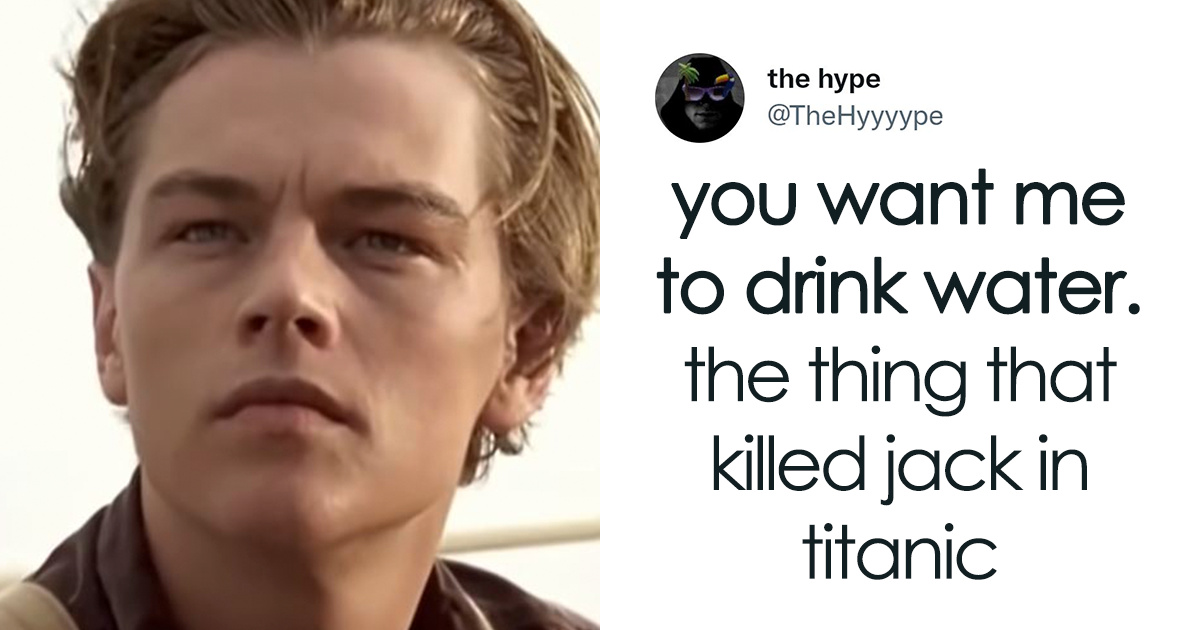
The trend is commonly known as the “You Want Me To” meme or the “That Thing That Killed” trend. The basic structure is beautifully simple: someone suggests a normal task, and the reply links that task to a famous tragedy, fictional death, historical disaster, or pop culture meltdown. The joke works because the logic is technically connected, emotionally ridiculous, and delivered with the dead-serious confidence of a person refusing to answer one email because “communication started every war.”
What Is the “You Want Me To” Trend?
The format usually begins with a phrase like, “You want me to…” followed by an everyday activity. Then comes the punchline: “The thing that killed…” or “The thing that caused…” The magic is in the leap. The activity itself is harmless, but the meme treats it like a cursed object from a horror franchise.
For example, instead of saying, “I don’t want to attend a meeting,” the meme might say, “You want me to go to a meeting? The thing that got Julius Caesar stabbed?” It is not a legal argument. It is not a medical warning. It is a joke wearing a tiny academic hat.
The trend became popular because it has three things the internet loves: a repeatable format, endless room for pop culture references, and just enough fake logic to make people snort into their coffee. It also fits perfectly into Twitter/X culture, where short-form jokes thrive because they reward speed, surprise, and shared references.
Why This Meme Format Is So Funny
It Turns Normal Life Into Fake Danger
The funniest part of the trend is how it treats ordinary life like a suspiciously written prophecy. Cooking dinner becomes risky because dinner parties have gone badly in literature, religion, and every prestige TV show ever made. Taking a walk becomes questionable because “outside” is where most plot complications live. Answering the phone becomes an act of courage because horror movies have trained us to fear landlines, unknown numbers, and anything that rings after midnight.
It Uses Absurd Cause and Effect
The humor depends on a false connection. Water did not personally sit down and plan Jack Dawson’s fate. Meetings did not invent betrayal. Space did not file paperwork against astronauts. But the meme pretends the connection is obvious, which makes the punchline funnier. It is exaggeration with a straight face.
It Rewards People Who Know the Reference
Like many viral memes, this trend becomes more satisfying when readers recognize the source. A history nerd gets the Caesar joke. A movie fan catches the Scream or Titanic reference. A sitcom fan may spot a deep-cut line and feel briefly superior, which is one of the internet’s most renewable energy sources.
30 Original Tweet-Style Examples of the Trend
- You want me to answer the phone? The device that started every scary movie problem since 1996?
- You want me to drink water? The substance that made the Titanic situation extremely moist?
- You want me to attend a meeting? The group activity that did not work out for Julius Caesar?
- You want me to go outside? The place where plot twists happen without Wi-Fi?
- You want me to date? The activity that gave half of pop music its legal department?
- You want me to wear a ring? The tiny circle that ruined several Middle-earth travel plans?
- You want me to open a door? The thing horror movies specifically told me not to do?
- You want me to write an essay? The task that has humbled students, philosophers, and my will to live?
- You want me to send an email? The thing that creates “per my last email” villains?
- You want me to drive? The activity that turns GPS into a judgmental life coach?
- You want me to cook? The thing that made every smoke alarm become a music critic?
- You want me to go camping? The vacation format where bears are technically locals?
- You want me to try yoga? The thing that made my hamstrings submit a formal complaint?
- You want me to clean my room? The activity that uncovers receipts from a previous civilization?
- You want me to trust stairs? The architectural feature that has been beefing with ankles forever?
- You want me to make plans? The thing that immediately summons a better plan five minutes later?
- You want me to drink coffee? The bean water that made my left eye learn Morse code?
- You want me to check my bank account? The app that turns brunch into a financial thriller?
- You want me to take a nap? The activity that turns 20 minutes into the year 2031?
- You want me to read terms and conditions? The ancient scroll that no mortal has survived emotionally?
- You want me to buy furniture online? The thing that makes adults debate chair legs at 1 a.m.?
- You want me to fold laundry? The chore that creates one sock widower per household?
- You want me to parallel park? The public performance that made mirrors feel inadequate?
- You want me to join a group chat? The digital swamp where notifications go to reproduce?
- You want me to eat one chip? The opening statement of every snack-based crime scene?
- You want me to update my phone? The thing that relocates every button I ever trusted?
- You want me to smile for a photo? The command that turns my face into a confused tax form?
- You want me to be productive? The lifestyle that made calendars think they own us?
- You want me to go to brunch? The meal that made eggs cost rent?
- You want me to relax? The instruction that instantly makes relaxing impossible?
Why the Trend Spread So Fast
Viral meme formats succeed when they are easy to understand, easy to remix, and flexible enough for different communities. This trend checks every box. You can make it about movies, history, music, school, office life, parenting, dating, fitness, politics, or the emotional hazard known as “checking one more notification.”
It also fits the rhythm of online humor. The setup is short. The punchline lands quickly. The reader gets a tiny puzzle and a reward at the same time. First, they ask, “What dangerous outcome could possibly be connected to drinking water?” Then the reference appears, and the brain goes, “Oh no. That is stupid. I love it.”
Another reason the meme works is that it gives people permission to be dramatic about tiny inconveniences. Nobody truly believes sending an email is dangerous. But after a long week, it can feel dangerous spiritually. The meme turns that feeling into a shared joke. It says, “Yes, your ordinary resistance to ordinary tasks is ridiculous. Also, we understand.”
The Psychology Behind the Joke
Humor often comes from incongruity: two ideas that should not belong together suddenly collide. In this trend, the collision is between a harmless request and an extreme consequence. That gap creates surprise, and surprise is where the laugh lives.
There is also a coping element. People use jokes to make daily stress feel smaller. Work tasks, social expectations, chores, and appointments can become overwhelming when they pile up. A meme can turn that pressure into something playful. Instead of saying, “I am tired and overwhelmed,” someone can joke, “You want me to reply to this email? The thing that began my villain origin story?” It is silly, but it gives the feeling a shape.
How to Make Your Own “You Want Me To” Tweet
The best versions follow a simple recipe. First, choose a boring activity: walking, calling, working, reading, cleaning, cooking, driving, dating, or opening a message. Second, connect it to a famous bad outcome. Third, deliver the line as if you have discovered an airtight reason to avoid responsibility forever.
Formula
You want me to [ordinary activity]? The thing that [famous dangerous, tragic, chaotic, or dramatic outcome]?
The trick is not to explain too much. A great meme leaves a little space for the reader to connect the dots. If you have to write a footnote, the joke may need a shorter staircase.
Why “Everyday Activities With Dangerous Outcomes” Feels So Relatable
Modern life is full of tiny obligations that pretend to be simple. A quick call becomes 40 minutes. A simple grocery run becomes a parking-lot endurance test. “Let’s just meet for coffee” becomes calendar negotiation worthy of a peace treaty. This meme exaggerates that feeling until it becomes absurd.
That is why people love it. The joke is not really about danger. It is about resistance. It is about wanting to say no to the small demands of life without sounding unreasonable. The trend gives us a fake reason, a funny reference, and a dramatic exit.
Experience Section: What This Trend Says About Everyday Life Online
The best thing about this trend is that it captures a very specific online mood: we are all tired, overstimulated, and somehow still capable of making jokes about it. The internet has become the place where people take tiny daily frustrations and turn them into miniature comedy routines. That is why a meme about dangerous outcomes attached to everyday activities feels so satisfying. It turns “I do not want to do this” into a theatrical performance.
Think about the average day. You wake up and your phone already has opinions. There are messages to answer, tasks to complete, appointments to remember, dishes reproducing in the sink, and one mysterious piece of mail that looks important but also emotionally expensive. You could handle these things calmly. Or you could respond like a meme: “You want me to open mail? The thing that brings bills?” Suddenly, the task is still there, but at least it has been insulted properly.
This style of humor also makes people feel seen. Everyone has a different “ordinary activity” they secretly treat like a boss battle. For some people, it is making a phone call. For others, it is going to the gym, attending a family dinner, checking their credit card balance, or joining a video meeting where the first five minutes are devoted to asking, “Can you hear me?” The meme works because it lets each person plug in their own tiny nightmare.
It also reflects how deeply pop culture shapes the way people communicate. We do not just say we dislike meetings; we reference Caesar. We do not just say phone calls are scary; we remember horror movies. We do not just say rings are intense; we mentally travel to Mordor. This is how internet language works now. A meme can compress a complaint, a cultural reference, and a punchline into one sentence. It is efficient, chaotic, and somehow more useful than half the productivity apps on my phone.
There is a social comfort in it, too. When someone posts one of these jokes, other people instantly start adding their own versions. The format becomes a game. The replies become a comedy writers’ room where nobody was hired and everyone is avoiding laundry. That collaborative energy is what keeps meme culture alive. One person starts with a funny structure, and thousands of people personalize it until the joke belongs to everyone.
In real life, we probably should drink water, answer important calls, go outside sometimes, and attend meetings when absolutely necessary. But online, for one brief glowing moment, we can pretend that every basic responsibility is suspicious. We can turn chores into cinema, errands into mythology, and mild inconvenience into dramatic evidence. That is the joy of the “You Want Me To” trend: it lets everyday life be ridiculous on purpose.
Conclusion
The “You Want Me To” trend proves that the internet does not need complicated tools to make people laugh. Sometimes all it takes is one simple sentence structure, a familiar reference, and the confidence to blame a normal activity for a wildly unrelated disaster. The format is funny because it is dramatic, flexible, and instantly understandable. It turns daily life into mock danger and gives people a playful way to say, “No thanks, I have seen how this ends.”
Whether the joke is about water, meetings, emails, dating, phone calls, or the emotional obstacle course known as brunch, the trend works because it exaggerates something real: everyday tasks can feel absurdly heavy. By connecting them to dangerous outcomes, people make that heaviness laughable. And honestly, laughter may be the safest dangerous activity we have.