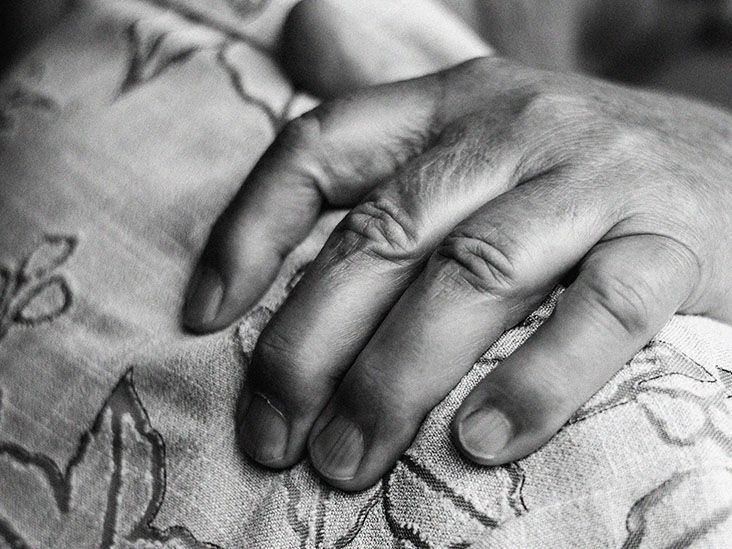

Osteoarthritis rarely announces itself with fireworks. It usually enters the room like a cat: quietly, slowly, and with just enough attitude to make you wonder if something is different. One day your knee feels a little cranky after stairs. Your fingers seem stiff when opening a jar. Your hip complains after a long walk, even though it used to be a perfectly polite joint. These early clues are easy to blame on age, exercise, weather, “sleeping funny,” or the mysterious medical condition known as “I probably overdid it yesterday.”
But the earliest symptoms of osteoarthritis matter because catching the pattern early can help you protect your joints, reduce pain, stay active, and avoid turning small warning signs into a daily negotiation with your own skeleton. Osteoarthritis, often shortened to OA, is the most common form of arthritis. It happens when tissues inside a joint gradually change over time, including cartilage, bone, ligaments, joint lining, and nearby muscles. Although people often call it “wear and tear,” OA is more complicated than that. It is not simply your body expiring like an old coupon. It involves mechanical stress, inflammation, previous injuries, genetics, body weight, muscle strength, and how a joint has been used over many years.
This guide explains the first signs of osteoarthritis, how they feel in real life, which joints are commonly affected, when to call a healthcare professional, and what early action can do. The goal is not to panic over every pop and click. Human joints make noise; they are not luxury sedans. The goal is to understand which symptoms deserve attention.
What is osteoarthritis?
Osteoarthritis is a chronic joint condition in which the structures inside a joint gradually become irritated, damaged, or less able to move smoothly. Cartilage, the slippery cushioning tissue at the ends of bones, can thin or break down. The bone beneath it may change. The joint lining can become inflamed. The muscles around the joint may weaken. Over time, these changes can lead to joint pain, stiffness, swelling, reduced range of motion, tenderness, grinding sensations, and changes in joint shape.
OA most often affects the knees, hips, hands, spine, and feet. It can affect one joint or several, and symptoms can vary dramatically from person to person. Some people have X-ray changes but very little pain. Others have mild imaging findings but very real discomfort. In other words, your joint does not always send a perfectly written status report. Symptoms, function, and medical evaluation all matter.
The earliest symptoms of osteoarthritis
The first symptoms are often subtle. They may come and go. They may appear after certain activities, improve with rest, and return when you repeat the same movement. Early OA is less like a light switch and more like a dimmer switch: gradually noticeable, sometimes ignored, occasionally annoying, and eventually hard to deny.
1. Joint pain during or after movement
The most common early symptom of osteoarthritis is joint pain. In the beginning, the pain often appears during activity or after using the joint more than usual. A knee may ache after climbing stairs. A hip may hurt after a long grocery trip. Fingers may feel sore after gardening, typing, cooking, or gripping tools. The discomfort may fade with rest, which is one reason many people delay getting help.
Early OA pain is often described as a deep ache rather than a sharp, dramatic pain. It may feel like the joint is “tired,” “heavy,” or “not moving right.” In weight-bearing joints such as the knees and hips, pain may show up after walking, standing, squatting, or getting up from a chair. In the hands, it may appear after pinching, twisting lids, or using small tools. The key pattern is repetition: the same joint complains after the same types of use.
2. Stiffness after rest
Another early sign is joint stiffness, especially after waking up or sitting still for a while. This is sometimes called “gelling,” which sounds like a beauty product but feels more like your joint briefly forgot its job description. You may notice stiffness when getting out of bed, standing after a movie, leaving a car after a long drive, or rising from your desk.
With osteoarthritis, morning stiffness usually improves fairly quickly once you start moving. It often lasts less than 30 minutes. That detail matters because prolonged morning stiffness, especially lasting an hour or more, can suggest inflammatory arthritis such as rheumatoid arthritis and should be evaluated. OA stiffness tends to be shorter, more mechanical, and linked to inactivity.
3. A small loss of flexibility
One of the sneakiest early symptoms is reduced range of motion. You may not notice it as pain at first. Instead, a movement simply becomes harder. Maybe you cannot bend your knee as comfortably. Maybe your hip feels tight when tying shoes. Maybe your fingers do not close as easily around a mug. Maybe turning your neck while backing out of a parking spot requires a little more strategy than it used to.
Loss of flexibility can happen gradually because the joint is irritated, the surrounding muscles tighten, or the joint surfaces are not gliding as smoothly. People often compensate without realizing it. They use the other hand, avoid stairs, stop kneeling, buy slip-on shoes, or declare that sitting on the floor is “for young people and yoga instructors.” Compensation may help in the short term, but it can also hide symptoms until they become more limiting.
4. Mild swelling around the joint
Early osteoarthritis can cause mild swelling. The swelling may be soft, from extra joint fluid, or firmer if bony changes develop over time. In the knee, swelling may make the joint feel full or tight. In the fingers, small bony enlargements may eventually appear near the end joints or middle joints. Swelling may come and go depending on activity.
Swelling is not always dramatic. It may not look like a balloon. Sometimes it is just enough to make a ring feel tighter, a knee feel puffy, or a joint feel slightly warm after heavy use. Persistent, sudden, red, hot, or severe swelling should be checked promptly because infection, gout, injury, and inflammatory arthritis can also cause swollen joints.
5. Tenderness when pressing near the joint
A joint affected by early OA may feel tender when you press on it or near it. This can happen around the knee joint line, at the base of the thumb, along finger joints, or near the hip and lower back. Tenderness can be mild enough that you only notice it when kneeling, leaning, gripping, or bumping the area.
Tenderness is a useful clue because it shows the issue is local. For example, if one thumb joint hurts when opening jars and feels tender at the base, early thumb osteoarthritis may be part of the picture. If both hands are swollen, warm, and stiff for a long time every morning, the pattern may point elsewhere and deserves medical evaluation.
6. Grinding, clicking, cracking, or popping
Many people first wonder about osteoarthritis because their joint starts making sound effects. OA can cause a grating, crackling, popping, or grinding sensation called crepitus. It may happen when bending the knee, rotating the shoulder, moving the neck, or climbing stairs.
Important caveat: noise alone does not automatically mean osteoarthritis. Plenty of healthy joints click. Tendons can snap gently over bony areas. Gas bubbles can pop inside joint fluid. Your knees may simply be auditioning for a percussion section. However, joint noise becomes more meaningful when it comes with pain, swelling, stiffness, reduced motion, or a feeling that the joint is catching or giving way.
7. Symptoms that improve with rest but return with activity
Early osteoarthritis often follows a predictable rhythm: use the joint, feel discomfort; rest the joint, feel better; use it again, symptoms return. This pattern is especially common in the knees and hips. Someone may walk comfortably for 10 minutes but ache after 30. They may handle one flight of stairs but regret three. They may garden for an hour and then discover that their knees have filed a formal complaint.
This activity-related pattern is one reason early OA can be managed effectively. If symptoms are noticed early, a healthcare professional or physical therapist can often recommend strengthening, pacing, footwear changes, weight management if appropriate, and joint-friendly exercise before the joint becomes severely irritated.
Early symptoms by joint
Knee osteoarthritis
Early knee OA may cause aching after stairs, squats, kneeling, running, or long walks. The knee may feel stiff after sitting, mildly swollen after activity, or noisy when bending. Some people feel pain along the inside of the knee. Others notice the knee does not feel as strong or stable as before.
Hip osteoarthritis
Hip OA can be tricky because pain is not always felt directly on the outside of the hip. Early symptoms may include groin pain, thigh pain, buttock discomfort, or pain that seems to travel toward the knee. People may notice trouble putting on socks, getting into a car, walking uphill, or standing after sitting. A limp may appear gradually.
Hand and finger osteoarthritis
Hand OA often begins with aching, stiffness, or tenderness in the finger joints or at the base of the thumb. Tasks that require pinching or gripping may become uncomfortable, such as turning keys, opening jars, buttoning clothes, or using scissors. Over time, bony bumps can form in finger joints, but early symptoms may be mostly soreness and stiffness.
Spine osteoarthritis
OA in the neck or lower back may cause stiffness, aching, and reduced motion. If bony changes irritate nearby nerves, symptoms can include numbness, tingling, or pain traveling into an arm or leg. Those symptoms should be evaluated, especially if they are persistent, worsening, or associated with weakness.
How osteoarthritis feels different from normal soreness
Normal soreness usually has a clear cause: a new workout, heavy lifting, a long hike, or helping a friend move a sofa that was definitely “not that heavy” until the stairs appeared. It improves over a few days and does not keep returning in the same joint after routine activity.
Early osteoarthritis is more repetitive. The same joint acts up again and again. The discomfort may be mild, but it becomes predictable. It may show up after ordinary activities that did not used to bother you. It may come with stiffness after rest, mild swelling, tenderness, or a grinding feeling. The pattern is the clue.
Risk factors that make early symptoms more suspicious
Anyone can develop osteoarthritis, but certain factors increase the likelihood. Age is one, but OA is not limited to older adults. Previous joint injury, repetitive stress, obesity, family history, joint misalignment, weak supporting muscles, physically demanding work, and some sports histories can all raise risk. Women are more likely to develop OA in some joints, especially after midlife.
For example, a former soccer player with a past knee injury who develops recurring knee stiffness after activity should take the symptom seriously. A person with a family history of hand OA who develops thumb-base pain while gripping should pay attention. A warehouse worker whose hip aches after long shifts may benefit from early evaluation, not just a heroic amount of denial and extra coffee.
When should you see a doctor?
Consider seeing a healthcare professional if joint pain, stiffness, or swelling lasts more than a few days, keeps coming back, interferes with daily activities, or changes how you walk, grip, sleep, work, or exercise. You should seek prompt care for sudden severe joint pain, major swelling, redness, warmth, fever, inability to bear weight, new weakness, numbness, or symptoms after an injury.
A clinician may diagnose osteoarthritis through your symptom history, physical exam, range-of-motion testing, and sometimes imaging such as X-rays. Blood tests are not used to diagnose OA directly, but they may help rule out other conditions when symptoms suggest inflammatory arthritis, infection, or gout.
What helps when symptoms are caught early?
Early osteoarthritis management usually focuses on keeping the joint moving, improving strength, reducing strain, and controlling pain. Low-impact exercise can help maintain mobility and support the joint. Walking, cycling, swimming, water exercise, and gentle strength training are common options. A physical therapist can tailor exercises to the affected joint and teach safer movement patterns.
Weight management can reduce stress on weight-bearing joints such as the knees and hips. Supportive shoes, braces, splints, ergonomic tools, pacing strategies, heat for stiffness, cold for swelling, and topical pain relievers may also help. Over-the-counter medicines such as acetaminophen or NSAIDs may be useful for some people, but they are not safe for everyone, especially people with kidney disease, stomach ulcers, heart disease, blood thinner use, or certain other medical conditions. A healthcare professional can help choose the safest plan.
The biggest early mistake is total rest. Rest may calm a flare, but avoiding movement for too long can weaken muscles and increase stiffness. Joints generally prefer smart motion. Think of it as negotiating with your body: not boot camp, not couch exile, but steady, joint-friendly movement.
Common myths about early osteoarthritis
Myth: “It only happens to old people.”
OA becomes more common with age, but younger adults can develop it, especially after joint injuries, repetitive stress, obesity, or high-impact activity over time.
Myth: “If it clicks, it must be arthritis.”
Not necessarily. Clicking without pain or swelling is often harmless. Clicking with pain, stiffness, swelling, or reduced movement is more concerning.
Myth: “Exercise will wear the joint out faster.”
Appropriate exercise usually helps OA by strengthening muscles, improving flexibility, and supporting joint function. The right exercise matters; a painful joint may not appreciate sudden marathon training as a surprise gift.
Myth: “Nothing can be done until it is severe.”
Early action can reduce symptoms, improve function, and help people stay active. OA may not have a cure, but it has many management options.
Real-life experiences: what early osteoarthritis can feel like
One of the most common experiences people describe is the “I thought it was nothing” phase. A person with early knee osteoarthritis might first notice discomfort after taking stairs at work. At first, it happens only on busy days. Then it appears after grocery shopping, long walks, or standing in the kitchen. The pain is not dramatic. It is not the kind of pain that makes movie characters clutch their leg in slow motion. It is more like a dull reminder: “Hello, this knee would like to speak to management.”
Another common story involves stiffness after rest. Someone may sit through a long meeting, stand up, and need a few awkward steps before moving normally. They may joke that they are “warming up like an old lawn mower.” After walking for a minute, the stiffness improves, so they dismiss it. But when the same thing happens every morning or after every car ride, it may be an early OA clue.
Hand osteoarthritis often begins with small frustrations. A person may notice that opening jars takes more effort. Turning a key may pinch at the base of the thumb. Chopping vegetables may leave finger joints sore. At first, these symptoms may seem like weakness or clumsiness. People adapt by asking someone else to open the jar, buying easier kitchen tools, or pretending the jar was “sealed by a professional wrestler.” These adaptations are practical, but the repeated pattern matters.
Hip osteoarthritis can feel especially confusing. Many people expect hip pain to appear on the outside of the hip, but early hip OA may show up as groin pain, thigh aching, buttock discomfort, or even knee-area pain. A person may notice trouble putting on socks, getting in and out of a low car, or walking longer distances. Because the pain location is not obvious, people may blame muscles, posture, or aging before considering the hip joint.
Some people first notice early OA through changes in confidence. They hesitate before stepping off a curb. They avoid kneeling because getting up is annoying. They choose elevators over stairs, not because they cannot climb stairs, but because stairs now come with consequences. They may stop walking with friends because they worry about slowing the group down. These small lifestyle changes can quietly shrink activity levels, which may worsen stiffness and muscle weakness over time.
A useful personal strategy is to keep a symptom diary for two weeks. Write down which joint hurts, what activity came before it, how long stiffness lasts, whether swelling appears, and what helps. Patterns often become clearer on paper. For instance: “right knee aches after stairs,” “thumb hurts after cooking,” or “hip stiff after sitting more than 30 minutes.” This information can help a clinician or physical therapist understand what is happening faster.
Another helpful experience-based lesson is that early care does not have to be dramatic. Many people improve with modest changes: strengthening exercises, better shoes, shorter but more frequent walks, weight loss when needed, pacing heavy tasks, using jar openers, applying heat before activity, icing after swelling, or learning proper movement mechanics. These changes may sound simple, but simple is not the same as weak. A well-timed exercise plan can be more useful than waiting until pain becomes the boss of your calendar.
The emotional side matters too. Early osteoarthritis can feel frustrating because it challenges a person’s identity. Runners, gardeners, builders, caregivers, musicians, cooks, and active grandparents may worry that joint pain means giving up what they love. In many cases, the better goal is not quitting life; it is modifying the approach. That may mean lower-impact training, adaptive tools, rest breaks, physical therapy, or new routines that protect the joint while preserving independence.
The best experience-based advice is this: do not ignore a joint that keeps telling the same story. A single sore day is normal. A recurring pattern is information. Your body may not use PowerPoint, but it does make presentations.
Conclusion
The earliest symptoms of osteoarthritis are usually joint pain with activity, stiffness after rest, mild swelling, tenderness, reduced flexibility, and sometimes grinding or crackling sensations. These signs often develop slowly and may come and go at first. The sooner you recognize the pattern, the sooner you can take practical steps to protect your joints, stay active, and manage symptoms. Osteoarthritis is common, but it should not be dismissed as “just getting older.” If a joint repeatedly hurts, stiffens, swells, or limits your daily life, it deserves attention. Early action is not overreacting; it is maintenance. Even your joints appreciate good customer service.