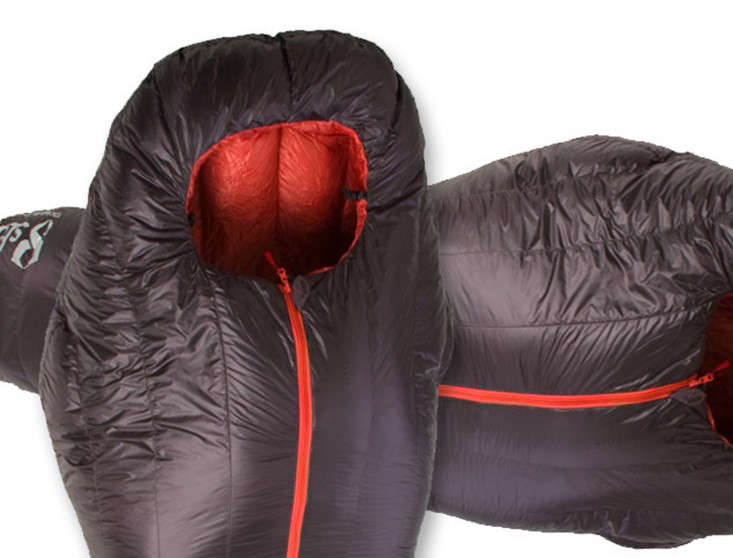

The Stoic Somnus 15 Sleeping Bag is one of those pieces of backpacking gear that sounds like it was named by a philosopher who also enjoys alpine starts. “Stoic” suggests emotional toughness. “Somnus” means sleep. Put them together and you get a sleeping bag that basically says, “Yes, the mountain is cold, but please stop complaining and go to bed.”
In practical terms, the Stoic Somnus 15 is a 15-degree down mummy sleeping bag designed for camping, backpacking, and shoulder-season outdoor trips where warmth, packability, and weight matter. It has been listed with premium down insulation, a lightweight Pertex-style shell, a mummy shape, a compact stuff size, and a claimed weight around 975 grams, or about 2 pounds 1 ounce. That puts it in the serious three-season category: warmer than a casual summer bag, lighter than many bulky cold-weather bags, and compact enough to earn space in a backpack without starting a family argument with your tent.
This in-depth guide looks at what the Stoic Somnus 15 Sleeping Bag offers, who it is best for, what its specifications mean in real-world use, and how to get the most comfortable night out of it. Because a good sleeping bag does not just help you survive the night. It helps you wake up with enough personality left to enjoy the trail.
What Is the Stoic Somnus 15 Sleeping Bag?
The Stoic Somnus 15 Sleeping Bag is a down-insulated mummy bag rated to 15°F. It was built for outdoor users who want a warm, compressible, relatively lightweight sleeping bag for backpacking, camping, and mountain travel. Its design focuses on three things that matter when the temperature drops: loft, fit, and heat retention.
Unlike rectangular car-camping bags that are roomy enough to host a small committee meeting, the Somnus 15 uses a mummy shape. That means it narrows around the legs and feet, hugs the body more efficiently, and reduces empty air space. Less empty space means your body does not have to work as hard to warm the inside of the bag. It is not quite hotel-suite spacious, but that is the point. In the backcountry, wasted space is often wasted warmth.
The bag has commonly been listed with a long fit for users up to 6 feet 6 inches, a shoulder girth around 66 inches, hip girth around 52 inches, and foot girth around 30 inches. These numbers matter because sleeping bag comfort is not only about temperature. It is also about whether you can turn, breathe, and avoid feeling like a burrito that made poor life choices.
Key Specifications of the Stoic Somnus 15 Sleeping Bag
Temperature Rating: 15°F
The headline feature is the 15°F temperature rating. This places the Stoic Somnus 15 in the range many backpackers consider useful for cool spring trips, chilly fall nights, alpine summer conditions, and mild winter camping when paired with the right sleeping pad and clothing.
However, temperature ratings deserve a little respect and a little suspicion. Modern sleeping bag ratings are often tested under standardized conditions, but real outdoor comfort depends on many variables: your metabolism, your sleeping pad, wind, humidity, campsite choice, base layers, food intake, and whether you went to bed already cold. A 15-degree sleeping bag is not a magic force field. It is part of a sleep system.
Insulation: High-Fill Down
The Somnus 15 has been associated with high-quality down insulation, commonly listed as 800-fill down, with some older references describing 850-fill versions. Down fill power measures how much loft one ounce of down can produce. Higher fill power generally means better warmth for the weight and better compressibility.
In plain English: high-fill down is fluffy, efficient, and pack-friendly. It traps warm air without requiring a sleeping bag the size of a couch cushion. That is why down remains popular among backpackers who care about carrying less weight while still sleeping warmly.
Shell Material: Quantum Pertex / Pertex-Style Lightweight Fabric
The shell has been listed as Quantum Pertex, a lightweight fabric family known for being soft, downproof, and designed to let insulation loft efficiently. A good shell fabric matters because down needs room to expand. If the shell is too heavy, restrictive, or poorly constructed, the insulation cannot do its job as well.
Pertex-style fabrics are often used in technical sleeping bags and insulated jackets because they balance low weight with wind resistance and packability. Translation: the shell helps keep the fluff where it belongs and the cold air where it can mind its own business.
Shape: Mummy
The mummy shape is one of the main reasons the Stoic Somnus 15 Sleeping Bag can stay warm without becoming excessively heavy. By contouring around the body, it reduces the amount of air you need to heat. The tradeoff is that some sleepers, especially side sleepers or restless rotisserie-style sleepers, may find it less spacious than a rectangular bag.
Weight and Packed Size
The claimed weight is around 975 grams, or roughly 2 pounds 1 ounce. Its listed stuff size is about 8 by 8 inches, making it reasonably compact for a 15°F down sleeping bag. For backpacking, that is a meaningful advantage. A sleeping bag is one of the “big three” items in your pack, along with your shelter and backpack. Saving weight here can make long climbs feel less like unpaid labor.
Why the Stoic Somnus 15 Works Well for Backpacking
A backpacking sleeping bag must do several jobs at once. It should keep you warm, compress small, weigh as little as possible, breathe well, and survive repeated packing. The Stoic Somnus 15 Sleeping Bag checks many of those boxes because of its down insulation, mummy cut, and lightweight shell.
For backpackers, the real appeal is the warmth-to-weight ratio. A synthetic 15°F bag can be durable and better in wet conditions, but it is usually bulkier and heavier than a comparable down bag. The Somnus 15 leans toward efficiency. It is designed for people who count ounces, study trail maps, and somehow believe that walking uphill with snacks is a vacation.
The compact packed size also helps when using smaller backpacking packs. If your sleeping bag eats half your pack volume, every other item becomes a negotiation. A compressible down bag gives you more space for layers, food, rain gear, and the emergency chocolate that is not actually for emergencies.
Warmth: What 15°F Really Means
A 15°F rating sounds straightforward, but sleeping bag warmth is more personal than a coffee order. Some people sleep hot and unzip their bag at freezing temperatures. Others wear a beanie indoors and consider 68°F a polar expedition. The Stoic Somnus 15 gives you a strong baseline for cold nights, but comfort depends on how you build the rest of your sleep system.
The sleeping pad is especially important. A sleeping bag insulates you from the air, but the ground steals heat from below. If you pair a warm bag with a low-insulation pad, you can still feel cold because compressed down underneath your body provides little warmth. For colder trips, use an insulated sleeping pad with an appropriate R-value. The warmer the pad, the better your bag can perform near its rating.
Base layers also help. Dry socks, thermal underwear, and a warm hat can dramatically improve comfort. Avoid climbing into the bag wearing damp hiking clothes. Moisture is a professional warmth thief. It sneaks in quietly and ruins the party.
Comfort and Fit
The Stoic Somnus 15 Sleeping Bag is relatively roomy for a mummy bag, especially in the long version. The 66-inch shoulder girth gives many users enough space to shift positions without feeling completely pinned. That said, it is still a mummy bag, not a queen bed with decorative pillows.
Back sleepers will likely find the design efficient and cozy. Side sleepers may appreciate the extra shoulder space, though they should still expect the tapered shape to feel more restrictive than a semi-rectangular bag. Taller campers are one of the groups that may find the long sizing especially helpful, since a max user height of 6 feet 6 inches is generous compared with many regular-length backpacking bags.
Fit matters for warmth. A bag that is too tight compresses insulation and creates cold spots. A bag that is too large leaves empty space your body must heat. The Somnus 15 sits in a useful middle zone for people who want warmth without feeling fully shrink-wrapped.
Best Uses for the Stoic Somnus 15 Sleeping Bag
Three-Season Backpacking
The Somnus 15 is best suited for backpackers who expect cool nights and want extra warmth beyond a typical 30°F summer bag. It is a good match for spring and fall trips, high-elevation summer routes, and mountain environments where nighttime temperatures can drop quickly.
Shoulder-Season Camping
For campers who refuse to retire their tent after Labor Day, a 15-degree down bag can make shoulder-season trips much more comfortable. The Somnus 15 is warm enough for crisp mornings, frost on the tent, and those nights when the weather forecast says “low of 32” but the mountain says, “Cute guess.”
Light Mountaineering and Alpine Travel
The listed recommended uses include camping, backpacking, and mountaineering. For alpine travel, its low weight and compact design are helpful. Still, users planning true winter expeditions or severe alpine conditions should consider whether a warmer bag, a more robust weather-resistant shell, or a complete winter sleep system is necessary.
Strengths of the Stoic Somnus 15 Sleeping Bag
Excellent Warmth-to-Weight Ratio
The combination of high-fill down and a lightweight shell gives the Somnus 15 one of its biggest advantages: warmth without excessive bulk. At around 975 grams, it offers serious cold-weather capability while remaining backpacking-friendly.
Packability
Down compresses better than most synthetic insulation, and the Somnus 15 benefits from that. The listed 8-by-8-inch stuff size makes it easy to fit into a pack, especially when compared with bulkier budget sleeping bags.
Tall-Friendly Sizing
The long version’s listed max user height of 6 feet 6 inches is a major plus. Many sleeping bags become awkward for taller users, forcing them to choose between cold feet and sleeping diagonally like a confused compass needle. The Somnus 15 gives tall campers a better shot at full-length comfort.
Efficient Mummy Design
The mummy shape improves thermal efficiency by reducing dead air space. When temperatures drop, that design choice matters. It is not the roomiest style, but it is one of the most effective for staying warm on backpacking trips.
Possible Drawbacks to Consider
Down Requires Moisture Management
Down is wonderfully warm and compressible, but it does not love moisture. If down gets wet, it loses loft and warmth until properly dried. The shell fabric may help shed light moisture, but users should still protect the bag from rain, condensation, and wet gear.
Availability May Be Limited
The Stoic Somnus 15 has appeared as an out-of-stock or older product in some listings. Buyers may need to find it used, discounted, or through secondary gear markets. That makes it important to inspect condition carefully, especially loft, zipper function, shell wear, and odor.
No Sleeping Bag Works Alone
Even a warm 15°F down bag needs a proper sleeping pad, dry clothing, and smart campsite selection. If you sleep directly on cold ground with a thin pad, the Somnus 15 cannot rewrite the laws of thermodynamics. It may be named Stoic, but physics remains emotionally unavailable.
How to Use the Stoic Somnus 15 for the Best Sleep
First, shake the bag out after unpacking it. Down needs time to loft. If you pull it from the stuff sack and immediately crawl inside, you are not giving the insulation its best chance to trap air. Let it expand while you cook dinner, filter water, or pretend your dehydrated meal tastes exactly like restaurant food.
Second, use an insulated sleeping pad. For cold nights, a pad with a higher R-value helps prevent heat loss to the ground. This is one of the most common reasons people feel cold in a sleeping bag that should be warm enough.
Third, sleep in dry layers. A clean base layer, dry socks, and a beanie can make a big difference. Avoid overdressing to the point where you sweat, because moisture inside the bag can reduce comfort. Warm and dry is the goal. Sweaty and trapped is not a premium experience.
Fourth, keep the bag protected. Use a waterproof pack liner or dry bag if rain is possible. In camp, keep the bag away from tent-wall condensation. A down bag is an investment, and it deserves better than being used as a sponge with a zipper.
Care and Storage Tips
Never store the Stoic Somnus 15 compressed for long periods. Stuff sacks are for travel, not retirement. At home, store the bag loose in a breathable storage sack or hang it in a dry closet. Long-term compression can reduce loft, and loft is the whole reason down works so well.
Wash the bag only when needed, using a down-specific cleaner and a front-loading washer or large laundromat machine. Avoid top-loading machines with center agitators because they can damage delicate shell fabrics. Dry the bag thoroughly on low heat, using dryer balls to help break up down clumps. The drying process can take hours, but patience here protects the insulation.
Between washes, air the bag out after trips. Turn it inside out if needed and let moisture escape. A sleeping bag that smells like campfire, socks, and regret is trying to tell you something.
Who Should Buy the Stoic Somnus 15 Sleeping Bag?
The Stoic Somnus 15 Sleeping Bag is best for backpackers and campers who want a warm, compact down mummy bag for cool-weather trips. It is especially attractive for users who find it at a good price and want premium-style features without paying the highest modern ultralight prices.
It is a strong fit for hikers who camp in spring, fall, or high mountains; taller users who need a long sleeping bag; backpackers who value low weight and packability; and campers who understand how to care for down. It is less ideal for users who often camp in wet climates without reliable shelter, people who dislike mummy bags, or anyone who wants a roomy rectangular bag for casual car camping.
Stoic Somnus 15 vs. Modern 15-Degree Sleeping Bags
Compared with many modern 15-degree backpacking sleeping bags, the Somnus 15 still looks competitive in several categories. Its high-fill down, sub-2.5-pound weight class, and compact size remain appealing. Today’s premium bags may offer updated down treatments, more precise ISO testing, refined hood designs, draft collars, anti-snag zippers, and sustainability certifications, but the basic formula of the Somnus 15 remains solid: good down, efficient shape, light shell, trail-ready warmth.
If shopping used, compare it with current models from brands such as REI Co-op, NEMO, Mountain Hardwear, Sea to Summit, Kelty, and Feathered Friends. Look at temperature rating, fill power, fill weight, total weight, packed volume, condition, and price. A well-kept Somnus 15 can still be a smart buy, but a flattened or poorly stored down bag is not a bargain. It is just a cold lesson with a zipper.
Real-World Experience: What It Feels Like to Use the Stoic Somnus 15 Sleeping Bag
The experience of using a bag like the Stoic Somnus 15 begins before bedtime. You reach camp, pull the compressed bundle from your pack, and the first satisfying moment is watching the down slowly puff back to life. At first it looks modest, almost too small to be trusted. Then the baffles rise, the shell rounds out, and the bag starts looking less like a nylon tube and more like your tiny portable bedroom.
On a cool evening, the mummy shape feels immediately purposeful. You slide in, pull the hood around your head, and notice how quickly the interior begins to warm. A good down bag has a different feel from a bulky synthetic one. It is lighter over the body, softer when it lofts, and less like sleeping under a pile of laundry. The Somnus 15 has that efficient warmth that makes you understand why backpackers keep talking about fill power at dinner as if it were a personality trait.
The best nights with a 15-degree down bag usually happen when the full sleep system is dialed in. Picture a dry base layer, a warm sleeping pad, a sheltered campsite, and a small snack before bed. The temperature drops, condensation gathers on the tent fly, and the outside world becomes quiet except for wind moving through trees. Inside the bag, the warmth builds gradually. Not furnace-hot, not sweaty, just steady. That is the sweet spot.
The Stoic Somnus 15 is also the kind of bag that teaches you small habits. You learn not to breathe into the hood because moisture is not your friend. You learn to keep tomorrow’s socks inside the footbox if the night is cold. You learn that a hot water bottle near your feet can feel like luxury camping, even when dinner was noodles eaten with a spoon you forgot to wash.
There are tradeoffs. If you are a dramatic side sleeper, the mummy shape may feel restrictive at first. Turning over inside the bag can require technique: less “roll freely like at home,” more “rotate carefully like a satellite.” But the reward is warmth. On cold nights, that narrower cut feels less like restriction and more like efficiency. It keeps heated air close and reduces drafts.
Another real-world advantage is pack space. In the morning, after coffee and the usual debate about whether your shoes are frozen or merely emotionally distant, the Somnus 15 compresses down into a manageable bundle. That makes packing easier, especially on longer routes where food volume is already competing for space. A compact sleeping bag gives your backpack a cleaner, less chaotic feel.
The main lesson from using a bag like this is simple: comfort outdoors is built from systems, not single products. The Stoic Somnus 15 can be warm, light, and comfortable, but it performs best when paired with smart choices. Pick a protected tent site. Use the right pad. Stay dry. Vent the tent. Store the bag properly. Do those things, and the bag becomes more than gear. It becomes the difference between waking up refreshed and waking up with the facial expression of a raccoon that lost a legal dispute.
Final Verdict
The Stoic Somnus 15 Sleeping Bag is a capable, lightweight, down-filled mummy bag built for cool-weather backpacking and camping. Its strengths are easy to understand: a warm 15°F rating, high-fill down insulation, efficient mummy design, tall-friendly sizing, and compact packability. It is not the roomiest or most moisture-proof option, and availability may be limited, but for the right user, it offers a strong balance of warmth, weight, and value.
If you are planning shoulder-season backpacking trips, high-elevation summer routes, or chilly camping weekends, the Somnus 15 deserves attentionespecially if you find one in good condition. Treat it well, keep it dry, give it a proper sleeping pad, and it can turn a cold night outside into something close to cozy. Not quite five-star hotel cozy, of course. More like “I can feel my toes and I am emotionally prepared for oatmeal” cozy. In the backcountry, that counts as luxury.