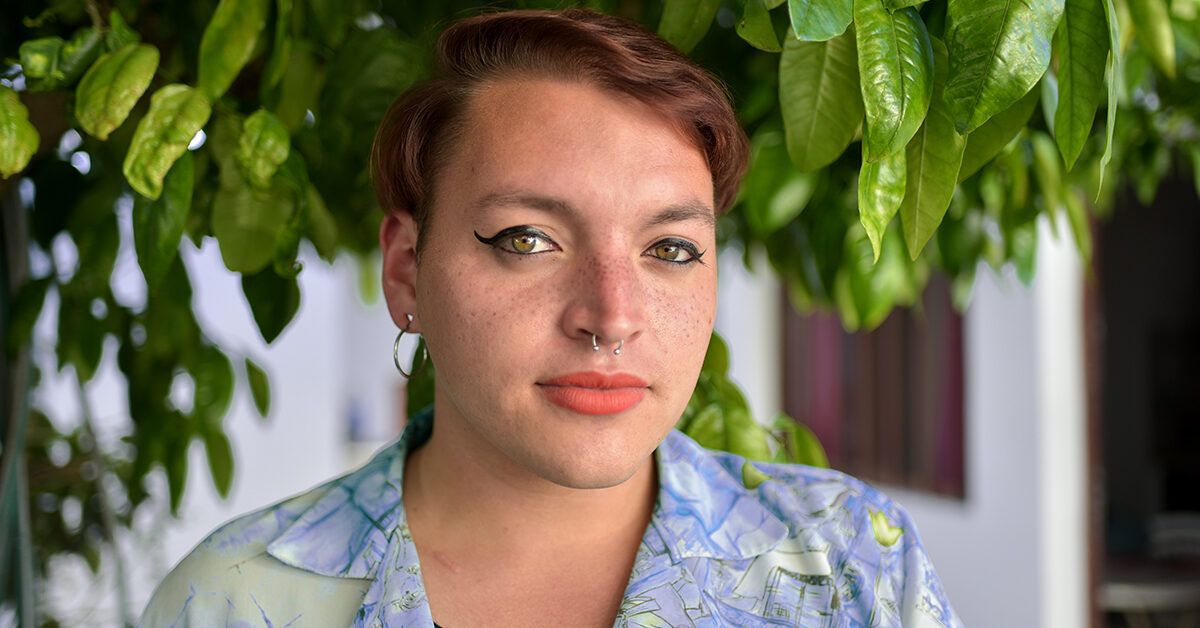

Gender can feel simple when society hands everyone two boxes and says, “Pick one, please.” But real life has never been famous for fitting neatly into boxes. People are wonderfully complicated, and gender is no exception. For many, the word genderqueer offers language for a gender identity that does not sit comfortably inside the traditional categories of only male or only female.
Genderqueer is a broad, flexible identity. Some genderqueer people feel like a blend of genders. Some feel outside gender altogether. Some relate to masculinity, femininity, both, neither, or something beautifully personal that refuses to wear a name tag. The key point is this: genderqueer people define their own gender, and the respectful thing to do is believe them.
This guide explains what genderqueer means, how it relates to sexuality, pronouns, nonbinary identity, gender expression, support, and everyday respect. Consider it a friendly mapnot a rulebook, because nobody needs another clipboard-wielding stranger trying to police identity.
What Does Genderqueer Mean?
Genderqueer is a gender identity used by some people whose gender exists outside, beyond, between, or across the traditional gender binary of man and woman. A genderqueer person may identify as both male and female, neither male nor female, partly one gender, fluid between genders, or as another gender entirely.
The word combines “gender” with “queer,” a term that has been reclaimed by many LGBTQ+ people as a positive, empowering word. However, because “queer” has also been used as a slur, not everyone feels comfortable with it. That is why personal preference matters. One person may proudly say, “I’m genderqueer,” while another may prefer “nonbinary,” “gender nonconforming,” “agender,” “genderfluid,” or no label at all.
Genderqueer Is Not One Single Experience
There is no official genderqueer checklist. You do not need a particular hairstyle, wardrobe, voice, body type, medical history, or dramatic movie-style coming-out scene to be genderqueer. Some genderqueer people dress androgynously. Others dress in ways society reads as masculine or feminine. Some change their name or pronouns. Others do not. Some pursue gender-affirming care. Others have no interest in medical transition.
In other words, genderqueer is not a costume, a trend, or a math equation. It is a personal way of understanding and naming one’s gender.
Genderqueer vs. Nonbinary: Are They the Same?
Genderqueer and nonbinary are related, but they are not always identical. Nonbinary is often used as an umbrella term for gender identities that are not exclusively male or female. Genderqueer can also sit under that umbrella. For some people, the words overlap so much that they use them interchangeably. For others, the difference matters.
Nonbinary may feel like a broader or more neutral term. Genderqueer may feel more political, expressive, or connected to queer community history. Some people like the way genderqueer challenges social norms. Others prefer nonbinary because it sounds more straightforward in schools, workplaces, or medical settings.
A helpful way to think about it: all genderqueer people may relate to nonbinary identity in some way, but not all nonbinary people call themselves genderqueer. The best approach is simple: use the term the person uses for themselves. Identity is not a group project unless invited.
Is Genderqueer the Same as Transgender?
Sometimes, but not always. Transgender is often used as an umbrella term for people whose gender identity differs from the sex they were assigned at birth. Many genderqueer people identify as transgender because their gender does not fully align with that assignment. Others do not use the word trans for themselves.
Why the difference? Some genderqueer people feel connected to transgender community and history. Others feel that “transgender” does not describe their experience accurately. Some may worry that people will assume they want medical transition, even though being transgender is not defined by surgery, hormones, clothing, or appearance.
The most respectful answer is not to argue someone into or out of a label. If a person says they are genderqueer but not trans, believe them. If they say they are genderqueer and trans, believe them too. Easy? Yes. Frequently forgotten by society? Unfortunately also yes.
Gender Identity, Gender Expression, and Sexuality
To understand genderqueer identity clearly, it helps to separate three related but different ideas: gender identity, gender expression, and sexual orientation.
Gender Identity
Gender identity is a person’s internal sense of their own gender. It is who someone knows themselves to be. A person may identify as a man, woman, genderqueer, nonbinary, agender, bigender, genderfluid, or another identity.
Gender Expression
Gender expression is how someone presents themselves to the world. This can include clothing, hairstyle, voice, body language, makeup, accessories, and mannerisms. A genderqueer person may express themselves in masculine, feminine, androgynous, mixed, shifting, or completely personal ways.
Expression does not always tell you identity. A genderqueer person wearing a dress is still genderqueer. A genderqueer person with a beard is still genderqueer. A genderqueer person in sweatpants buying cereal at 10 p.m. is also still genderqueer, and probably just trying to survive grocery lighting like the rest of us.
Sexual Orientation
Sexual orientation describes who someone is emotionally, romantically, or sexually attracted to. Gender identity is about who you are; sexuality is about who you may be attracted to. These are not the same thing.
A genderqueer person may be straight, gay, lesbian, bisexual, pansexual, queer, asexual, demisexual, questioning, or use another orientation label. There is no single “genderqueer sexuality.” Genderqueer people, like everyone else, have diverse relationships, attractions, boundaries, and preferences.
Common Genderqueer Pronouns
Pronouns are the words people use to refer to someone when not using their name. Common English pronouns include she/her, he/him, and they/them. Some genderqueer people use one set of pronouns. Others use multiple sets, such as she/they or he/they. Some use neopronouns, such as ze/zir or xe/xem. Some prefer their name instead of pronouns.
There is no universal genderqueer pronoun. The only reliable method is to ask respectfully or follow what the person has shared. For example, you might say, “What pronouns do you use?” or introduce your own first: “Hi, I’m Jordan, and I use they/them pronouns.” This can make the conversation feel less like an interrogation and more like normal human politeness.
What If You Make a Pronoun Mistake?
If you use the wrong pronoun, correct yourself briefly and move on. A good response sounds like: “Shesorry, theysent the file yesterday.” A less helpful response is a five-minute apology monologue starring your guilt, your childhood grammar teacher, and your fear of being a bad person. The goal is to respect the person, not make them comfort you.
Practice helps. If someone uses pronouns that are new to you, try using them in simple sentences privately: “Alex said they are joining us later. I saved them a seat. Their jacket is on the chair.” Your brain can learn. It learned how to remember 40 streaming passwords; it can handle pronouns.
Genderqueer and the Gender Binary
The gender binary is the idea that there are only two genders: male and female. Many cultures and institutions have been built around this binary, from bathroom signs to clothing departments to forms that allow only “M” or “F.” Genderqueer identity challenges the idea that everyone must fit into one of those two categories.
For some genderqueer people, rejecting the binary feels freeing. It gives them language for experiences they may have had for years but could not name. For others, it is less about rejecting anything and more about being honest: “This is who I am, and the old categories do not describe me.”
It is also important to note that gender diversity is not new. Across history and cultures, many societies have recognized more than two gender roles or identities. Modern English terms may be newer, but the reality of gender diversity is not a sudden invention.
Signs Someone Might Be Genderqueer
No article can tell you who you are. However, some people explore the word genderqueer because they recognize certain feelings or patterns in their lives.
- They do not feel fully described by “man” or “woman.”
- They feel connected to more than one gender.
- They feel like their gender shifts over time or in different contexts.
- They feel uncomfortable being treated strictly as male or female.
- They enjoy gender expression that mixes, bends, or rejects traditional expectations.
- They feel relief or excitement when discovering terms like genderqueer, nonbinary, agender, or genderfluid.
Exploration does not require a final answer by Friday at 3 p.m. Identity can unfold slowly. Some people know early. Some figure it out in adulthood. Some change labels as they learn more. That is not failure; that is self-knowledge doing its job.
How to Support a Genderqueer Person
Support does not have to be complicated. Start by using the person’s correct name and pronouns. Respect their privacy. Do not ask invasive questions about their body, medical plans, birth name, or legal documents. Unless you are their doctor filling out a relevant form, “So what body parts do you have?” is not conversation. It is a red flag wearing tap shoes.
Use Inclusive Language
Small language changes can make spaces more welcoming. Instead of “ladies and gentlemen,” try “everyone,” “folks,” “team,” or “guests.” Instead of assuming “husband” or “wife,” say “partner” until you know. Instead of “preferred pronouns,” many experts recommend simply saying “pronouns,” because pronouns are not a whimsical preference like choosing oat milk over almond milk.
Do Not Force Someone to Educate You
It is fine to ask respectful questions if the person is open to talking, but no genderqueer person is required to become your personal encyclopedia. Read reliable resources, listen to LGBTQ+ organizations, and learn the basics yourself. Curiosity is good. Entitlement is not.
Stand Up When It Matters
Support also means speaking up when someone is mocked, misgendered, excluded, or treated unfairly. This can be as simple as correcting a pronoun, challenging a rude joke, or making sure forms and policies include gender-diverse people. Allyship is not just a profile badge; it is behavior.
Genderqueer People and Mental Health
Being genderqueer is not a mental illness. Gender diversity is a normal part of human experience. However, genderqueer people may face stress because of stigma, discrimination, rejection, bullying, family conflict, or lack of access to affirming care. These outside pressures can affect mental health.
Affirmation matters. When people are called by the right name, addressed with the correct pronouns, included in everyday life, and allowed to exist without constant debate, that support can make a meaningful difference. Respect is not a luxury item. It is basic social oxygen.
For anyone struggling, LGBTQ+-affirming counselors, community centers, school support groups, crisis services, and trusted friends or family members can help. For young people in crisis, organizations such as The Trevor Project provide support. In urgent danger, contacting emergency services or a local crisis line is important.
Genderqueer in Schools, Workplaces, and Healthcare
Genderqueer people may face practical challenges in everyday systems that were designed with only two gender options in mind. School records, workplace forms, health insurance, restroom access, uniforms, sports policies, and medical paperwork can all become stressful when they fail to recognize gender diversity.
At School
Genderqueer students benefit from safe, affirming environments. This may include using their correct name and pronouns, access to appropriate facilities, inclusive anti-bullying policies, and teachers who do not make gender diversity sound like a scandalous plot twist.
At Work
Workplaces can support genderqueer employees by normalizing pronouns, updating forms, using inclusive dress codes, offering gender-neutral restrooms when possible, and responding clearly to harassment. A respectful workplace does not require everyone to know everything. It requires people to be willing to learn and behave professionally.
In Healthcare
Healthcare providers should avoid assumptions based on appearance, voice, name, or gender marker. Inclusive intake forms, respectful pronoun use, and clinically relevant questions asked without judgment can help genderqueer patients receive better care. A patient should not have to give a TED Talk on gender before getting a sore throat checked.
Frequently Asked Questions About Genderqueer Identity
Can a genderqueer person look masculine or feminine?
Yes. Gender identity and appearance are not the same. A genderqueer person can look masculine, feminine, androgynous, or any combination. Their identity is valid regardless of how others read their appearance.
Can someone be genderqueer and use she/her or he/him pronouns?
Yes. Pronouns do not always equal gender. Some genderqueer people use she/her or he/him. Others use they/them, neopronouns, multiple pronoun sets, or no pronouns.
Is genderqueer just another word for confused?
No. Genderqueer is a real identity term. Some people may be questioning while exploring it, but questioning is not the same as confusion. Exploration can be thoughtful, mature, and deeply meaningful.
Can adults discover they are genderqueer?
Absolutely. People can recognize or name their gender at any age. Some did not have the language earlier in life. Others felt unsafe expressing it. Self-understanding does not expire.
Experiences Related to Genderqueer Identity
Experiences of being genderqueer vary widely, but many people describe a common thread: the relief of finally finding language that fits. Before that moment, a person may feel like they are wearing a shirt with the tag scratching at the back of the neck all day. Nothing looks visibly wrong to others, but something feels off. Then the word “genderqueer” appears, and suddenly the tag has a name.
For some, the journey begins with discomfort around gendered expectations. A child may wonder why toys, colors, clothes, and behaviors are divided into “boy things” and “girl things” with the seriousness of airport security. A teenager may feel uneasy when called “young lady” or “sir,” even if they cannot explain why. An adult may realize that the life they built is not wrong, exactly, but the gender label attached to it feels too small.
Coming out as genderqueer can be empowering, awkward, joyful, terrifying, or all of the above before breakfast. Some people start by telling a close friend, changing pronouns online, experimenting with clothing, or trying a new name at a coffee shop. That coffee cup moment can feel oddly huge. Seeing a chosen name written in marker may look ordinary to everyone else, but for the person holding the cup, it can feel like proof that the world has room for them.
Family reactions can range from loving acceptance to confusion or resistance. Some relatives may need time to learn. Others may ask clumsy questions. Supportive families often make a powerful difference by practicing pronouns, using the right name, correcting themselves without drama, and showing that love is not conditional on gender conformity. A simple “I’m glad you told me” can stay with someone for years.
Work and school experiences can also shape daily life. A genderqueer person may feel anxious before introducing themselves in a meeting, filling out a form with only two gender options, or deciding which restroom is safest. These moments may seem small from the outside, but repeated small stresses can become heavy. Inclusive policies, gender-neutral language, and respectful classmates or coworkers can turn an exhausting environment into a manageable one.
Relationships and dating may bring another layer of discovery. A genderqueer person might wonder how to explain their identity to a partner, how their sexuality label fits, or whether someone will see them fully rather than forcing them into a binary role. Healthy relationships make room for these conversations. A good partner does not treat genderqueer identity as a puzzle to solve, but as part of the person they care about.
Many genderqueer people also describe joy. Not just relief, not just survival, but actual joy. Joy in choosing clothes without obeying old rules. Joy in hearing the correct pronouns. Joy in meeting others who understand without needing a 45-slide presentation. Joy in realizing that authenticity does not always arrive as a lightning bolt; sometimes it arrives quietly, like finally exhaling after holding your breath for years.
Of course, no single story represents every genderqueer person. Some are loud and political. Some are private. Some love labels. Some use labels only when necessary. Some medically transition. Some do not. Some feel certain. Some keep exploring. What connects many experiences is the desire to be seen accurately and treated with dignity. That should not be too much to ask. In fact, it is the bare minimum wearing decent shoes.
Conclusion
Genderqueer is a meaningful identity for people whose gender does not fit neatly into the traditional male-female binary. It may overlap with nonbinary, transgender, genderfluid, agender, or queer identities, but each person’s experience is individual. The most respectful thing anyone can do is listen, use the right name and pronouns, avoid assumptions, and make everyday spaces safer and more inclusive.
Understanding genderqueer identity is not about memorizing every possible label. It is about recognizing that people deserve language, respect, and room to live honestly. Gender may be complex, but kindness is refreshingly simple.