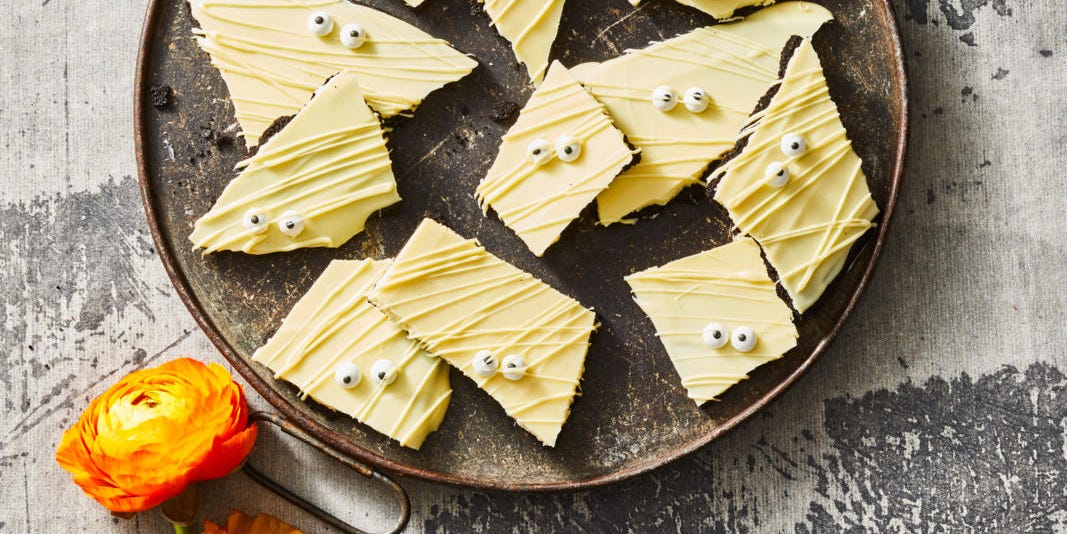

If a brownie, a crisp chocolate cookie, and a candy-shop chocolate bark had a very delicious baby, it would be double chocolate cookie bark. This is the dessert you make when you want the drama of homemade candy, the comfort of cookies, and the convenience of breaking everything into rustic pieces like you are starring in your own tiny baking show.
This best double chocolate cookie bark recipe starts with a thin cocoa cookie base that bakes crisp around the edges and tender-crunchy in the center. Then it gets covered with melted chocolate, sprinkled with mini chips, flaky salt, and optional toppings, and chilled until it snaps into snackable shards. No scooping. No frosting. No piping bag having an emotional breakdown in your kitchen drawer.
The result is bold, chocolatey, giftable, and surprisingly easy. Serve it at a holiday party, pack it in cookie tins, crumble it over ice cream, or eat one piece while pretending you are “checking the texture.” We have all been there. Quality control is important.
What Is Double Chocolate Cookie Bark?
Double chocolate cookie bark is a hybrid dessert made by baking cookie dough in a thin sheet, topping it with melted chocolate, chilling it until firm, and breaking it into irregular pieces. It borrows the best parts of chocolate bark and cookie brittle: the glossy top, the crisp bite, the fun toppings, and the low-effort presentation.
Traditional chocolate bark is usually just melted chocolate spread on parchment and finished with toppings. Cookie bark adds a baked cookie layer underneath, giving every bite more structure, flavor, and crunch. In this version, cocoa powder in the dough and melted chocolate on top create a true double-chocolate experience. It is not subtle. It is not shy. It is the dessert equivalent of wearing sequins to brunch.
Why This Recipe Works
This recipe is designed for a thin, breakable cookie base rather than a soft, cakey cookie. That means the ingredient balance matters. Butter adds richness and helps the dough spread slightly. Brown sugar brings a mild caramel note and a little chew, while granulated sugar encourages crispness. Cocoa powder deepens the flavor, and a modest amount of baking soda keeps the cookie from becoming dense without puffing it into cake territory.
Rolling or pressing the dough thinly is the real trick. A thick cookie slab will taste good, but it will not break like bark. Aim for about 1/8 to 1/4 inch thick before baking. The edges will crisp first, while the center firms as it cools. Once topped with melted chocolate and chilled, the bark becomes easy to crack into pieces.
A small pinch of espresso powder is optional but highly recommended. It will not make the bark taste like coffee. It simply sharpens the chocolate flavor, like turning up the contrast on a photo. Suddenly the cocoa tastes deeper, the chocolate topping tastes richer, and everyone asks what your secret is. You may answer mysteriously, “patience,” while hiding the espresso jar.
Ingredients You Will Need
For the Chocolate Cookie Base
- 1 cup all-purpose flour
- 1/3 cup unsweetened cocoa powder
- 1/2 teaspoon baking soda
- 1/2 teaspoon fine sea salt
- 1/2 teaspoon espresso powder, optional
- 1/2 cup unsalted butter, softened
- 1/2 cup packed light brown sugar
- 1/4 cup granulated sugar
- 1 large egg yolk
- 1 teaspoon pure vanilla extract
- 1/2 cup mini semisweet chocolate chips
For the Chocolate Bark Topping
- 8 ounces semisweet or dark chocolate, chopped
- 1 teaspoon neutral oil or coconut oil, optional, for smoother spreading
- 1/4 cup mini chocolate chips, for topping
- 1 to 2 tablespoons chocolate cookie crumbs or crushed chocolate wafers
- Flaky sea salt, to taste
- Optional: chopped toasted pecans, crushed pretzels, sprinkles, cacao nibs, or peppermint pieces
How To Make Double Chocolate Cookie Bark
Step 1: Prepare the Pan
Heat the oven to 350°F. Line a rimmed baking sheet with parchment paper. For a smaller, thicker batch, use a quarter sheet pan. For a thinner bark with crispier edges, use a standard half sheet pan and spread the dough into a rough rectangle.
Parchment is your best friend here. It prevents sticking, helps you lift the cookie slab easily, and makes cleanup feel almost suspiciously simple. Do not skip it unless you enjoy chiseling chocolate off metal pans, which is a hobby no one needs.
Step 2: Mix the Dry Ingredients
In a medium bowl, whisk together the flour, cocoa powder, baking soda, salt, and espresso powder if using. Whisking helps distribute the cocoa and leavening evenly, which prevents bitter cocoa pockets and uneven rise.
If your cocoa powder looks clumpy, sift it before mixing. Cocoa has a talent for forming tiny boulders, and those boulders do not magically disappear in dough. A quick sift gives the bark a smoother texture and better chocolate flavor.
Step 3: Cream the Butter and Sugars
In a large bowl, beat the softened butter, brown sugar, and granulated sugar until creamy and slightly fluffy, about 2 minutes with a hand mixer. Add the egg yolk and vanilla, then beat until combined.
Using only the egg yolk keeps the cookie base rich without making it too cakey. A whole egg can add extra moisture and puff, which is lovely in a soft cookie but less ideal when you want bark that breaks cleanly.
Step 4: Add the Dry Ingredients
Add the flour mixture to the butter mixture and mix on low speed until just combined. Fold in the mini chocolate chips. The dough should be soft but not runny. If it feels very sticky, chill it for 10 minutes before shaping.
Do not overmix once the flour goes in. Overmixing develops gluten, and gluten can make the cookie base tough instead of crisp-tender. Mix only until you no longer see dry streaks, then step away from the bowl like a responsible adult.
Step 5: Press or Roll the Dough Thin
Transfer the dough to the prepared baking sheet. Place another sheet of parchment on top and press or roll the dough into a thin rectangle, about 1/8 to 1/4 inch thick. Remove the top parchment before baking.
Try to keep the thickness even so the bark bakes consistently. Thin edges will become crisp and snappy; thicker spots will stay a little softer. Both are delicious, but evenness gives the finished bark the best texture.
Step 6: Bake Until Set
Bake for 12 to 16 minutes, depending on thickness. The cookie should look set, slightly dry on top, and firm around the edges. It may still feel a little soft in the center, but it will continue to firm as it cools.
Let the cookie base cool completely on the baking sheet. This is not the moment to rush. Warm cookie plus melted chocolate sounds romantic, but it can turn messy fast. A cool base gives you a cleaner chocolate layer and a sharper snap.
Step 7: Melt the Chocolate
Place the chopped chocolate in a microwave-safe bowl. Microwave in 20- to 30-second bursts, stirring well between each burst, until smooth. Stir in the oil if using. You can also melt the chocolate in a heatproof bowl set over barely simmering water.
The key is gentle heat. Chocolate can scorch or seize if overheated or exposed to moisture. Stirring often helps the remaining pieces melt from residual heat, which gives you a smoother topping without turning the chocolate into a tragic paste.
Step 8: Spread and Decorate
Pour the melted chocolate over the cooled cookie base. Use an offset spatula or the back of a spoon to spread it evenly. Immediately sprinkle with mini chocolate chips, cookie crumbs, flaky sea salt, and any extra toppings you love.
For a dramatic look, drizzle a little melted white chocolate or milk chocolate over the top and swirl it gently with a toothpick. Do not over-swirl unless you want the design to go from “bakery window” to “finger painting during a thunderstorm.”
Step 9: Chill and Break
Refrigerate the bark for 30 to 45 minutes, or until the chocolate is firm. Lift the bark from the pan using the parchment. Break it into rustic pieces with your hands or cut it with a sharp knife for cleaner squares.
For the best texture, let the bark sit at room temperature for 5 minutes before serving. This takes the chill off the chocolate and allows the cocoa cookie base to taste richer.
Pro Tips for the Best Chocolate Cookie Bark
Use Good Chocolate
Because chocolate is the star of this recipe, use a bar or baking chocolate you enjoy eating on its own. Semisweet chocolate gives a classic sweet finish, while dark chocolate adds a more grown-up flavor. Chocolate chips work, but chopped chocolate usually melts more smoothly.
Do Not Skip the Salt
Salt is not just there to make desserts salty. It balances sweetness and wakes up the cocoa. A small amount in the dough and a light sprinkle of flaky salt on top make the chocolate taste more intense.
Keep the Dough Thin
The difference between cookie bars and cookie bark is thickness. If the base is too thick, it will taste more like a pan cookie. Still delicious, yes, but not quite bark. Spread it thin for that crisp, breakable texture.
Cool Before Topping
Let the cookie base cool completely before adding melted chocolate. A warm base can make the topping slide, melt unevenly, or sink into the cookie instead of sitting on top in a glossy layer.
Flavor Variations
Peppermint Double Chocolate Cookie Bark
Add 1/4 teaspoon peppermint extract to the melted chocolate and sprinkle crushed candy canes on top. This version is perfect for Christmas cookie trays and edible gifts.
Mocha Cookie Bark
Increase the espresso powder to 1 teaspoon and top the bark with chocolate-covered espresso beans. This is the version for people who believe dessert should also gently remind them to answer emails.
Salted Pretzel Chocolate Bark
Sprinkle crushed pretzels over the melted chocolate for a sweet-and-salty crunch. This variation is excellent for game day, movie night, or any gathering where people pretend they will eat “just one piece.”
Nutty Brownie-Style Bark
Add chopped toasted pecans or walnuts to the topping. The nuts bring a brownie-like flavor and extra crunch, especially when paired with dark chocolate.
How To Store Double Chocolate Cookie Bark
Store double chocolate cookie bark in an airtight container at room temperature for up to 4 days if your kitchen is cool. If your kitchen runs warm, store it in the refrigerator for up to 1 week. Separate layers with parchment paper to protect the chocolate topping.
You can also freeze cookie bark for up to 2 months. Place pieces in a freezer-safe container with parchment between layers. Thaw in the refrigerator before serving. Avoid thawing uncovered at room temperature, because condensation can make the chocolate look streaky.
Common Mistakes To Avoid
The Bark Is Too Soft
The cookie base may be too thick or underbaked. Next time, spread the dough thinner and bake until the surface looks set and the edges are firm. Cooling completely also helps the base crisp up.
The Chocolate Looks Dull
Dull chocolate can happen when melted chocolate is overheated or chilled too aggressively. It will still taste good, so do not panic. For a shinier finish, melt gently, stir often, and avoid getting water into the chocolate.
The Bark Breaks Unevenly
That is part of the charm. Bark is supposed to look rustic. If you want neater pieces, score the chocolate lightly with a knife after it has chilled for about 10 minutes, then finish chilling before breaking.
Serving Ideas
Serve this chocolate cookie bark on a dessert board with strawberries, marshmallows, caramel popcorn, and salted nuts. Add it to lunch boxes as a small treat, wrap it in cellophane bags for homemade gifts, or tuck a few pieces beside a scoop of vanilla ice cream.
It also makes a fantastic topping. Crumble it over sundaes, milkshakes, chocolate mousse, or yogurt parfaits. Yes, yogurt. We are calling it balance.
Frequently Asked Questions
Can I Make Double Chocolate Cookie Bark Ahead of Time?
Yes. This recipe is great for making ahead because the bark needs time to cool and set. Make it a day before serving and store it in an airtight container.
Can I Use Boxed Cookie Mix?
You can, but homemade dough gives better control over thickness, cocoa flavor, and texture. If using boxed mix, choose a chocolate cookie mix and press it thinly so it bakes crisp enough to break.
Can I Use Milk Chocolate?
Yes, but milk chocolate will make the bark sweeter. For balance, add flaky salt or use a darker cocoa cookie base. A mix of milk and semisweet chocolate also works well.
Can I Make It Gluten-Free?
You can try a measure-for-measure gluten-free flour blend designed for baking. The texture may be slightly more delicate, so let the cookie base cool completely before adding the chocolate topping.
Personal Baking Experience: What Makes This Cookie Bark So Addictive
The first time you make double chocolate cookie bark, you may wonder why you spent years scooping individual cookies like a person with unlimited patience and wrist strength. There is something deeply satisfying about spreading one big sheet of dough, baking it, covering it in chocolate, and snapping it into pieces. It feels efficient, creative, and just chaotic enough to be fun.
One of the best things about this recipe is how forgiving it is. With decorated cookies, every line of icing is a tiny test of your hand-eye coordination. With layer cakes, the frosting knows when you are nervous and behaves accordingly. But cookie bark? Cookie bark says, “Break me into pieces and call it rustic.” That is the kind of emotional support dessert we need.
In my experience, the most important detail is thickness. When the dough is pressed too thick, the bark tastes like a soft cookie bar. Nobody complains, because chocolate is involved, but it does not have that crisp, snackable snap. When the dough is thin and evenly spread, the edges bake into crunchy little treasures while the center stays firm enough to hold the chocolate. That contrast is what makes people hover near the tray and pretend they are just “straightening the pieces.”
The topping is where the recipe becomes personal. For a holiday tin, peppermint pieces and white chocolate drizzle make it look festive without much effort. For a grown-up dinner party, dark chocolate, toasted pecans, and flaky salt are excellent. For kids, rainbow sprinkles and mini chocolate chips are always a hit. For people who say they do not like sweets, use pretzels and dark chocolate, then watch them quietly return for a second piece.
I also recommend making this bark when you need a dessert that travels well. Unlike frosted cupcakes or cream-filled pastries, cookie bark does not require delicate handling. Pack it in a tin with parchment between layers, and it arrives looking charming rather than injured. It is ideal for potlucks, office treats, bake sales, cookie swaps, road trips, and last-minute “I should bring something” situations.
Another advantage is portion flexibility. You do not have to cut perfect squares or commit to uniform servings. Make large pieces for dessert boards, medium pieces for gift bags, and tiny shards for ice cream topping. The small crumbs left on the parchment are the baker’s tax. This is not written in federal law, but it should be.
The flavor also improves as it rests. After a few hours, the chocolate topping settles into the cookie base, the salt becomes more noticeable, and the cocoa flavor rounds out. That makes this recipe a smart make-ahead dessert. Bake it in the morning, chill it in the afternoon, and serve it in the evening like you casually produce chocolate masterpieces all the time.
Most importantly, double chocolate cookie bark is fun. It does not ask you to be a pastry chef. It asks you to melt chocolate, spread cookie dough, sprinkle toppings, and break things on purpose. That is a beautiful recipe philosophy. It is easy enough for beginners, customizable enough for confident bakers, and delicious enough to disappear faster than you expected. Make a batch, hide a few pieces for yourself, and let everyone else believe they got the whole tray.
Conclusion
This best double chocolate cookie bark recipe is rich, crisp, easy to customize, and perfect for anyone who loves chocolate desserts with a little crunch. The thin cocoa cookie base gives structure, the melted chocolate topping adds candy-shop flair, and the final sprinkle of salt makes every bite pop. Whether you make it for holidays, parties, edible gifts, or a regular Tuesday that needs improvement, this cookie bark delivers big flavor without complicated steps.