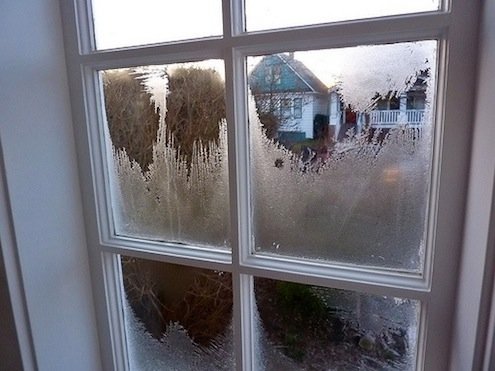

Waking up to frost on the inside of your windows can feel strangely festive for about three seconds. Then reality taps you on the shoulder: indoor frost is not charming winter décor. It is a tiny, icy warning sign that your home has too much moisture, your glass is getting too cold, or both. Left alone, that frost can melt into water, soak window sills, stain trim, encourage mold, damage paint, and make your cozy winter morning feel like a science experiment gone rogue.
The good news is that you usually do not need to replace every window in the house or declare war on winter. Preventing frost on windows is mostly about managing three things: indoor humidity, window surface temperature, and airflow. Think of it as a home comfort triangle. When one side gets out of balance, frost sneaks in wearing little crystal boots.
This homeowner’s guide explains why frost forms on windows, how to stop it, what quick fixes actually help, and when it may be time to consider bigger upgrades. Whether you live in a 1920s bungalow with original wood windows or a newer home that is sealed tighter than a pickle jar, these practical steps can help keep your glass clearer, your trim drier, and your winter mood slightly less “why is my house doing this?”
Why Frost Forms on Windows
Frost on windows happens when warm, moist indoor air touches a cold window surface. The air near the glass cools quickly. Once it cools below its dew point, the moisture in that air turns into condensation. If the glass temperature is below freezing, that condensation becomes frost.
In simple terms: warm air holds moisture, cold glass steals its confidence, and ice crystals show up for the party.
This is why frost is usually worse during very cold weather, especially overnight. Outdoor temperatures drop, the interior surface of the glass gets colder, curtains or blinds may trap chilly air against the window, and indoor humidity rises from normal living activities. Cooking, showering, washing dishes, drying laundry indoors, running a humidifier, and even breathing all add moisture to indoor air.
Some window frost is a temporary annoyance. Heavy or repeated frost, however, can point to a moisture problem. If the frost melts every morning and leaves puddles on the sill, the issue deserves attention. Water and wood trim are not best friends. They are more like neighbors who keep calling the HOA on each other.
The Two-Part Formula: Lower Moisture and Warm the Glass
To avoid frost on windows, focus on two main goals: reduce indoor humidity and increase the temperature of the window surface. You can do either one, but the best results usually come from doing both.
1. Reduce Indoor Humidity
Indoor humidity is the amount of water vapor in the air. In many homes, especially during winter, a relative humidity range around 30 to 50 percent is considered reasonable for comfort and moisture control. In colder climates, the ideal winter target may need to be closer to 30 to 40 percent, especially during deep freezes.
If you see frost on windows, start with a simple hygrometer. This inexpensive humidity gauge tells you whether your home is running too damp. Guessing humidity by “vibes” is not recommended. Your windows may be dramatic, but they are not always precise.
Place hygrometers in moisture-prone areas such as bedrooms, bathrooms, kitchens, basements, and rooms with frequent window frost. Bedrooms are often surprise offenders because people exhale moisture all night while doors are closed and air circulation is limited.
2. Raise the Interior Glass Temperature
The warmer the inside surface of the window stays, the less likely moisture is to condense and freeze. Better insulated windows, storm windows, insulating films, cellular shades, and properly managed curtains can all help reduce heat loss through glass.
Older single-pane windows are especially prone to frost because the interior glass surface can become very cold. Double-pane and triple-pane windows perform better, but they are not magical force fields. If indoor humidity is high enough and outdoor temperatures are low enough, even efficient windows can develop condensation or frost.
How to Prevent Frost on Windows: Practical Steps That Work
Use Exhaust Fans Every Time You Cook or Shower
Bathrooms and kitchens are moisture factories. A hot shower can turn a bathroom into a tiny tropical rainforest, minus the toucans. Cooking pasta, simmering soup, boiling water, and using a gas range can also add moisture to the air.
Run the bathroom fan during showers and for at least 15 to 20 minutes afterward. Use the kitchen range hood when cooking, especially when boiling or steaming food. Make sure these fans vent outdoors, not into an attic or wall cavity. Venting moist air into hidden spaces is like hiding laundry under the bed: the problem does not disappear; it just gets weirder.
Stop Overusing Humidifiers
Humidifiers can make dry winter air more comfortable, but too much humidity can quickly lead to window frost. If your humidifier is running constantly and your windows are frosting, lower the setting or turn it off for a while.
Whole-house humidifiers connected to HVAC systems should be adjusted as outdoor temperatures change. Many homeowners set them once in November and forget them until April. Unfortunately, your windows do not forget. When outdoor temperatures plunge, indoor humidity often needs to come down.
A useful rule: if condensation or frost appears on windows, your humidity level is probably too high for current outdoor conditions.
Improve Air Circulation Around Windows
Still air makes cold spots worse. Keep furniture, heavy drapes, and clutter from blocking vents or trapping air near windows. Open curtains and blinds during the day to let warm room air reach the glass. At night, insulated window coverings can reduce heat loss, but if they seal the window too tightly, they may trap cold air against the glass and increase condensation.
The trick is balance. Use window coverings for comfort, but do not create an icebox between the shade and the pane. If frost is worse behind closed blinds, try leaving them slightly open or raising them an inch to allow air movement.
Seal Air Leaks Around Windows
Drafty windows do more than make your toes complain. Air leaks can create cold surfaces and uneven temperatures that encourage frost. Check for gaps around window frames, sashes, trim, and exterior caulking.
For quick winter fixes, use rope caulk, removable weatherstripping, or shrink-film window insulation kits. These low-cost solutions can reduce drafts and make the interior glass surface slightly warmer. For long-term improvement, replace worn weatherstripping, repair damaged glazing, and recaulk exterior gaps where appropriate.
Be careful not to seal a window so completely that you trap existing moisture problems inside the home. Air sealing should go hand in hand with proper ventilation.
Install Storm Windows or Interior Window Inserts
Storm windows can be a smart upgrade for older homes, especially those with single-pane windows. They add another layer between indoors and outdoors, reducing heat loss and helping the interior glass stay warmer.
Interior storm window inserts can be particularly useful because they are often easier to install, remove, and maintain. Low-e storm windows can improve energy performance even more by reducing heat transfer through the glass.
If full window replacement is not in the budget, storm windows or interior inserts can be a practical middle step. Your wallet may quietly applaud.
Use a Dehumidifier in Damp Areas
Basements, laundry rooms, bathrooms, and poorly ventilated spaces often hold excess moisture. A dehumidifier can reduce indoor humidity and help prevent frost from forming upstairs or in adjacent rooms.
Choose a unit sized for the area, empty the tank regularly, and clean the filter according to the manufacturer’s instructions. If your basement is chronically damp, also check for foundation leaks, poor grading, clogged gutters, or missing downspout extensions. A dehumidifier helps manage symptoms, but water entry problems need real repairs.
Ventilate Briefly but Effectively
Opening windows in winter sounds like a crime against the heating bill, but short bursts of ventilation can help remove moisture. If outdoor air is cold and dry, opening a few windows for several minutes can exchange humid indoor air for drier outdoor air. Once that drier air warms up, its relative humidity drops, which can reduce condensation risk.
This does not mean leaving windows cracked all day during a snowstorm. Instead, use brief, controlled ventilation when humidity spikes, such as after cooking, showering, or hosting a crowded gathering. Homes need to breathe, but they do not need to gasp dramatically.
Keep Interior Doors Open When Possible
Closed rooms can develop high humidity and poor air circulation. Bedrooms are common trouble spots because doors stay closed overnight. If privacy allows, leave bedroom doors open at least part of the time to help air circulate. Also make sure supply and return vents are not blocked.
If one room consistently has frosty windows while the rest of the house is fine, that room may have a ventilation, insulation, or airflow problem worth investigating.
Room-by-Room Frost Prevention Tips
Bedrooms
Bedroom window frost often appears in the morning because people add moisture to the air overnight. Use a hygrometer, keep doors open when possible, avoid running humidifiers too high, and make sure curtains do not trap cold air against the glass. If the room has no return vent, leaving the door open can be especially helpful.
Bathrooms
Run the exhaust fan during and after showers. If the mirror fogs up like a mystery movie, moisture is lingering. Check that the fan is strong enough and actually vents outdoors. Wipe moisture from window glass and sills after steamy showers to prevent repeated wetting.
Kitchens
Use lids on pots, run the range hood, and avoid long periods of boiling without ventilation. If your range hood only recirculates air through a filter instead of venting outdoors, it will not remove much moisture. In that case, crack a window briefly or use another exhaust fan nearby.
Basements
Basement moisture can raise humidity throughout the house. Use a dehumidifier, fix water entry issues, insulate cold surfaces when appropriate, and avoid drying laundry indoors unless the space is well ventilated. A damp basement has a way of sharing its problems with everyone upstairs. Very generous, very annoying.
When Frost Means Your Windows Need Attention
Not all window moisture is the same. Frost or condensation on the room-side surface usually points to high indoor humidity, cold glass, or poor airflow. Moisture between panes of double-pane or triple-pane glass is different. That often suggests a failed insulated glass seal.
If condensation appears between panes and cannot be wiped from either side, the sealed glass unit may have lost its insulating gas or developed a seal failure. In that case, humidity control inside the room will not fix the fogging between panes. You may need professional glass unit replacement or full window replacement, depending on the window’s age and condition.
Also inspect frames and sills. Soft wood, peeling paint, black spotting, musty odors, or repeated puddling indicate moisture has been hanging around too long. Do not simply wipe the glass and hope for the best. Hope is lovely, but it is not a moisture-management strategy.
What Not to Do When Fighting Window Frost
Do Not Ignore Daily Frost
Occasional light frost during extreme cold may happen even in well-maintained homes. Daily frost, thick ice, or water pooling on sills deserves action. Repeated moisture can damage finishes and contribute to mold growth.
Do Not Crank Up the Humidifier Without Checking Humidity
Dry skin and static electricity can make winter air feel uncomfortable, but adding too much moisture can backfire. Always use a hygrometer before increasing humidity. Your nose may want more moisture; your windows may vote against it.
Do Not Seal Up the House Without Ventilation
Air sealing improves comfort and energy efficiency, but a tighter home needs controlled ventilation. If moisture has no path out, it will find cold surfaces and condense. That cold surface is often your window.
Do Not Let Water Sit on Wood Trim
If frost melts, wipe it up. Use a microfiber cloth, squeegee, or window vacuum. Dry the sill and lower sash area. This is not the complete solution, but it prevents damage while you correct the underlying humidity or insulation issue.
Best Long-Term Upgrades to Reduce Window Frost
Upgrade to Better Insulated Windows
If your windows are old, drafty, single-pane, or damaged, replacement may be worth considering. Modern energy-efficient windows often use double or triple glazing, low-e coatings, warm-edge spacers, insulated frames, and gas fills to reduce heat transfer. The result is warmer interior glass and lower frost risk.
Window replacement is not cheap, so prioritize the worst performers first. Rooms with chronic frost, drafts, damaged frames, or high energy loss are good candidates.
Add Low-E Storm Windows
Low-e storm windows can improve older windows without removing the original units. They are especially appealing for historic homes where preserving existing windows matters. Proper fit is important because leaky or poorly installed storms may create moisture problems of their own.
Improve Attic and Wall Air Sealing
Window frost may be most visible on the glass, but whole-house air leakage can contribute to moisture problems. Warm, moist indoor air escaping into attics or wall cavities can create condensation risks elsewhere. Air sealing around attic bypasses, recessed lights, plumbing penetrations, and top plates can help control unwanted moisture movement.
For larger projects, consider an energy audit. A professional can use blower-door testing and thermal imaging to identify leaks, insulation gaps, and cold spots.
A Simple Winter Window Frost Checklist
- Measure indoor humidity with a hygrometer.
- Keep winter humidity around 30 to 40 percent in cold weather, adjusting lower during deep freezes if frost persists.
- Run bathroom and kitchen exhaust fans.
- Use a dehumidifier in damp areas.
- Open blinds or curtains during the day to warm the glass.
- Leave window coverings slightly open if frost forms behind them.
- Seal drafts with weatherstripping, caulk, or window film.
- Consider storm windows or interior inserts for older windows.
- Wipe up melted frost immediately.
- Investigate moisture between panes as possible seal failure.
Real-World Homeowner Experiences: What Actually Helps
Many homeowners first notice window frost in the least convenient way possible: stepping into a bedroom on a cold morning and finding a sparkly white border around the glass. It looks pretty until the sun warms the pane and water starts running down the sash. One common experience is that the frost appears only in bedrooms, not in the living room. That often happens because bedroom doors stay closed overnight, window coverings are pulled down, and people add moisture to the room for hours while sleeping. A simple fix can be leaving the door cracked, opening blinds in the morning, and lowering the humidifier setting.
Another frequent scenario is the “new window confusion.” A homeowner replaces old windows and expects every condensation problem to vanish forever. Then, during a bitter cold snap, condensation still appears at the lower edge of the glass. This does not always mean the new windows are defective. Better windows stay warmer, but they still obey physics. If indoor humidity is high, even efficient glass can collect moisture when outdoor temperatures drop far enough. In these cases, using a hygrometer is eye-opening. People often discover their home is sitting at 50 or 55 percent humidity in January, which may be comfortable for houseplants but not ideal for cold glass.
Older homes bring a different lesson. Many have charming original windows, but also gaps, loose sashes, cracked glazing, or missing storms. Homeowners in these houses often see dramatic improvement from basic maintenance: reglazing loose panes, adding weatherstripping, installing storm windows, and using removable interior inserts. These upgrades do not turn a century-old window into a spaceship windshield, but they can reduce drafts and raise the inside glass temperature enough to cut frost significantly.
Basements are another sneaky source of frost problems. A homeowner may focus on the windows upstairs while the real moisture source is a damp basement, a dryer vent leaking indoors, or a crawl space with poor vapor control. Once they add a basement dehumidifier, repair a disconnected dryer duct, or extend downspouts away from the foundation, window frost upstairs becomes less frequent. Moisture travels through a house more easily than most people expect. It is the guest who was not invited but somehow knows where the snacks are.
Daily habits matter too. Families who cook big meals, take long showers, dry clothes indoors, and run humidifiers often produce more moisture than their ventilation can handle. The practical solution is not to stop living like a normal human. It is to vent moisture at the source. Use lids while cooking, run exhaust fans, keep bathroom doors open after showers, and avoid drying laundry inside unless a dehumidifier or vented dryer is doing its job.
One of the simplest homeowner habits is also one of the most underrated: wipe the windows when moisture appears. This does not solve the root cause, but it protects the sill, trim, and wall below the window. A microfiber cloth, squeegee, or small window vacuum can prevent repeated wetting while longer-term fixes are underway. Think of it as mopping up the spill while you also figure out who keeps knocking over the cup.
The most successful approach is usually layered. Measure humidity, reduce moisture sources, improve ventilation, keep warm air moving near glass, seal drafts, and upgrade weak windows when the budget allows. No single trick works for every house because every home has its own mix of climate, window type, insulation, ventilation, and daily habits. But once you understand that frost is simply moisture meeting a freezing surface, the solution becomes much less mysterious.
Conclusion
Frost on windows is not just a winter inconvenience. It is a message from your house: too much moisture is meeting glass that is too cold. The fastest improvements usually come from lowering indoor humidity, improving ventilation, letting warm air circulate near windows, and sealing obvious drafts. For older or inefficient windows, storm windows, interior inserts, insulating film, or replacement windows can make a major difference.
The key is to treat the cause, not just the ice. Wiping away frost helps protect the sill today, but controlling humidity and warming the glass help prevent the frost from coming back tomorrow. With a hygrometer, a few smart habits, and targeted upgrades, you can keep your windows clearer, your trim drier, and your home more comfortable all winter long. Frost belongs outside on tree branches and holiday cards, not creeping across your bedroom window like it pays rent.