
Note: This article is for educational purposes only and should not replace medical advice from a licensed healthcare professional. Anyone with persistent joint swelling, severe pain, fever, chest pain, shortness of breath, vision changes, or sudden weakness should seek medical care promptly.
What Is Rheumatoid Arthritis?
Rheumatoid arthritis, often shortened to RA, is a chronic autoimmune disease that mainly attacks the joints. In a healthy immune system, white blood cells act like a security team: they identify germs, remove troublemakers, and mostly leave your own body alone. In rheumatoid arthritis, that security team gets confused and starts targeting the lining of the joints, called the synovium. The result is inflammation, swelling, stiffness, pain, and, over time, possible joint damage.
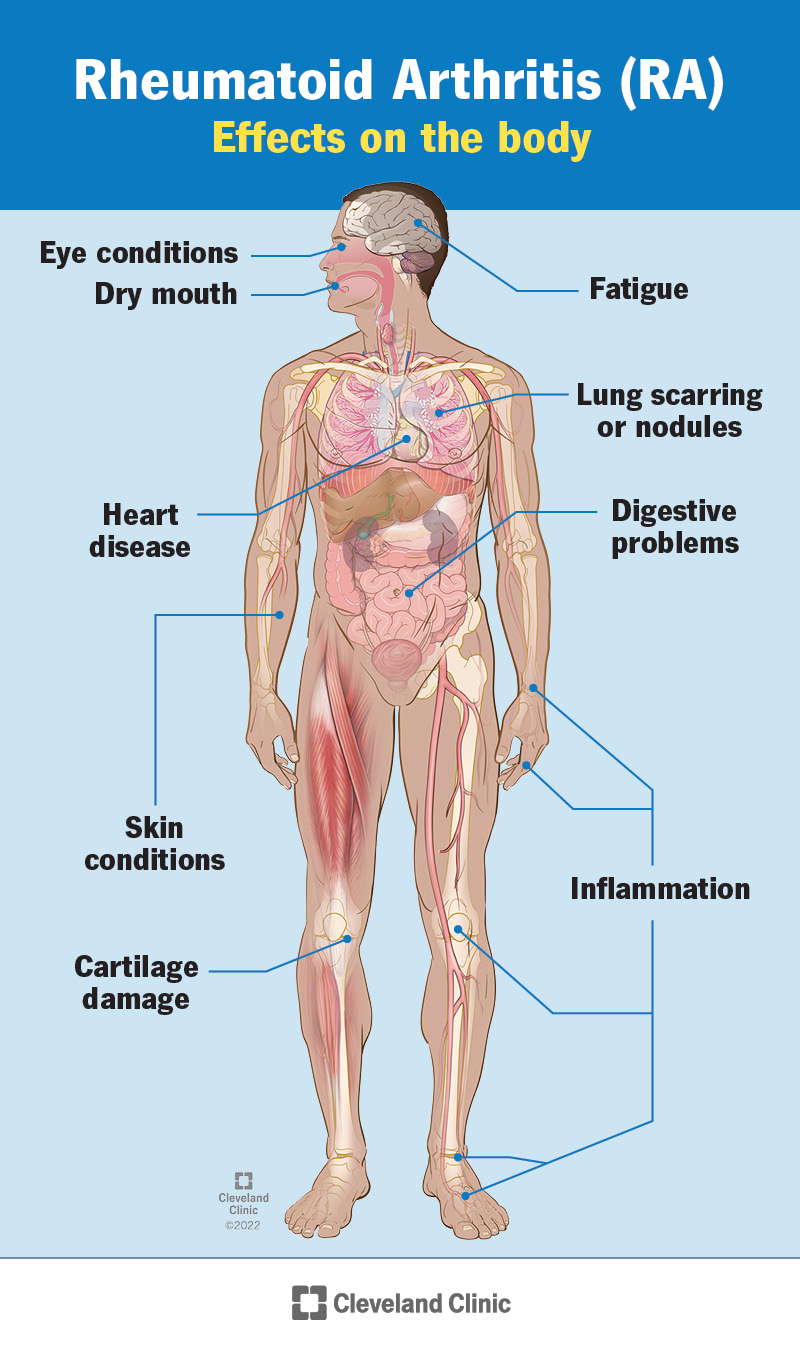
Unlike osteoarthritis, which is usually caused by wear and tear, rheumatoid arthritis is driven by immune system activity. That means RA can affect more than the hands, wrists, knees, or feet. In some people, it may also involve the eyes, lungs, heart, blood vessels, skin, or nerves. In other words, RA is not “just a little joint pain.” It is a full-body inflammatory condition that deserves early attention, smart treatment, and a realistic long-term plan.
The encouraging news is that modern rheumatoid arthritis treatment has changed dramatically. Today, many people with RA can reduce symptoms, protect their joints, stay active, and even reach remission, which means the disease becomes quiet or nearly quiet. The key is early diagnosis, consistent care, and a treatment plan that actually fits real lifenot a fantasy life where nobody forgets appointments, loves stretching at 6 a.m., and eats kale with the enthusiasm of a golden retriever chasing a tennis ball.
Common Rheumatoid Arthritis Symptoms
RA symptoms can begin slowly, appear suddenly, or come and go in flares. A flare is a period when symptoms become more intense. Some people first notice that their hands feel stiff in the morning. Others feel exhausted for no obvious reason, as if their battery is stuck at 23% even after a full night of sleep.
Joint Pain, Swelling, and Stiffness
The classic symptoms of rheumatoid arthritis include tender, warm, swollen joints. RA often affects the small joints of the hands, wrists, and feet first. It commonly appears on both sides of the body, such as both wrists or both knees. This symmetrical pattern is one clue that doctors use when evaluating possible RA.
Morning stiffness is another major sign. With RA, stiffness often lasts longer than 30 minutes and may continue for an hour or more. This is different from brief stiffness after sitting still, which usually loosens quickly. People may describe their fingers as feeling puffy, tight, weak, or difficult to bend. Everyday tasks such as opening jars, buttoning a shirt, typing, cooking, or gripping a steering wheel can become frustrating.
Fatigue and Flu-Like Feelings
Because RA is inflammatory, it can cause symptoms that feel bigger than the joints. Fatigue is one of the most common and most underestimated RA symptoms. It is not ordinary tiredness. It can feel like trying to run several apps on a phone with 2% battery and no charger nearby.
Some people also experience low-grade fever, appetite changes, weight loss, or a general feeling of being unwell. These symptoms may appear before obvious joint swelling, which can make early RA confusing. A person may think they are stressed, overworked, aging, sleeping badly, or “just out of shape,” when their immune system is actually creating inflammation.
Symptoms Beyond the Joints
Rheumatoid arthritis can also affect other parts of the body. Some people develop dry eyes, dry mouth, eye inflammation, small firm lumps under the skin called rheumatoid nodules, or lung-related symptoms such as cough or shortness of breath. RA is also associated with a higher risk of cardiovascular problems, partly because long-term inflammation can affect blood vessels.
This does not mean every person with RA will develop serious complications. Many will not. But it does mean RA should be managed as a whole-body condition, not just a “my knuckles are cranky” situation.
What Causes Rheumatoid Arthritis?
The exact cause of rheumatoid arthritis is not fully known. Researchers believe RA develops when a mix of genetics, immune system changes, and environmental triggers push the body into an inflammatory pattern. Some people may have genes that make RA more likely, but genes alone do not guarantee the disease.
Known risk factors include family history, smoking, being female, older age, excess weight, and certain environmental exposures. Smoking is especially important because it can increase RA risk and may make the disease more severe. For people who already have RA, quitting smoking is one of the most powerful lifestyle steps they can take. It may not feel glamorous, but neither does letting inflammation throw a long-term party in your joints.
Stages of Rheumatoid Arthritis
Rheumatoid arthritis does not look the same in every person. Some people have mild disease that responds quickly to treatment. Others have more aggressive RA that needs stronger or combination therapy. Still, doctors often describe RA progression in stages to explain how the disease can develop over time, especially if untreated.
Stage 1: Early Rheumatoid Arthritis
In early RA, inflammation begins in the joint lining. Symptoms may include mild swelling, stiffness, tenderness, and fatigue. X-rays may look normal because visible joint damage has not yet occurred. This stage is a critical window. Early diagnosis and treatment can help prevent permanent damage before it starts.
Many people at this stage dismiss symptoms because they are intermittent. One week the wrist aches, the next week it feels fine. Then the fingers swell after a busy day. Then everything calms down again. RA can be sneaky in the beginning, like a tiny leak under the sink that only becomes obvious after the floor starts complaining.
Stage 2: Moderate or Established RA
In this stage, inflammation becomes more persistent and may begin damaging cartilage, the smooth tissue that cushions joints. Pain, swelling, and stiffness may increase. Range of motion can become limited, and daily activities may become harder. Blood tests may show markers of inflammation, and imaging may reveal early changes.
This is often when people realize the problem is not simply “sleeping wrong” or “using the computer too much.” Symptoms may affect work, hobbies, exercise, household tasks, and mood. Treatment is especially important here because inflammation can still often be controlled before major structural damage occurs.
Stage 3: Severe RA
Severe RA involves more advanced joint damage. Cartilage and bone may be affected, leading to stronger pain, deformity, weakness, and reduced function. Tendons and ligaments around the joints may also become damaged, changing how joints move and look.
At this point, treatment still matters. Even if damage has occurred, controlling inflammation can reduce pain, prevent further damage, and improve quality of life. Physical therapy, occupational therapy, assistive devices, medication adjustments, and sometimes surgery may become part of the plan.
Stage 4: End-Stage RA
End-stage RA is less common today than it used to be because treatment has improved. In this stage, inflammation may decrease, but joints may already have major damage, reduced motion, or loss of function. Some joints may become unstable or fused. Surgical options such as joint replacement may be considered when pain and disability are severe.
The goal of modern rheumatoid arthritis care is to prevent people from reaching this stage. That is why early evaluation, disease-modifying medication, regular monitoring, and honest communication with a rheumatologist are so important.
How Rheumatoid Arthritis Is Diagnosed
There is no single perfect test for RA. Diagnosis usually combines symptoms, physical examination, blood tests, imaging, and medical history. A rheumatologist, a doctor who specializes in autoimmune and inflammatory joint diseases, is often the best specialist for confirming and managing RA.
Physical Exam and Medical History
A doctor will ask about joint pain, swelling, stiffness, morning symptoms, fatigue, family history, smoking, other medical conditions, and how symptoms affect daily life. During the exam, they may check the number and location of swollen or tender joints, joint warmth, range of motion, grip strength, and signs of inflammation outside the joints.
Blood Tests
Blood tests can help support the diagnosis. Rheumatoid factor and anti-CCP antibodies are commonly used. Anti-CCP antibodies are especially useful because they can be associated with RA and may appear early in the disease. However, not everyone with RA has positive antibody tests. Some people have seronegative RA, meaning blood tests for these antibodies are negative even though the disease is present.
Doctors may also order tests for inflammation, such as C-reactive protein and erythrocyte sedimentation rate. A complete blood count may check for anemia, which can occur with chronic inflammation. Liver and kidney tests may be used before and during certain medications.
Imaging Tests
X-rays can show joint damage, but they may be normal in early RA. Ultrasound and MRI can sometimes detect inflammation or joint changes earlier than standard X-rays. Imaging may also help doctors track progression over time and decide whether treatment is working.
Rheumatoid Arthritis Treatment Options
The main goals of rheumatoid arthritis treatment are to reduce inflammation, relieve pain, prevent joint damage, preserve function, and improve quality of life. Treatment is usually personalized because the “best” plan depends on disease severity, other health conditions, pregnancy plans, infection risk, lifestyle, medication tolerance, and patient preferences.
DMARDs: The Foundation of RA Treatment
Disease-modifying antirheumatic drugs, or DMARDs, are central to RA care because they target the disease process rather than simply covering up pain. Methotrexate is commonly used as a first-line DMARD for many people with RA. Other conventional DMARDs may include hydroxychloroquine, sulfasalazine, or leflunomide.
These medications may take weeks or months to show full benefit, which can test anyone’s patience. But they are designed to slow inflammation and protect the joints. Doctors usually monitor blood work during treatment to watch for side effects and adjust doses safely.
Biologic DMARDs
Biologic medications are advanced therapies that target specific parts of the immune system. They may be used when conventional DMARDs are not enough or when RA is more aggressive. Examples include TNF inhibitors and other biologics that target different inflammatory pathways.
Biologics can be highly effective, but they may increase infection risk. Before starting some biologics, doctors may screen for tuberculosis, hepatitis, and other infections. Vaccination planning is also important because certain vaccines may need to be given before immune-suppressing therapy begins.
Targeted Synthetic DMARDs and JAK Inhibitors
Targeted synthetic DMARDs include JAK inhibitors, which are oral medications that affect immune signaling pathways. They can help some people with moderate to severe RA, especially when other treatments have not worked well. However, they also carry important safety warnings, including risks related to serious infections, blood clots, cardiovascular events, cancer, and death in certain higher-risk groups.
This does not mean these medications are “bad.” It means they require careful selection, shared decision-making, and monitoring. The right medication for one person may not be right for another.
NSAIDs and Corticosteroids
Nonsteroidal anti-inflammatory drugs, such as ibuprofen or naproxen, may help reduce pain and inflammation, but they do not prevent joint damage. Corticosteroids, such as prednisone, can calm inflammation quickly and may be used for short periods during flares or while waiting for DMARDs to work.
Long-term steroid use can cause side effects, including bone loss, weight gain, blood sugar changes, cataracts, and infection risk. For that reason, many modern treatment plans aim to use steroids at the lowest effective dose for the shortest practical time.
Physical Therapy and Occupational Therapy
Physical therapy can improve strength, flexibility, balance, and joint function. Occupational therapy helps people protect joints and adapt daily tasks. This might include ergonomic tools, splints, jar openers, modified keyboards, better shoe support, or techniques for reducing strain while cooking, cleaning, writing, or lifting.
These changes can feel small, but small changes add up. A good adaptive tool is not a sign of weakness. It is a sign that your joints hired a personal assistant.
Surgery
Surgery is not the first step for most people with RA, but it may help when joint damage is severe. Options may include tendon repair, synovectomy, joint fusion, or joint replacement. The goal is to reduce pain, improve stability, and restore function when other treatments are not enough.
Lifestyle Strategies for Managing RA
Lifestyle changes cannot replace disease-modifying treatment, but they can support it. RA management works best when medication and daily habits pull in the same direction.
Stay Active, But Be Smart
Low-impact exercise can help maintain joint motion, muscle strength, mood, sleep, and heart health. Walking, swimming, cycling, water aerobics, yoga, tai chi, and gentle resistance training are common options. During flares, rest may be necessary, but complete inactivity for long periods can increase stiffness and weakness.
A practical rule is to aim for movement that challenges the body without punishing the joints. If pain sharply increases during activity or swelling worsens afterward, the plan may need adjustment.
Protect Your Joints
Joint protection means using stronger joints when possible, avoiding prolonged gripping, taking breaks, using assistive devices, and improving posture. For example, carrying a bag over the shoulder may be easier than gripping it with inflamed fingers. Using two hands to lift a pot is kinder than making one wrist do all the drama.
Prioritize Sleep and Stress Management
Poor sleep and chronic stress can make pain feel worse and may contribute to flares. A consistent sleep schedule, relaxation techniques, breathing exercises, counseling, support groups, and realistic planning can all help. RA is not “caused” by stress, but stress can make living with RA harder.
Eat for Overall Health
No diet cures rheumatoid arthritis. However, a balanced eating pattern can support heart health, energy, weight management, and inflammation control. Many people benefit from a Mediterranean-style diet rich in vegetables, fruits, whole grains, beans, nuts, olive oil, and fish. Limiting ultra-processed foods, excess sugar, and heavy alcohol use may also help overall health.
When to See a Doctor
Anyone with persistent joint swelling, morning stiffness lasting more than 30 minutes, pain in multiple joints, symptoms on both sides of the body, unexplained fatigue, or recurring flares should consider medical evaluation. Early treatment can make a major difference.
People already diagnosed with RA should contact their healthcare team if symptoms worsen, new joints become swollen, medication side effects appear, infections develop, or daily function declines. Treatment plans often need adjusting. RA is not a “set it and forget it” condition, no matter how much we all wish healthcare came with a slow-cooker mode.
Living With Rheumatoid Arthritis: Real-World Experiences and Practical Lessons
Living with rheumatoid arthritis is not only about lab numbers, prescriptions, and appointment reminders. It is also about learning how to move through ordinary days when your body occasionally behaves like it did not read the schedule. RA can affect how someone wakes up, gets dressed, works, cooks, exercises, socializes, travels, and plans for the future. The emotional side matters just as much as the medical side.
One common experience is the unpredictability of flares. A person may feel fairly good on Monday, make ambitious plans for Tuesday, and wake up Wednesday with hands that feel swollen and stubborn. This unpredictability can be frustrating because it makes planning difficult. Many people learn to build “flex space” into their routines. That may mean preparing meals ahead, using grocery delivery during flares, choosing shoes that are easy to put on, or keeping commonly used items at waist height instead of on top shelves.
Another experience is learning how to explain RA to others. Because rheumatoid arthritis is often invisible, friends or coworkers may not understand why someone looks fine but feels exhausted or cannot grip objects comfortably. A simple explanation can help: “My immune system causes inflammation in my joints. Some days are better than others, but flares can affect my energy and movement.” Clear communication reduces awkwardness and helps others offer useful support instead of cheerful but unhelpful advice like, “Have you tried just not being stressed?”
Work can require creative adjustments. People with RA may benefit from ergonomic keyboards, voice-to-text tools, supportive chairs, flexible schedules, or breaks to stretch stiff joints. Those with physically demanding jobs may need help from an occupational therapist to find safer ways to lift, carry, stand, or repeat movements. Asking for accommodations can feel uncomfortable, but it is often a practical step toward staying productive and protecting long-term health.
Medication routines are another real-life challenge. Some RA treatments require weekly dosing, injections, infusion appointments, or regular blood tests. It helps to use a calendar, pill organizer, phone reminder, or treatment journal. Tracking symptoms can also reveal patterns. For example, someone may notice that poor sleep, missed medication, intense stress, or overdoing weekend chores often comes before a flare. Patterns do not explain everything, but they can give patients and doctors better information.
Exercise can feel intimidating at first because painful joints naturally make people want to avoid movement. But many people discover that gentle, consistent activity improves stiffness and confidence. The trick is choosing the right intensity. A warm pool, short walks, stretching, or light strengthening may be more sustainable than high-impact workouts. Progress may look modest, but in RA, consistency beats heroic bursts of activity followed by three days of regret.
Food choices can also become part of the experience. Some people feel better when they eat balanced meals and limit foods that leave them sluggish. Others experiment with reducing alcohol, staying hydrated, or preparing anti-inflammatory-style meals. The important point is to avoid extreme promises. RA is not cured by one smoothie, one supplement, or one magical pantry item wearing a superhero cape. Nutrition supports care; it does not replace medical treatment.
Emotionally, RA can bring grief, anxiety, irritation, and uncertainty. It is normal to miss the body that felt more predictable. It is also normal to feel tired of explaining symptoms. Support groups, counseling, patient education, and honest conversations with loved ones can make a difference. Many people with RA build strong coping skills over time: pacing, planning, humor, advocacy, and self-compassion.
The biggest lesson from real-world RA management is that success is not perfection. It is learning how to respond early to symptoms, partner with a healthcare team, protect joints, keep moving when possible, rest when needed, and adjust the plan without shame. Rheumatoid arthritis may be a long-term condition, but with modern treatment and practical daily strategies, it does not get to write the whole story.
Conclusion
Rheumatoid arthritis is a serious autoimmune disease, but it is also a condition with many effective treatment options. Recognizing RA symptoms earlyespecially joint swelling, prolonged morning stiffness, fatigue, and symmetrical paincan help people get diagnosed before major joint damage occurs. Understanding the stages of rheumatoid arthritis also makes it easier to see why early treatment matters.
Today’s RA care may include DMARDs, biologics, targeted synthetic medications, physical therapy, occupational therapy, lifestyle changes, and regular monitoring. The best treatment plan is not one-size-fits-all. It should match the person’s disease activity, health history, goals, and daily life. With the right care, many people with RA can reduce pain, protect their joints, and continue doing the things that make life feel like life.