
Wall vases are the tiny design trick that make a room look as if someone stylish lives there, even when the coffee table is currently hosting three remote controls and a mystery receipt from last Tuesday. Unlike traditional vases that require a tabletop, mantel, or shelf, wall vases bring flowers, branches, dried stems, and greenery straight onto the vertical plane. They are part vase, part wall art, and part “yes, I absolutely meant to decorate this hallway.”
The charm of wall vases is simple: they add softness where walls can feel flat. A painted wall is nice. A framed print is classic. But a wall-mounted vase with a single stem of eucalyptus, a spray of dried lavender, or one dramatic branch? That gives the room movement, texture, and a little breathing room. For small homes, apartments, narrow entryways, bathrooms, kitchens, and awkward corners, wall vases are especially useful because they decorate without stealing floor space.
This guide rounds up 10 easy wall vase ideas, from modern ceramic pockets to glass test-tube vases and woven wall baskets. Think of it as a practical design menu: choose the piece that fits your room, your maintenance level, and your willingness to remember fresh water. No judgment if your final answer is dried flowers forever.
Why Wall Vases Work So Well in Home Decor
Wall vases solve several decorating problems at once. First, they create a focal point without requiring a large piece of art. Second, they introduce natural materialsflowers, leaves, grasses, reeds, or branchesat eye level. Third, they help fill narrow spaces where furniture would feel bulky. A slim wall vase can brighten a powder room, soften a hallway, or give a kitchen nook a finished look.
They also fit many interior styles. A white ceramic wall vase can look minimalist and calm. A brass wall vase feels warm and vintage-inspired. A glass wall vase reads light and airy. A woven wall vase brings in cottage, coastal, or bohemian texture. The best part is that wall vases are easy to change seasonally. Tulips in spring, wildflowers in summer, wheat stems in fall, pine sprigs in winterthe vase stays put while the mood changes.
10 Easy Pieces: The Best Wall Vase Styles to Consider
1. The Minimal White Ceramic Wall Vase
If you want a wall vase that plays nicely with almost everything, start with white ceramic. It is clean, bright, and quiet enough to let the flowers do the talking. A white ceramic wall vase works beautifully in modern, Scandinavian, coastal, farmhouse, and transitional interiors. It can hold a single stem, a few dried grasses, or a small cluster of faux botanicals.
The key is shape. A flat-back ceramic pocket looks neat against the wall and does not project too far into a hallway. A rounded ceramic vase feels more sculptural and handmade. For a calm look, pair it with white walls, pale wood, and greenery. For contrast, hang it on dark paint, moody wallpaper, or a textured plaster wall.
2. The Hand-Painted Stoneware Wall Vase
Hand-painted stoneware wall vases are perfect for anyone who wants personality without visual chaos. They often come in patterns such as checks, florals, stripes, or illustrated motifs. Because they already have decoration built in, they can look attractive even when empty. That is a major win for people who love flowers but do not want their home decor to depend on a weekly florist budget.
Use a hand-painted wall vase in a breakfast nook, child-friendly hallway, craft room, or sunny kitchen. To keep the look polished, repeat one color from the vase somewhere else in the roomperhaps in a dish towel, pillow, lampshade, or framed print. This makes the vase feel intentional instead of like it wandered in from a very charming yard sale.
3. The Clear Glass Bud Wall Vase
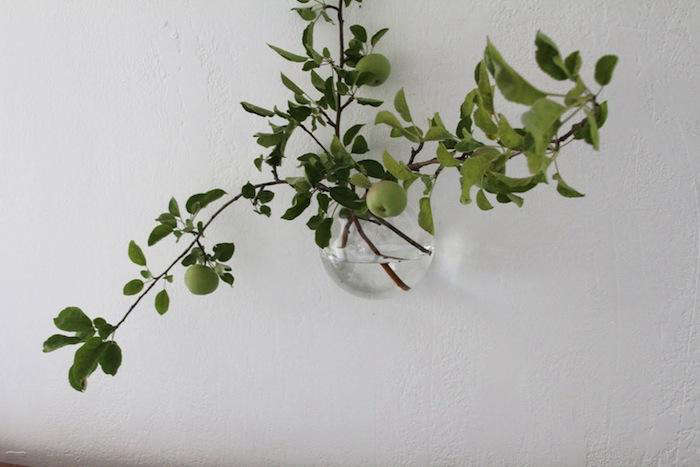
Clear glass wall vases are delicate, modern, and excellent for small floral moments. These are often designed as narrow tubes or small vessels held by a metal or wooden bracket. They are especially good for single stems: ranunculus, roses, anemones, sweet peas, herbs, or even a simple clipping from the yard.
Glass is ideal when you want the arrangement to feel light. It does not visually crowd a small wall, and it pairs well with black metal, brass, oak, walnut, or painted trim. The only catch is that clear glass shows water lines, so it needs a quick rinse now and then. Consider it the vase equivalent of wearing linen: beautiful, relaxed, but not completely maintenance-free.
4. The Brass Wall-Mounted Vase
For warmth and polish, brass is hard to beat. A brass wall vase can feel antique, glamorous, or quietly modern depending on its shape. Slim brass vessels look elegant in pairs beside a mirror, above a console table, or on either side of a framed artwork. Aged brass has a softer glow than shiny gold, which makes it easier to mix with wood, marble, black metal, and natural fibers.
Brass wall vases are often best with dried stems or faux botanicals, especially if the interior is not designed to hold water. Pampas grass, preserved eucalyptus, dried bunny tails, and faux olive branches all work well. Before adding fresh flowers, always check whether the vase is watertight. Nobody wants a slow drip behind the drywall. That is not decor; that is a future phone call to a contractor.
5. The Terracotta Wall Vase
Terracotta brings a relaxed, earthy look that feels right at home in Mediterranean, rustic, Southwestern, and organic modern spaces. A terracotta wall vase adds color without shouting. Its warm clay tone pairs beautifully with cream walls, limewash finishes, natural wood, leather, linen, and greenery.
Because terracotta is porous unless sealed, it is often better for dried flowers, faux stems, or fresh stems placed in an internal glass tube. Try it with dried strawflowers, olive branches, rosemary, or a few sculptural twigs. A terracotta wall vase is also a strong choice for patios, sunrooms, and covered porches, as long as it is protected from harsh weather and mounted securely.
6. The Woven Wall Basket Vase
A woven wall vase is technically closer to a basket, but it earns its place here because it does the same job: it holds botanicals and brings life to the wall. Wicker, rattan, seagrass, and other natural fibers create instant texture. This style is especially effective in entryways, mudrooms, bedrooms, and casual dining areas.
Woven wall vases are best for dried or faux arrangements because natural fibers generally do not love water. Fill one with dried lavender, faux hydrangeas, eucalyptus, or seasonal branches. For a coastal look, use pale grasses and white flowers. For farmhouse style, choose cotton stems or dried wheat. For boho interiors, go larger with pampas grass and trailing greenery.
7. The Wall Vase Set
One wall vase is lovely. A set of two or three can become an entire wall feature. Wall vase sets often include matching vessels in different sizes or repeated shapes that create rhythm. They work well above benches, along stairways, beside beds, or in dining rooms where you want a decorative moment that is not another framed print.
The secret to styling a set is variation. Keep the vases related, but vary the stems. One might hold a single branch, another a small cluster of flowers, and the third a trailing plant cutting. You can also leave one empty for negative space. Design does not always need to be packed to the brim; sometimes the most elegant choice is knowing when to stop.
8. The Modern Metal Frame Wall Vase
Metal frame wall vases usually combine a simple glass container with a geometric frame. Think circles, rectangles, ovals, or linear black metal brackets. These are popular because they feel architectural and decorative at the same time. They work well in modern apartments, home offices, bathrooms, and gallery walls.
For a crisp look, use one or two stems per vase. A single monstera leaf, a fern cutting, or a branch of cherry blossom can look more expensive than a crowded bouquet. If the frame is black, pair it with black picture frames, cabinet hardware, or light fixtures. If it is gold or brass, repeat that finish in a mirror, lamp, or drawer pull.
9. The Wall Pocket Vase for Small Spaces
Wall pocket vases are shallow, practical, and made for small-space decorating. Their flat backs sit close to the wall, which makes them ideal for narrow hallways, tiny bathrooms, apartment kitchens, and spots where a normal vase would be knocked over by a backpack, elbow, pet tail, or enthusiastic guest.
Use a wall pocket vase where you want a small lift: near the front door, above a towel hook, beside a vanity mirror, or next to open shelves. In bathrooms, choose faux or dried stems if ventilation is poor. In kitchens, try herbs such as rosemary, thyme, or mint in a water-safe vessel. A little greenery near the stove can make even reheated leftovers feel like a lifestyle choice.
10. The Sculptural Wall Vase
The sculptural wall vase is for people who want the vase itself to be the main event. These pieces may have organic curves, irregular edges, glossy glazes, matte finishes, or unusual silhouettes. Some look like shells, seed pods, folded paper, or abstract pottery. They blur the line between functional vase and wall art.
Because sculptural wall vases already have strong presence, keep the arrangement simple. One branch, one dried palm spear, or one dramatic stem is enough. Hang it where it has room to breathe: above a console, at the end of a hallway, beside a reading chair, or on a feature wall. Let it be weird in a tasteful way. Every room benefits from one object that says, “I have a point of view.”
How to Choose the Right Wall Vase
Match the Material to the Room
Material matters. Ceramic and stoneware feel solid, handmade, and timeless. Glass feels light, fresh, and modern. Metal feels polished and structured. Woven fibers feel relaxed and natural. Terracotta feels warm and earthy. Before choosing a wall vase, look at the room’s existing materials. If you already have wood, linen, and pottery, ceramic or terracotta may blend beautifully. If your room has metal lighting and clean lines, a glass-and-metal vase may feel more cohesive.
Check Whether It Holds Water
Not every wall vase is designed for fresh flowers. Some are decorative vessels meant only for dried or faux stems. Before you fill anything with water, confirm that the vase is watertight. Also consider how easy it is to remove and clean. A wall vase that looks gorgeous but requires acrobatics to refill will eventually become a dust sculpture.
Think About Scale
A tiny wall vase on a large empty wall can look lonely. A huge wall vase in a narrow hallway can feel like a shoulder hazard. Scale the piece to the space. For small nooks, choose one compact vase. For a dining room or entryway, consider a pair or trio. Above a console table, the arrangement should relate to the furniture below it, not float randomly like it got lost on the way to the ceiling.
Plan the Stems Before You Buy
Some wall vases look best with short flowers. Others need long stems or branches. A shallow pocket may not support heavy blooms. A narrow glass tube may only hold one or two stems. If you love big bouquets, choose a wider vessel. If you prefer minimalist styling, pick a slim bud vase. The vase and the plant material should be friends, not roommates who silently resent each other.
Best Places to Use Wall Vases
Entryways
An entryway wall vase gives guests a warm welcome before they even see the rest of the home. Place one above a small bench, near a mirror, or beside a key hook. Dried stems work especially well here because they do not need daily attention.
Bathrooms
Bathrooms often have limited counter space, which makes wall vases a smart choice. A slim ceramic or glass vase near the vanity adds softness without clutter. Faux eucalyptus, dried grasses, or humidity-friendly greenery can make the room feel more spa-like.
Kitchens
In the kitchen, wall vases can hold herbs, small flowers, or seasonal clippings. Mount one near open shelving or beside a breakfast nook. Just keep it away from direct heat, grease, and splash zones unless you enjoy cleaning things that did not ask to be involved in dinner.
Bedrooms
Wall vases can replace or complement bedside art. A pair of small vases on either side of the bed creates symmetry, while one sculptural vase above a dresser adds quiet charm. Dried lavender is a lovely bedroom choice because it looks pretty and gives the space a calming feel.
Dining Rooms
A wall-mounted vase in a dining room brings in the beauty of a centerpiece without taking up table space. This is especially useful for small tables where every inch matters. A trio of wall vases with simple stems can make the room feel finished without blocking conversation across the table.
Styling Tips for Wall Vases
Start simple. One stem in a beautiful wall vase can look more sophisticated than a crowded arrangement. Use odd numbers when styling groups, such as three vases or five stems. Repeat colors from the room so the wall vase feels connected to the overall design. Mix textures carefully: ceramic with dried grass, glass with fresh flowers, brass with olive branches, woven baskets with soft faux blooms.
Seasonal updates are another easy win. In spring, use tulips, daffodils, or flowering branches. In summer, try wildflowers, herbs, or bright greenery. In fall, switch to wheat, dried seed pods, or rust-colored stems. In winter, use pine, cedar, eucalyptus, or bare branches. The wall vase becomes a small rotating display, which is much easier than redecorating the entire room every time the weather changes its personality.
Common Mistakes to Avoid
The first mistake is hanging the vase too high. Wall decor generally looks best when it relates to eye level or nearby furniture. If the vase is above a console, bench, or dresser, leave enough space so the arrangement feels connected to the piece below it. The second mistake is overfilling the vase. Wall vases often have limited depth, and heavy arrangements can pull forward or look messy.
The third mistake is ignoring maintenance. Fresh flowers need water changes, and dried flowers collect dust. Faux stems can look excellent, but they also need occasional cleaning. The fourth mistake is weak mounting. Always use appropriate hardware for the wall type and the weight of the vase, especially if adding water. A wall vase should be decorative, not dramatic in the gravity-related sense.
of Real-Life Experience: What It’s Like to Decorate With Wall Vases
Living with wall vases teaches you one important lesson: small decor can make a room feel cared for. The first time you hang one, it may seem almost too simple. A little ceramic pocket, a few stems, one empty wall. Then suddenly the corner feels intentional. That is the magic of wall vases. They do not demand attention like a giant painting or a bold wallpaper, but they quietly improve the room every time you walk by.
In an entryway, a wall vase can become part of the daily rhythm of the house. You come home, drop your keys, and see a small bundle of eucalyptus or dried flowers waiting there like a tiny receptionist. It makes the space feel less like a landing zone for shoes and more like an actual welcome. The best entryway wall vases are low-maintenance because this area already works hard. Dried stems, faux olive branches, or preserved flowers are practical choices. They look good for weeks, sometimes months, and they do not punish you for forgetting water.
In a bathroom, a wall vase can feel surprisingly luxurious. Bathrooms are full of hard surfaces: tile, mirrors, faucets, counters. A little greenery softens everything. A slim glass vase with one stem beside the mirror can make a basic bathroom feel more designed. If the room is small, the wall-mounted format is a lifesaver because it keeps the counter clear. No one wants to move a vase every time they brush their teeth. That is how decor becomes clutter with better branding.
The kitchen is another place where wall vases earn their keep. A small water-safe wall vase can hold fresh herbs for a few days, especially if placed away from heat. Rosemary, mint, basil, or thyme can look charming and useful at the same time. Even when the herbs are mainly decorative, they make the kitchen feel alive. The trick is placement. Keep wall vases away from the stove and sink splash zone. A breakfast nook, side wall, or open shelf area is usually better.
Bedrooms benefit from quieter wall vase styling. A pair of small vases can frame a bed, but asymmetry also works. One sculptural vase above a nightstand or dresser can be enough. Dried lavender, bleached grasses, or a single faux stem can create a calm look without adding visual noise. If your bedroom already has patterned bedding or colorful art, choose a plain ceramic vase. If the room is very simple, a hand-painted or textured wall vase adds personality.
The biggest experience-based tip is to treat wall vases like living art, even when the stems are faux. Change them occasionally. Move them if the room changes. Try one dramatic branch instead of many small flowers. Let the vase be empty for a week if it has a beautiful shape. Wall vases are flexible, forgiving, and surprisingly expressive. They prove that a home does not need huge changes to feel refreshed. Sometimes all it takes is one small vessel on the wall, holding a stem, a season, or a little bit of evidence that someone here has excellent taste.
Conclusion
Wall vases are one of the easiest ways to add charm, texture, and natural beauty to a room without sacrificing surface space. Whether you choose a minimal ceramic pocket, a clear glass bud vase, a brass wall vessel, a woven basket, or a sculptural statement piece, the goal is the same: make the wall feel alive. The best wall vases are not just pretty objects. They are flexible design tools that can shift with the seasons, soften awkward spaces, and bring flowers or greenery into rooms that need a little lift.
For the most successful result, choose a material that matches your home, check whether the vase is watertight, hang it securely, and keep the arrangement simple. A single stem can do more than a crowded bouquet. A set of three can turn a blank wall into a small gallery. And a dried arrangement can save you from the guilt of forgetting fresh flowers again. Wall vases may be small, but they have a rare decorating superpower: they make a room look thoughtful with very little effort.