
Note: This article is for general educational purposes and is based on widely accepted U.S. nutrition and heart-health guidance. Anyone with high cholesterol, heart disease, diabetes, peanut allergy, or a medically prescribed diet should follow advice from a qualified healthcare professional.
Introduction: Is Peanut Butter a Cholesterol Villain or a Pantry Hero?
Peanut butter has a talent for causing nutritional confusion. One minute it is the protein-packed hero of breakfast toast. The next minute, someone is staring at the label, whispering, “Wait… all that fat?” like they have just discovered a scandal in aisle seven. So let’s clear the peanut-scented fog: peanut butter does not contain dietary cholesterol, but it can still affect your cholesterol levels depending on the type you choose, how much you eat, and what you pair it with.
The key point is simple but important: cholesterol is found in animal-based foods, and peanuts are plants. That means plain peanut butter is naturally cholesterol-free. However, peanut butter is also calorie-dense and contains some saturated fat. Eat it wisely, and it can fit beautifully into a heart-conscious diet. Eat it by the spoonful while standing in front of the refrigerator at midnight, and your nutrition plan may start filing a complaint.
This guide breaks down what you should know about peanut butter and cholesterol, including the difference between LDL and HDL cholesterol, why unsaturated fats matter, how to read peanut butter labels, and how to enjoy this creamy classic without turning your heart-health goals into a sticky situation.
Does Peanut Butter Have Cholesterol?
No, peanut butter does not contain cholesterol when it is made from peanuts and plant-based ingredients. Cholesterol is a waxy substance found in animal products such as meat, dairy, butter, cheese, and eggs. Since peanuts are legumes, not animal products, natural peanut butter has zero dietary cholesterol.
That said, “cholesterol-free” does not automatically mean “eat unlimited amounts.” A food can be free of cholesterol and still contain ingredients that influence blood cholesterol levels. The biggest dietary factor to watch is saturated fat, not cholesterol itself. Saturated fat can raise LDL cholesterol, often called “bad” cholesterol, especially when it replaces healthier unsaturated fats in the diet.
Why the Confusion Happens
Peanut butter is high in fat, and many people still hear the word “fat” and immediately imagine arteries slamming shut like a dramatic movie door. But fat is not one single thing. There are different types of fat, and they behave differently in the body. Peanut butter contains mostly unsaturated fats, the kind generally associated with better heart-health patterns when eaten in place of saturated fats.
In other words, peanut butter is not butter wearing a peanut costume. It has a very different nutrition profile from animal butter, shortening, or high-saturated-fat spreads.
Understanding Cholesterol: LDL, HDL, and the Numbers That Matter
Before blaming or praising peanut butter, it helps to understand cholesterol itself. Your body needs cholesterol to build cells, make hormones, and support normal function. The problem starts when cholesterol levels in the blood move in the wrong direction.
LDL Cholesterol: The One to Keep Low
LDL stands for low-density lipoprotein. It is often called “bad” cholesterol because high LDL levels can contribute to plaque buildup in the arteries. Over time, that buildup may increase the risk of heart disease and stroke. Diet, genetics, body weight, physical activity, smoking, certain medical conditions, and age can all affect LDL levels.
HDL Cholesterol: The Helpful Cleanup Crew
HDL stands for high-density lipoprotein. It is often called “good” cholesterol because it helps carry cholesterol away from the bloodstream and back to the liver, where the body can process it. Higher HDL levels are generally considered better, although heart health depends on the full picture, not just one number.
Triglycerides: The Often-Forgotten Third Wheel
Triglycerides are another type of fat in the blood. High triglycerides can also raise heart-health concerns, especially when combined with high LDL or low HDL. Diets high in excess calories, added sugars, alcohol, and refined carbohydrates can raise triglycerides. Peanut butter is not usually the main issue here, but sweetened peanut butter products, peanut butter desserts, and oversized servings can contribute extra calories and sugar.
Peanut Butter Nutrition: What Is Actually in the Jar?
A typical two-tablespoon serving of peanut butter contains about 190 calories, around 7 to 8 grams of protein, roughly 16 grams of fat, and a small amount of fiber. It also provides nutrients such as vitamin E, niacin, magnesium, phosphorus, and plant compounds that naturally occur in peanuts.
The fat content is the headline, but the type of fat deserves the spotlight. Most of the fat in peanut butter is unsaturated fat, including monounsaturated and polyunsaturated fats. These fats are considered more heart-friendly than saturated fats when they replace foods high in saturated or trans fats.
Unsaturated Fat: The Reason Peanut Butter Can Fit a Heart-Healthy Diet
Monounsaturated and polyunsaturated fats are found in foods such as nuts, seeds, avocados, olive oil, canola oil, and fatty fish. These fats can support healthier cholesterol patterns when used instead of saturated fats. Peanut butter’s fat profile is one reason it can be part of a cholesterol-conscious eating plan.
Saturated Fat: The Part to Watch
Peanut butter is not free of saturated fat. A two-tablespoon serving commonly contains around 3 grams of saturated fat. That is far less than many butter-based spreads or fatty meats, but it still counts toward your daily saturated fat intake. For someone managing high LDL cholesterol, portion size matters.
Can Peanut Butter Help Lower Cholesterol?
Peanut butter is not a magic cholesterol eraser. Sadly, no food can stroll into your bloodstream wearing a cape and fix everything by lunch. However, peanut butter may support heart health when it replaces less healthy options in the diet.
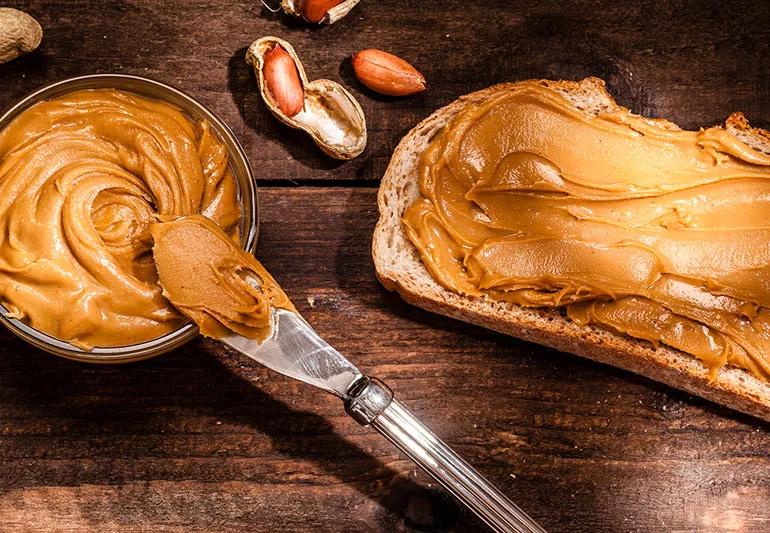
For example, spreading natural peanut butter on whole-grain toast is generally a better cholesterol-conscious choice than spreading butter on white toast. Adding a spoonful to oatmeal may be more heart-friendly than topping breakfast with processed pastries. Using peanut butter in a smoothie with fruit and unsweetened yogurt can be more nutritious than reaching for a sugar-heavy snack.
The real benefit comes from the overall pattern. A diet rich in vegetables, fruits, whole grains, beans, lentils, nuts, seeds, fish, and unsaturated oils is much more powerful than focusing on one food alone. Peanut butter can be a useful member of that team, but it should not be expected to carry the entire cholesterol game on its creamy shoulders.
Natural Peanut Butter vs. Regular Peanut Butter
Not all peanut butter jars are created equal. Some are simple and honest: peanuts, maybe salt, end of story. Others come with added sugar, hydrogenated oils, palm oil, molasses, sweeteners, and enough marketing language to make the label feel like a tiny novel.
Natural Peanut Butter
Natural peanut butter usually contains peanuts and sometimes salt. It may separate, with oil rising to the top. That oil separation is normal. Stir it well, refrigerate if needed, and congratulate yourself on performing the smallest upper-body workout of the day.
For cholesterol-conscious eating, natural peanut butter is often the best choice because it avoids unnecessary added sugars and added fats. The simpler the ingredient list, the easier it is to know what you are actually eating.
Conventional Peanut Butter
Many regular peanut butter brands still provide protein and unsaturated fat, but some contain added sugar, extra salt, or stabilizing oils. These additions do not automatically make the product “bad,” but they can make it less ideal if you are watching cholesterol, blood pressure, blood sugar, or overall calorie intake.
Reduced-Fat Peanut Butter
Reduced-fat peanut butter may sound like the obvious choice, but check the label carefully. When fat is removed, sugar or other fillers are sometimes added to improve taste and texture. Since much of the fat in peanut butter is unsaturated, reducing fat is not always an upgrade. For many people, a modest portion of regular natural peanut butter is a better choice than a reduced-fat version with extra sugar.
How Much Peanut Butter Is Healthy for Cholesterol?
A common serving size is two tablespoons. That may look small, especially if your spoon has ambitions, but peanut butter is calorie-dense. Two tablespoons can fit well into a balanced diet. Four, five, or six tablespoons can quietly turn a snack into a meal-sized calorie event.
If you are managing cholesterol, start with one to two tablespoons and consider the rest of your day. Are you eating plenty of fiber-rich foods? Are you limiting saturated fat from cheese, butter, processed meats, and fried foods? Are you choosing whole grains instead of refined carbohydrates? Peanut butter works best when the rest of the plate is also doing its job.
Smart Serving Ideas
Try peanut butter with apple slices, banana, celery, whole-grain toast, oatmeal, chia pudding, or plain Greek yogurt. These pairings add fiber, protein, and nutrients while keeping the snack satisfying. Fiber is especially important because soluble fiber can help reduce LDL cholesterol as part of a heart-healthy diet.
Best Ways to Eat Peanut Butter If You Have High Cholesterol
If you have high cholesterol, you do not necessarily need to break up with peanut butter. You just need to stop treating the jar like a bottomless emotional support container. Here are practical ways to enjoy it wisely.
1. Choose Peanut Butter With Minimal Ingredients
Look for peanut butter made with peanuts and, if you prefer, a little salt. Avoid products with hydrogenated oils or partially hydrogenated oils. Also check for added sugars, especially if you eat peanut butter daily.
2. Pair It With Fiber
Fiber is a cholesterol-conscious eater’s best friend. Spread peanut butter on whole-grain bread, stir it into oatmeal, or pair it with fruit. The combination of healthy fat, protein, and fiber can help you feel full longer.
3. Replace Less Healthy Fats
Peanut butter is most helpful when it replaces foods higher in saturated fat. For example, use peanut butter instead of butter on toast, or add it to a smoothie instead of using a sugary, high-fat dessert-style topping.
4. Watch the Jelly
A peanut butter and jelly sandwich can be part of a reasonable diet, but jelly often adds sugar without much nutrition. Try sliced strawberries, mashed raspberries, banana, or a thin layer of lower-sugar fruit spread. Your sandwich will still taste nostalgic, but it will stop behaving like dessert in disguise.
5. Measure Before You Spread
Eyeballing peanut butter is risky. Peanut butter has a way of expanding on the knife like it has a personal growth coach. Measure one or two tablespoons until you know what a serving actually looks like.
Peanut Butter Foods That May Not Be Cholesterol-Friendly
Plain peanut butter can be a good choice. Peanut butter cookies, peanut butter cups, peanut butter ice cream, and peanut butter pies are a different conversation. These foods often contain added sugar, butter, cream, refined flour, and more saturated fat. They may still be delicious, but they should be treated as occasional desserts, not heart-health tools.
The same goes for peanut butter-flavored snack bars and cereals. Some are nutritious, but others are basically candy wearing a gym outfit. Always check the Nutrition Facts label for saturated fat, added sugars, sodium, calories, and serving size.
What to Look for on the Peanut Butter Label
The front of the jar may shout words like “natural,” “protein,” “wholesome,” or “classic.” The back of the jar tells the truth. When buying peanut butter for cholesterol-conscious eating, review these label details:
Ingredients
Choose short ingredient lists. Ideally, you want peanuts and maybe salt. Be cautious with hydrogenated oils, partially hydrogenated oils, added sugars, and unnecessary fillers.
Saturated Fat
Compare brands. Peanut butter naturally contains some saturated fat, but certain products may contain more due to added oils. If you are trying to lower LDL cholesterol, saturated fat is one of the most important numbers to monitor.
Added Sugar
Added sugar does not directly raise LDL cholesterol the same way saturated fat can, but too much added sugar can contribute to weight gain, high triglycerides, and blood sugar issues. Choose unsweetened peanut butter when possible.
Sodium
Some peanut butter contains added salt. If you are watching blood pressure as well as cholesterol, compare sodium levels or choose unsalted peanut butter.
Peanut Butter and Weight: Why Portions Matter
Weight management can influence cholesterol levels, and peanut butter is easy to overeat because it is dense, smooth, and unfairly delicious. A small serving can be satisfying. A large serving can add several hundred calories before you realize what happened.
This does not mean peanut butter causes weight gain by itself. No single food does that. Weight gain happens when calorie intake consistently exceeds calorie needs. Peanut butter can actually help some people feel satisfied and reduce snacking when used strategically. The trick is to use it like a flavorful ingredient, not a main character in every meal.
Is Peanut Butter Better Than Butter for Cholesterol?
For most cholesterol-conscious diets, peanut butter is a better choice than dairy butter. Butter is high in saturated fat, which can raise LDL cholesterol. Peanut butter contains some saturated fat, but most of its fat is unsaturated. That gives peanut butter a clear advantage when the goal is replacing saturated fat with healthier fats.
Still, the comparison depends on serving size. A thin spread of butter and a mountain of peanut butter are not the same. Peanut butter wins the nutrition contest most easily when served in a reasonable amount.
Who Should Be Careful With Peanut Butter?
Peanut butter is not right for everyone. People with peanut allergies must avoid it completely unless specifically guided otherwise by an allergy specialist. Peanut allergy can be serious, and even small amounts may trigger a reaction in sensitive individuals.
People with kidney disease, certain digestive conditions, or specific medical diets may also need individualized guidance. Those watching sodium should choose unsalted peanut butter. People with diabetes should select unsweetened peanut butter and pair it with high-fiber foods rather than sugary jams or refined bread.
Practical Examples: Better Peanut Butter Choices
Instead of Buttered White Toast
Try whole-grain toast with one tablespoon of natural peanut butter and sliced banana. You get more fiber, more nutrients, and a better fat profile.
Instead of a Candy Bar
Try apple slices with peanut butter. The apple adds fiber and crunch, while peanut butter adds protein and healthy fat. It feels like a snack with a plan instead of a sugar emergency.
Instead of Dessert-Style Peanut Butter Smoothies
Blend unsweetened peanut butter with banana, spinach, plain yogurt, and a small amount of oats. Skip chocolate syrup, sweetened powders, and oversized portions.
of Real-Life Experience: Living With Peanut Butter in a Cholesterol-Conscious Kitchen
In real life, peanut butter is rarely eaten in a perfect nutrition textbook setting. It shows up when mornings are rushed, lunch needs to be packed fast, kids want something familiar, or you need a snack that does not require cooking, chopping, or negotiating with a frying pan. That is why peanut butter can be incredibly useful for people trying to improve cholesterol without making their diet feel like a punishment.
One common experience is the “breakfast rescue.” Someone trying to lower cholesterol may start by replacing pastries, buttery biscuits, or sausage-heavy breakfasts with oatmeal and fruit. At first, that sounds responsible. After three days, it may also sound boring enough to make the toaster cry. Adding a measured spoonful of natural peanut butter to oatmeal can make the meal richer, more satisfying, and easier to stick with. The goal is not perfection; the goal is building meals people will actually repeat.
Another everyday situation is the peanut butter sandwich. Many people grew up eating peanut butter and jelly on soft white bread, and there is nothing wrong with nostalgia. But a cholesterol-conscious version can be upgraded without ruining the comfort. Use whole-grain bread, natural peanut butter, and sliced fruit instead of sugary jelly. The sandwich still tastes familiar, but it brings more fiber and fewer added sugars to the table. That is the kind of small change that does not feel like a diet lecture.
Then there is the portion challenge. Almost everyone who likes peanut butter has overestimated a serving at some point. Two tablespoons can quickly become four when spreading directly from the jar. A practical habit is to spoon the serving onto a plate first, then put the jar away. It sounds almost too simple, but it works because it adds a pause. Peanut butter is less dangerous when it is not sitting open like a creamy invitation.
People also discover that peanut butter works best when paired with foods that have volume and fiber. A spoonful alone may disappear quickly. The same spoonful spread across apple slices, celery sticks, or whole-grain toast feels like a real snack. This matters because cholesterol-friendly eating is easier when meals feel satisfying. Hunger is not a strategy; it is usually the opening scene of a snack attack.
For families, peanut butter can be a bridge food. Not everyone gets excited about lentils, steamed vegetables, or plain oats on day one. Peanut butter can help make healthier foods more appealing. A light peanut sauce over vegetables, a peanut butter yogurt dip for fruit, or a small amount blended into a smoothie can make nutritious choices feel less like homework.
The biggest lesson from real-life use is balance. Peanut butter does not need to be feared, worshiped, or eaten with a shovel. It is simply a nutrient-dense food that can support a heart-conscious diet when portions are reasonable and ingredients are simple. Choose the right jar, pair it with fiber-rich foods, and let it replace less healthy fats. That is how peanut butter earns its place in the kitchen without taking over the whole show.
Conclusion: Peanut Butter Can Fit a Cholesterol-Friendly Diet
Peanut butter and cholesterol have a better relationship than many people think. Plain peanut butter contains no dietary cholesterol, provides mostly unsaturated fats, and can be part of a heart-conscious eating pattern. The key is choosing natural peanut butter with minimal ingredients, watching portion size, limiting added sugar and sodium, and pairing it with fiber-rich foods.
If you have high cholesterol, peanut butter is not automatically off-limits. In fact, it may be a smart replacement for butter, processed snacks, and sugary spreads. Just remember that the healthiest peanut butter habit is not eating it straight from the jar while pretending spoons have no calories. A measured serving, a good pairing, and an overall balanced diet are what make peanut butter work for your heart instead of against your goals.