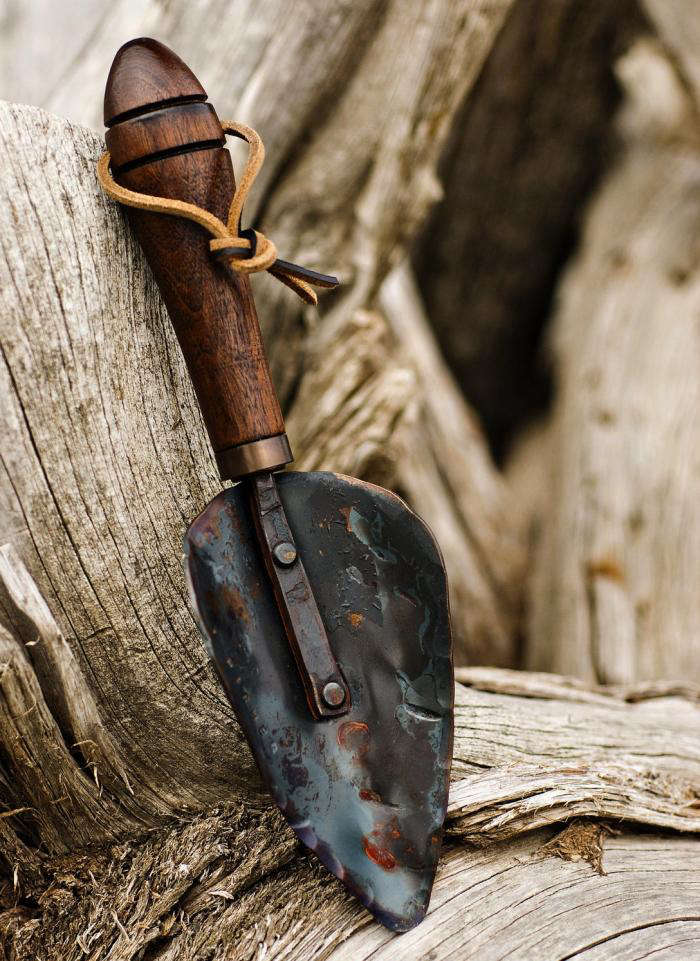

Some garden tools are forgettable. They arrive shiny, bend in the first patch of stubborn clay, and disappear into the garage with the other “seemed like a good idea at the time” purchases. The Fisher Blacksmithing Large Garden Trowel belongs to a very different category. It is not merely a hand shovel with good posture. It is a hand-forged, American-made garden tool built for people who actually dig, plant, transplant, weed, divide, scoop, and occasionally talk to their tomatoes like they are board members at an important meeting.
Known today through Fisher Blacksmithing as a large planting trowel or wide garden trowel, this tool has earned attention because it combines practical garden performance with old-world blacksmithing charm. It has the sort of presence that makes gardeners pause before pushing it into the soil. Then, once they use it, they usually stop worrying about keeping it pretty and start appreciating why a well-made trowel matters.
This review-style guide looks closely at the Fisher Blacksmithing Large Garden Trowel, including its design, materials, best uses, care needs, and why it makes sense for gardeners who want a durable tool rather than another disposable gadget with a neon plastic handle and big promises.
What Is the Fisher Blacksmithing Large Garden Trowel?
The Fisher Blacksmithing Large Garden Trowel is a hand-forged planting and digging tool made by Fisher Blacksmithing in Bozeman, Montana. It is designed as a sturdy, wide-bladed trowel for everyday garden work: moving soil, planting annuals and perennials, transplanting seedlings, working in raised beds, digging small holes, and handling general tasks where a full-size shovel would feel like bringing a canoe paddle to a teacup.
The tool’s appeal starts with its construction. It features a forged steel blade, a hand-turned American black walnut handle, and riveted joinery rather than welded shortcuts. The approximate size is 12 inches long by 4 inches wide, giving it more scooping capacity than a narrow bulb trowel while keeping it compact enough for close work in garden beds and containers.
In plain English, it is the trowel you reach for when you want to move more soil than a tiny transplanting scoop can handle, but you still need control around roots, stems, mulch, and carefully spaced plants.
Why Hand-Forged Construction Matters
“Hand-forged” is one of those phrases that can sound decorative until you understand what it means for performance. In traditional blacksmithing, steel is heated until it can be shaped, then hammered and formed over an anvil. This process creates a tool with character, but more importantly, it supports strength where strength is needed.
Many mass-market trowels are stamped from thin sheet metal. They may work fine in loose potting mix, but they often struggle in compacted soil, clay, rocky beds, or root-heavy planting zones. A forged trowel is made for more demanding work. The Fisher Blacksmithing Large Garden Trowel feels intentionally built: broad enough to carry soil, pointed enough to enter the ground, and strong enough to handle routine pressure without feeling flimsy.
The no-weld, riveted construction is also important. Welds can be failure points when a tool is repeatedly twisted, lifted, and pressed into hard soil. Solid rivets give the tool a more traditional and durable connection between blade and handle. It is a design choice that fits the entire personality of the tool: simple, rugged, useful, and not interested in pretending to be disposable.
Design and Materials
Wide Steel Blade
The wide blade is the star of the show. At roughly 4 inches wide, it holds a generous amount of soil for a hand tool. That makes it useful for filling pots, moving compost, backfilling planting holes, and scooping loose material from a bench or raised bed. The pointed tip gives it better penetration than a rounded scoop, especially when working in outdoor soil rather than fluffy bagged potting mix.
American Black Walnut Handle
The handle is made from American black walnut, a hardwood known for its attractive grain and comfortable feel. Unlike cold metal or slippery plastic, a wooden handle feels warmer and more natural in the hand. The look is part of the pleasure, but the function matters too. A smooth, well-shaped handle can make repetitive garden jobs more comfortable, especially when planting a flat of herbs or moving through a row of seedlings.
Riveted Joinery
Rivets give the trowel an old-school look, but they are not just there for charm. They create a strong mechanical connection. For a garden trowel that may be pushed, twisted, and used in dense soil, that connection matters. This is not a tool designed to win a beauty contest and retire on a hook. It is meant to work.
Best Uses for the Fisher Blacksmithing Large Garden Trowel
The Fisher Blacksmithing Large Garden Trowel is versatile enough for daily garden use, but it shines in certain tasks more than others.
Planting Annuals and Perennials
For bedding plants, herbs, and small perennials, the trowel is a natural fit. The pointed blade helps open planting holes, while the wide scoop makes backfilling faster. If you have ever planted twenty marigolds with a cheap narrow trowel, you know how quickly “quick garden project” becomes “why did I start this at noon?” A larger blade saves motion and time.
Working in Raised Beds
Raised beds need tools that are compact but capable. Full-size shovels can be awkward around tight spacing, while small trowels may feel underpowered. The Fisher Blacksmithing Large Garden Trowel lands in the sweet spot. It can loosen soil, blend compost into the top layer, make planting pockets, and scoop amendments without disturbing half the bed.
Container Gardening
For container gardeners, the wide blade is helpful when filling pots or refreshing soil. It has enough capacity to move potting mix efficiently, yet it remains small enough to maneuver inside planters. If your balcony garden has tomatoes, basil, peppers, or flowers, this trowel can handle the regular chores without making you wish for three different tools.
Transplanting Seedlings
Seedlings need gentle handling, and a good trowel gives you control. The blade can open a hole, lift surrounding soil, and help settle roots into place. For small vegetable starts like lettuce, kale, peppers, or zinnias, it offers enough precision for careful transplanting.
Moving Compost and Soil Amendments
A narrow trowel digs well but does not always scoop well. This large garden trowel does both. It is especially practical for moving compost, worm castings, potting mix, and loose garden soil. Think of it as a small scoop with a serious digging résumé.
Who Should Buy This Trowel?
The Fisher Blacksmithing Large Garden Trowel is best for gardeners who value durability, craftsmanship, and daily usefulness. It makes sense if you garden regularly, appreciate American-made tools, or prefer buying fewer things that last longer.
It is also a strong gift choice. Gardeners can be hard to shop for because they often already own “a trowel.” But many do not own a hand-forged trowel with a black walnut handle and heirloom-level construction. This tool feels personal, useful, and beautiful without being another decorative garden sign telling everyone to “bloom where you are planted.” The tomatoes already got the memo.
Beginner gardeners may enjoy it too, although the price usually places it above basic starter tools. If someone is just testing whether they like gardening, an inexpensive trowel may be enough. But for gardeners who already know they will be digging every season, upgrading to a serious hand tool is easy to justify.
How It Compares With Ordinary Garden Trowels
Most standard garden trowels are designed for affordability. That is not automatically bad. A low-cost stainless steel or aluminum trowel can work for occasional planting in soft soil. However, cheaper tools often reveal their limits when used in compacted beds, heavy clay, gravelly soil, or root-filled ground.
The Fisher Blacksmithing Large Garden Trowel competes less with bargain-bin tools and more with premium heritage garden tools. Its strengths are build quality, blade capacity, repairable simplicity, and visual character. It does not rely on gimmicks like measurement marks, oversized rubber grips, or futuristic angles. Instead, it uses a classic shape and high-quality construction.
The main trade-off is maintenance. Carbon steel and hand-forged finishes require more care than stainless steel. You should clean and dry the blade after use, avoid storing it wet, and occasionally oil the metal and wooden handle. For gardeners who enjoy caring for their tools, that is part of the appeal. For gardeners who leave tools outside in the rain all summer, this trowel deserves better roommates.
Care and Maintenance Tips
A hand-forged garden trowel can last for many years, but it should be treated like a real tool rather than a mud-covered afterthought. Fortunately, maintenance is simple.
Clean After Use
Brush off soil after each gardening session. If mud sticks to the blade, rinse it and dry it thoroughly. Leaving damp soil on steel encourages rust, especially with carbon steel tools.
Dry Before Storage
Never toss the trowel into a wet bucket or leave it outside overnight. Store it in a dry shed, garage, mudroom, or tool rack. A hanging loop or dedicated shelf helps keep the blade off damp floors.
Oil the Blade Occasionally
A light coat of oil can help protect the steel surface. This is especially useful before winter storage or after working in wet soil. Use a cloth and apply only a thin layer.
Refresh the Wooden Handle
Wood handles can dry out over time. A small amount of appropriate wood oil can help preserve the handle and maintain a comfortable feel. Wipe away excess oil and let the handle absorb the finish before storing.
Sharpen When Needed
A trowel does not need a knife-like edge, but a clean working edge helps it enter soil more easily. If the blade becomes dull or burred, careful sharpening with a suitable file can restore performance.
Advantages of the Fisher Blacksmithing Large Garden Trowel
The first advantage is strength. This is a sturdy garden trowel designed for actual digging, not just light decorative potting. The forged blade and riveted construction give it a confidence that cheaper tools often lack.
The second advantage is efficiency. The broad blade moves more soil with each scoop, which matters when planting multiple starts or filling containers. Small time savings become big time savings when your garden project involves more than one hole.
The third advantage is comfort and beauty. The black walnut handle and forged finish make the tool pleasant to hold and satisfying to use. A beautiful tool will not weed the garden for you, sadly, but it can make the work feel more intentional.
The fourth advantage is longevity. With reasonable care, this is the kind of trowel that can stay in a garden shed for decades. It fits the “buy once, use often” philosophy that many gardeners eventually adopt after breaking enough cheap tools to form strong opinions.
Possible Drawbacks to Consider
The Fisher Blacksmithing Large Garden Trowel is not the cheapest option. If your main goal is to spend as little as possible, this is probably not the trowel you will choose. It is an artisan-made tool, and the price reflects the labor, materials, and small-batch craftsmanship behind it.
It also requires care. Stainless steel tools are more forgiving if neglected, while carbon steel tools reward gardeners who clean and dry them. The natural patina that develops over time can be attractive, but rust from poor storage is not part of the charm.
Finally, the wide blade may not be ideal for every task. If you are planting tiny bulbs in tight spaces or working between densely packed roots, Fisher Blacksmithing’s narrower perennial-style trowel may be more precise. The large garden trowel is best as an all-purpose planting and scooping tool.
Is It Worth It?
For serious gardeners, yes. The Fisher Blacksmithing Large Garden Trowel is worth considering because it offers durability, beauty, and practical function in one tool. It is not a novelty item pretending to be useful. It is useful first, attractive second, and likely to become one of those tools you instinctively reach for because it simply feels right.
For casual gardeners, the decision depends on how much pleasure you take in well-made objects. If you only plant one pot of mint each spring and then spend the rest of the season apologizing to it, a premium trowel may be more than you need. But if gardening is part hobby, part therapy, part weekend workout, and part excuse to avoid email, this tool makes a lot of sense.
Buying Tips Before You Choose
Before buying, think about your soil type and gardening style. If you work mostly in raised beds, vegetable gardens, flower borders, and containers, the large trowel is highly versatile. If your main task is planting bulbs or digging narrow holes, consider pairing it with a slimmer trowel. If you often battle deep taproots, a dedicated weeder or soil knife may be better for that specific job.
Also consider storage. A tool like this deserves a dry, visible place where it will be used and maintained. Leaving it in a pile of wet gloves and cracked plastic plant labels is technically possible, but emotionally wrong.
Experience Notes: Living With a Large Hand-Forged Garden Trowel
The experience of using a large hand-forged trowel is different from using a lightweight stamped tool. The first thing gardeners tend to notice is the heft. Not heaviness in a clumsy way, but a grounded feeling that tells your hand the tool is ready to work. When you press the blade into soil, it does not feel nervous. It does not flex dramatically or make you wonder whether this is the moment the handle gives up and becomes two separate problems.
In a raised bed, the wide blade becomes especially useful. Imagine preparing space for a six-pack of basil starts. With a smaller trowel, you dig, scoop, shake, repeat, and somehow end up with soil in your shoe. With a larger planting trowel, each scoop removes enough soil to make visible progress. You can open the hole, mix in compost, place the seedling, and pull soil back around the root ball without constantly changing tools.
In containers, the tool feels almost like a potting bench assistant. It can lift potting mix from a bag, settle soil around a transplant, and scrape the edges of a planter when refreshing old mix. The pointed blade helps break through compacted pockets without requiring aggressive force. That matters because container roots can be delicate, and good gardening often depends on controlled pressure rather than brute strength.
There is also a slower, more satisfying rhythm to using a handmade tool. A plastic-handled trowel encourages you to treat gardening like a chore to finish quickly. A forged trowel asks you to notice the work. The darkened steel, the walnut handle, the rivets, and the slight handmade character all remind you that gardening is physical, seasonal, and wonderfully imperfect. You are not operating a machine. You are working with soil, roots, weather, and a tool made by human hands.
That does not mean the experience is precious. In fact, the best way to enjoy the Fisher Blacksmithing Large Garden Trowel is to use it hard enough that it earns its patina. A few marks on the blade are not damage; they are proof that the tool has moved compost, planted flowers, rescued crowded seedlings, and helped turn a bare patch into something alive. Garden tools are happiest when they are a little dirty and a lot appreciated.
Over time, a tool like this can become part of a gardener’s routine. You learn how it enters your soil after rain, how it behaves in dry summer beds, how much compost it carries, and how the handle fits your grip. That familiarity is the quiet reward of owning fewer, better tools. Instead of constantly replacing bent trowels, you build a relationship with one that improves with care.
For gardeners who enjoy the process as much as the harvest, that experience may be the strongest argument for the Fisher Blacksmithing Large Garden Trowel. It turns ordinary planting into a more satisfying ritual. The weeds still show up, of course. They always do. But at least you get to meet them with a tool that looks like it came prepared.
Conclusion
The Fisher Blacksmithing Large Garden Trowel is a premium hand-forged garden tool for people who want strength, beauty, and long-term usefulness in one compact package. Its wide blade makes planting and scooping more efficient, while its pointed shape keeps it practical for real soil. The American black walnut handle, riveted construction, and handmade character give it a timeless quality that ordinary trowels rarely match.
It is not the cheapest trowel, and it does ask for basic care. But for gardeners who value craftsmanship and want a tool that can handle years of planting, transplanting, digging, and compost-moving, it is a standout choice. In a world full of flimsy garden gadgets, this trowel feels refreshingly honest: steel, wood, rivets, and purpose.
Note: This article is written for web publication in standard American English and is based on verified product details and practical gardening-tool guidance. No source links or citation placeholders are included inside the article body.