
Note: This article is written for general home-cooking education. For the safest result, cook seafood to an internal temperature of 145°F and use a food thermometer, especially when serving children, older adults, pregnant people, or anyone with a weakened immune system.
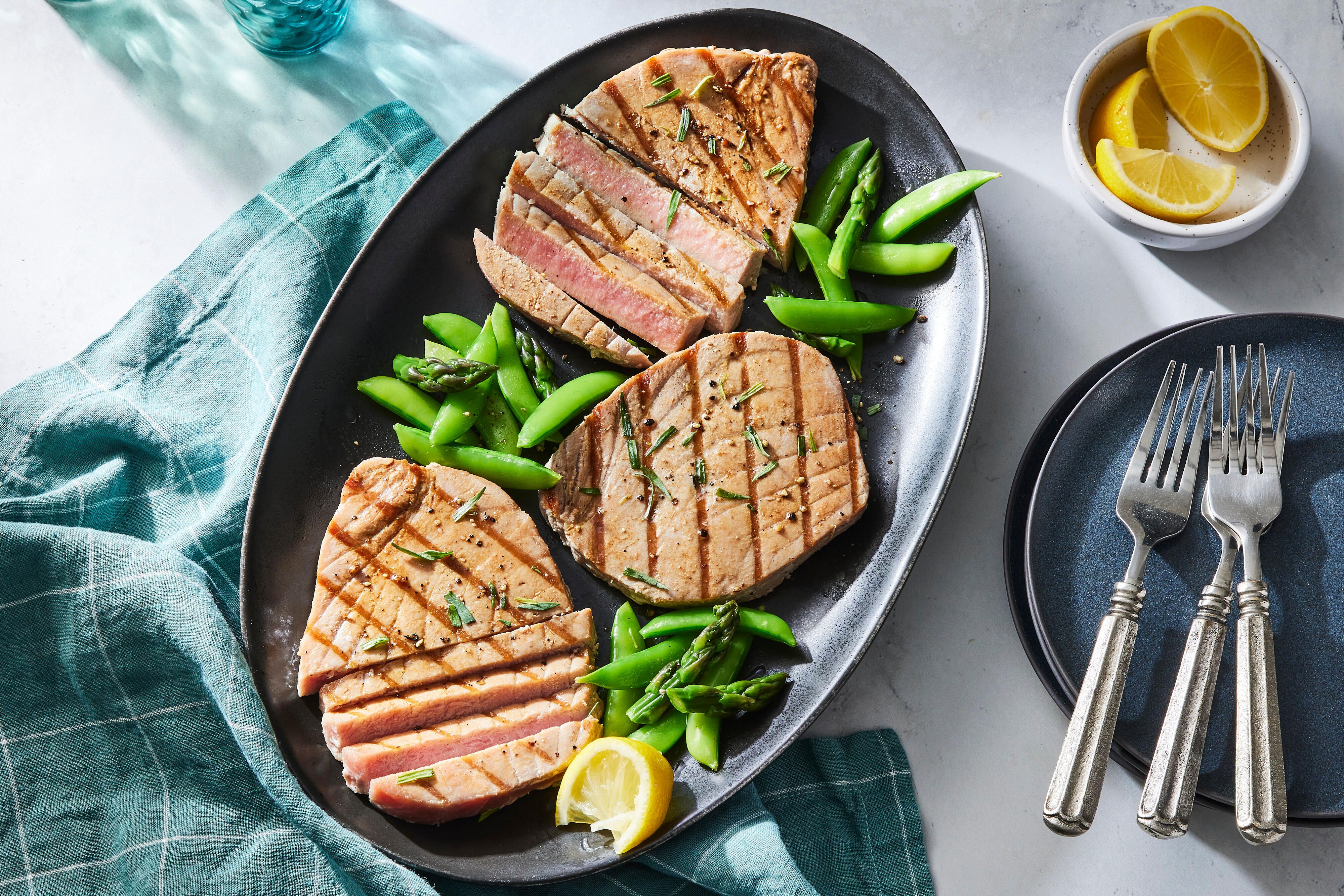
Tuna steak is the dinner equivalent of walking into the room wearing a linen blazer: impressive, relaxed, and somehow ready in under 15 minutes. It looks like restaurant food, tastes like you planned your evening with confidence, and requires less fuss than boiling a pot of pasta. If you have a hot pan, a decent piece of tuna, and the ability to resist poking your dinner every 11 seconds, you can make a fast gourmet-style dinner at home.
The secret to cooking tuna steak well is understanding that it behaves differently from many other fish. Salmon is buttery and forgiving. Cod flakes apart if you look at it with too much intensity. Tuna, especially ahi tuna such as yellowfin or bigeye, is firm, meaty, and steak-like. That is why the best tuna steak recipe usually focuses on high heat, short cooking time, bold seasoning, and a clean finish.
In this guide, you will learn how to choose tuna, prep it, season it, sear it, grill it, bake it, and serve it with sauces and sides that make dinner feel fancy without requiring tiny tweezers or a culinary school student loan.
What Makes Tuna Steak Perfect for a Fast Dinner?
Tuna steak is one of the quickest proteins you can cook because it is dense, lean, and usually cut into even portions. A one-inch tuna steak can be pan-seared in just a few minutes, which makes it ideal for weeknight dinners, date-night meals, or those dramatic evenings when you open the fridge and announce, “I deserve something better than cereal.”
Unlike delicate white fish, tuna can handle aggressive heat. A hot cast-iron skillet, grill pan, or outdoor grill gives the outside a flavorful crust while the inside stays moist. Many restaurant-style tuna steaks are served rare or medium-rare in the center, but home cooks should balance taste preferences with food safety. If you prefer fully cooked seafood or are cooking for someone more vulnerable to foodborne illness, aim for 145°F inside.
Choosing the Best Tuna Steak
Fresh vs. Frozen Tuna
Fresh tuna sounds glamorous, but high-quality frozen tuna can be excellent. In fact, much of the tuna sold in stores has been previously frozen to preserve quality during shipping. The key is not whether the fish was frozen; the key is whether it was handled properly.
Look for tuna steaks that appear moist, firm, and vibrant. Depending on the species, the color may range from deep ruby red to pinkish-red. Avoid fish that smells sour, overly fishy, or ammonia-like. Fresh tuna should smell clean and ocean-like, not like it has been keeping secrets in the back of the refrigerator.
Best Types of Tuna for Steak
Ahi tuna is the most common choice for seared tuna steak. “Ahi” usually refers to yellowfin or bigeye tuna. Yellowfin is widely used because it has a firm texture and mild flavor. Bigeye is rich and prized for sashimi-style preparations, but it is also higher in mercury, so it is best eaten less often. Albacore tuna may also be sold as steaks, though it has a lighter color and milder flavor.
When buying tuna, ask your fishmonger whether the fish is suitable for searing rare if that is your goal. Terms like “sushi-grade” or “sashimi-grade” are commonly used in stores, but they are not a single official national grading system. Buy from a trusted source, keep the fish cold, and cook it the same day when possible.
Essential Ingredients for Gourmet-Style Tuna Steak
The beauty of tuna steak is that it does not need a long grocery list. A simple seasoning can taste elegant when the cooking method is right.
Basic Ingredients
- 2 tuna steaks, about 1 inch thick
- 1 tablespoon neutral high-heat oil, such as avocado, canola, or grapeseed oil
- 1 teaspoon kosher salt
- 1/2 teaspoon freshly ground black pepper
- 1 tablespoon soy sauce or tamari
- 1 teaspoon toasted sesame oil
- 1 teaspoon honey or brown sugar
- 1 teaspoon rice vinegar or fresh lime juice
- Optional: sesame seeds, sliced scallions, grated ginger, garlic, chili crisp, or wasabi mayo
This ingredient list gives you a savory, slightly sweet, restaurant-style flavor without burying the tuna. Tuna has a clean, mild taste, so the best approach is to enhance it rather than drown it. Think tuxedo, not Halloween costume.
How to Prep Tuna Steak Before Cooking
Step 1: Thaw Properly
If your tuna steak is frozen, thaw it overnight in the refrigerator. For faster thawing, keep it sealed in a bag and place it in a bowl of cold water, changing the water every 20 to 30 minutes. Do not thaw tuna on the counter. Seafood and room temperature are not best friends; they are more like coworkers who should not sit together at lunch.
Step 2: Pat It Very Dry
Moisture is the enemy of a good sear. Before seasoning, pat both sides of the tuna steak with paper towels. If the surface is wet, the fish will steam instead of sear, and you will miss that beautiful browned crust.
Step 3: Season Right Before Cooking
Salt, pepper, and a quick marinade are enough. If using a marinade with soy sauce, citrus, vinegar, or ginger, keep the marinating time short, usually 10 to 20 minutes. Acidic ingredients can change the texture of fish if left too long. Tuna steak is dinner, not science fair ceviche.
How to Cook Tuna Steak in a Pan
Pan-searing is the fastest and most reliable method for a gourmet-style tuna dinner. You get a crisp exterior, a juicy center, and very little cleanup if you pretend not to see the sesame seeds near the stove.
Step-by-Step Pan-Seared Tuna Steak
- Pat the tuna steaks completely dry.
- Season both sides with salt and pepper.
- Mix soy sauce, sesame oil, honey, and rice vinegar in a shallow dish.
- Brush or briefly marinate the tuna for 10 to 15 minutes.
- Heat a cast-iron skillet or heavy stainless-steel pan over medium-high to high heat.
- Add the oil and wait until it shimmers.
- Place tuna in the pan and sear for 60 to 90 seconds per side for a rare to medium-rare center.
- For a more cooked center, lower the heat slightly and cook another 1 to 2 minutes per side, checking temperature.
- Transfer to a cutting board and rest for 2 to 3 minutes.
- Slice against the grain and serve immediately.
For a one-inch tuna steak, 60 to 90 seconds per side gives you a beautifully seared outside and a pink center. If your steak is thinner, reduce the time. If it is thicker, sear the edges too by holding the steak carefully with tongs. The goal is a flavorful crust, not a fish brick wearing a sesame jacket.
How to Grill Tuna Steak
Grilled tuna steak is smoky, bold, and perfect for warm evenings. The method is similar to pan-searing: high heat, short cooking time, and a clean grill grate.
Grilling Instructions
- Preheat the grill to high heat.
- Clean and oil the grates well to prevent sticking.
- Pat tuna dry and season with salt, pepper, and a light coating of oil.
- Grill for about 1 to 2 minutes per side for rare to medium-rare.
- Cook longer if you prefer tuna fully cooked, checking the internal temperature.
- Rest briefly, slice, and finish with lemon, herbs, or sauce.
The grill should be hot enough that the tuna releases easily once seared. If it sticks, give it a few more seconds instead of wrestling it like a tiny seafood alligator.
Can You Bake Tuna Steak?
Yes, you can bake tuna steak, though it will not have the same crust as pan-seared or grilled tuna. Baking is best when you want a more fully cooked result or when you are serving tuna with a sauce, herb crust, or vegetables.
Simple Baked Tuna Steak Method
- Preheat the oven to 400°F.
- Place seasoned tuna steaks in a lightly oiled baking dish.
- Add lemon slices, herbs, garlic, or a spoonful of marinade.
- Bake for 8 to 12 minutes, depending on thickness and desired doneness.
- Use a thermometer to avoid overcooking.
Baked tuna can become dry if left too long, so check early. Tuna is lean, and lean fish does not forgive distraction. This is not the moment to start reorganizing your spice drawer.
Best Doneness for Tuna Steak
The best doneness depends on your preference, the quality of the fish, and who will be eating it. Many restaurant-style tuna steaks are seared outside and rare in the middle. This gives the fish a silky, tender texture. However, the safest general recommendation for seafood is to cook it to 145°F.
Quick Doneness Guide
- Rare: Cool red center, seared outside, about 60 seconds per side for thin steaks.
- Medium-rare: Warm red to pink center, about 90 seconds per side for one-inch steaks.
- Medium: Mostly pink center, usually 2 to 3 minutes per side.
- Well-done: Cooked through, firm texture, best served with sauce to prevent dryness.
If you want a fast gourmet-style dinner, medium-rare is often the sweet spot for flavor and texture. If you want maximum food safety, cook to 145°F and add a sauce such as lemon-caper butter, soy-ginger glaze, or herb vinaigrette to keep the dish lively.
Flavor Ideas for Tuna Steak
1. Sesame-Crusted Tuna Steak
Brush the tuna lightly with soy sauce, then press both sides into sesame seeds. Sear quickly in a hot pan until the seeds are toasted and the tuna reaches your preferred doneness. Serve with scallions, rice, cucumber salad, and a drizzle of spicy mayo.
2. Lemon-Herb Tuna Steak
Season tuna with salt, pepper, lemon zest, minced parsley, and olive oil. Sear or grill, then finish with fresh lemon juice. This version is bright, simple, and perfect with roasted asparagus or a green salad.
3. Blackened Tuna Steak
Coat tuna with a Cajun-style seasoning blend, then sear in a very hot skillet. The spices form a smoky crust that tastes great with avocado, slaw, or corn salad. Keep the kitchen fan on unless you want your smoke alarm to review your dinner.
4. Soy-Ginger Tuna Steak
Mix soy sauce, grated ginger, garlic, sesame oil, and a small spoonful of honey. Brush over tuna before searing, then spoon a little extra sauce over the sliced fish. This is one of the easiest ways to turn tuna steak into a polished weeknight meal.
What to Serve With Tuna Steak
Tuna steak pairs well with sides that are fresh, crisp, and not too heavy. Since the fish cooks quickly, choose sides that are equally fast or can be made ahead.
Fast Side Dish Ideas
- Steamed jasmine rice or brown rice
- Garlic noodles
- Cucumber and avocado salad
- Roasted asparagus
- Sesame slaw
- Edamame with sea salt
- Quinoa with herbs and lemon
- Pan-seared green beans
For a complete gourmet-style dinner, try sliced tuna over rice with cucumber, avocado, scallions, sesame seeds, and a drizzle of soy-ginger sauce. It looks like a restaurant bowl but requires no reservation, valet parking, or awkward conversation with a waiter about sparkling water.
Common Mistakes When Cooking Tuna Steak
Overcooking the Fish
The most common mistake is cooking tuna steak like a chicken breast. Tuna is lean, so it dries out quickly. Use high heat and short cooking time, or use a thermometer if cooking it through.
Using a Cold Pan
A lukewarm pan gives you gray tuna with no crust. Preheat the skillet until it is properly hot, then add oil and sear confidently.
Skipping the Drying Step
Wet tuna will steam. Dry tuna will sear. This one step can make the difference between “gourmet dinner” and “sad cafeteria fish with ambition.”
Marinating Too Long
A short marinade adds flavor. A long acidic marinade can make the surface mushy. Keep it brief and bold.
Fast Gourmet Tuna Steak Recipe
Ingredients
- 2 tuna steaks, 1 inch thick
- 1 tablespoon avocado oil or canola oil
- 1 tablespoon soy sauce or tamari
- 1 teaspoon toasted sesame oil
- 1 teaspoon honey
- 1 teaspoon rice vinegar or lime juice
- 1/2 teaspoon grated ginger
- 1 small garlic clove, grated
- Kosher salt and black pepper
- Sesame seeds and sliced scallions for garnish
Instructions
- Pat tuna steaks dry with paper towels.
- In a small bowl, mix soy sauce, sesame oil, honey, vinegar, ginger, and garlic.
- Brush the mixture over the tuna and let it sit for 10 minutes.
- Season lightly with salt and pepper.
- Heat a heavy skillet over medium-high to high heat.
- Add oil and place tuna in the pan.
- Sear for 60 to 90 seconds per side for a rare to medium-rare center, or longer if desired.
- Rest for 2 minutes, then slice against the grain.
- Garnish with sesame seeds and scallions.
- Serve with rice, cucumber salad, and extra sauce on the side.
Experience Notes: What Cooking Tuna Steak at Home Really Teaches You
The first thing you learn when cooking tuna steak at home is that confidence matters. Tuna does not want a nervous cook. It wants a hot pan, a dry surface, and someone willing to leave it alone for a minute. The temptation to move it around is strong, especially when the kitchen smells amazing and you suddenly feel like the host of a cooking show. Resist. Let the heat do its job.
One of the best experiences with tuna steak is realizing how little it needs. The first time I made it, I treated it like a complicated restaurant project. I had bowls everywhere: marinade, garnish, backup garnish, sauce, backup sauce, and a lime wedge standing by like emotional support citrus. Then I discovered that salt, pepper, oil, and a screaming-hot skillet can carry the whole dinner. The lesson is simple: when the ingredient is good, your job is not to interrupt it.
Another useful experience is learning how quickly tuna goes from silky to dry. A chicken thigh gives you a grace period. Tuna gives you a raised eyebrow. Thirty extra seconds can change the texture, especially with thinner steaks. That is why it helps to have the side dishes ready before the fish hits the pan. Make the rice first. Toss the salad first. Mix the sauce first. Once tuna starts cooking, dinner is no longer “in progress.” It is happening right now.
A cast-iron skillet makes the process easier because it holds heat well. Stainless steel also works beautifully. Nonstick pans can work in a pinch, but they usually do not create the same crust because they are not always ideal for very high heat. If you want that restaurant-style seared tuna steak with a browned edge and tender center, use a heavy pan and preheat it properly.
The most enjoyable part of cooking tuna steak is plating it. Slice it thinly across the grain, fan it over rice or greens, add sesame seeds, scallions, and a spoonful of sauce, and suddenly your kitchen has main-character energy. It looks expensive even when the entire meal took less time than choosing a movie. Add cucumber, avocado, pickled onions, or roasted vegetables, and the plate feels balanced rather than fussy.
There is also a practical lesson: tuna steak is great for people who want a high-protein dinner without a heavy sauce or long cooking process. It feels special but does not demand much. You can go Asian-inspired with soy, ginger, and sesame. You can go Mediterranean with lemon, herbs, capers, and olive oil. You can go bold with blackened seasoning and slaw. The method stays simple while the flavor changes completely.
Finally, cooking tuna steak at home teaches you that “gourmet” does not have to mean complicated. Sometimes it means buying one excellent ingredient, treating it respectfully, and not overthinking the situation. Also, it means having the smoke alarm slightly too close to the stove, but that is between you and your kitchen ceiling.
Conclusion
Learning how to cook tuna steak gives you one of the fastest paths to a gourmet-style dinner at home. With a hot skillet or grill, a short marinade, and smart timing, tuna transforms into a tender, flavorful main dish in minutes. The most important rules are simple: buy quality fish, keep it cold, pat it dry, season it well, and avoid overcooking. Whether you serve it sesame-crusted over rice, blackened with slaw, or finished with lemon-herb sauce, tuna steak proves that elegant cooking does not need to be slow, stressful, or covered in foam from a mysterious squeeze bottle.