
Note: This article is written for web publishing and synthesizes established food-safety and appliance-care practices. No external source links are included in the HTML.
A refrigerator should smell like cold air, fresh produce, and maybe last night’s lasagna minding its own business. It should not smell like a seafood market lost a wrestling match with a gym sock. Unfortunately, fish odor is one of the most stubborn refrigerator smells because it clings to plastic drawers, rubber door gaskets, shelves, packaging, and even the air circulation system. One leaky salmon tray, one forgotten container of leftovers, or one “I’ll clean that later” moment can turn your fridge into a tiny ocean-themed haunted house.
The good news: you can remove a fish smell from a refrigerator without panic-buying a new appliance or pretending you’ve suddenly developed a passion for takeout. The real trick is to remove the odor source, deep-clean every contact surface, neutralize lingering smells, and prevent the problem from coming back. Spraying perfume or tossing in a lemon slice without cleaning first is like putting sunglasses on a raccoon and calling it a babysitter. Cute idea, bad plan.
Below is a practical 14-step guide for getting rid of fish smell in a refrigerator using safe, common household methods such as dish soap, baking soda, vinegar, activated charcoal, airflow, and smart food storage. Whether the odor came from raw fish, cooked seafood, spilled juice, spoiled leftovers, or mystery slime in the drawer, these steps will help you reclaim your fridgeand your dignity.
Why Fish Smell Sticks Around in a Refrigerator
Fish odor is especially persistent because seafood contains compounds that become more noticeable as fish ages, warms, leaks, or spoils. The smell can soak into porous materials and hide in places you do not immediately see: under crisper drawers, inside shelf seams, along rubber door seals, behind storage bins, and in the drip area. Cold temperatures slow odor development, but they do not magically erase it. A refrigerator is basically a sealed box with circulating air, so one strong smell can hitch a ride and visit every yogurt cup in the neighborhood.
Before you start cleaning, remember one food-safety rule: when in doubt, throw it out. If fish, seafood, dairy, meat, or leftovers have been sitting too long, leaking, or exposed to unsafe temperatures, do not taste-test your way through the evidence. Your refrigerator can be cleaned. Your stomach does not need to join the investigation.
Supplies You’ll Need
- Cooler with ice packs for temporary food storage
- Trash bags
- Dish soap
- Warm water
- Baking soda
- White vinegar
- Clean microfiber cloths or soft sponges
- Old toothbrush or small cleaning brush
- Paper towels
- Activated charcoal, fresh coffee grounds, or extra baking soda
- Food-safe containers with tight lids
- Optional: unscented gloves
How to Remove a Fish Smell from a Refrigerator: 14 Steps
1. Move food to a cooler before you clean
Start by protecting the food that is still safe to keep. Place perishable items in a cooler with ice packs while you clean. This keeps milk, eggs, meat, and leftovers cold while giving you room to work. Do not leave refrigerated foods sitting on the counter while you scrub every shelf like you’re auditioning for a cleaning show. A clean fridge is great, but safe food matters more.
2. Find and remove the odor source
The fish smell will not disappear until the source is gone. Check raw seafood packages, takeout containers, fish sauce bottles, deli drawers, crisper bins, and anything wrapped in foil that looks suspiciously forgotten. Throw away spoiled food, leaking packaging, and anything that absorbed the odor beyond saving. If a container smells bad even after washing, let it go. Some plastic containers are not loyal friends; they are odor sponges with lids.
3. Empty the refrigerator completely
Take everything out, including condiments, jars, drawers, shelves, egg trays, and removable bins. Fish odor can settle on the outside of containers, especially if there was a spill. As you remove items, wipe sticky jars and bottles with warm, soapy water. This step also gives you a chance to check expiration dates. That crusty mustard from three summers ago has had a full life.
4. Remove shelves, drawers, and bins
Take out all removable parts and place them near the sink. Let glass shelves warm slightly before washing them with warm water; sudden temperature changes can crack glass. Wash plastic bins and drawers by hand with dish soap and warm water. Avoid putting refrigerator parts in the dishwasher unless your appliance manual clearly says it is safe. Dishwasher heat can warp plastic parts, and warped drawers are annoying forever.
5. Wash removable parts with warm, soapy water
Use dish soap, warm water, and a soft sponge to clean shelves, bins, and drawers. Pay special attention to corners, grooves, handles, and tracks where fish juice or condensation can collect. If a drawer smells especially bad, let it soak for 10 to 15 minutes in warm, soapy water. Rinse thoroughly and dry completely before putting parts back. Moisture left behind can encourage new odors, which is exactly the sequel nobody asked for.
6. Clean the refrigerator interior with a baking soda solution
Mix 1 to 2 tablespoons of baking soda with 1 quart of warm water. Use this solution to wipe the walls, ceiling, floor, shelf supports, and door compartments. Baking soda is gentle, mildly abrasive, and useful for neutralizing many food odors. Do not use harsh scouring pads that can scratch the refrigerator lining. Scratches can trap residue and make future cleaning harder.
7. Scrub rubber door gaskets carefully
The rubber gasket around the door is one of the sneakiest odor traps. Pull the folds back gently and clean them with warm, soapy water or the baking soda solution. Use an old toothbrush for crumbs, dried liquid, or fishy residue hiding in the creases. Dry the gasket well afterward. A clean gasket also helps the door seal properly, which keeps the refrigerator colder and more efficient.
8. Wipe the interior with diluted white vinegar
After the soap and baking soda cleaning, wipe odor-prone areas with a mixture of equal parts white vinegar and water. Vinegar helps cut through lingering smells and residue. The vinegar smell fades as it dries, so do not panic if your refrigerator briefly smells like a salad dressing factory. Important safety note: never mix vinegar with bleach or ammonia-based cleaners. Use one cleaning method at a time, rinse when needed, and keep the process simple.
9. Check the drip pan and hidden moisture areas
If the fish smell refuses to leave, check whether your refrigerator has an accessible drip pan. Some models have a pan underneath or behind the front grille that collects condensation. If it contains stagnant water, food residue, or mystery goo, it can create a powerful odor. Follow your appliance manual for safe access and cleaning. If the pan is not accessible or you are unsure, do not force parts open; call an appliance technician instead.
10. Air out the refrigerator
Once the refrigerator is clean and dry, leave the door open for a while if you can do so safely. If the odor is mild, 30 to 60 minutes may help. For a severe fish smell, unplugging the refrigerator and airing it out for several hours can make a big difference. Keep children and pets away from the open appliance, and do not leave food inside while it is off. Airflow is simple, free, and surprisingly effective.
11. Use baking soda as an odor absorber
After cleaning, place an open container or box of baking soda inside the refrigerator. For better exposure, pour some baking soda into a shallow bowl instead of relying only on a narrow box opening. Replace it every 30 days, or sooner after a major odor event. Baking soda will not perform miracles if the fridge is still dirty, but after deep cleaning, it can help absorb remaining odors.
12. Try activated charcoal for stubborn fish odor
Activated charcoal is one of the strongest natural odor absorbers for a refrigerator that still smells fishy after cleaning. Place activated charcoal in a shallow dish, breathable pouch, or clean container with airflow. Leave it inside the empty or freshly cleaned refrigerator for 24 to 72 hours. For severe odor, replace it and repeat. Use activated charcoal meant for odor absorption, not charcoal soaked with lighter fluid or grilling additives. Your fridge wants freshness, not barbecue drama.
13. Use coffee grounds or vanilla for light lingering smells
Fresh coffee grounds can help absorb and mask mild odors, though they may leave a coffee scent behind. Place dry grounds in a shallow bowl and leave them in the fridge for a day or two. Another traditional trick is a cotton ball with vanilla extract placed inside the refrigerator for 24 hours. These methods work best after the refrigerator has already been cleaned. They are finishing touches, not substitutes for scrubbing.
14. Restock food in airtight containers
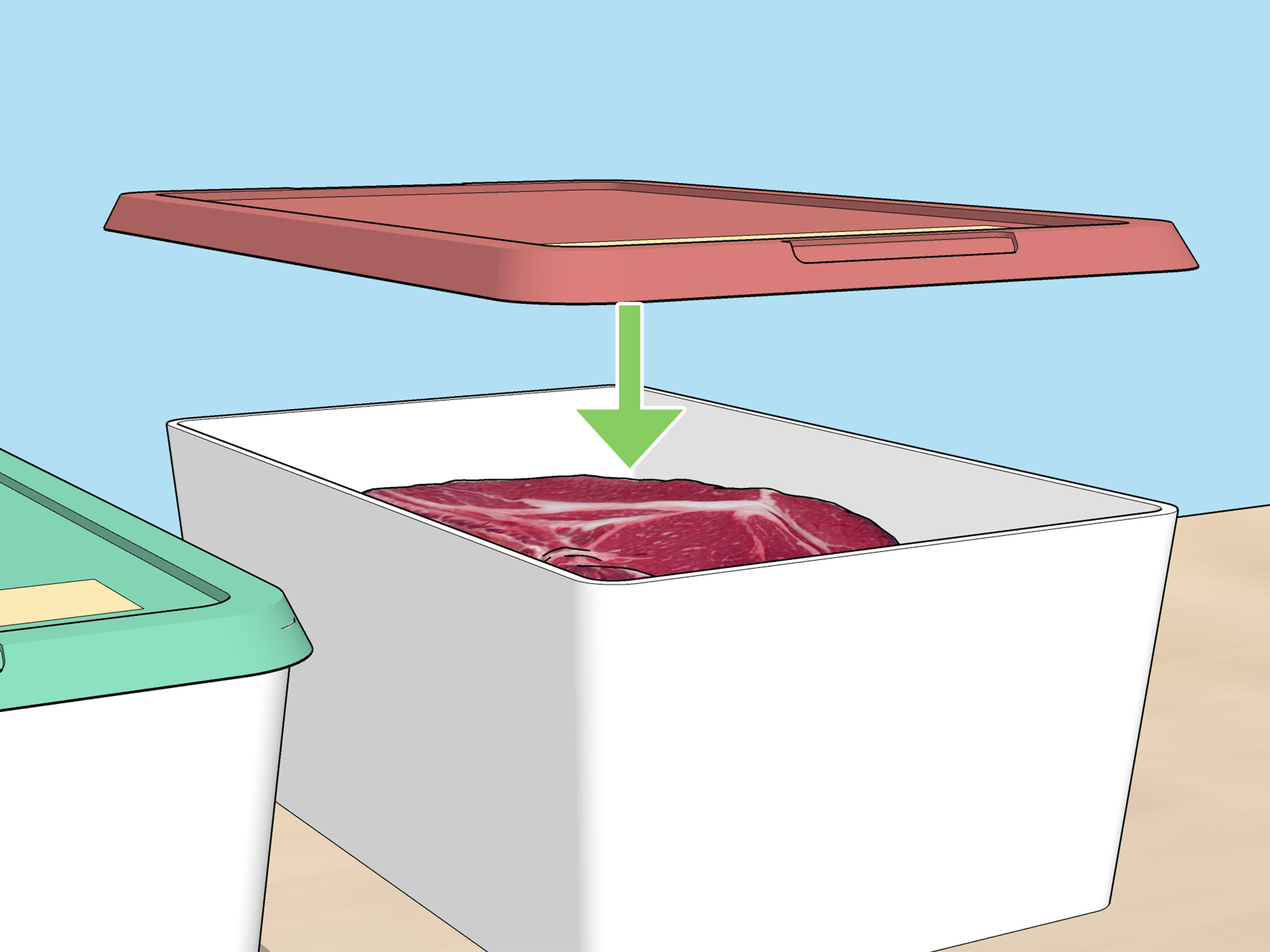
Once the refrigerator smells clean, return food in sealed containers. Store raw fish and seafood on the lowest shelf in a leakproof container, away from ready-to-eat foods. Keep leftovers covered, label containers with dates, and wipe spills immediately. A refrigerator stays fresh when odors are blocked before they escape. Think of airtight containers as tiny security guards for your lunch.
What Not to Do When Removing Fish Smell
Do not spray perfume, air freshener, or heavily scented cleaner inside the refrigerator. Strong fragrances can transfer to food and create a weird “salmon with lavender breeze” situation. Do not use abrasive powders that can damage surfaces. Do not mix cleaning chemicals, especially bleach with vinegar or ammonia. Do not ignore spoiled food because “it’s probably fine.” And do not rely only on a box of baking soda if there is still residue under a drawer. Odor absorbers are helpful, but they cannot clean a spill they never touched.
How to Prevent Fish Smell in the Refrigerator
Prevention is easier than rescue cleaning. When storing raw fish, keep it wrapped tightly and place it inside a sealed container or zip-top bag. Put that container on a plate or tray on the lowest shelf so leaks cannot drip onto other foods. Cook or freeze fresh fish quickly, because seafood quality declines faster than many other foods. If you bring home fish from the store, do not leave it in thin wrapping if the package is damp or loose. Rewrap it or move it into a clean container.
Clean small spills immediately. A one-minute wipe today can save you from a full refrigerator evacuation tomorrow. Also, do a quick weekly scan for old leftovers, soft produce, and leaking containers. Once a month, wipe drawers and door bins. Every few months, do a deeper clean. Your refrigerator does not need spa treatments, but it does appreciate basic hygiene.
When the Smell Still Won’t Go Away
If your refrigerator still smells like fish after a full cleaning, focus on hidden odor zones. Check the drain opening, drip pan, condenser area, door gasket, water filter area, ice bin, and freezer vents if your model has them. Odors can travel between the refrigerator and freezer, especially in models with shared airflow. Empty the ice bin and discard ice that smells off, because ice can absorb odors like a tiny frozen gossip sponge.
If the smell appears electrical, chemical, or burning rather than food-related, stop using the appliance and contact a professional. A fishy smell can sometimes be confused with other appliance odors, and safety comes first. Food odor is one thing; electrical odor is not a DIY cleaning project.
Best Natural Deodorizers for Refrigerator Fish Smell
Baking soda
Baking soda is affordable, easy to find, and useful after cleaning. Place it in a shallow bowl or open box and replace it regularly.
Activated charcoal
Activated charcoal is excellent for stubborn odors because it traps odor molecules effectively. It is ideal after a fish spill or spoiled seafood incident.
White vinegar
Diluted white vinegar helps wipe away residue and neutralize lingering smells. Let surfaces dry completely after use.
Coffee grounds
Dry coffee grounds can absorb odors, but they may leave a coffee aroma. Use them when you do not mind a slight café vibe.
Vanilla extract
Vanilla can help freshen the refrigerator after cleaning. It is best as a final step, not the main cleaning solution.
Extra Experience: Real-Life Lessons from Fishy Fridge Disasters
Anyone who has dealt with refrigerator fish smell learns one truth quickly: the odor is never “just in the air.” It is usually on something, under something, behind something, or inside a part you forgot existed. One common experience is cleaning the obvious shelf, feeling proud for five minutes, then opening the door later and getting hit by the same smell again. That usually means the odor has settled into the drawer rails, gasket folds, or the underside of a shelf. The lesson: clean like the smell is hiding from you, because it probably is.
Another useful lesson is that seafood packaging matters. Many people store fish in the store’s original wrapping, especially if they plan to cook it the next day. But thin plastic wrap or butcher paper can leak, and even a tiny drip can spread a strong smell. A better habit is to put seafood in a sealed container as soon as it gets home. If it leaks, the mess stays trapped. This one step can prevent the dreaded “why does my apple taste like cod?” problem.
Timing also matters. Fish odor gets worse when seafood sits too long, even in the refrigerator. If you buy fresh fish for dinner, cook it soon. If plans change, freeze it properly instead of letting it become a science project with fins. Labeling containers helps too. A small piece of tape with the date can save you from opening a mystery box later and immediately regretting your life choices.
People also discover that baking soda is helpful but not magical. A box of baking soda in a dirty refrigerator is like placing a tiny umbrella in a hurricane. It can absorb some odor, but it cannot remove sticky residue, spoiled food, or liquid hiding under a drawer. The best results come from cleaning first, drying everything, and then using baking soda or activated charcoal as backup.
For severe smells, activated charcoal often feels like the secret weapon. After the fridge is scrubbed and aired out, charcoal can reduce stubborn odor that baking soda does not fully handle. It works especially well when the smell has been trapped for days. Some people place charcoal in the fridge overnight, check the odor, then replace it for another round. Patience helps. Fish smell can be dramatic, but it usually gives up when you combine cleaning, airflow, and odor absorption.
Finally, the most practical experience is this: prevention is less exhausting than cleanup. Store fish low, sealed, and separate. Wipe spills immediately. Clean drawers before they become sticky museums. Keep one fresh odor absorber in the refrigerator and change it regularly. Your future self will thank you, preferably while opening a fridge that smells like nothing at allwhich, in refrigerator language, is the highest compliment.
Conclusion
Removing a fish smell from a refrigerator takes more than tossing in a lemon wedge and hoping for the best. The winning formula is simple: remove the source, empty the fridge, wash removable parts, clean interior surfaces, scrub the gaskets, check hidden areas, air it out, and use odor absorbers like baking soda or activated charcoal. Once the smell is gone, prevent its return by storing seafood in airtight containers, cleaning spills quickly, and replacing odor absorbers regularly.
A fresh refrigerator is not just nicer to open; it also helps protect food quality and keeps flavors from turning into unwanted roommates. With these 14 steps, your fridge can go from “low tide at noon” back to clean, cold, and calm.