
Note: This article is for general educational purposes and is not a substitute for medical advice. If tailbone pain is severe, worsening, linked to numbness or weakness, or comes after a hard fall, a healthcare professional should evaluate it.
A bruised tailbone can turn ordinary sitting into a dramatic negotiation with gravity. One minute you are living your life; the next, every chair in the room looks like it was designed by someone with a personal grudge against comfort. The tailbone, medically called the coccyx, sits at the very bottom of the spine. It is small, but when bruised, it has the personality of a car alarm: loud, persistent, and impossible to ignore.
The good news is that many bruised tailbone injuries improve with conservative care. The less-fun news is that healing can be slow because the coccyx is involved in sitting, standing, bending, bowel movements, and many everyday movements people do without thinking. This guide explains what to do for a bruised tailbone, how to reduce pain, when to use ice or heat, which cushions help, what symptoms deserve medical attention, and how to make recovery less miserable.
What Is a Bruised Tailbone?
A bruised tailbone happens when trauma irritates or damages the soft tissues around the coccyx without necessarily breaking the bone. It is often caused by a backward fall onto a hard surface, such as stairs, ice, tile, a sports court, or the world’s least forgiving driveway. Direct impact can cause inflammation, tenderness, swelling, and deep aching pain at the base of the spine.
Tailbone pain is also known as coccydynia. While a bruise is different from a fracture, the symptoms can overlap. That is why persistent or severe pain should not be ignored. A bruised coccyx may feel like a deep sore spot, while a fracture may cause sharper pain, but only a medical evaluation can reliably tell the difference.
Common Symptoms of a Bruised Tailbone
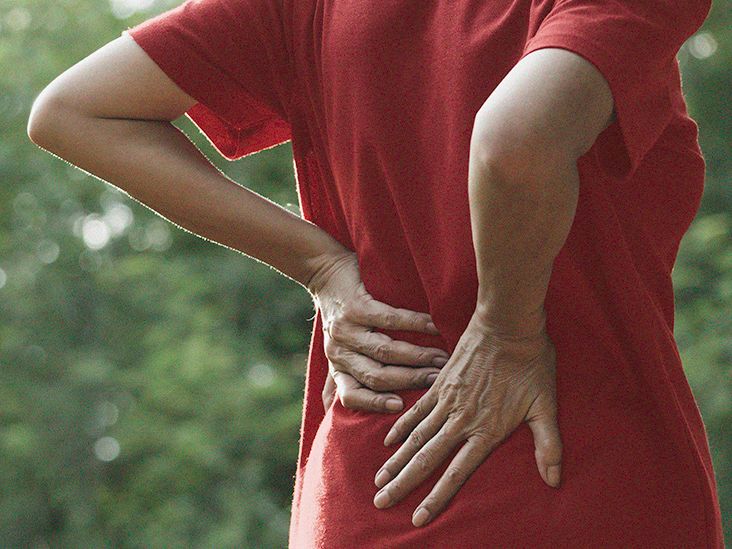
The main symptom is pain at the bottom of the spine, right above the buttocks. It may be mild while standing but much worse when sitting. Some people describe it as pressure, burning, stabbing, or a deep ache. Others simply describe it as “my chair is now my enemy,” which is not medical terminology, but everyone understands it.
Typical signs include:
- Pain or tenderness at the base of the spine
- Pain that gets worse when sitting, especially on hard surfaces
- Discomfort when standing up from a seated position
- Bruising or swelling near the tailbone area
- Pain during bowel movements due to pressure and muscle tension
- Discomfort during activities such as cycling, rowing, driving, or climbing stairs
Bruised tailbone symptoms often improve gradually. A mild injury may settle within days or a couple of weeks, while a more significant bruise may take about four weeks or longer. If there is a fracture, recovery can take eight to twelve weeks. Patience is part of treatment, even though patience is not exactly easy when sitting feels like a tiny thunderstorm.
What to Do Immediately After a Tailbone Injury
The first 48 hours matter. Early care can help reduce swelling, calm inflammation, and prevent the injury from becoming more irritated. The goal is simple: protect the area, reduce pressure, and avoid turning a bruise into a long-term pain project.
1. Rest and avoid painful activities
After a fall or direct hit, stop the activity that caused the pain. Avoid running, jumping, cycling, skating, heavy lifting, or long sitting sessions. Rest does not mean becoming a couch statue, but it does mean giving your tailbone a break from anything that increases pain.
2. Use ice during the first two days
Apply an ice pack wrapped in a thin towel for about 15 to 20 minutes at a time. During the first 48 hours, ice can help reduce pain and swelling. Never place ice directly on the skin, unless freezer burn is somehow on your to-do list, which it should not be.
3. Change positions often
Long periods of sitting can make tailbone pain worse. Stand, walk gently, or lie down when needed. When sitting is unavoidable, lean slightly forward to shift pressure away from the coccyx.
4. Avoid hard chairs
A hard chair can press directly on the tailbone and increase pain. Choose a cushioned seat, but avoid sinking into overly soft furniture that makes posture collapse. The best option is usually firm support with pressure relief at the back.
Best Home Treatments for Bruised Tailbone Pain Relief
Most bruised tailbone treatment starts at home. The right combination of pressure relief, pain control, gentle movement, and constipation prevention can make recovery smoother.
Use a coccyx cushion
A coccyx cushion is one of the most practical tools for tailbone pain relief. Look for a wedge-shaped cushion with a cut-out at the back. This design helps reduce direct pressure on the coccyx while keeping the pelvis supported. Some people use a donut cushion, but a coccyx cut-out cushion may feel better because it keeps pressure off the sore spot without forcing the hips into an awkward position.
Use the cushion when sitting at a desk, driving, eating, studying, gaming, or doing anything that requires chair time. It will not magically heal the injury overnight, but it can make daily life less dramatic.
Try over-the-counter pain relief carefully
Acetaminophen may help reduce pain. Nonsteroidal anti-inflammatory drugs, such as ibuprofen or naproxen, may help with pain and inflammation. Always follow the label directions, and do not combine medications carelessly. People with kidney disease, liver disease, stomach ulcers, bleeding problems, heart disease, high blood pressure, or those taking blood thinners should ask a healthcare professional before using these medicines.
Also, acetaminophen appears in many cold, flu, and prescription products, so it is easy to accidentally take too much. Read labels like they owe you money.
Switch from ice to heat when appropriate
After the first couple of days, some people feel better with heat. A warm pack, warm bath, or heating pad on a low setting may relax tight muscles around the pelvis and lower back. Use heat for 15 to 20 minutes at a time, and avoid falling asleep with a heating pad on.
Prevent constipation
Constipation can make tailbone pain worse because straining increases pressure around the pelvis and coccyx. Drink enough water, eat fiber-rich foods, and consider a stool softener if recommended by a healthcare professional. Good options include fruits, vegetables, oats, beans, whole grains, and soups. Your tailbone may be injured, but your digestive system does not need to join the rebellion.
Sleep in a pressure-relieving position
Sleeping on your side or stomach may reduce pressure on the tailbone. If side sleeping is more comfortable, placing a pillow between the knees can help keep the hips aligned. If stomach sleeping feels better temporarily, use a pillow setup that does not strain the neck.
Movements and Stretches That May Help
Gentle movement can support recovery, but aggressive stretching can irritate the injury. The best rule is simple: if a movement increases sharp pain, stop. Bruised tailbone recovery is not the time to audition for a flexibility competition.
Gentle walking
Short walks can improve circulation and reduce stiffness. Start with a few minutes at a comfortable pace. Walking should feel easier than sitting for many people with tailbone pain.
Child’s pose
Child’s pose may gently stretch the lower back and hips. Keep the movement slow, and stop if the stretch causes tailbone pressure.
Figure-four stretch
A gentle figure-four stretch may help relax the glutes and hips, which can reduce tension around the pelvis. Do not force the position. The goal is relief, not proving a point to your hamstrings.
Pelvic floor relaxation
Some tailbone pain is worsened by pelvic floor muscle tension. Slow breathing, relaxed belly breathing, and pelvic floor physical therapy can help when muscles around the coccyx become tight or guarded.
When to See a Doctor for Tailbone Pain
A bruised tailbone often improves on its own, but some symptoms need medical attention. You should contact a healthcare provider if pain is severe, does not improve as expected, or interferes with walking, sleeping, school, work, or bowel movements.
Get medical care promptly if you have:
- Sudden numbness, tingling, or weakness in one or both legs
- Loss of bladder or bowel control
- A sudden increase in pain or swelling
- Severe pain after a major fall, accident, or sports injury
- Fever, drainage, redness, or skin changes near the buttock crease
- Prolonged constipation or painful bowel movements that do not improve
- Pain lasting longer than several weeks without improvement
A clinician may examine the area, ask about the injury, check nerve symptoms, and sometimes order an X-ray or other imaging if a fracture, dislocation, infection, or another condition is suspected.
Medical Treatments for Persistent Tailbone Pain
If home care is not enough, medical treatment can help. The treatment depends on the cause, severity, and duration of pain.
Physical therapy
Physical therapy may include posture training, hip and glute strengthening, pelvic floor relaxation, breathing exercises, and gentle mobility work. A pelvic floor physical therapist may be especially helpful for people with pain during bowel movements, pelvic muscle tension, or pain that does not match the original injury.
Prescription medication
A healthcare provider may recommend stronger pain relief or anti-inflammatory treatment when over-the-counter options are not appropriate or effective. Medication should be used as directed, especially because pain relievers can have side effects.
Steroid injections or nerve blocks
For chronic coccydynia, a clinician may consider injections to reduce inflammation or block pain signals. A ganglion impar block may be discussed in certain cases of persistent tailbone pain. These treatments are usually considered after conservative care has failed.
Surgery is rare
Surgery to remove part or all of the coccyx, called coccygectomy, is rarely needed and is generally considered only after months of unsuccessful nonsurgical treatment. Most people never need surgery for a bruised tailbone.
What Not to Do With a Bruised Tailbone
Recovery can be slowed by habits that keep irritating the coccyx. Avoid sitting for hours without breaks, returning to high-impact sports too early, cycling before pain improves, or using pain medication to “push through” activity. Pain medicine should help you function, not give you a fake superhero license.
Also avoid deep massage directly over the injured tailbone unless recommended by a professional. The area may already be inflamed, and extra pressure can make symptoms worse.
How Long Does a Bruised Tailbone Take to Heal?
A mild bruised tailbone may improve within a few days to a couple of weeks. A more painful bruise can take around four weeks. If the coccyx is fractured, healing may take eight to twelve weeks. Recovery depends on the severity of the injury, overall health, activity level, posture, and how well pressure is reduced during daily life.
Progress is usually gradual. You may first notice that standing up hurts less, then sitting becomes easier, then longer drives or desk sessions become tolerable. Healing is rarely perfectly linear. Some days will feel better than others, especially after more activity.
Practical Daily Tips for Tailbone Pain Relief
At work or school
Use a coccyx cushion, stand between tasks, and avoid sitting in one position for too long. If possible, alternate between sitting and standing. Place both feet flat on the floor and lean slightly forward when sitting.
In the car
Driving can be surprisingly uncomfortable with tailbone pain. Use a cushion, adjust the seat angle, and take breaks on long drives. Heated seats may help some people after the early swelling phase, but avoid heat if it increases discomfort.
During exercise
Choose low-impact movement, such as walking, until pain improves. Avoid cycling, rowing, heavy squats, hard landings, and contact sports until sitting, bending, and walking are comfortable. Returning too soon can reset the recovery clock, and nobody wants a sequel called “Tailbone Pain 2: The Chair Strikes Back.”
Experience-Based Recovery Notes: What Tailbone Pain Feels Like in Real Life
In everyday recovery, a bruised tailbone is often less about one dramatic moment and more about dozens of tiny negotiations. The first negotiation usually happens with sitting. A person may discover that the soft couch is not actually their friend because it lets the pelvis sink backward, placing more pressure on the coccyx. A firm chair with a coccyx cushion may feel much better, even if it looks less cozy. Comfort, in this case, is not about fluffiness; it is about pressure control.
The second common experience is the “standing-up surprise.” Sitting may be tolerable for a while, but standing from that position can trigger a sharp reminder that the tailbone is still annoyed. Leaning forward before standing, using the arms of a chair, and moving slowly can reduce that sudden jolt. People often learn to stand up like a careful royal leaving a throne, which may look dramatic but works.
Another real-life issue is driving. Even a short car ride can feel longer when the seat presses on the sore area. A wedge cushion with a cut-out can help, but positioning matters. If the cushion slides or tilts the pelvis too far forward, it may create new discomfort in the hips or lower back. Small adjustments can make a big difference. The best setup is the one that reduces tailbone pressure while keeping the spine relaxed.
Sleep can also be strange for a few nights. Back sleeping may be uncomfortable because it places pressure near the injury. Side sleeping with a pillow between the knees often feels better. Some people prefer stomach sleeping temporarily, though it should not create neck strain. The goal is not to find a perfect magazine-worthy sleep posture; it is to find the position that lets the body rest.
Bowel movements are another practical detail people may not want to talk about, but they matter. Straining can make tailbone pain worse. Drinking water, eating fiber, and avoiding constipation can make recovery much more comfortable. This is one of those unglamorous health tips that deserves more applause than it gets.
Emotionally, tailbone pain can be frustrating because it interferes with ordinary life in oddly specific ways. You may feel fine walking across a room but miserable sitting through a meal. You may be able to stand at a counter but dread a long class, meeting, or movie. That mismatch can make the injury seem confusing. Still, gradual improvement is a good sign. Less pain when standing, fewer sharp moments, and longer comfortable sitting periods usually mean recovery is moving in the right direction.
The biggest lesson from common recovery experiences is this: do not rush. A bruised tailbone rewards boring consistency. Use the cushion, take breaks, keep stools soft, move gently, and respect pain signals. The tailbone may be tiny, but it has excellent public relations. When it is unhappy, the whole body gets the memo.
Conclusion
A bruised tailbone is painful, inconvenient, and occasionally ridiculous in how much it can affect simple tasks like sitting, driving, and standing up. Fortunately, most cases improve with conservative care: rest, ice during the first 48 hours, pressure relief with a coccyx cushion, careful use of pain relievers, constipation prevention, and gentle movement. Heat, stretching, and physical therapy may help as healing progresses.
See a healthcare provider if pain is severe, worsening, linked to numbness or weakness, or not improving after several weeks. While most bruised tailbones heal without major treatment, persistent coccydynia may need physical therapy, injections, or further evaluation. Treat the injury with patience and common sense, and your chair will eventually become furniture again instead of a villain.