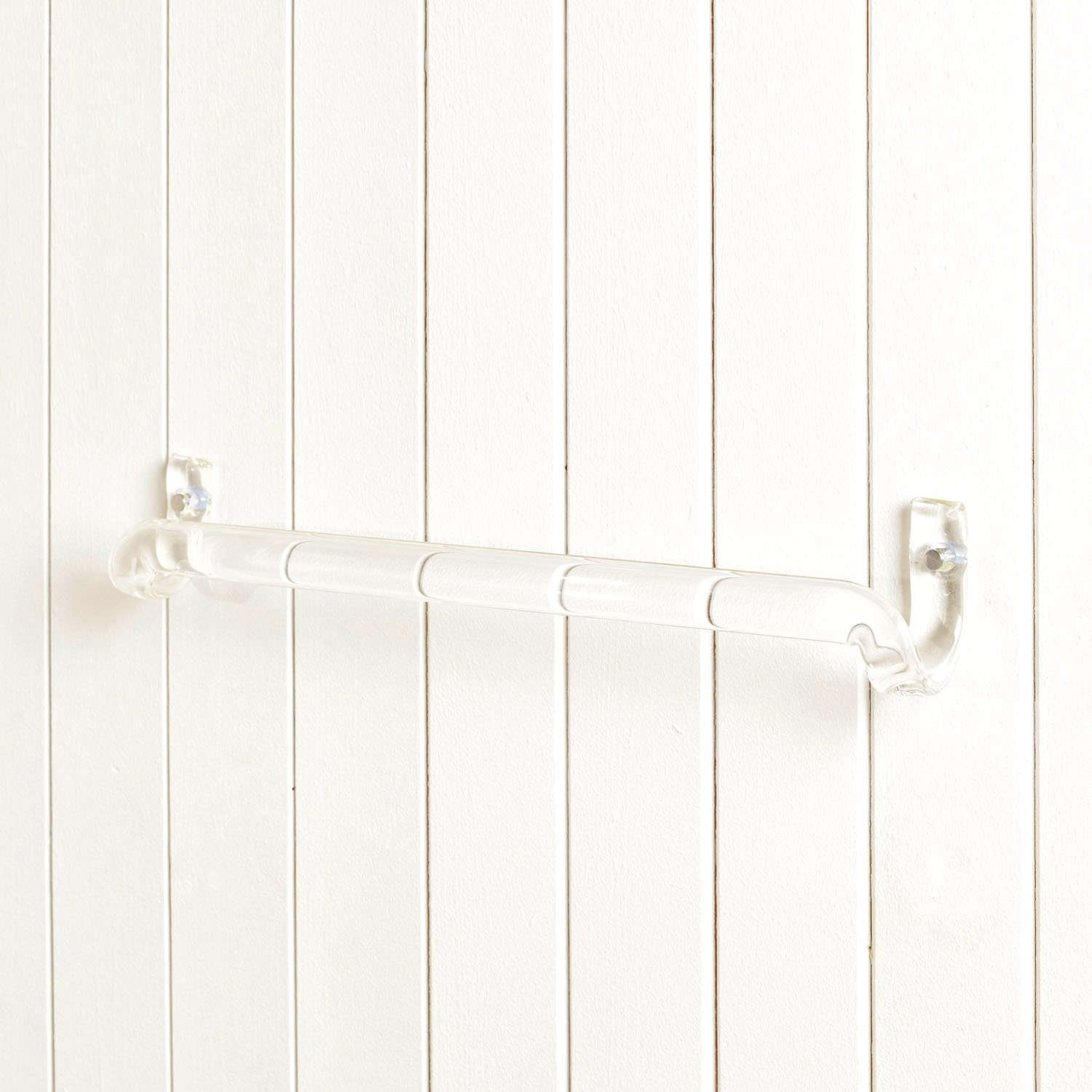

A borosilicate glass towel rail sounds like something a stylish scientist might install after reorganizing the bathroom with a lab coat and a laser level. But behind the fancy name is a surprisingly practical bathroom accessory: a towel bar made from a tough, heat-resistant type of glass commonly associated with laboratory glassware, cookware, lighting, and high-performance design objects.
Unlike ordinary glass, borosilicate glass is valued for its low thermal expansion, strong resistance to temperature changes, smooth surface, and elegant clarity. In towel rail form, it brings a clean, modern, almost floating look to the bathroom. It can feel minimalist without being boring, refined without shouting, and unusual enough to make guests say, “Wait, is that glass?”which is always more fun than discussing grout.
This guide explores what a borosilicate glass towel rail is, why homeowners and designers like it, where it works best, how to install and maintain one, and what to consider before choosing glass over stainless steel, chrome, brass, wood, or acrylic.
What Is a Borosilicate Glass Towel Rail?
A borosilicate glass towel rail is a wall-mounted towel bar or rail made primarily from borosilicate glass, often paired with metal mounting hardware such as chrome, brass, stainless steel, or mirror-polished screws. The rail may be a clear cylindrical rod, a softly curved hand-formed bar, or a sculptural piece designed as much for visual impact as daily towel storage.
Borosilicate glass contains silica and boron oxide, a combination that helps reduce thermal expansion. In simple English: it does not react as dramatically to temperature changes as standard soda-lime glass. That is why borosilicate glass has long been used in laboratory beakers, glass tubing, lighting components, and certain types of cookware.
For a bathroom towel rail, this does not mean you should swing from it like a movie hero escaping through a window. It is still glass. However, it does mean the material can be more stable, durable, and resistant to heat-related stress than many people expect when they hear the word “glass.”
Why Choose Borosilicate Glass for a Bathroom Towel Rail?
1. It Delivers a Clean, Modern Look
The biggest reason people fall for a glass towel rail is appearance. Clear borosilicate glass visually disappears against tile, plaster, marble, concrete, or painted walls. Instead of adding another heavy line to the bathroom, it creates a light architectural detail.
In a small bathroom, that visual lightness matters. A bulky towel rack can make a tight wall feel crowded. A transparent glass towel bar keeps the room feeling open while still giving towels a proper place to hang. It is especially attractive in minimalist, Scandinavian, spa-inspired, coastal, Japandi, and modern farmhouse bathrooms.
2. It Has Better Thermal Stability Than Ordinary Glass
Bathrooms experience temperature changes every day. Hot showers, cold tile, steam, ventilation, and changing humidity all create a demanding environment. Borosilicate glass is known for its low coefficient of expansion, which helps it tolerate heat changes better than conventional glass.
That does not turn it into superhero glass, but it does make it a thoughtful choice for damp, steamy rooms where durability and stability are important.
3. It Is Smooth and Easy to Wipe Clean
A smooth glass towel rail has fewer grooves and texture traps than some ornate metal or carved wood rails. Dust, lint, toothpaste mist, and mystery bathroom particlesevery bathroom has them, even the glamorous onescan usually be wiped away with a soft cloth.
Because borosilicate glass is nonporous, it does not absorb moisture like unfinished wood. It also does not develop the same kind of surface patina that certain metals can show over time. For people who like a fresh, polished bathroom, this is a major advantage.
4. It Pairs Well With Many Hardware Finishes
One underrated benefit of a clear glass towel rail is that it does not fight with other finishes. If your faucet is brushed nickel, your shower trim is chrome, and your cabinet pulls are matte black because decision fatigue is real, a glass rail can quietly connect the room without adding another competing metal tone.
For a more intentional design, pair clear borosilicate glass with polished chrome for a crisp modern look, unlacquered brass for warmth, matte black brackets for contrast, or stainless steel for a clean hotel-style finish.
Borosilicate Glass vs. Regular Glass Towel Bars
Not every glass towel bar is borosilicate. Some replacement towel bar rods are made from tempered glass, acrylic, or standard glass. While those materials can still work well, borosilicate glass offers a different performance profile.
Regular glass is typically more vulnerable to stress from sudden temperature changes. Tempered glass is strengthened through heat treatment and designed to break into smaller pieces rather than sharp shards, but it is not the same material as borosilicate glass. Acrylic is lightweight and inexpensive but can scratch more easily and may not have the same refined look.
Borosilicate glass sits in a premium category. It is valued for clarity, thermal shock resistance, chemical durability, and a smooth surface. For towel rails, that means it is often selected as a design-forward material rather than a basic builder-grade choice.
Best Places to Use a Borosilicate Glass Towel Rail
Primary Bathrooms
A borosilicate glass towel rail works beautifully in a primary bathroom where the design goal is calm, clean, and elevated. Install one near the shower or tub so a bath towel is within reach, but not so close that it is constantly soaked by direct spray.
Powder Rooms
In a powder room, a smaller glass rail or hand towel bar can make the space feel custom. Since powder rooms often have fewer wet towels and less steam than full baths, they are a low-stress place to enjoy a delicate-looking material.
Guest Bathrooms
Guest baths are ideal for stylish hardware because they need to feel thoughtful without being overdesigned. A clear glass towel rail can make simple white tile or painted drywall feel more curated.
Luxury Rental or Boutique Hospitality Spaces
For boutique hotels, short-term rentals, salons, or spa-like spaces, a borosilicate glass towel rail adds a memorable design touch. It communicates that the room was planned, not assembled during a clearance sale panic.
How to Choose the Right Size
Towel rails commonly range from about 18 inches to 30 inches wide, though custom pieces may be available. The right size depends on the towel type, wall space, and how many people use the bathroom.
18-Inch Rail
An 18-inch borosilicate glass towel rail is best for hand towels, compact bathrooms, powder rooms, or narrow walls. A bath towel can hang on it when folded, but it may not dry as quickly as it would on a wider bar.
24-Inch Rail
A 24-inch towel rail is the classic all-around choice. It gives a standard bath towel enough room to hang neatly when folded lengthwise and works well in most bathrooms.
30-Inch Rail or Larger
A wider rail is useful for bath sheets, shared bathrooms, or homeowners who prefer towels to hang with more breathing room. More air around the towel means better drying and less of that “forgotten gym bag” smell.
Installation Tips for a Borosilicate Glass Towel Rail
Installation matters with any towel bar, but it matters even more when the rail itself is glass. The mounting brackets must be secure, level, and properly spaced. A beautiful glass rail installed crookedly is not “artisan”; it is just annoying.
Mount at a Comfortable Height
A common towel bar height is roughly 42 to 48 inches from the floor. In children’s bathrooms or accessible spaces, a lower height may be more practical. The most important rule is simple: the towel should be easy to reach and should not drag on the floor.
Anchor It Properly
Whenever possible, attach at least one bracket to a wall stud. If studs are not available in the right location, use high-quality wall anchors appropriate for your wall type. Tile, drywall, plaster, and masonry all require different techniques.
For tile walls, use the correct drill bit, apply gentle pressure, and avoid rushing. Cracked tile is one of those home improvement surprises that instantly turns a 20-minute job into a weekend personality test.
Do Not Use It as a Grab Bar
A towel rail is for towels, not body weight. This is true for metal rails too, but it is especially important with glass. If someone in the household needs support getting in or out of a tub or shower, install a proper grab bar rated for safety and mounted according to code.
Care and Cleaning
A borosilicate glass towel rail is generally easy to maintain. For everyday cleaning, wipe it with a damp microfiber cloth. For spots or soap residue, use a mild dish soap solution or a glass-safe cleaner. Dry the rail afterward to prevent water spots, especially in areas with hard water.
Avoid abrasive pads, harsh scouring powders, or metal tools that could scratch the surface or damage the mounting hardware. If the rail has brass, chrome, or black metal brackets, clean those according to the finish manufacturer’s instructions.
Design Ideas for Styling a Borosilicate Glass Towel Rail
Pair It With White Tile
White subway tile or handmade zellige tile creates a perfect backdrop for clear glass. The rail adds function without interrupting the texture of the wall.
Use It With Stone or Marble
On marble, limestone, or quartz surfaces, glass keeps the design from becoming too heavy. It allows the veining and natural movement of the stone to remain the star.
Combine It With Warm Metals
Glass and brass make a beautiful combination. The glass feels cool and clean; the brass adds warmth. Together, they say “boutique hotel” without requiring a lobby.
Keep Towels Simple
Because the rail itself is subtle, the towel becomes part of the visual story. White, oatmeal, charcoal, sage, and soft blue towels look especially good on a transparent rail.
Pros and Cons of a Borosilicate Glass Towel Rail
Pros
- Elegant, modern, and visually light
- More heat-resistant than ordinary glass
- Smooth, nonporous, and easy to clean
- Works with many bathroom styles and hardware finishes
- Excellent choice for minimalist and luxury spaces
Cons
- Usually more expensive than standard towel bars
- Can still break under hard impact
- Requires careful installation
- May show water spots if not dried regularly
- Not suitable as a support or grab bar
Is a Borosilicate Glass Towel Rail Worth It?
A borosilicate glass towel rail is worth considering if you care about design details and want bathroom hardware that feels refined, unusual, and clean. It is not the cheapest option, and it is not the best choice for a rough-and-tumble kids’ bathroom where towels are launched like sports equipment. But for a thoughtful bathroom upgrade, it can be a standout feature.
The best candidate for this type of towel rail is someone who appreciates materials, notices small design details, and wants a bathroom that feels calm rather than cluttered. If you are renovating a bathroom with stone, tile, plaster, or high-end fixtures, glass can be the quiet finishing touch that makes the whole space feel intentional.
Real-World Experiences With a Borosilicate Glass Towel Rail
Living with a borosilicate glass towel rail is a little different from living with a standard metal bar. The first thing most people notice is how little visual space it takes up. In a small bathroom, this can be surprisingly satisfying. Instead of looking at a chunky horizontal metal bar every time you walk in, your eye moves across the wall more freely. The towel appears to float, especially when the brackets are minimal.
The second experience is tactile. A glass rail feels cool, smooth, and solid in the hand. It does not have the slight texture of brushed metal or the warmth of wood. That coolness can feel luxurious in a modern bathroom, especially beside stone counters or glossy tile. It gives the space a crisp, spa-like quality, as if the bathroom has decided to drink cucumber water and speak softly.
In daily use, the most important habit is hanging towels neatly. A glass rail looks best when the towel is folded cleanly or spread evenly. If you throw a damp towel over it in a twisted heap, the rail will still do its job, but the whole design effect disappears. This is not really the rail’s fault. Even a luxury towel bar cannot save a towel that looks like it lost a wrestling match.
Cleaning is generally simple. A quick wipe with a microfiber cloth keeps the glass clear. In hard-water areas, drying the rail after cleaning helps prevent spots. If the bathroom has poor ventilation, the bigger issue is not the glassit is moisture. Running the exhaust fan, opening a window when possible, and spacing towels so they can dry properly will make any towel rail perform better.
One practical lesson: installation should not be casual. Because the rail is transparent, small mistakes show. If the brackets are slightly uneven, the eye catches it. If the hardware is loose, the rail may shift. A careful installation with a level, correct anchors, and measured spacing makes the difference between “custom design feature” and “why does that look nervous?”
Another experience is that guests often notice it. Most people are used to chrome, nickel, black, or brass towel bars. A clear borosilicate glass towel rail feels unexpected. It can become a quiet conversation piece, particularly in a powder room or guest bath. It is not loud or flashy, but it has enough personality to feel special.
The only real drawback in everyday life is that glass asks for a little respect. You do not yank towels downward, hang heavy wet laundry from it, or let children treat it as a balance beam for bath-time acrobatics. Used normally, it is practical. Abused creatively, it may remind you that physics remains undefeated.
Overall, the experience is best described as refined practicality. A borosilicate glass towel rail holds towels, brightens the wall, cleans easily, and adds a polished design note without visual clutter. For homeowners who enjoy small upgrades that make a room feel more finished, it can be a surprisingly rewarding choice.
Conclusion
A borosilicate glass towel rail is more than a place to hang a towel. It is a design detail that blends material science with bathroom style. Its heat resistance, smooth surface, visual clarity, and modern appeal make it a strong choice for homeowners who want hardware that feels light, elegant, and memorable.
It will not replace a grab bar, and it may not be the best fit for every family bathroom. But in the right settingespecially a powder room, guest bath, primary bath, or boutique-style renovationit can transform an ordinary wall into a polished design feature. Choose the right size, install it securely, clean it gently, and give your towels enough space to dry. Your bathroom will look calmer, cleaner, and just a little more sophisticated. Not bad for a rail whose distant cousins probably spent their careers in a chemistry lab.