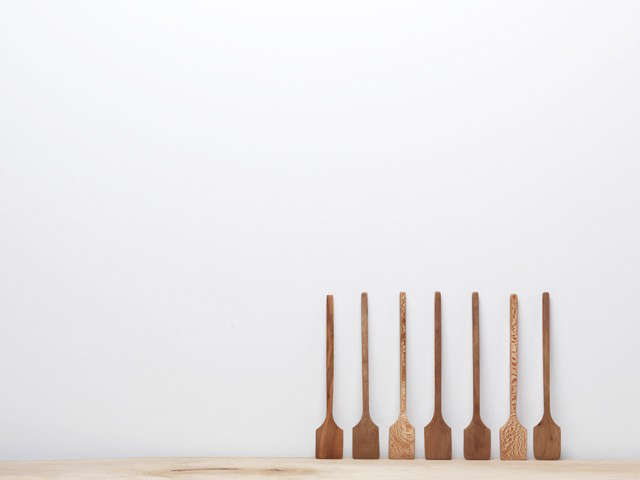

Some kitchen tools announce themselves with blinking buttons, Bluetooth settings, and enough packaging to build a small fort. Then there is Hampson Woods’ Porridge Spoon: quiet, handmade, practical, and deeply charming in the way only a well-shaped wooden utensil can be. It does not need a charging cable. It will not ask you to download an app. It simply waits beside the stove, ready to stir oats, fold batter, scrape the corner of a pot, or rescue a risotto before it becomes culinary wallpaper.
At first glance, this spoon looks beautifully simple. That is part of the magic. Hampson Woods describes it as a “spurtle-spoon,” a hybrid form inspired by traditional porridge-making and designed for more than just breakfast. Made from London plane wood, finished with HW Wood Balm, and shaped by hand, it belongs to that satisfying category of objects that feel better the more you use them. In a kitchen filled with stainless steel, silicone, plastic, and gadgets with mysterious removable parts, a wooden spoon with soul can feel almost rebellious.
This article takes a closer look at what makes the Hampson Woods Porridge Spoon special, how it compares with ordinary wooden spoons, why the material matters, how to care for it properly, and why this humble tool might become the kitchen favorite you reach for without thinking.
What Is Hampson Woods’ Porridge Spoon?
The Hampson Woods Porridge Spoon is a handmade wooden cooking spoon designed for stirring, scraping, flipping, and serving. The official product description calls it a “spurtle-spoon,” which hints at its personality. A spurtle is traditionally associated with stirring porridge, especially in Scotland, while a spoon adds the familiar bowl shape most cooks expect from a kitchen utensil. The result is a tool that bridges old-world breakfast ritual and modern everyday cooking.
Hampson Woods makes the spoon from London plane, a hardwood known for its distinctive grain and urban resilience. London plane trees are common in city landscapes, especially in London, where they tolerate pollution and compacted urban growing conditions surprisingly well. That resilience makes the material feel poetically appropriate for a kitchen tool: tough enough for daily work, handsome enough to leave out on the counter, and full of natural variation.
The spoon measures approximately 280 x 40 x 10 mm, making it slim, agile, and easy to control. A U.S. retailer listing also describes it as roughly 15 inches long, 2 inches wide, and 0.5 inches deep, though handmade dimensions can vary slightly. And that is important: no two Hampson Woods spoons are exactly alike. The one in your kitchen will not be a clone of the one in the product photo. It will have its own grain, tone, small quirks, and eventually, its own cooking history.
Why the Shape Matters
A good spoon is not just a spoon. Anyone who has tried to stir thick oatmeal with a flimsy utensil knows the difference between “tool” and “tiny wooden disappointment.” The Hampson Woods Porridge Spoon is shaped to be balanced in the hand, narrow enough to move through dense mixtures, and broad enough to handle more than porridge.
A Stirrer With Control
Porridge is a simple food, but it is also a great test of utensil design. Oats thicken, stick, bubble, and cling. A spoon that is too wide drags through the mixture like a canoe paddle in wet cement. A spoon that is too thin does not move enough food. The Hampson Woods design sits nicely between those extremes, offering enough surface area to stir effectively without feeling clumsy.
A Scraper Without Aggression
Wood is gentle on cookware, especially compared with metal. That matters if you cook with nonstick pans, enameled cast iron, ceramic-coated pots, or any surface that dislikes being attacked by a fork. The Hampson Woods Porridge Spoon can scrape the bottom of a pot in a controlled, non-abrasive way, helping prevent sticking without turning your cookware into a crime scene.
A Spoon That Can Flip
Hampson Woods notes that the spoon can stir, scrape, and flip. It will not replace a wide spatula for pancakes the size of a hubcap, but it is useful for small, soft foods: sautéed mushrooms, roasted vegetables, dumplings, gnocchi, or pieces of tofu. It has more personality than a standard mixing spoon and more grace than a bulky turner.
The Appeal of London Plane Wood
London plane is not as commonly discussed in American kitchens as maple, walnut, cherry, or beech, but it has a compelling presence. Its grain can be lively, with flecks and subtle patterning that make each finished piece visually unique. For a handmade spoon, this matters because the beauty is not printed on; it grows from the tree itself.
Wooden utensils are often valued because they are warm to the touch, comfortable to hold, and quiet against cookware. They do not clank against a pot the way metal does. They do not melt like some cheaper plastics. They do not look out of place in a bowl of oats, a pan of onions, or a jar of homemade jam. A well-made wooden spoon offers a kind of kitchen calm, which is not a bad thing when breakfast is happening before coffee has fully entered the bloodstream.
The use of London plane also supports the broader Hampson Woods identity: turning timber into functional objects that are pleasing to the hand and eye. The company’s work is often described in terms of longevity, craft, and the natural character of wood. This is not fast kitchenware. It is slow kitchenware in the best sense: made carefully, used daily, and allowed to age.
Handmade Character: The Spoon Gets Better With Use
One of the most appealing things about the Hampson Woods Porridge Spoon is the idea that it “takes on the character of your cooking.” That may sound romantic, but it is also true in a practical way. Wooden utensils develop a patina. Their color deepens. Tiny marks appear. The surface becomes familiar. Over time, the spoon becomes less like a product and more like a kitchen companion.
Mass-produced utensils aim for sameness. Handmade wooden utensils celebrate difference. A slight variation in grain or curve is not a flaw; it is the point. When you buy a handmade wooden spoon, you are not buying factory-perfect symmetry. You are buying a tool shaped by material, hand, and purpose. That makes it especially appealing for people who enjoy cooking not only as a task but as a ritual.
Best Uses for Hampson Woods’ Porridge Spoon
Despite its name, this spoon is not limited to porridge. In fact, naming it only after porridge may be a little unfair, like calling a Swiss Army knife a “tiny scissors holder.” Here are some of the best ways to use it.
Oatmeal and Breakfast Grains
This is the obvious starting point. Whether you make rolled oats, steel-cut oats, cream of wheat, rice porridge, or millet breakfast bowls, the spoon’s slim profile is ideal for steady stirring. It helps prevent sticking and gives you control as the mixture thickens.
Risotto, Polenta, and Creamy Dishes
Any dish that requires patient stirring benefits from a spoon that feels good in the hand. Risotto, polenta, grits, and custards are all strong candidates. The spoon is light enough for repetitive motion but sturdy enough to move heavier mixtures.
Soups, Stews, and Braises
The spoon can stir a simmering soup, fold ingredients through a stew, or nudge vegetables around a Dutch oven. Because wood does not conduct heat like metal, the handle remains comfortable during normal stovetop use.
Jam, Preserves, and Fruit Compotes
Wooden spoons are classic tools for jam-making because they can stir thick, sugary mixtures without scratching the pot. The Hampson Woods Porridge Spoon is not oversized, but it works well for smaller batches of compote, berry sauce, or citrus curd.
Baking Prep
Use it to fold wet and dry ingredients, stir muffin batter, mix pancake batter, or scrape the sides of a bowl. It is especially pleasant for small-batch baking, where a giant spoon can feel like operating construction equipment inside a mixing bowl.
How It Compares With Ordinary Wooden Spoons
Many wooden spoons are inexpensive, functional, and perfectly fine. But the Hampson Woods Porridge Spoon is more of a crafted object than a commodity utensil. The differences show up in material, balance, finish, and emotional appeal.
First, the spoon is made from a single piece of wood rather than assembled from multiple parts. This matters because a solid wooden utensil has fewer weak points. There are no glued seams to loosen and no separate handle to wobble. Second, the shape is more specialized than a generic oval spoon. Its narrow, elongated form gives it a spurtle-like utility, especially for stirring thick foods.
Third, the finish is part of the experience. Hampson Woods uses HW Wood Balm, a blend that includes mineral oil, beeswax, carnauba wax, and essences such as juniper and orange. This finish is intended to nourish and protect wood, helping it resist water and retain a smooth surface. A dry, neglected wooden spoon can become rough, cracked, and sad-looking. A properly finished and maintained one feels smooth and alive.
How to Care for Hampson Woods’ Porridge Spoon
A handmade wooden spoon is easy to care for, but it does have opinions. Ignore those opinions and it may crack, warp, or become the kind of utensil that looks like it spent a semester studying abroad in a swamp.
Hand-Wash Only
Wash the spoon by hand with mild soap and warm water. Do this shortly after use, especially if you have stirred tomato sauce, curry, berry compote, garlic-heavy soup, or anything that might stain or leave an aroma. Wooden utensils can absorb odors and color, so prompt cleaning helps preserve the spoon.
Never Soak It
Do not leave the spoon sitting in a sink full of water. Wood absorbs moisture, and prolonged soaking can lead to swelling, raised grain, cracking, or warping. The spoon may be beautiful, but it is not a submarine.
Skip the Dishwasher
Dishwashers are harsh on wooden utensils because of heat, detergent, and prolonged moisture. Even if a wooden tool survives a few cycles, it can become dry, rough, faded, or cracked over time. Hand-washing takes less than a minute and protects the spoon for years.
Dry Thoroughly
After washing, pat the spoon with a clean towel and let it air-dry completely before storing. A rack is better than a sealed drawer while the spoon is still damp. Air circulation is your friend; trapped moisture is not.
Recondition When Needed
If the spoon begins to look pale, dry, or slightly rough, apply a food-safe wood balm or mineral oil. Hampson Woods recommends its own HW Wood Balm for wooden wares, but another good-quality board oil or wax can also work. Rub a small amount into clean, dry wood, let it penetrate, and buff off the excess. This small ritual keeps the spoon smooth and handsome.
Why Wooden Utensils Still Belong in Modern Kitchens
Modern kitchens have more tools than ever, but wooden spoons remain beloved for good reasons. They are gentle on cookware, comfortable in the hand, durable when properly cared for, and naturally beautiful. They also invite a slower, more tactile kind of cooking. You feel the mixture changing through the handle. You notice when the oats thicken, when the onions soften, when the sauce begins to catch.
Compared with metal, wood is quieter and kinder to delicate surfaces. Compared with plastic, it feels more substantial and does not bring the same worries about melting or looking tired after a few months. Compared with silicone, it has warmth and character. Silicone may be practical, but it rarely becomes sentimental. Nobody says, “This spatula has been with our family for twenty years,” unless the family is unusually attached to flexible polymers.
The Hampson Woods Porridge Spoon fits into the current appreciation for durable, repairable, natural household objects. It is not about owning more kitchen gear. It is about owning fewer things that work better and age well.
Is It Worth the Price?
The Hampson Woods Porridge Spoon costs more than a basic supermarket wooden spoon. That is expected. You are paying for handwork, material selection, thoughtful design, and a small-batch object rather than a disposable kitchen accessory. Whether it is “worth it” depends on how you cook and what you value.
If you want the cheapest possible spoon for stirring boxed mac and cheese twice a month, this may be more spoon than you need. If you cook often, enjoy tactile tools, appreciate handmade objects, or like kitchenware that doubles as visual pleasure, it makes far more sense. It is also a thoughtful gift for people who love oatmeal, slow breakfasts, baking, handmade home goods, or the kind of kitchen objects that do not scream for attention but quietly earn loyalty.
Design Details That Make It Giftable
A good gift feels personal without being impractical. The Hampson Woods Porridge Spoon lands nicely in that zone. It is useful, beautiful, not too large, and easy to understand. You do not need to explain software compatibility, sizing charts, or whether the recipient already owns the correct charger. Everyone who cooks can use a good spoon.
It also pairs well with other gift ideas: a bag of high-quality oats, a jar of local honey, a ceramic bowl, a small tin of wood balm, a cookbook, or a set of handmade napkins. For a housewarming gift, it says, “May your kitchen be warm.” For a wedding gift, it says, “May you stir many things together and only occasionally argue about the dishwasher.” For yourself, it says, “I deserve a spoon that does not feel like it came free with a camping set.”
Buying Tips Before You Choose One
Because every spoon is unique, pay attention to the product description rather than expecting exact visual duplication. Look for the stated material, approximate dimensions, finish, and care instructions. If you are shopping from a U.S. retailer, note whether the listing describes the spoon as small, large, or standard, since Hampson Woods products may appear in different sizes or collections.
Also consider how you plan to use it. For daily oatmeal, sauces, and small pots, the classic porridge spoon size is practical. For large stockpots, preserving pans, or big-batch cooking, a longer or larger wooden spoon may be more suitable. The right spoon is the one that matches your pot, your hand, and your cooking rhythm.
Experience Section: Living With Hampson Woods’ Porridge Spoon
The real pleasure of the Hampson Woods Porridge Spoon begins after the first few uses. Out of the package, it is beautiful in a clean, almost gallery-like way. The grain catches the light, the shape looks intentional, and the surface feels smooth. But once it enters the kitchen, it becomes more interesting. It starts collecting ordinary moments: Monday oatmeal, rainy-day soup, late-night scrambled eggs, a pan of apples cooked with cinnamon because someone bought too many apples and became temporarily ambitious.
Using it for porridge feels especially satisfying. The spoon moves through oats with an easy rhythm, scraping the bottom of the pan without the hard edge of metal. There is a small but noticeable difference in sound. Metal clicks and clatters; wood murmurs. That may sound dramatic, but kitchens are full of small sensory details, and they matter. The quietness of wood makes early breakfast feel calmer, especially when the rest of the household is still asleep or pretending to be.
In thicker dishes, the spoon feels steady. Stirring polenta or risotto can turn into an arm workout if the utensil is awkward, but this spoon is light enough to handle comfortably. The narrow shape lets it move around the edges of a pan, and the bowl-like end provides enough surface to pull ingredients together. It is not a replacement for every utensil in the drawer, but it quickly becomes the one you reach for when you want control rather than brute force.
The spoon also changes how you treat your tools. Because it is handmade, you naturally become a little more mindful. You do not toss it carelessly into the sink under a mountain of plates. You wash it, dry it, and place it where it can breathe. This is not because it is fragile; it is because it feels worth caring for. That attitude can spread. Suddenly the cutting board gets oiled, the good knife gets dried immediately, and the kitchen begins to feel less like a storage area for appliances and more like a workspace with personality.
One of the nicest experiences is watching the spoon develop patina. The color may deepen slightly. The handle may become silkier where your hand naturally grips it. A faint mark from turmeric or berries may appear and then soften over time. These changes are not defects. They are the spoon becoming yours. In a world obsessed with keeping everything looking brand-new, there is something refreshing about a tool that improves emotionally as it shows use.
There is also a practical joy in leaving it visible. Many utensils are hidden in drawers because they are useful but not exactly decorative. The Hampson Woods Porridge Spoon can sit in a crock beside the stove and look like it belongs there. It brings a small handmade note to the room. Even when not in use, it suggests cooking, warmth, and the possibility of something good bubbling away.
After a few weeks, the spoon tends to become part of the kitchen routine. You may still own metal whisks, silicone spatulas, tongs, ladles, and all the usual suspects, but the wooden porridge spoon earns a special role. It is the tool for quiet cooking, for gentle stirring, for foods that need attention but not aggression. It turns breakfast into a small ritual and dinner prep into something a little more grounded. That is a lot for a spoon to accomplish, but good design often works quietly.
Conclusion
Hampson Woods’ Porridge Spoon is more than a pretty wooden utensil. It is a thoughtfully shaped, handmade cooking tool made from London plane wood, finished for daily use, and designed to stir, scrape, flip, and serve with ease. Its charm lies in the balance between usefulness and character. It works hard, looks beautiful, and becomes more personal the longer it lives in your kitchen.
For cooks who appreciate natural materials, handmade craftsmanship, and tools that age gracefully, this spoon is a small but meaningful upgrade. It will not revolutionize breakfast with lasers or artificial intelligence. Thank goodness. It will simply make the act of stirring porridge, soup, risotto, or sauce feel better. Sometimes that is exactly what good kitchen design should do.