
Some people journal. Some meditate. Some reorganize their sock drawer with the emotional intensity of a military operation. Me? I doodle animals saying ridiculous things. Give me a blank page, a half-working pen, and five unsupervised minutes, and suddenly there is a raccoon in a bow tie declaring, “I object to this casserole,” or a pigeon whispering, “I have seen the spreadsheets, and they are haunted.”
At first glance, silly animal doodles may look like tiny acts of nonsense. And, to be fair, they absolutely are. But they are also tiny acts of imagination, humor, observation, and storytelling. A doodled animal with a ridiculous speech bubble can turn a boring afternoon into a miniature comedy show. It can make a dog look like a disappointed accountant, a frog sound like a dramatic poet, and a squirrel behave like someone who just discovered email.
The charm of this creative habit is simple: animals already have expressive faces, odd body language, and personalities we cannot help inventing. Add one absurd sentence, and suddenly the doodle becomes a whole world. A cat is no longer just sitting in a box; it is “managing the branch office.” A duck is not simply waddling; it is “late for a very serious pond meeting.” A goat is not staring into space; it is “thinking about buying a tiny boat.”
Why Animal Doodles Are So Funny
Animal doodles work because they play with contrast. We know animals do not actually file taxes, complain about brunch, or question the emotional stability of printer paper. That is exactly why it is funny when a hamster in a badly drawn sweater says, “I am not emotionally available for lettuce today.” The joke lives in the gap between what the animal is and what the animal seems to be thinking.
Humans have always enjoyed giving animals human traits. From fables and cartoons to memes and picture books, talking animals let us laugh at ourselves without feeling personally attacked. A grumpy owl can express workplace burnout. A melodramatic goldfish can represent Monday morning. A tiny beetle saying, “I brought snacks and unresolved issues,” is basically a family reunion in six legs.
The Power of Anthropomorphism
Anthropomorphism is the fancy word for giving human thoughts, feelings, or behaviors to nonhuman things. It sounds like something a professor would write on a chalkboard while wearing elbow patches, but in practice it is what happens when you look at your dog and say, “He knows exactly what he did.”
When we doodle animals saying ridiculous things, we use anthropomorphism in a playful way. The animal becomes a character. Its posture, expression, and species all shape the joke. A turtle saying, “I’ll get there emotionally by Thursday,” is funny because turtles are slow. A possum saying, “I am not dead; I am simply avoiding networking,” is funny because possums are famous for dramatic survival tactics. A llama saying, “I reject your energy and your haircut,” works because llamas already look like judgmental fashion consultants.
Doodling Is More Than Scribbling
Doodling often gets dismissed as a distraction, but it can also be a low-pressure way to think, relax, and stay creatively alert. The best part is that doodles do not demand perfection. A doodle can have wobbly lines, uneven eyes, and a foot that looks suspiciously like a potato. In fact, imperfection often makes the drawing funnier.
When you doodle, you are not trying to create a museum masterpiece. You are letting your brain wander just enough to catch strange little ideas as they float by. That mental looseness is where many ridiculous animal captions are born. One second you are drawing a sheep; the next second the sheep is saying, “I came here to graze and cause mild confusion.” Congratulations: art has happened.
Why Imperfect Lines Make Better Jokes
Polished art can be beautiful, but messy doodles have a special kind of honesty. A slightly crooked rabbit can look more relatable than a perfectly rendered one. A lopsided crow with tiny shoes can carry an entire personality in three lines. The roughness tells the viewer, “Relax. This is not a formal event. The penguin is wearing a hat made of anxiety.”
That casual style also helps the humor land faster. A doodle is immediate. The viewer does not need to study shadows, anatomy, or composition. They see the animal, read the line, and laugh. It is visual comedy at snack size.
How Ridiculous Animal Captions Are Born
Writing captions for animal doodles is part observation, part nonsense, and part overhearing your own brain being weird. The goal is not always to write the cleverest joke. Sometimes the funniest line is the most specific one.
For example, “I am sad” is plain. “I dropped my tiny sandwich into the emotional pond” is ridiculous. “I’m tired” is ordinary. “I have been awake since Tuesday thinking about soup” is better. Specificity makes silliness memorable. The stranger the phrase, the more it feels like the animal has a secret life.
Start With the Animal’s Natural Vibe
Every animal comes with a built-in comedic personality. Cats look unimpressed. Dogs look optimistic. Frogs look like they know gossip from the swamp. Raccoons look like they have committed at least one snack-related felony. Birds look either majestic or deeply confused, with no middle setting.
When creating a doodle, start by asking: what does this animal seem like it would complain about? A hedgehog might say, “I am soft emotionally, but heavily defended.” A cow might say, “I have been thinking about grass in a professional capacity.” A flamingo might say, “Balance is my brand, chaos is my hobby.” The caption should feel unexpected but somehow right.
Give the Animal a Human Problem
One of the easiest ways to make an animal doodle funny is to give the animal a very human problem. Imagine a crab dealing with customer service, a giraffe trying to find a turtleneck, or a moth refusing to answer emails because the lamp is “being dramatic again.”
Human problems become funnier when filtered through animal bodies. A snail running late is funny because, well, good luck, buddy. A penguin trying to “dress business casual” is funny because the penguin already looks like it owns a tiny tuxedo. A bear saying, “I’m not ignoring you, I’m entering my seasonal rebrand,” turns hibernation into corporate strategy.
Examples of Ridiculous Animal Doodle Ideas
Need inspiration? Here are a few animal doodle concepts that practically write themselves:
- A raccoon holding a coffee cup: “I found this in the trash, and now I’m management.”
- A turtle wearing sunglasses: “I arrive when the plot requires me.”
- A nervous fish: “I have concerns about the bowl’s open floor plan.”
- A goat on a hill: “I did not climb this far to respect your opinion.”
- A pigeon with a briefcase: “The crumbs report is due by noon.”
- A frog in a tiny crown: “I was promised a kingdom, but received dampness.”
- A duck looking offended: “That bread had emotional consequences.”
These jokes work because they combine a recognizable animal trait with an absurd human attitude. The result is short, visual, and shareable. It feels like a comic strip that skipped the setup and went straight to the punchline.
Why People Love Funny Animal Art Online
Funny animal drawings are perfect for the internet because they are fast to understand and easy to enjoy. People scroll quickly, but a ridiculous animal doodle can stop them for a second. It offers a tiny break from headlines, work messages, bills, and the suspicious number of tabs open on everyone’s browser.
Animal humor also feels approachable. It is rarely mean. A doodled otter saying, “I brought snacks and questionable plans,” is silly without being cruel. In a digital world that can feel loud and argumentative, gentle absurdity has real appeal. It is humor with soft paws.
Relatability Wrapped in Fur, Feathers, and Scales
The best ridiculous animal doodles are not random for the sake of being random. They are relatable in disguise. A sleepy bear saying, “I support your goals from under this blanket,” is funny because many people understand that mood. A squirrel shouting, “I had one idea and it escaped,” captures the exact feeling of walking into a room and forgetting why.
Animals give us emotional distance. We can laugh at stress, awkwardness, procrastination, overthinking, and social exhaustion because a goose is saying it for us. And honestly, a goose can get away with saying almost anything. Who is going to argue with a goose? Not me. I value my ankles.
How to Create Your Own Animal Doodles
You do not need expensive supplies to start doodling animals saying ridiculous things. A notebook, sticky note, napkin, or the back of an old receipt will do. The barrier to entry should be low enough that your inner critic does not have time to put on a blazer and call a meeting.
Step 1: Pick a Simple Animal Shape
Start with basic forms. A cat can be a circle, two triangles, and a tail. A bird can be a bean with a beak. A turtle can be a half-circle with legs. A fish can be an oval with fins and an expression of deep aquatic concern.
Do not worry about realism. The goal is personality, not scientific accuracy. If your horse looks like a confused table with bangs, keep going. That horse has seen things.
Step 2: Add One Strong Expression
Eyes and eyebrows do most of the comedy work. Tiny dot eyes can look blank and hilarious. Heavy eyelids can make any animal seem unimpressed. One raised eyebrow can turn a duck into a detective.
Mouths are optional but powerful. A tiny frown makes a rabbit look betrayed. A small smile makes a shark look like it is trying very hard to be invited to brunch. A straight line can make a hamster look like it just read the terms and conditions.
Step 3: Write the Caption Last
Sometimes the drawing suggests the caption. If your owl looks judgmental, let it say something judgmental. If your frog looks deeply tired, give it a line like, “I was once a tadpole with dreams.” The caption should feel like it belongs to that exact animal in that exact awkward little moment.
Keep the wording short. A good speech bubble has snap. It should be easy to read at a glance. Think of it as a one-line comedy performance by a creature with no formal training.
What Makes a Ridiculous Line Work?
A ridiculous line usually works best when it includes at least one of three ingredients: surprise, specificity, or emotional truth. Surprise makes the viewer laugh because the line goes somewhere unexpected. Specificity makes it feel original. Emotional truth makes it relatable.
For example, a lizard saying, “I am sunbathing for legal reasons” is surprising. A hamster saying, “Please respect my tiny filing system” is specific. A sloth saying, “I will respond with enthusiasm in three to five business naps” is emotionally true. Combine all three, and you have a doodle worth taping to the fridge.
Use Serious Language for Silly Situations
One reliable comedy trick is to give a tiny animal a very formal sentence. A mouse saying, “I must decline your cheese proposal at this time” is funnier than “No cheese.” A goose saying, “Your picnic has entered my jurisdiction” is better than “I want bread.” Formal language makes the animal sound like it has authority it absolutely does not deserve.
Use Tiny Stakes
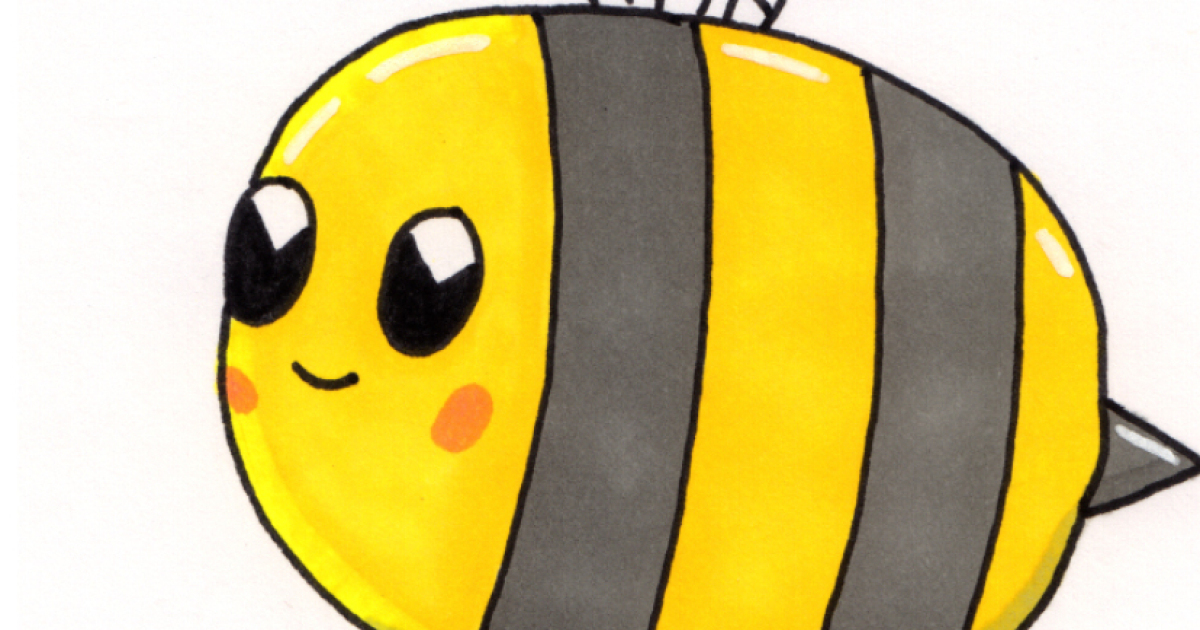
Another trick is to make a small problem sound enormous. A bee can say, “The flower meeting has been compromised.” A caterpillar can say, “I am in a transitional era.” A squirrel can say, “The acorn situation has escalated beyond finance.” Tiny stakes create big comedy because the drama is wildly disproportionate.
The Creative Benefits of Doodling Animals
Doodling animals can help artists, writers, students, and everyday creative people loosen up. Because the drawings are small and silly, they remove pressure. You are not trying to impress anyone. You are simply letting a duck say something unhinged.
This kind of playful drawing can also strengthen storytelling skills. Every doodle asks a tiny question: who is this character, what are they feeling, and what ridiculous thing would they say? That is character development in miniature. A doodled bat complaining about daylight savings time is technically world-building. Very small world-building, but still.
A Low-Stress Way to Practice Art
If you are learning to draw, animal doodles are a friendly practice tool. You can repeat shapes, try different expressions, and experiment with poses without feeling trapped by perfection. Over time, you may notice that your lines become more confident and your jokes become sharper.
Even better, the mistakes often become part of the style. A badly drawn paw may inspire a caption: “I was assembled during a weather event.” A bird with one enormous eye might say, “I saw one thing and overcommitted.” In doodle comedy, accidents are not failures. They are unpaid collaborators.
Turning Animal Doodles Into a Series
If you enjoy doodling animals saying ridiculous things, consider turning it into a small creative series. You might draw one animal every morning, create themed collections, or post weekly doodles online. Themes can make the process easier and more fun.
Try “Animals at Work,” featuring a hedgehog in human resources and a seal leading a budget meeting. Try “Animals With Big Feelings,” starring a raccoon who needs a quiet corner and a sheep who has complicated thoughts about wool. Try “Animals Giving Bad Advice,” where a crow says, “Shiny first, consequences later.”
Build a Repeatable Style
A repeatable style helps people recognize your work. That does not mean every doodle must look identical. It means your drawings share a certain personality. Maybe your animals have tiny shoes. Maybe they all look mildly alarmed. Maybe every speech bubble sounds like it came from a creature who has read too many self-help books.
Consistency makes the series feel intentional. It also helps readers know what kind of joy they are getting. They return because they expect charming nonsense, and charming nonsense is a valuable public service.
Experience Section: What I Learned From Doodling Animals Saying Ridiculous Things
My experience with doodling animals saying ridiculous things began as a tiny escape hatch from ordinary days. I did not sit down with a grand artistic mission. I did not announce, “Today I shall redefine the cultural meaning of cartoon raccoons.” I simply started sketching little animals in the margins of notes, on envelopes, and sometimes on pages that were supposed to contain responsible adult planning. The animals arrived first. The ridiculous things came shortly after.
One of the first lessons I learned is that animals make excellent emotional translators. A person saying, “I am overwhelmed,” may sound serious. A frog saying, “The pond has too many notifications,” makes the same feeling lighter without erasing it. The doodle gives stress a costume. Once stress is wearing frog legs and sitting on a lily pad, it becomes easier to laugh at.
I also learned that the funniest ideas usually appear when I stop trying too hard. If I sit down and demand a perfect joke, my brain responds by leaving the room. But if I casually draw a raccoon with suspicious eyebrows, a line often wanders in by itself: “I have no receipts, only confidence.” That is the strange magic of doodling. The hand moves, the mind loosens, and suddenly a goat has opinions about customer service.
Another experience that surprised me is how much personality can fit into a few lines. A bird does not need detailed feathers to look offended. A cat does not need realistic anatomy to radiate judgment. A turtle with tired eyes can communicate an entire philosophy of slow survival. This taught me that expression matters more than polish. A simple doodle can feel alive if the attitude is clear.
Sharing these doodles with others adds another layer of fun. People often respond by saying, “That is exactly how I feel,” which is hilarious when the drawing is a penguin muttering, “I wore formalwear and still feel unprepared.” Ridiculous animal doodles create quick little moments of connection. They let people recognize themselves in a creature that has no business understanding their inbox, commute, family drama, or need for snacks.
There is also comfort in making something small. Not every creative act has to become a huge project. Sometimes a tiny drawing of a snail saying, “Progress is progress, Deborah,” is enough. It reminds me that creativity can be playful, portable, and imperfect. It does not always need a studio, a strategy, or a dramatic soundtrack. Sometimes it only needs a pen and a willingness to let a duck complain about soup.
Over time, doodling animals saying ridiculous things became more than a habit. It became a way of noticing the world. A tired dog in a park, a pigeon strutting like a CEO, a squirrel freezing mid-chaos on a fenceeach one feels like a potential character. The real world is already full of visual punchlines. Doodling simply gives them subtitles.
The biggest lesson is this: ridiculousness is useful. It softens hard days. It invites laughter. It turns awkward feelings into tiny cartoons. It proves that creativity does not have to be serious to be meaningful. A doodled animal saying something absurd may not solve every problem, but it can make the moment brighter. And sometimes, a brighter moment is exactly what we need.
Conclusion
Doodling animals saying ridiculous things is a small creative act with a surprisingly big personality. It blends humor, observation, storytelling, and simple drawing into bite-sized entertainment. Whether you are sketching a dramatic squirrel, a suspicious fish, or a frog with executive energy, the goal is not perfection. The goal is to capture a funny little thought before it runs off into the bushes.
These doodles remind us that creativity can be casual and joyful. They prove that a wobbly line can carry a joke, a speech bubble can create a character, and an ordinary animal can become unforgettable with the right ridiculous sentence. So grab a pen, pick an animal, and let it say the thing no one expected. Somewhere out there, a raccoon is ready to become middle management.
Note: This article is written as original, publish-ready English web content based on widely recognized ideas about doodling, humor, animal behavior, creativity, and online visual storytelling, without unnecessary citation placeholders or copied source text.