
Osteoarthritis can make everyday movement feel like your joints are negotiating a tiny labor strike. One day your knee is fine, the next day it objects to stairs, weather changes, long walks, or simply existing before coffee. While food cannot rebuild worn cartilage like a magic construction crew, a smart osteoarthritis diet can support joint health, help manage inflammation, improve energy, and make weight management easierespecially for knees, hips, feet, and the lower back.
This article is written like a friendly companion to a video on 5 diet tips to help your osteoarthritis. Think of it as the “pause, rewind, and actually write this down” version. The goal is not to chase miracle foods or punish yourself with a joyless plate of steamed sadness. The goal is to build a sustainable, anti-inflammatory eating pattern that helps your body feel more supported from the inside out.
Before we start, here is the sensible medical disclaimer in plain English: osteoarthritis is a joint condition, not a food allergy. Diet alone is not a cure, and results vary. However, nutrition can influence body weight, inflammation, blood sugar, heart health, muscle strength, and daily pain sensitivity. That makes food a useful tool in your osteoarthritis management toolbox, right next to movement, sleep, physical therapy, medications when needed, and shoes that do not secretly hate your knees.
What Osteoarthritis Has to Do With Food
Osteoarthritis is often described as “wear and tear,” but that phrase is a little too simple. It involves changes in cartilage, bone, ligaments, joint lining, muscles, and inflammation signals. The condition commonly affects the knees, hips, hands, spine, and feet. When joint tissues become irritated or damaged, stiffness, pain, swelling, reduced mobility, and that classic “I need a minute before I stand up” feeling may appear.
So where does diet fit in? First, carrying extra body weight increases stress on weight-bearing joints. Even modest weight loss may reduce pressure on the knees and hips. Second, body fat is metabolically active, meaning it can produce inflammatory chemicals that may influence pain and joint symptoms. Third, nutrient-dense foods provide antioxidants, healthy fats, fiber, protein, vitamins, and minerals that support muscles, bones, connective tissue, and overall resilience.
In other words, a good diet for osteoarthritis is not about one superhero ingredient. It is about building a plate that repeatedly tells your body, “We are reducing inflammation, supporting movement, and not making your joints carry extra drama today.”
5 Diet Tips to Help Your Osteoarthritis
1. Build a Mediterranean-Style Plate
If osteoarthritis had a favorite eating pattern, the Mediterranean-style diet would probably get invited to every dinner party. This approach emphasizes vegetables, fruits, whole grains, beans, lentils, nuts, seeds, olive oil, herbs, fish, and moderate portions of poultry or low-fat dairy. It limits ultra-processed foods, heavy amounts of red meat, refined carbohydrates, and sugary snacks.
The Mediterranean diet is helpful because it is rich in anti-inflammatory nutrients and naturally supports weight management without turning meals into a math exam. Instead of obsessing over every calorie, you focus on real foods that are filling and satisfying. A bowl with brown rice, roasted vegetables, chickpeas, salmon, olive oil, lemon, and herbs is not “diet food.” It is dinner with a passport and a better attitude.
A simple osteoarthritis-friendly plate can look like this: half the plate vegetables and fruit, one quarter lean protein, and one quarter whole grains or starchy vegetables. Add a small amount of healthy fat, such as extra-virgin olive oil, avocado, walnuts, or seeds. This plate pattern helps you get fiber, vitamins, minerals, and protein while keeping portions balanced.
Practical examples include oatmeal with berries and walnuts for breakfast, a turkey and avocado wrap with leafy greens for lunch, or grilled fish with quinoa and roasted broccoli for dinner. The point is not perfection. The point is repetition. Your joints do not need one perfect salad; they need weeks and months of meals that support a healthier internal environment.
2. Add Omega-3 Fats Without Turning Dinner Into a Science Project
Omega-3 fatty acids are healthy fats found in fatty fish such as salmon, sardines, trout, tuna, herring, and mackerel. They are also found in plant foods like walnuts, chia seeds, flaxseeds, and soy foods, although plant omega-3s are converted differently in the body. Omega-3s are often discussed because they may help regulate inflammatory processes.
For people with osteoarthritis, omega-3-rich foods are a smart addition because they fit into a heart-healthy, anti-inflammatory diet. That matters because joint health and heart health are not separate planets. Many people with osteoarthritis are also managing blood pressure, cholesterol, blood sugar, or reduced activity levels. Eating more fish, nuts, and seeds can support multiple goals at once.
Try salmon tacos with cabbage slaw, sardines on whole-grain toast, tuna over a big salad, or chia seeds stirred into yogurt. If fish is not your favorite, start small. A lemony tuna salad with herbs is much less intimidating than a giant fish fillet staring back at you from the plate. For plant-based meals, use tofu, edamame, walnuts, ground flaxseed, or chia pudding.
Be cautious with supplements. Fish oil, turmeric, glucosamine, collagen, and other products are often marketed for joint pain, but supplements are not risk-free. They can interact with medications, affect bleeding risk, or be inappropriate for certain health conditions. Food first is usually the safer and more sustainable strategy. If you are considering supplements, talk with your doctor, pharmacist, or registered dietitian.
3. Eat More Colorful Plants for Antioxidants, Fiber, and Joint-Friendly Nutrients
Colorful fruits and vegetables are not just pretty. They contain antioxidants and plant compounds that help protect cells from oxidative stress. Oxidative stress is one of the processes linked with inflammation and tissue damage. While a bowl of berries will not make your knee cartilage grow back overnight, regularly eating plants can support a healthier inflammatory balance.
Great choices include berries, cherries, oranges, apples, grapes, leafy greens, broccoli, cabbage, bell peppers, carrots, tomatoes, sweet potatoes, onions, garlic, and herbs. Vitamin C-rich foods such as citrus, strawberries, and peppers help support collagen formation. Leafy greens and cruciferous vegetables provide vitamin K, folate, fiber, and other useful nutrients. Beans and lentils bring fiber and plant protein, which help you feel full and support stable energy.
Fiber deserves special applause. It helps with digestion, blood sugar control, cholesterol management, and appetite regulation. It also feeds beneficial gut bacteria, which may influence inflammation in the body. If your current fiber intake is low, increase gradually and drink water. Your digestive system appreciates polite introductions, not surprise bean festivals.
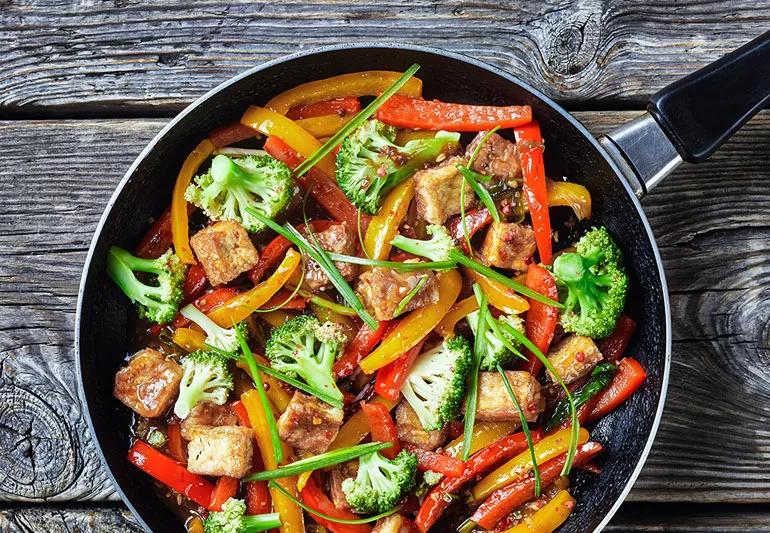
An easy rule is to add one plant food to meals you already eat. Add spinach to scrambled eggs, berries to oatmeal, beans to soup, cucumber to sandwiches, or frozen vegetables to stir-fries. Frozen produce is perfectly acceptable and often budget-friendly. Osteoarthritis-friendly eating does not require a luxury grocery store or a countertop full of mysterious powders.
4. Choose Protein That Supports Muscle Around the Joint
Strong muscles help support joints. If your quadriceps, glutes, hips, calves, and core are stronger, your knees and hips often get better assistance during daily movement. Diet plays a role because muscle maintenance requires enough protein, especially as people age or become less active due to joint pain.
Osteoarthritis-friendly protein choices include fish, poultry, eggs, Greek yogurt, cottage cheese, beans, lentils, tofu, tempeh, edamame, nuts, seeds, and lean cuts of meat in moderation. Pairing protein with fiber-rich carbohydrates and healthy fats can help prevent energy crashes and reduce snack attacks. For example, Greek yogurt with berries and walnuts is more satisfying than a sugary pastry that waves hello and disappears in six bites.
Protein is also helpful during weight management. When people cut calories too aggressively without enough protein, they may lose muscle along with fat. That is not ideal for osteoarthritis because the goal is not just to weigh less; the goal is to move better, feel stronger, and reduce unnecessary joint stress.
If chewing, cooking, or hand arthritis makes food preparation difficult, choose low-effort protein options: canned salmon, rotisserie chicken, pre-cooked lentils, hard-boiled eggs, Greek yogurt cups, tuna packets, hummus, tofu cubes, or frozen turkey meatballs with simple ingredients. Convenience is not a moral failure. It is a strategy.
5. Reduce Added Sugar, Refined Carbs, Fried Foods, and Ultra-Processed Snacks
No single food “causes” osteoarthritis flare-ups for everyone. However, many highly processed foods can make weight management harder and may promote inflammation when eaten frequently. Common culprits include sugary drinks, candy, pastries, refined white bread, chips, fast food, processed meats, deep-fried foods, and snacks high in saturated or trans fats.
Added sugar is especially sneaky. Sweetened coffee drinks, soda, sports drinks, bottled teas, breakfast cereals, flavored yogurts, and sauces can add up quickly. These foods may increase calorie intake without keeping you full. If weight loss or blood sugar control is part of your osteoarthritis plan, cutting back on liquid sugar is one of the simplest first steps.
Refined carbohydrates are another area to watch. White bread, crackers, cookies, and many packaged snacks digest quickly and can leave you hungry again soon. Swap them for whole grains when possible: oats, brown rice, quinoa, barley, whole-grain bread, whole-wheat pasta, or popcorn without a butter avalanche.
This does not mean you can never eat pizza, fries, birthday cake, or a cookie that calls your name from the kitchen. Food guilt is not anti-inflammatory; it is just annoying. Instead, think in patterns. If most of your meals are built from whole foods, occasional treats can fit. The goal is to make supportive foods your default, not to become the food police at every family gathering.
A Sample Day of Eating for Osteoarthritis Support
Here is a realistic sample day that uses the five diet tips without making you cook like a celebrity chef with unlimited assistants.
Breakfast
Oatmeal topped with blueberries, ground flaxseed, cinnamon, and a spoonful of walnuts. Add Greek yogurt or a boiled egg on the side if you need more protein.
Lunch
A large salad bowl with leafy greens, roasted vegetables, chickpeas, grilled chicken or tofu, olive oil, lemon juice, and a small serving of quinoa or whole-grain pita.
Snack
Apple slices with peanut butter, carrots with hummus, or cottage cheese with fruit. Choose something that combines fiber and protein so you are not raiding the pantry at 4 p.m. like a raccoon in sneakers.
Dinner
Baked salmon or trout with roasted sweet potato and broccoli. Use herbs, garlic, lemon, and olive oil for flavor. If fish is not an option, try turkey chili with beans or a tofu vegetable stir-fry.
Drink Choices
Water, sparkling water without added sugar, unsweetened tea, or coffee in moderation. If you drink alcohol, keep it moderate and ask your healthcare professional if it is safe with your medications and health conditions.
Common Mistakes to Avoid
Expecting One Food to Fix Everything
Turmeric, cherries, olive oil, salmon, and green tea all get attention for good reasons, but no single food can outwork an overall poor diet. Think team sport, not solo performance.
Eating Too Little
Some people try to lose weight by skipping meals or eating tiny portions. That can backfire by increasing hunger, reducing energy, and making it harder to exercise or do physical therapy. A balanced calorie deficit, guided by a professional when needed, is more sustainable.
Forgetting About Strength
Weight loss may help reduce joint load, but muscle matters too. Pair nutrition with safe strengthening exercises recommended by your healthcare provider or physical therapist.
Ignoring Personal Triggers
Although there is no universal osteoarthritis trigger food, individuals may notice patterns. If certain foods seem to worsen symptoms, keep a simple food and symptom journal for a few weeks. Look for patterns rather than blaming one meal after one bad pain day.
Video Recap: The 5 Diet Tips in One Minute
If this were a short video, the final recap would sound like this:
- Build a Mediterranean-style plate with vegetables, fruit, whole grains, lean protein, beans, nuts, seeds, and olive oil.
- Add omega-3 foods such as salmon, sardines, walnuts, chia seeds, flaxseed, and soy foods.
- Eat colorful plants daily for fiber, antioxidants, vitamin C, vitamin K, and polyphenols.
- Prioritize protein to support muscles that protect and stabilize painful joints.
- Limit ultra-processed foods, added sugar, refined carbs, fried foods, and excess saturated fat.
That is the heart of an osteoarthritis diet: eat more foods that support your body, reduce the foods that make healthy weight and inflammation harder to manage, and keep the plan realistic enough to repeat.
Real-Life Experiences: What This Looks Like Day After Day
Many people with osteoarthritis do not wake up one morning and completely transform their diet. More often, improvement begins with one small change that feels almost too simple. Someone with knee osteoarthritis may start by replacing soda at lunch with unsweetened iced tea. Another person may add a bag of frozen vegetables to dinner three nights a week. Someone else may begin eating oatmeal instead of a sweet pastry because breakfast used to leave them hungry by 10 a.m. These are not dramatic movie moments, but they are the kind of ordinary changes that actually last.
A common experience is realizing that joints feel worse when meals are rushed, salty, sugary, and low in protein. For example, a day built around coffee, crackers, fast food, and dessert may not directly “cause” osteoarthritis pain, but it can leave a person tired, bloated, thirsty, and less likely to walk or stretch. The next day, a balanced breakfast, a protein-rich lunch, and a vegetable-heavy dinner may not erase pain, but it may improve energy enough to move more comfortably. Osteoarthritis management is often about stacking small advantages.
Another real-world lesson is that meal preparation needs to respect pain levels. When hands ache, chopping vegetables for thirty minutes is not charmingit is a tiny kitchen punishment. Pre-cut vegetables, frozen produce, canned beans, microwave brown rice, tuna packets, and simple sheet-pan meals can make healthy eating possible. A person with hip or knee pain may keep a stool in the kitchen, use lightweight cookware, or cook extra portions on better days. The best osteoarthritis diet is not the fanciest one; it is the one you can follow when your joints are being dramatic.
People also discover that weight management works best when it is not treated like a crash project. Losing weight too quickly can feel miserable and may reduce muscle. A steadier approachmore protein, more vegetables, fewer sugary drinks, smaller portions of refined carbs, and regular movementoften feels less exciting but more effective. Even modest progress can feel meaningful when climbing stairs becomes a little easier or morning stiffness feels less stubborn.
Social situations are another part of the experience. Family dinners, holidays, restaurant meals, and office snacks do not disappear just because someone has osteoarthritis. A practical approach is to choose one or two priorities. Maybe order grilled fish instead of fried, ask for dressing on the side, choose fruit for dessert sometimes, or split a rich entrée. You do not need to announce your “joint health journey” to the entire table unless you enjoy dramatic dinner speeches.
Finally, many people learn that consistency beats intensity. A week of perfect salads followed by three weeks of frustration is less helpful than a simple pattern repeated most days. Keep healthy foods visible. Put fruit on the counter. Keep washed greens ready. Store nuts in small portions. Plan two easy dinners before the week gets chaotic. Osteoarthritis may be long-term, but that also means every meal is another chance to support your body without panic, perfection, or boring food.
Conclusion
A smart diet for osteoarthritis is not a cure, and it should not replace medical care. But it can support joint comfort, healthier weight, better energy, muscle maintenance, and lower overall inflammation. Start with the five basics: Mediterranean-style meals, omega-3 fats, colorful plants, enough protein, and fewer ultra-processed foods. Keep the plan flexible, realistic, and enjoyable. Your joints may not send you a thank-you card, but over time, they may become a little less cranky during the daily business of living.