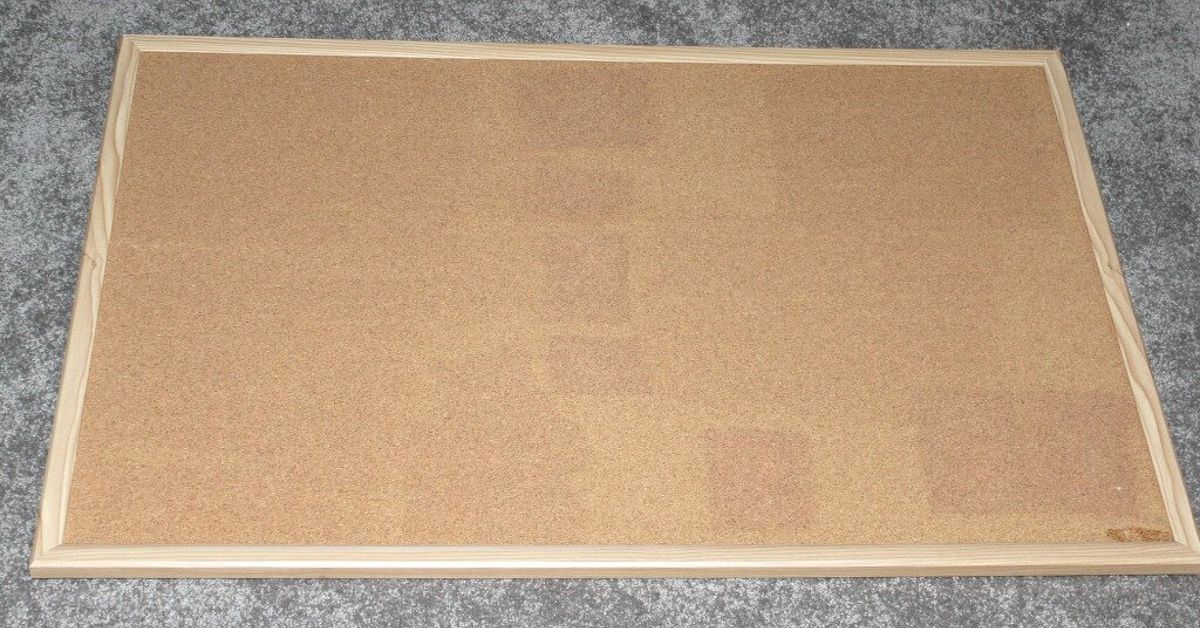

There are bulletin boards, and then there are bulletin boards that look like they belong in a charming farmhouse office, a cozy kitchen command center, or a classroom where even the permission slips have better style than most of us on Monday morning. If your cork board is looking tired, stained, too orange, too office-supply-store, or just plain boring, covering it with burlap is one of the easiest DIY upgrades you can make.
This project is simple, budget-friendly, beginner-approved, and surprisingly forgiving. Burlap has texture, warmth, and rustic personality. It hides minor cork damage, works with almost any decor style, and gives ordinary pushpins a much cuter stage. Even better, you do not need to be a professional upholsterer, woodworker, or person who owns seventeen types of clamps. If you can cut fabric, pull it snug, and staple without turning your thumb into modern art, you can make a burlap bulletin board.
In this guide, you will learn how to cover a bulletin board with burlap DIY-style, including what supplies to use, how to measure and cut burlap, how to attach it smoothly, how to finish the corners, and how to decorate the finished board. We will also cover practical mistakes to avoid, because DIY confidence is great, but a lumpy board with sad corners is not the rustic charm we are chasing.
Why Cover a Bulletin Board With Burlap?
Burlap is a favorite material for DIY bulletin board makeovers because it instantly softens the look of cork. Standard cork boards are useful, but they can feel a little classroom-basement. Burlap adds natural texture, making the board feel intentional instead of purely practical.
A burlap-covered bulletin board works beautifully in home offices, kitchens, entryways, sewing rooms, kids’ rooms, dorm rooms, craft rooms, classrooms, and even wedding or event displays. You can use it for photos, invitations, calendars, reminders, recipes, kids’ artwork, fabric swatches, business cards, or your growing collection of “important papers” that somehow all become urgent at the same time.
Benefits of a Burlap Bulletin Board
The biggest benefit is style. Burlap creates a warm, neutral background that looks good with wood frames, black frames, white frames, gold tacks, ribbon trim, and even colorful pushpins. It pairs well with farmhouse, coastal, cottage, rustic, vintage, modern organic, and casual office decor.
It is also practical. Burlap is thick enough to disguise marks on older cork and textured enough to make a plain board look more expensive. If you already have a cork board, this project may cost less than buying a new fabric bulletin board. In many cases, you only need burlap, scissors, adhesive or staples, and a little patience.
Materials You Will Need
Before you begin, gather everything in one place. DIY projects go much smoother when you are not wandering around the house with half-attached burlap asking where the scissors went.
Basic Supply List
- Cork bulletin board or framed cork board
- Burlap fabric, natural or printed
- Scissors or rotary cutter
- Measuring tape or ruler
- Staple gun and short staples
- Spray adhesive or hot glue, optional
- Iron or steamer, optional but helpful
- Painter’s tape, if protecting the frame
- Ribbon, nailhead trim, upholstery tacks, or twine for decoration
- Small hammer for stubborn staples or decorative tacks
If your bulletin board is frameless, you can wrap the burlap all the way around the edges and staple it to the back. If it has a frame, you have two main options: cover only the cork area or wrap the burlap over the frame for a softer upholstered look. Covering only the cork area is cleaner if the frame is attractive. Wrapping over the frame is better if the frame is scratched, dated, or aggressively pretending it is oak.
Choosing the Right Burlap
Not all burlap is the same. Some burlap is loosely woven and rustic, while other burlap is tighter, smoother, and easier to work with. For a bulletin board, choose a medium-weight burlap with a fairly even weave. Very loose burlap can stretch unevenly, show the cork underneath, and fray like it has a personal grudge against you.
Natural Burlap vs. Printed Burlap
Natural burlap gives you the classic tan, farmhouse-style look. It is neutral, affordable, and easy to pair with wood, white, black, or metal accents. Printed burlap can add personality, especially if you want stripes, polka dots, script, geometric borders, or subtle metallic threads.
If you choose printed burlap, pay close attention to alignment before cutting. A crooked stripe may not bother everyone, but once the board is on the wall, it may stare back at you every day like a tiny design crime. Lay the fabric over the board and adjust it until the pattern runs straight.
How Much Burlap Do You Need?
Measure the height and width of your bulletin board, then add at least two to three inches of extra fabric on every side. This extra fabric lets you wrap the burlap around the edges and secure it to the back. For thicker boards or boards with deep frames, add more. It is always better to trim extra fabric later than to discover your burlap is too short after you have already committed emotionally.
Step-by-Step: How to Cover a Bulletin Board With Burlap DIY
This method works for most cork boards, framed bulletin boards, and old boards that need a stylish second life. Read through all the steps before starting so you know where the project is headed.
Step 1: Clean and Prepare the Bulletin Board
Remove all pushpins, papers, hooks, stickers, and mystery tape from the board. Wipe the frame and cork surface with a dry cloth. If the board has dust or loose cork crumbs, gently vacuum it or brush it clean. A smooth, clean surface helps the burlap lie better and makes adhesive more effective.
If you want to keep the frame visible, protect it with painter’s tape before using spray adhesive. This prevents sticky overspray from landing on the frame. If you plan to paint the frame, do it before adding burlap and let it dry completely.
Step 2: Iron or Smooth the Burlap
Burlap often comes folded, rolled, or wrinkled. Those creases may seem harmless at first, but once the fabric is attached, they can look like permanent road maps. Use an iron on a suitable setting or steam the burlap lightly to relax wrinkles. Test a corner first, especially if the burlap has printed designs or metallic threads.
Work on a flat surface and smooth the burlap with your hands. If the weave looks uneven, gently tug it into shape. Burlap has a naturally casual texture, so do not obsess over every fiber. The goal is neat, not surgically perfect.
Step 3: Measure and Cut the Burlap
Place the burlap face down on your work surface. Lay the bulletin board face down on top of it. Measure around the board and cut the burlap so it extends two to three inches beyond each edge.
For cleaner cutting, you can pull one thread from the burlap where you plan to cut. This creates a visible line in the weave and helps you cut straight. If the edges begin to unravel, do not panic. Burlap does that. It is dramatic, but manageable.
Step 4: Add Spray Adhesive, If Desired
Spray adhesive is optional, but it can help keep the burlap flat against the cork, especially on larger boards. If you use it, work outside or in a very well-ventilated area. Protect nearby surfaces with newspaper, cardboard, or a drop cloth.
Apply a light, even coat to the cork surface, not a heavy wet layer. Too much adhesive can seep through loose burlap and leave sticky spots. Let the adhesive become tacky according to the product directions, then place the burlap over the board and smooth it from the center outward. Use your hands or a clean plastic card to press out bubbles.
If you prefer a no-spray method, skip the adhesive and rely on staples. This is often enough for smaller bulletin boards or tightly woven burlap.
Step 5: Staple the Burlap to the Back
Flip the board face down with the burlap underneath. Pull the top edge of the burlap around to the back and place one staple in the center. Then pull the bottom edge snug and staple the center. Repeat with the left and right sides.
Starting in the center helps distribute tension evenly. Continue stapling from the center toward the corners, alternating sides as you go. Pull the burlap firmly but not so hard that the weave distorts. Think “smooth and confident,” not “wrestling an alligator in a craft store.”
Use short staples so they do not poke through the front of the board. If a staple sits too high, tap it gently with a hammer. If one goes in crooked, remove it and try again. The back of the board does not need to be gorgeous, but it should be secure.
Step 6: Fold the Corners Neatly
Corners are where a good DIY bulletin board starts looking polished. Fold each corner like you are wrapping a gift. Tuck one side in, fold the other side over it, pull the fabric snug, and staple it securely on the back.
If the burlap is bulky, trim away a small amount of excess fabric before folding. Do not cut too close to the corner, or the fabric may fray loose. Add two or three staples at each corner if needed. When you flip the board over, the corners should look smooth from the front.
Step 7: Trim Excess Fabric
Once the burlap is stapled securely, trim excess fabric from the back. Leave enough fabric beyond the staples so it will not pull free. If the burlap is shedding fibers, apply a thin line of fabric glue or decoupage medium along the raw edges on the back. This helps reduce fraying without changing the front appearance.
Step 8: Add a Decorative Border
A border is optional, but it can make your burlap bulletin board look finished. Grosgrain ribbon, jute rope, twine, nailhead trim, upholstery tacks, or wood trim can all work. Ribbon gives a clean look. Nailhead trim adds a classic upholstered feel. Twine keeps the project casual and rustic.
If your board has a visible frame, you may not need extra trim. If you covered the frame with burlap, a border can define the edges and hide any uneven folds. Attach lightweight trim with hot glue, fabric glue, or decorative tacks.
Creative Design Ideas for a Burlap Bulletin Board
Once the burlap is attached, you can keep the board simple or dress it up. The best design depends on where the board will hang and how you plan to use it.
Farmhouse Kitchen Command Center
For a kitchen, add small labels, a calendar, a grocery list, and a few binder clips. Use black pushpins or bronze tacks for a warm farmhouse look. Hang the board near the pantry, mudroom, or coffee station so it catches the chaos before the chaos reaches the countertop.
Home Office Inspiration Board
For a home office, keep the burlap background simple and use it for quotes, project notes, color swatches, business cards, and weekly goals. Add a slim ribbon border in black, navy, cream, or sage green for a more tailored style.
Classroom or Homeschool Display
A burlap bulletin board works well in a classroom because it creates a neutral background for colorful papers. Add seasonal borders, student artwork, vocabulary cards, or subject zones. Burlap is especially useful when you want the display to feel warm without visually competing with the materials pinned to it.
Wedding or Party Memory Board
For events, use the board to display photos, seating notes, advice cards, or a timeline. Add lace ribbon, faux greenery, small clothespins, or white pushpins. Burlap pairs nicely with rustic, garden, barn, and outdoor party themes.
Common Mistakes to Avoid
The project is easy, but a few small mistakes can make the final board look less polished. Luckily, they are simple to avoid.
Using Burlap That Is Too Thin
Thin burlap may show the cork underneath, especially if the cork is dark, stained, or printed. Hold the burlap up to the light before buying. If you can see too much through it, choose a tighter weave or plan to use a plain fabric liner underneath.
Pulling the Fabric Unevenly
Uneven pulling creates diagonal wrinkles and warped patterns. Staple the centers first, then move gradually toward the corners. Keep checking the front as you work. It is easier to fix tension before you have installed thirty-seven staples and formed a lifelong bond with them.
Skipping Ventilation With Spray Adhesive
Spray adhesive is convenient, but it should be used carefully. Work outdoors or in a well-ventilated space, protect nearby surfaces, and avoid breathing the mist. A light coat is usually enough. More glue does not mean more success; sometimes it just means more stickiness on your fingers, table, and possibly the family dog.
Forgetting About the Hanging Hardware
If your board has hooks or hanging hardware on the back, do not cover them completely. Cut small slits around hardware or leave access so the board can still hang properly. Before declaring the project finished, test the board on the wall and make sure it sits level.
How to Hang and Use Your Burlap Bulletin Board
After the board is covered, choose a location where it will actually be used. A bulletin board hidden behind a door is just a decorative rectangle with commitment issues. Great places include above a desk, beside a family calendar, near an entryway, in a laundry room, or close to a homework station.
Use appropriate wall anchors if the board is heavy. For small lightweight boards, picture-hanging strips or sawtooth hangers may work, depending on the wall and board weight. Always check that the board is secure before loading it with keys, clips, or anything heavier than paper.
How to Keep a Burlap Bulletin Board Looking Good
Burlap has a textured weave, so it can collect dust. Use a lint roller, soft brush, or vacuum brush attachment to clean it gently. Avoid soaking it with water, since moisture can stain burlap or affect the adhesive beneath it.
If threads loosen over time, trim them carefully with scissors rather than pulling them. If a corner starts to lift, add another staple or a small dot of hot glue on the back. If the front gets stained, try pinning a photo, calendar, or small label over the spot. That is not laziness; that is strategic styling.
My Real-World Experience With Burlap Bulletin Board Makeovers
After making and helping with several fabric-covered bulletin boards, I have learned that burlap is both wonderful and slightly mischievous. It looks relaxed and charming when finished, but during the process it likes to shed, shift, and fray. The trick is to treat it with gentle authority. Smooth it, line it up, staple it in stages, and do not let one messy edge convince you the project is doomed.
One of the best experiences I had with this type of project was transforming an old cork board that had faded from years of sun exposure. The cork still worked, but it looked tired and uneven. Instead of throwing it away, I covered it with natural burlap and added a dark brown ribbon border. The entire board suddenly looked like it belonged in a cozy writing nook. The funny part was that the board became more useful after it became prettier. Everyone in the house actually started pinning notes to it instead of leaving papers on the counter. Apparently, organization becomes more appealing when it wears a cute outfit.
Another lesson came from using printed burlap. Patterned burlap can be beautiful, but alignment matters. I once used a fabric with subtle stripes and thought I could “eyeball it.” This was optimistic. Once the board was hanging on the wall, the stripes looked just crooked enough to be annoying. I had to remove several staples, straighten the fabric, and reattach it. Since then, I always step back and check the pattern before stapling all the way around. A two-minute check can save twenty minutes of staple removal and muttering.
I have also found that spray adhesive is helpful but not always necessary. On a small board, staples alone can work perfectly. On a larger board, adhesive helps prevent the burlap from sagging or bubbling in the middle. The key is using a light coat. Heavy adhesive can bleed through the weave, especially with loose burlap. When in doubt, test a scrap first. Testing may feel like an extra step, but it is much less annoying than discovering a sticky patch in the center of your finished board.
Corner folding is another place where patience pays off. The first corner usually looks suspicious. The second looks better. By the fourth, you may briefly believe you should open an upholstery studio. The best method is to fold the burlap like gift wrap, trim bulk only when needed, and staple firmly on the back. Do not worry if the back looks messy. The wall will never judge it, and neither should you.
For everyday use, I prefer simple decorations. A burlap bulletin board already has texture, so it does not need too many extras. A ribbon border, a few metal pushpins, and maybe small clips are enough. If the board is for a child’s room or classroom, colorful trim can make it more cheerful. If it is for an office, a clean border and matching pins keep it professional.
The biggest practical tip is to plan what the board will hold before decorating it. If you want to pin thick stacks of paper, keep the surface simple. If you want to display photos, add twine rows or mini clothespins. If you want a command center, divide the board into sections for mail, schedules, reminders, and inspiration. A good burlap bulletin board is not just pretty; it earns its wall space.
In the end, covering a bulletin board with burlap is one of those DIY projects that gives a lot of reward for a small amount of effort. It is affordable, customizable, and friendly to beginners. It also lets you rescue an old board from the land of forgotten office supplies. With a little fabric, a staple gun, and a decent corner fold, you can turn a plain cork board into something useful, stylish, and pleasantly rustic.
Conclusion
Learning how to cover a bulletin board with burlap DIY-style is a simple way to upgrade your home office, kitchen, classroom, dorm, craft room, or entryway without spending much money. The process is straightforward: choose sturdy burlap, cut it with extra overhang, smooth it carefully, attach it with staples or light adhesive, fold the corners neatly, and finish the edges with trim if you like.
The beauty of this project is its flexibility. You can keep the design minimal and natural, add ribbon for a polished look, use nailhead trim for a classic touch, or personalize it with clips, labels, and seasonal decorations. Whether you are organizing family schedules, displaying inspiration photos, or finally giving all those loose papers a respectable home, a burlap-covered bulletin board is practical decor with personality.
Best of all, it is a project that does not demand perfection. Burlap is naturally textured, forgiving, and relaxed. A few tiny irregularities only add character. And if anyone gets too close and critiques your corners, feel free to hand them the staple gun.