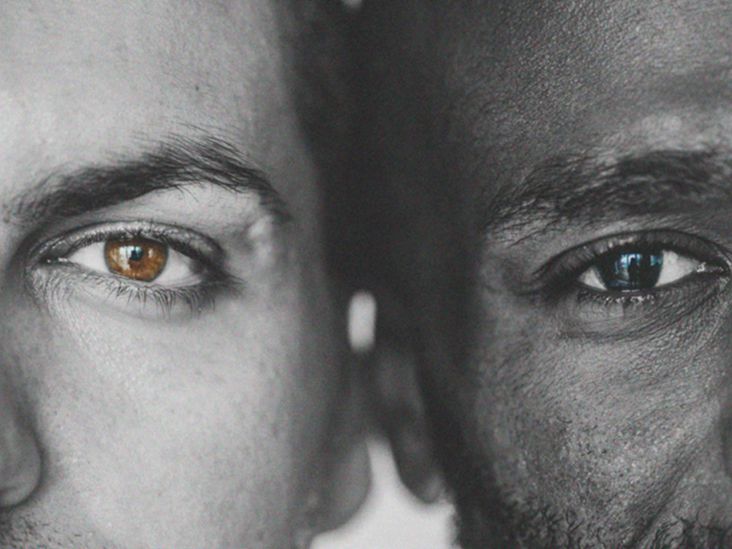

Some people inherit brown eyes and move on with their lives. Others inherit hazel eyes and spend the next 20 years hearing, “Wait, are they green today?” Eye color is one of those traits that seems simple until you actually try to pin it down. Then the internet throws a confetti cannon of percentages at your face and suddenly you’re asking bigger questions than expected. Is brown the most common eye color? Why do blue eyes look blue if there’s no blue pigment? And why do some charts say green is the rarest while others start arguing on behalf of gray?
Here’s the clean, no-nonsense version: brown eyes are the most common worldwide by a mile. Blue eyes are a distant second. Hazel and green are much less common, and gray and amber are often so inconsistently categorized that they sometimes get tucked into “other.” In the United States, the mix looks lighter than the global average, but brown still leads. The exact percentages vary by study, because some numbers come from surveys, some from medical references, and some from official records like driver’s licenses.
This guide breaks down the most common eye colors, the percentages most often cited, why the numbers do not always match perfectly, and what actually determines eye color in the first place. We’ll also get into the fun human side of the topic, because eye color is not just biology. It’s identity, family resemblance, awkward DMV moments, and the reason your cousin has explained “central heterochromia” at least 47 times.
Eye color percentages at a glance
If you want the quick answer first, here it is: brown eyes dominate globally, while blue, hazel, and green trail behind. In the U.S., brown is still the most common, but lighter eye colors show up more often than they do worldwide.
Approximate worldwide eye color percentages
| Eye color | Approximate share worldwide | What to know |
|---|---|---|
| Brown | About 70% to 80% | By far the most common eye color across the globe. |
| Blue | About 8% to 10% | More common in people with Northern and Eastern European ancestry. |
| Hazel | About 5% | A mixed appearance that may look brown, green, or golden depending on lighting. |
| Green | About 2% | Commonly listed as one of the rarest natural eye colors. |
| Gray, amber, and other | Varies | Often grouped into “other,” which is why exact percentages are slippery. |
Commonly cited U.S. eye color percentages
Older U.S. survey data often reports this breakdown: brown eyes at 45%, blue at 27%, hazel at 18%, green at 9%, and other at 1%. A newer large-scale U.S. records study reported a different mix: brown or black at 53%, blue at 23.7%, hazel at 10.3%, green at 9%, gray at 0.7%, and other at 3.3%. That difference is not a mistake. It is what happens when one dataset comes from self-reporting and another comes from government-issued records.
So if you have ever seen two eye-color charts giving you two different “official” answers, congratulations: the charts are not necessarily lying. They are just measuring slightly different things in slightly different ways. Science is fun like that.
Why eye color happens in the first place
Eye color comes down largely to melanin in the iris, plus the way light scatters through the tissue of the eye. Brown eyes have more melanin. Blue eyes have much less. Hazel and green sit somewhere in the middle, with more complex combinations of pigment and light scattering creating those layered tones.
And here’s a favorite eye-color fact: blue eyes do not contain blue pigment. They look blue because of the way light scatters in the iris. In other words, your eyes are pulling off an optical trick that the sky has been using for ages. Very on-brand for nature.
Genetics also plays a major role, but not in the old-school “one brown gene beats one blue gene” way that many of us learned years ago. Eye color is a polygenic trait, which means multiple genes influence it. Two genes, OCA2 and HERC2, are especially important, but they are not the whole story. That is why predicting a baby’s eye color can be more like educated guesswork than a tidy Punnett square exercise.
The most common eye colors, ranked
Brown eyes
Brown is the undisputed champion of eye colors. If eye colors had a global election, brown would win in a landslide and still have time left over for a victory speech. It is the most common eye color worldwide and appears across every major population group.
Brown eyes contain more melanin, which gives the iris a darker look. Shades can range from light honey brown to nearly black-brown. Because brown covers such a broad spectrum, two people can both have “brown eyes” and still look completely different up close.
In practical terms, brown eyes are so common that they often become the “default” in casual conversation. But they are anything but boring. Under sunlight, some brown eyes look coppery, chestnut, caramel, or almost golden. Basically, brown eyes have more range than they get credit for.
Blue eyes
Blue eyes are much less common than brown eyes on a global scale, but they are highly visible in countries with strong European ancestry. That helps explain why blue eyes can feel extremely common in some communities and much rarer in others.
Because blue eyes have low melanin in the front layers of the iris, they often appear brighter or more reflective in direct light. That also means people with blue or very light-colored eyes sometimes notice more light sensitivity. Blue eyes can also shift dramatically in appearance depending on weather, makeup, clothing, and whether someone is standing next to a window trying to look mysterious.
Hazel eyes
Hazel eyes are the shape-shifters of the eye-color world. They often combine brown, green, and gold tones in a way that changes with lighting, clothing, and even the color of the room. One minute they look earthy brown; the next they look olive green with amber sparks. Hazel eyes are why eye color discussions can spiral into debates that belong in family group chats.
In the United States, hazel appears more often than it does in many global estimates. That is one reason U.S.-based readers may feel surprised when worldwide charts rank hazel as relatively uncommon.
Green eyes
Green eyes are commonly described as one of the rarest natural eye colors. They are especially rare worldwide, even if they seem a bit more visible in pop culture than in everyday life. That mismatch exists because uncommon eye colors get noticed, remembered, photographed, and complimented more often.
Green eyes usually result from low to moderate melanin combined with the way light interacts with the iris. They may contain hints of gray, gold, or hazel. In real life, many “green” eyes are not a flat crayon-box green. They are layered, muted, and slightly different every time you see them.
Gray and amber eyes
Gray and amber deserve honorable mention, but they are harder to pin down statistically. Some references split them into separate categories. Others fold them into “other.” That is one big reason eye-color percentages do not line up neatly across every chart online.
Gray eyes can look icy, smoky, or silver-toned. Some sources now describe gray as even rarer than green when it is counted separately. Amber eyes, meanwhile, tend to have a warm honey, copper, or golden look and are often mistaken for hazel. If eye colors had a “hard to categorize but gorgeous” award, gray and amber would have to share the trophy.
Why percentages vary so much from source to source
This is the part many articles skip, but it matters. Eye-color percentages vary because researchers and publishers do not always define categories the same way. One source may group black-brown and medium brown together. Another may separate gray from blue. Another may place amber under hazel. Suddenly the totals shift, even when everyone is trying to be accurate.
Population differences also matter. A worldwide estimate will not look like a U.S. survey. And a U.S. survey will not look exactly like a U.S. record-based study. Add in self-reporting, which is famously vulnerable to human optimism, and things get even messier. Someone with hazel eyes may report green. Someone with dark hazel may report brown. Someone with gray-blue eyes may choose blue because there is no “storm-cloud wizard” option on the form.
The best approach is to treat the numbers as useful estimates, not sacred cosmic truths. Brown is clearly the most common. Blue is clearly less common. Green is clearly rare. The exact decimals are where the arguments begin.
Can eye color change over time?
In babies
Yes, baby eye color can change. Many babies are born with lighter eyes that darken as melanin production increases. Changes often begin within the first several months of life, and the final shade may not settle immediately. So if a newborn has slate-blue eyes, that is not necessarily the long-term result. Nature may still be backstage adjusting the lighting.
In adults
Adult eye color usually stays stable. Small shifts in appearance can happen because of lighting, clothing, aging, pupil size, or health conditions that affect the eye. But a true or sudden color change in one or both eyes deserves medical attention. That can sometimes point to injury, inflammation, medication effects, or an eye condition that needs evaluation.
What about heterochromia?
Heterochromia means a person has two different eye colors or different colors within one iris. Sometimes it is present from birth and harmless. Other times it can appear later and may need a medical exam. It is rare, memorable, and the kind of thing strangers will absolutely bring up five seconds after meeting you.
Eye color myths that need to retire
Myth 1: Blue eyes are literally blue
Nope. They look blue because of light scattering, not because the iris contains blue dye like a blueberry sports drink.
Myth 2: Two blue-eyed parents can never have a brown-eyed child
That old classroom rule is too simple. Eye color involves multiple genes, which makes inheritance more complex than a basic dominant-versus-recessive chart suggests.
Myth 3: There is one universally accepted eye-color chart
Also no. Different studies use different categories, populations, and measurement methods. That is why “official” percentages often disagree.
Experiences people commonly have with eye color
Eye color may be rooted in genetics, but the everyday experience of having a certain eye color is surprisingly social. Ask almost anyone with hazel, green, gray, or central heterochromia, and they probably have stories ready to go. These are the eyes that start conversations in grocery-store lines, get misidentified on official forms, and inspire endless family debates over who inherited what from whom.
One of the most common experiences happens in childhood. A baby is born with blue-gray eyes, and the entire family begins making predictions with the confidence of sports commentators. Grandma says they will turn brown. Dad insists they are staying blue. An aunt pulls out three generations of photo albums like she is building a legal case. Months later, the child ends up with hazel eyes and everyone quietly pretends they knew it all along.
People with brown eyes often have a different experience. Because brown is common, they are less likely to get the “wow, what color are your eyes?” question from strangers. But that does not mean their eyes go unnoticed. In bright sunlight, many brown-eyed people discover warm tones that never show up indoors: amber flecks, copper flashes, and golden rings near the pupil. It is the eye-color version of finding out your “plain black coat” is actually a gorgeous deep charcoal when the light hits it right.
People with lighter eye colors often talk about how dramatically their eyes seem to change in different environments. A blue eye can look icy in winter light, muted indoors, and almost turquoise outside. Green and hazel eyes are even more theatrical. The same person can look brown-eyed in one photo and green-eyed in the next, which is wonderful for compliments and terrible for filling out documents.
Then there is the great DMV problem. Eye color sounds easy until you are actually forced to choose one label while standing under fluorescent lighting after waiting in line forever. Is it blue or gray? Hazel or green? Brown or dark hazel? Many people end up selecting the closest option and moving on with their lives, which is one reason record-based percentages can differ from self-reported descriptions.
Eye color also shapes the way people see family resemblance. Siblings with different eye colors are often treated like a tiny mystery, even when genetics fully allows it. People love scanning family faces for clues: “She has Mom’s eyes,” “He has Grandpa’s color,” or “Nobody knows where that green came from.” Eye color becomes a shorthand for inheritance, identity, and belonging, even though the science behind it is more layered than it first appears.
And finally, there is the social spotlight. Rare eye colors tend to attract comments. Some people enjoy that attention. Others would love one peaceful day without hearing, “Are those real?” Still, the fascination makes sense. Eye color sits at the crossroads of biology and personality. It is measurable, visible, and deeply tied to how we recognize one another. That is a lot of responsibility for two little circles in the face.
Conclusion
If you wanted one tidy answer, here it is: brown eyes are the most common eye color in the world, followed by blue, while hazel and green are much less common. In the United States, brown still leads, but lighter eye colors appear more often than they do globally. The exact percentages vary depending on the source, especially when gray, amber, and hazel are categorized differently or when studies compare surveys with official records.
The bigger takeaway is that eye color is not just a color chart. It is a mix of melanin, genetics, light scattering, ancestry, and a little statistical chaos. That is why two trustworthy sources can give slightly different numbers while still telling the same story. Brown dominates. Green stays rare. Blue only looks blue. And hazel refuses to sit still long enough to be neatly labeled.