
The Lamaze Method may be famous for its “hee-hee-hoo” breathing reputation, but modern Lamaze is much more than a dramatic movie scene where someone yells, “Breathe!” while a nervous partner drops the hospital bag. Today, Lamaze is a practical, evidence-informed childbirth education approach that helps pregnant people understand labor, use breathing and relaxation techniques, make informed choices, and feel more confident during birth.
In simple terms, Lamaze teaches you how to work with labor instead of panicking through it. It does not promise a painless birth, because contractions are not exactly spa coupons. What it does offer is a toolkit: breathing patterns, movement, comfort measures, partner support, positioning, birth planning, and decision-making skills. Whether you want an unmedicated birth, an epidural, an induction, or a flexible plan that says “healthy parent, healthy baby, and please bring snacks,” Lamaze can still be useful.
What Is the Lamaze Method?
The Lamaze Method is a childbirth preparation approach developed from the work of French obstetrician Dr. Fernand Lamaze in the 1950s. Early Lamaze classes were strongly associated with patterned breathing, but the method has evolved. Modern Lamaze focuses on confidence, comfort, informed consent, healthy birth practices, and the idea that birth usually works best when the body is supported rather than rushed, unless medical care is needed.
A Lamaze class typically teaches the stages of labor, signs that birth is getting close, ways to manage contractions, how partners can help, common medical interventions, pain relief options, pushing positions, postpartum recovery, breastfeeding basics, and newborn bonding. The goal is not to turn every parent into a birth philosopher. The goal is to help you walk into labor with fewer surprises and more practical skills.
Core Principles of Lamaze Childbirth Education
Lamaze is built around several healthy birth ideas. These include letting labor begin on its own when medically safe, moving and changing positions during labor, bringing continuous support such as a partner or doula, avoiding unnecessary interventions, following the body’s natural urge to push, and keeping parent and baby together after birth when possible.
These principles are not rigid rules. Birth is real life, not a perfectly labeled folder. Sometimes induction, continuous monitoring, medication, or a cesarean birth is the safest choice. Lamaze does not reject medical care. Instead, it encourages parents to understand the benefits, risks, and alternatives so they can participate in decisions rather than feel like passengers in a very intense ride.
Lamaze Breathing: The Heart of the Method
Lamaze breathing is intentional, rhythmic breathing used during contractions to reduce tension, improve focus, and help the laboring person feel more in control. It is not magic, but it can be surprisingly powerful. When people are frightened or overwhelmed, they may hold their breath, tighten their shoulders, clench their jaw, and breathe too fast. That stress response can make contractions feel harder to handle.
Conscious breathing gives the mind something steady to follow. It can relax muscles, support oxygen flow, reduce anxiety, and create a rhythm through each contraction. Think of it as giving your brain a job other than shouting, “Absolutely not, thank you.”
1. Cleansing Breath
A cleansing breath is a deep breath taken at the beginning and end of a contraction. You inhale slowly through the nose or mouth, then exhale fully. This signals the body to reset. At the start of a contraction, it helps you focus. At the end, it reminds you that the contraction is over and you made it through.
Example: As a contraction begins, take one slow breath in, release it, then move into your chosen breathing pattern. When the contraction fades, take another deep breath and relax your shoulders.
2. Slow Breathing
Slow breathing is often used in early labor. You breathe in slowly and breathe out even more slowly, keeping the rhythm comfortable. Some people count, such as inhaling for four counts and exhaling for six. Others simply breathe naturally but with attention.
This technique is helpful when contractions are noticeable but still manageable. It can be paired with walking, rocking on a birth ball, leaning over a counter, or resting between contractions.
3. Light Accelerated Breathing
As labor becomes more intense, some people naturally shift to lighter, faster breathing. Lamaze teaches this as an option, but not as forced hyperventilation. The breath should stay controlled and comfortable. If you feel dizzy, tingly, or lightheaded, slow down and return to deeper breathing.
A good rule: breathing should help you feel grounded, not like you accidentally turned yourself into a birthday balloon.
4. Patterned Breathing
Patterned breathing gives the mind a simple sequence to follow. The classic example is “pant-pant-blow,” where you take two short breaths followed by a longer exhale. Some parents like it because the rhythm is easy to remember during transition, the intense phase before pushing.
Patterned breathing can also help when there is an urge to push before the cervix is fully dilated. In that moment, short gentle breaths may help reduce the instinct to bear down until the care team says it is time.
5. Breathing With a Focal Point
A focal point is something you look at or imagine during contractions. It might be your partner’s face, a photo, a spot on the wall, a candle, or a peaceful mental image. Pairing breath with focus can make contractions feel less chaotic.
For example, you might look at your partner and breathe in while thinking “soft,” then breathe out while thinking “open.” It may sound simple, but simple is exactly what the brain needs during labor. No one wants a 47-step spreadsheet during transition.
Lamaze Techniques Beyond Breathing
Breathing is important, but Lamaze is not a one-trick pony wearing a hospital bracelet. Modern classes teach a wide range of comfort strategies that can be mixed and matched depending on labor, location, medical needs, and personal preference.
Movement and Position Changes
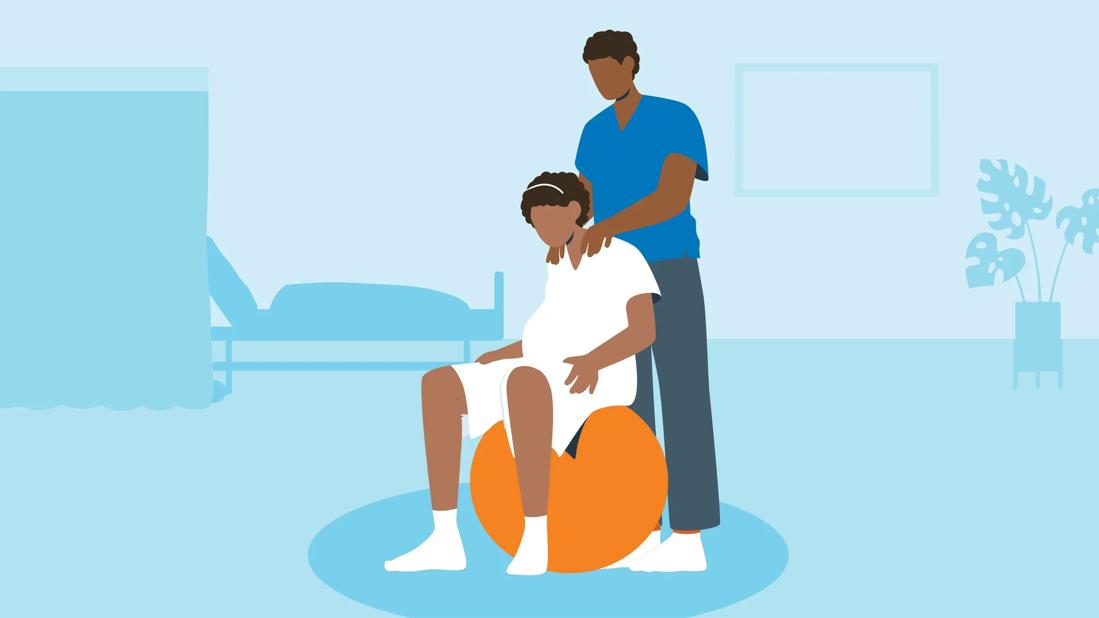
Walking, swaying, rocking, kneeling, leaning forward, sitting on a birth ball, or changing positions can help the laboring person stay comfortable. Movement may also help the baby rotate and descend. Many people find that lying flat on the back makes contractions feel stronger, while upright or forward-leaning positions feel more manageable.
Relaxation and Muscle Release
Lamaze encourages relaxing the jaw, shoulders, hands, pelvic floor, and legs. Tension in one part of the body often spreads. A clenched jaw can become clenched everything. Partners can help by gently reminding the laboring person to drop the shoulders, loosen the hands, and breathe out slowly.
Massage and Counterpressure
Massage can reduce stress and provide comforting touch. Counterpressure, especially on the lower back or hips, may help during back labor. A partner, doula, or nurse may press firmly on the sacrum or squeeze the hips during contractions. This is one of those moments when “press harder” may become the most romantic sentence ever spoken.
Water, Heat, and Cold
Warm showers, baths, heating pads, warm compresses, or cool cloths can support relaxation. A warm shower aimed at the lower back may feel soothing during early or active labor. Cold cloths on the face or neck can feel refreshing when labor becomes intense.
Partner Coaching
Lamaze often includes a support person. This person may time contractions, offer water, suggest position changes, give massage, help with breathing rhythms, communicate preferences to the care team, and provide emotional reassurance. Their job is not to “fix” labor. Their job is to be calm, useful, and not eat the labor snacks without permission.
Benefits of the Lamaze Method
The benefits of Lamaze are both physical and emotional. While it cannot guarantee a certain type of birth, it can help parents prepare for different possibilities with confidence.
1. Reduces Fear and Anxiety
Fear often grows in the empty spaces where information should be. Lamaze classes explain what happens during labor, what contractions do, how dilation progresses, what pushing may feel like, and what choices might arise. Understanding the process can make labor feel less mysterious and less frightening.
2. Improves Coping During Contractions
Breathing, relaxation, movement, and support can help reduce the perception of pain. Lamaze does not remove contractions, but it gives you ways to respond to them. Instead of freezing, you have a rhythm: breathe, move, relax, recover, repeat.
3. Encourages Active Participation
Lamaze helps parents ask informed questions. For example: What are the benefits of this intervention? What are the risks? Are there alternatives? Is this urgent, or do we have time to discuss it? These questions can support shared decision-making with the medical team.
4. Supports Birth Partners
Many partners want to help but secretly fear they will become a decorative lamp in the corner. Lamaze gives them specific jobs: breathing support, massage, encouragement, advocacy, and practical comfort measures. This can make the birth experience feel more connected for both parents.
5. Works With Many Birth Plans
Lamaze is often associated with unmedicated birth, but it can also support medicated births. Breathing and relaxation are useful before an epidural, during placement, while waiting for medication to work, during pushing, or during unexpected changes. Even with a planned cesarean, Lamaze education can help parents understand procedures, ask questions, and prepare emotionally.
6. Promotes Postpartum Bonding
Lamaze education often includes the importance of keeping parent and baby together after birth when medically appropriate. Skin-to-skin contact may help regulate the baby’s temperature, breathing, and heart rate, while supporting bonding and early feeding.
When Should You Start Lamaze Classes?
Many parents begin childbirth classes in the late second trimester or early third trimester, often around weeks 28 to 34. This timing gives you enough pregnancy experience to take the information seriously, but not so little time that you are practicing breathing techniques while installing the car seat in a mild panic.
Classes may be offered by hospitals, birth centers, independent childbirth educators, or online programs. Some are one-day intensives, while others meet weekly. If your schedule is packed, even a shorter class can be helpful, but practicing at home makes a big difference.
How to Practice Lamaze Breathing at Home
Practicing before labor helps breathing feel familiar when contractions arrive. Aim for short sessions several times per week. You do not need candles, whale music, or a professional-grade meditation cushion. You just need a quiet moment and a willingness to feel slightly silly at first.
Simple Practice Routine
Sit or lie comfortably. Relax your jaw and shoulders. Take a cleansing breath. Breathe slowly for one minute. Then practice a light breathing pattern for 30 seconds. End with another deep cleansing breath. Ask your partner to guide you with calm phrases such as “Relax your shoulders,” “Breathe with me,” or “You are doing this one breath at a time.”
You can also practice during Braxton Hicks contractions, mild cramps, or uncomfortable moments in pregnancy. The point is not perfection. The point is muscle memory.
Common Mistakes to Avoid
The first mistake is thinking there is one “correct” Lamaze breath. There is not. The best breathing pattern is the one that helps you stay calm, oxygenated, and focused. Some people love counting. Others hate counting with the fire of a thousand suns. Both are valid.
The second mistake is practicing only breathing and ignoring movement, support, hydration, rest, and communication. Labor comfort is usually a combination of tools.
The third mistake is treating a birth plan like a legally binding contract with the universe. Preferences matter, but flexibility matters too. A strong Lamaze mindset says, “I know my options, I trust my voice, and I can adapt.”
Is Lamaze Right for Everyone?
Lamaze can benefit many pregnant people, but the best childbirth preparation depends on your health, pregnancy risks, personality, support system, and birth setting. People with high-risk pregnancies, planned inductions, planned cesareans, or medical complications can still use Lamaze techniques, but they should discuss their birth preferences with their obstetrician, midwife, or care team.
If breathing exercises make you anxious, modify them. If a certain position hurts, skip it. If you need pain medication, that is not failure. Birth is not a moral exam, and there are no bonus points for suffering dramatically.
Real-Life Experience: What Lamaze Can Feel Like in Practice
Imagine a first-time parent named Emily. She takes a Lamaze class at 32 weeks because she wants an unmedicated birth, but she also wants to understand epidurals because she is realistic and owns a calendar. In class, she and her partner practice slow breathing, hip squeezes, birth ball positions, and questions to ask if an intervention is suggested.
During early labor, Emily walks around the house, eats light snacks approved by her care team, drinks water, and uses slow breathing. Her partner times contractions but does not announce every number like a sports commentator. When contractions grow stronger, she leans over the kitchen counter and sways. Her partner presses on her lower back. She breathes in through her nose and exhales with a low sound.
At the hospital, labor intensifies. Emily starts to feel overwhelmed. Her partner reminds her to take one contraction at a time. She uses a focal point: a tiny photo taped inside her bag. During transition, her breathing becomes faster. The nurse helps her slow it down so she does not feel dizzy. She uses “pant-pant-blow” for a few contractions when the urge to push arrives before she is fully ready.
Later, Emily chooses an epidural. This was not her original plan, but she remembers what Lamaze taught her: informed choices are part of a positive birth. After resting, she has more energy for pushing. She still uses breathing during pushing and listens to her body’s cues. After birth, she asks for skin-to-skin contact. Her baby rests on her chest, and the room becomes quieter. The birth did not follow the exact plan, but Emily feels involved, respected, and proud.
Now imagine another parent, Jasmine, who plans a repeat cesarean birth. She wonders if Lamaze is still worth it. In class, she learns relaxation techniques, how to communicate with the surgical team, what to expect in the operating room, and how to prepare for recovery. On the day of birth, she uses slow breathing while the spinal anesthesia is placed. Her partner uses calm reminders. After delivery, she asks about skin-to-skin in the operating room or recovery area if medically possible.
These examples show the real value of Lamaze: not controlling every detail, but building confidence in the middle of uncertainty. Birth can be unpredictable. Lamaze gives parents a way to stay present, ask questions, and use comfort tools whether labor is fast, slow, medicated, unmedicated, vaginal, or surgical.
Additional Experiences and Practical Lessons From Lamaze Preparation
One of the most common experiences people report after taking a Lamaze class is that they stop seeing labor as one giant event and begin seeing it as a series of manageable waves. That mental shift matters. A contraction usually rises, peaks, and fades. When you understand that pattern, you can tell yourself, “This will not stay at the peak forever.” During labor, that thought can feel like a tiny life raft with excellent timing.
Another useful experience is discovering which comfort measures actually fit your personality. Some people love visualization and imagine ocean waves, opening flowers, or peaceful mountain air. Others try visualization once and think, “Absolutely not, I am in a hospital gown and this mountain is helping no one.” That is fine. Lamaze practice lets you test tools before labor begins. You may learn that you prefer counting breaths, leaning forward, low vocal sounds, massage, or silence. Knowing your preferences ahead of time can prevent a lot of guesswork.
Partners also gain experience through Lamaze. Many support people enter class thinking their main job is to say encouraging things and avoid fainting. They leave with practical skills. They learn how to offer water between contractions, suggest a position change, apply counterpressure, protect the room from unnecessary interruptions, and remind the laboring person to relax the jaw and shoulders. A prepared partner can help create a calmer environment, and calm is contagious. So is panic, but calm is much better for everyone’s blood pressure.
Lamaze can also help parents understand the emotional side of birth. Labor may bring confidence, fear, excitement, frustration, humor, and sudden declarations such as “I cannot do this,” often right before the person does, in fact, do it. Classes normalize these feelings. They teach that needing reassurance is not weakness. Changing the plan is not failure. Asking for medication is not quitting. Choosing an intervention for safety is not losing control. Control in birth often means being informed, supported, and involved in decisions.
A practical lesson from Lamaze is the value of rehearsal. Practicing breathing while relaxed is helpful, but practicing during mild discomfort can be even better. Some parents use a wall sit, a hand squeezed around an ice cube, or a short exercise hold to simulate intensity while practicing breathing. The goal is not to torture yourself in the living room like a very committed childbirth-themed game show. The goal is to learn how your mind reacts to discomfort and how breath can bring you back to focus.
Finally, Lamaze preparation often improves postpartum confidence. Because classes may cover early bonding, feeding, recovery, and newborn expectations, parents are less likely to feel completely ambushed after birth. The baby arrives, and yes, the learning curve is still steep. But parents may already understand skin-to-skin contact, early feeding cues, the importance of rest, and the need to ask for help. In that sense, Lamaze is not only about getting through labor. It is about entering parenthood with a little more knowledge, a little less fear, and a breathing pattern ready for both contractions and the first diaper blowout.
Conclusion
The Lamaze Method is a flexible childbirth education approach that combines breathing, relaxation, movement, support, and informed decision-making. Its most famous feature is breathing, but its deeper value is confidence. Lamaze helps parents understand labor, work with contractions, involve their support person, ask better questions, and adapt when birth takes an unexpected turn.
Whether you are planning an unmedicated birth, considering an epidural, preparing for induction, or scheduling a cesarean, Lamaze techniques can still be useful. Birth is not about performing perfectly. It is about staying supported, informed, and connected to your body, your baby, and your care team. And when in doubt, start with one breath. Then the next. Then maybe remind your partner that the snacks are not community property.
Medical note: This article is for educational purposes only and does not replace medical advice. Always discuss childbirth preparation, pain management, and birth preferences with your obstetrician, midwife, or qualified healthcare provider.