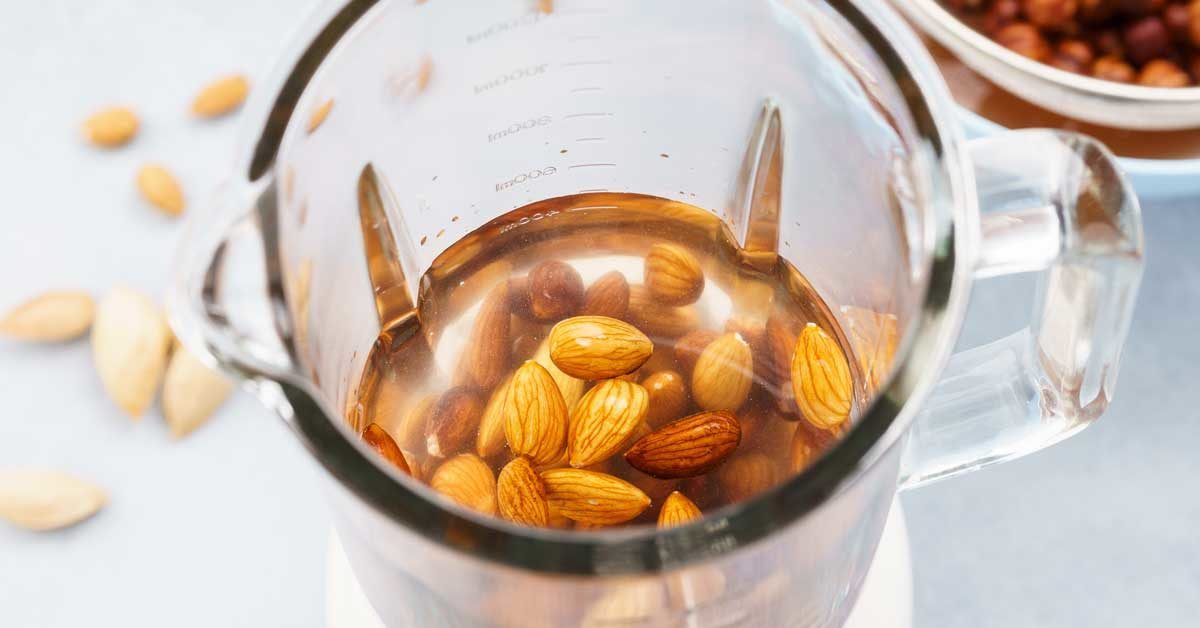

Soaking almonds sounds like one of those tiny kitchen rituals that belongs in the same category as “massage the kale” or “talk nicely to your sourdough starter.” But this simple habit has been around for a long time, and for good reason: soaked almonds are softer, easier to chew, pleasant in smoothies, and kinder to some sensitive stomachs. Are they magically transformed into tiny beige superheroes overnight? Not exactly. But they can become more enjoyable, more versatile, and easier to include in a balanced diet.
Almonds are already a nutritional overachiever. They bring healthy unsaturated fats, plant-based protein, fiber, vitamin E, magnesium, calcium, potassium, and antioxidants to the snack table. Soaking does not turn them into a completely different food, but it can change their texture, flavor, and how you use them. Think of soaking almonds less as a nutrition hack and more as a practical prep methodlike washing berries, trimming herbs, or putting leftovers in the fridge before they become a science project.
In this guide, we will look at the real benefits of soaking almonds, what science says about digestion and nutrient absorption, how to soak almonds safely, common mistakes to avoid, and easy ways to use them in everyday meals. Grab a bowl, some water, and a little patience. The almonds can do the lounging; you just get the benefits.
What Are Soaked Almonds?
Soaked almonds are simply raw or natural almonds that have been covered with water for several hours, usually overnight. During soaking, the almonds absorb water, soften slightly, and develop a smoother bite. Some people peel the brown skins after soaking because the skins slip off more easily. Others keep the skins on for extra texture and fiber. There is no almond police squad standing by with a clipboard, so either choice is fine.
The most common method is to soak almonds for 8 to 12 hours in clean water, drain them, rinse them, and store them in the refrigerator. Some people add a pinch of salt to the soaking water, though plain water works well for everyday use. The goal is not to “activate” almonds into a miracle food; it is to soften them, freshen their flavor, and make them easier to blend, chew, or digest.
Soaking Almonds Benefits: What You Can Realistically Expect
1. Softer Texture and Easier Chewing
The most obvious benefit of soaked almonds is texture. Dry almonds are crunchy, which is great when you want a snack with a satisfying snap. But if you have sensitive teeth, braces, dental work, or simply dislike hard nuts, soaking makes almonds much easier to chew. After several hours in water, almonds become plumper and gentler without turning mushy.
This is one reason soaked almonds work beautifully in breakfast bowls, smoothies, homemade almond milk, sauces, and creamy dips. They blend more smoothly than dry almonds, which means fewer gritty surprises hiding at the bottom of your blender jar. Nobody wants to drink a smoothie and feel like they are panning for gravel.
2. A Milder, Slightly Sweeter Flavor
Soaking almonds can soften their taste as well as their texture. Raw almonds have a pleasant nuttiness, but their skins can add a faint bitterness or tannic note. After soaking, many people find almonds taste cleaner, sweeter, and more buttery. This difference is subtle, but it matters in simple recipes where almonds are the star.
If you are making almond milk, almond cream, or a blended breakfast smoothie, soaked almonds often taste smoother and less sharp. For people who say, “I know almonds are healthy, but I do not love them,” soaking may be the tiny kitchen trick that makes them more snackable.
3. Possible Digestive Comfort for Some People
Some people feel that soaked almonds are easier on their stomach than dry almonds. This may be because the softer texture requires less intense chewing and breaks down more easily before swallowing. Soaking may also make almonds feel less heavy in certain recipes, especially when blended with water or fruit.
However, it is important to keep the claim reasonable. Soaking almonds is not a guaranteed cure for bloating, indigestion, or food sensitivities. Almonds still contain fiber and fat, both of which are healthy but can cause discomfort if eaten in large amounts. If your stomach complains loudly after a big almond snack, the problem may be portion size rather than soaking status. Almonds are nutrient-dense, but they are not popcorn; a handful is plenty.
4. Nutrients That Support Heart Health
Soaked or not, almonds are naturally rich in unsaturated fats, fiber, plant protein, vitamin E, and magnesium. These nutrients are associated with heart-friendly eating patterns. Replacing highly processed snacks with a moderate serving of almonds can support better overall diet quality. The key word is “replacing.” Adding three handfuls of almonds on top of an already full snack routine is less “heart healthy” and more “my pantry has opinions.”
Almonds are especially known for their monounsaturated fats, the same broad type of fat that gives foods like olive oil their good reputation. They are also naturally cholesterol-free and low in saturated fat. Choosing unsalted almonds is usually best for daily snacking, especially if you are watching sodium intake.
5. Vitamin E and Antioxidant Support
Almonds are one of the better everyday food sources of vitamin E, a fat-soluble nutrient that acts as an antioxidant in the body. Antioxidants help protect cells from oxidative stress, which is a normal part of life but can be influenced by diet, environment, and lifestyle. Almond skins also contain polyphenols, which are plant compounds studied for antioxidant activity.
If you peel soaked almonds, you may remove some compounds found in the skin. That does not make peeled almonds “bad,” but it is worth knowing. Peeled soaked almonds are softer and milder; unpeeled soaked almonds provide more texture and retain the skin. Choose based on your recipe and your preference.
6. Better Use in Recipes
Soaking almonds can make cooking easier. A dry almond is great for trail mix, but it is not always ideal for creamy recipes. Once soaked, almonds blend into smoother sauces, dairy-free creams, homemade almond milk, energy bites, and dessert fillings. This is where soaked almonds really shine.
For example, you can blend soaked almonds with water, vanilla, and a pinch of cinnamon for a quick almond milk-style drink. You can blend them with lemon juice, garlic, and herbs for a creamy savory spread. You can also chop them and fold them into oatmeal, yogurt, or salads when you want softness instead of crunch.
Does Soaking Almonds Remove Phytic Acid?
This is where things get interesting. Many people soak almonds because they have heard it removes phytic acid, a natural compound found in seeds, nuts, grains, and legumes. Phytic acid can bind minerals such as iron, zinc, and calcium during the same meal, which is why it is sometimes called an “antinutrient.” That nickname sounds dramatic, like phytic acid wears a cape and steals minerals at midnight.
In real life, the situation is more balanced. Phytic acid may reduce mineral absorption from a specific meal, but it is also found in many healthy plant foods. For most people eating a varied diet, phytic acid in almonds is not a major concern. Research on soaking nuts suggests that soaking whole almonds may not dramatically reduce phytate levels or significantly improve mineral bioavailability. In some cases, minerals can even leach into the soaking water.
So, should you soak almonds for phytic acid reduction? You can, but do not expect magic. The stronger reasons to soak almonds are texture, taste, chewing comfort, and recipe performance. If your diet is very restricted, or if you have concerns about mineral deficiency, it is better to speak with a qualified health professional rather than relying on soaked almonds as your grand nutrition strategy.
Raw Almonds vs. Soaked Almonds: Which Is Better?
Neither one wins every category. Raw almonds are convenient, portable, crunchy, and shelf-stable. Soaked almonds are softer, easier to blend, and often milder in flavor. The better choice depends on what you need.
Choose raw almonds when you want a quick snack, a crunchy topping, or something you can keep in a desk drawer. Choose soaked almonds when you want a softer bite, a smoother smoothie, homemade almond milk, or a gentler texture. Nutritionally, both can be part of a healthy eating pattern. The almond does not become morally superior after a night in water; it just becomes more cooperative.
How to Soak Almonds Step by Step
Step 1: Choose Good Almonds
Start with raw, natural, unsalted almonds. Avoid almonds coated in sugar, oil, chocolate, heavy seasoning, or mystery dust from the snack aisle. Those are delicious in their own lane, but they are not the best choice for soaking.
Step 2: Rinse the Almonds
Place the almonds in a strainer and rinse them under cool running water. This removes surface dust and helps start with a cleaner soak. It takes less than a minute, which is roughly the amount of time most people spend looking for the “good” measuring cup anyway.
Step 3: Add Water
Put the almonds in a clean bowl or jar and cover them with plenty of cool water. Use about two to three times as much water as almonds because they will expand slightly. If the almonds are crowded like commuters on a Monday train, add more water.
Step 4: Soak for 8 to 12 Hours
Let the almonds soak overnight in the refrigerator for the safest approach. Many traditional instructions say to soak them at room temperature, but refrigeration is a smarter food-safety habit, especially in warm kitchens. Almonds are low-moisture foods when dry, but once soaked, they become moist and more perishable.
Step 5: Drain and Rinse
After soaking, drain the water and rinse the almonds well. Do not reuse the soaking water in smoothies or recipes. It may contain bitter compounds and any material released during soaking. Fresh water tastes better and is the cleaner choice.
Step 6: Peel or Keep the Skins
If you want peeled almonds, pinch each soaked almond between your fingers and the skin should slide off. This step is oddly satisfying, like bubble wrap for people who meal prep. If you want more fiber and texture, leave the skins on.
Step 7: Store Properly
Store soaked almonds in a clean, covered container in the refrigerator. For best quality, use them within two to three days. If they smell sour, look slimy, taste off, or seem suspicious in any way, throw them out. Your nose is not a laboratory, but it is often a helpful early warning system.
How Long Should You Soak Almonds?
The standard soaking time for almonds is 8 to 12 hours. This is long enough to soften them without turning the process into a weekend commitment. If you are short on time, even 4 hours can help soften almonds for blending. If you forget them for 24 hours, they may still be usable if refrigerated and fresh-smelling, but longer is not automatically better.
For daily use, an overnight soak is the sweet spot. Start them after dinner, drain them in the morning, and you are ready for breakfast. It is one of the rare kitchen tasks that works best while you are asleep, which is exactly the kind of productivity many of us can support.
Food Safety Tips for Soaked Almonds
Food safety matters because soaking changes almonds from a dry pantry food into a moist refrigerated food. Bacteria grow faster in warm, wet environments, so soaked almonds should be treated with more care than dry almonds.
- Use clean hands, clean bowls, and clean water.
- Soak almonds in the refrigerator, especially if your kitchen is warm.
- Drain and rinse almonds after soaking.
- Store soaked almonds in the refrigerator in a covered container.
- Use soaked almonds within two to three days for best quality.
- Do not eat soaked almonds that smell sour, feel slimy, or show mold.
If you plan to make homemade almond milk, keep it refrigerated and use it quickly. Homemade nut milks do not usually contain the stabilizers or commercial processing used in store-bought products, so freshness matters.
Do You Need to Peel Soaked Almonds?
No, you do not need to peel soaked almonds. Peeling is optional. Almond skins contain fiber and plant compounds, while peeled almonds have a smoother texture and milder flavor. If you are making a silky almond sauce, peeled almonds may be worth the extra few minutes. If you are tossing them into oatmeal, keeping the skins is easier and perfectly fine.
Some people peel almonds because they find the skins slightly bitter or harder to digest. Others prefer the whole almond, skin and all. There is no single correct answer. Let your taste buds vote; they have been campaigning for years.
How Many Soaked Almonds Should You Eat Per Day?
A common serving of almonds is about 1 ounce, roughly 23 almonds. This serving provides a satisfying mix of calories, protein, fat, and fiber. If you are soaking almonds, the number does not change dramatically, although the almonds will weigh more because they absorb water.
For many people, a small handful per day is enough. Almonds are healthy, but they are also calorie-dense. Eating them mindfully is better than treating the bag like a bottomless Netflix companion. If you have a nut allergy, kidney-related dietary restrictions, digestive conditions, or a medical nutrition plan, ask a healthcare professional before adding almonds regularly.
Best Ways to Eat Soaked Almonds
Add Them to Smoothies
Soaked almonds blend more easily than dry almonds. Add a small handful to a smoothie with banana, berries, oats, or cocoa powder. They add creaminess, mild nutty flavor, and staying power.
Make Quick Almond Milk
Blend soaked almonds with fresh water, then strain through a nut milk bag or fine cloth. Add vanilla, cinnamon, or a date if you like a sweeter flavor. Keep homemade almond milk refrigerated and use it within a few days.
Top Oatmeal or Yogurt
Chopped soaked almonds are softer than roasted almonds and pair well with oatmeal, Greek yogurt, chia pudding, or overnight oats. Add fruit and a little cinnamon for a breakfast that feels planned even if your morning personality is still loading.
Blend Into Sauces
Soaked almonds can make creamy sauces without dairy. Blend them with lemon juice, garlic, herbs, water, and a pinch of salt for a simple savory sauce. Use it over roasted vegetables, grain bowls, or sandwiches.
Use Them in Desserts
Soaked almonds work well in energy bites, no-bake bars, date balls, and creamy dessert fillings. Their mild flavor pairs nicely with cocoa, coconut, vanilla, honey, maple syrup, and dried fruit.
Common Mistakes When Soaking Almonds
Soaking Too Long at Room Temperature
Leaving almonds in water on a warm counter for too long can create food-safety concerns. Refrigerated soaking is a better everyday habit. The almonds still soften, and you reduce the chance of unwanted microbial growth.
Using Too Little Water
Almonds need room to hydrate. If the water barely covers them, some almonds may stay dry. Use plenty of water and a bowl large enough for expansion.
Forgetting to Rinse After Soaking
Always drain and rinse soaked almonds before eating or blending. This improves flavor and removes the soaking liquid, which can taste flat or bitter.
Expecting a Miracle
Soaked almonds are useful, but they are not a cure-all. They will not erase a poor diet, replace medical advice, or make you enjoy leg day. The real benefit comes from using almonds as part of a balanced pattern that includes fruits, vegetables, whole grains, lean proteins, and other healthy fats.
Who May Benefit Most From Soaked Almonds?
Soaked almonds may be especially helpful for people who like almonds but struggle with the hard crunch. This includes people with sensitive teeth, braces, older adults who prefer softer foods, or anyone making blended recipes. They may also appeal to people who find raw almonds too dry or slightly bitter.
They are also useful for home cooks. If you make smoothies, almond milk, vegan sauces, or creamy dips, soaked almonds are easier to work with. The blender does less complaining, and so do you.
Who Should Be Careful With Almonds?
Anyone with a tree nut allergy should avoid almonds completely unless a healthcare professional has clearly advised otherwise. Almond allergies can be serious. People with specific medical diets, swallowing difficulties, or digestive disorders should also get personalized advice.
Parents should be careful when serving nuts to young children because whole nuts can be a choking risk. For children, almonds may need to be finely ground, blended, or served in an age-appropriate form. When in doubt, ask a pediatrician.
Soaked Almonds vs. Roasted Almonds
Roasted almonds are crunchy, aromatic, and convenient. Soaked almonds are soft, mild, and recipe-friendly. Roasting intensifies flavor and crunch, while soaking creates tenderness and blendability. One is not automatically healthier than the other.
If you choose roasted almonds, look for dry-roasted or lightly roasted options without lots of added salt or sugar. If you choose soaked almonds, focus on safe storage and freshness. The best almond is the one that helps you eat a more balanced diet without making snack time feel like homework.
Practical Meal Ideas With Soaked Almonds
For breakfast, blend soaked almonds into a banana oat smoothie or chop them into warm oatmeal with apple slices. For lunch, use almond sauce over a quinoa bowl with roasted vegetables. For snacks, pair soaked almonds with fruit for a mix of fiber, fat, and natural sweetness. For dinner, blend soaked almonds into a creamy garlic dressing and drizzle it over grilled vegetables or whole-grain pasta.
One simple recipe idea: blend 1/2 cup soaked almonds with 1/2 cup fresh water, 1 tablespoon lemon juice, 1 small garlic clove, a pinch of salt, and fresh parsley. Adjust water until smooth. This quick almond cream works as a dip, spread, or sauce. It tastes fancy enough to impress someone, but it is easy enough to make while wearing mismatched socks.
Extra Experience Section: Real-Life Lessons From Soaking Almonds
After experimenting with soaked almonds in everyday meals, one thing becomes clear: the biggest benefit is convenience once the habit is built. At first, soaking almonds may feel like another tiny task on the kitchen to-do list. But once you get used to placing a small jar of almonds in the refrigerator before bed, it becomes automatic. Morning-you will silently thank night-before-you, which is rare because those two versions of a person usually disagree about everything.
The first experience many people notice is the texture change. Dry almonds are firm and crunchy, but soaked almonds have a tender bite that feels almost fresh. They are not soft like cooked beans, but they are noticeably easier to chew. This makes them especially useful in breakfasts. Chopped soaked almonds on oatmeal create a pleasant bite without the loud crunch that can make early mornings feel even more aggressive.
Another practical lesson is that soaked almonds blend better, but they still need enough liquid. If you toss a handful into a weak blender with half a banana and three ice cubes, do not expect silk. Add enough water, milk, or yogurt to help the blades move. For extra smoothness, soak the almonds overnight and peel them before blending. Peeling is optional, but for creamy drinks and sauces, it can make the final result feel more polished.
Soaked almonds are also helpful for portion control. Because they are plumper and softer, they feel more substantial in small amounts. A small bowl with soaked almonds, berries, and yogurt can feel more satisfying than eating dry almonds straight from the bag. The bag method is dangerous because almonds are small, quiet, and very good at disappearing while you are “just having a few.”
Food safety is the lesson people should not skip. Dry almonds can sit in the pantry, but soaked almonds are different. Once water enters the picture, refrigeration becomes important. A good routine is to soak only what you can use in two or three days. Drain, rinse, and store them in a clean container. If you open the container and something smells sour or strange, do not negotiate with it. Throw it away and start over.
In recipes, soaked almonds are surprisingly flexible. They can go sweet or savory. With dates, cocoa, and vanilla, they become dessert-like. With lemon, garlic, and herbs, they become a creamy sauce. With oats and fruit, they become breakfast support. This flexibility makes them useful for people trying to eat more whole foods without buying a cart full of specialty products.
The most realistic takeaway is this: soaking almonds is worth doing if it helps you enjoy almonds more often and use them in better meals. It is not mandatory, and it does not make unsoaked almonds unhealthy. But as a simple kitchen habit, it can make almonds softer, smoother, and easier to love. That is a pretty good return for a bowl of water and a night in the fridge.
Conclusion
Soaking almonds is a simple, useful habit that can improve texture, taste, and recipe performance. It may make almonds easier to chew and more pleasant for some people to digest, especially when used in smoothies, sauces, almond milk, oatmeal, and snacks. However, the biggest health benefits still come from almonds themselves: healthy fats, fiber, plant protein, vitamin E, magnesium, and antioxidant-rich plant compounds.
The smartest way to approach soaked almonds is with balance. Enjoy them if you like the softer texture, but do not feel guilty if you prefer raw or roasted almonds. Use clean water, soak them in the refrigerator, rinse them well, and store them safely. A small handful can be a delicious part of a balanced diet. In other words, let almonds be almondsnutritious, versatile, and thankfully much easier to manage than sourdough starter.