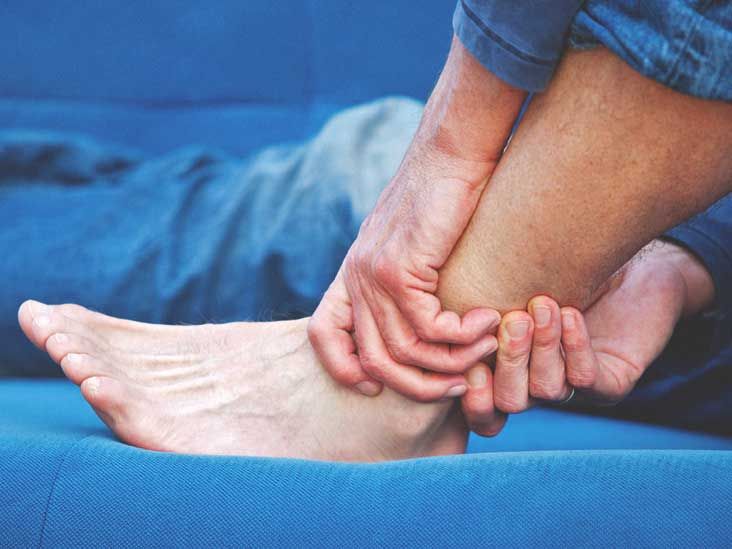

The fibula is the slimmer bone on the outside of your lower leg. It is basically the understudy to the tibia, but do not let its supporting-role energy fool you. When it breaks, it can make walking miserable, sleeping awkward, showering unnecessarily dramatic, and every staircase feel like a personal insult.
A fibula fracture can happen from a bad twist at the ankle, a sports collision, a fall, a car crash, or repetitive overuse from running and jumping. Some breaks are relatively straightforward and heal with a boot, rest, and patience. Others involve the ankle joint, shift out of place, or break through the skin, which means they need urgent medical care and sometimes surgery.
This guide breaks down the main types of fibula fractures, how doctors diagnose and treat them, what recovery usually looks like, and what real life can feel like while you heal. The goal is simple: give you solid, practical information without making your leg hurt more just by reading.
What Is a Fibula Fracture?
A fibula fracture is a break in the fibula, the smaller of the two bones in the lower leg. The fibula runs along the outside of the leg and helps stabilize the ankle. Even though it does not bear as much weight as the tibia, it still matters a lot for balance, ankle function, and normal walking mechanics.
Fibula fractures can happen in different parts of the bone. Some occur near the ankle, where the lower end of the fibula forms the lateral malleolus, which is the bony bump on the outside of your ankle. Others happen in the shaft, or middle portion, of the bone. Some occur higher up near the knee. Location matters because it affects treatment, healing time, and how likely the injury is to make the ankle unstable.
Types of Fibula Fractures
1. Distal Fibula Fracture
This is a break near the ankle and one of the most common forms of fibula fracture. Many people hear it called a lateral malleolus fracture. It can happen from twisting injuries, falls, sports accidents, or stepping wrong in a spectacularly inconvenient way. Some distal fibula fractures are stable and can heal without surgery. Others shift the ankle joint out of alignment and need a more aggressive plan.
2. Fibular Shaft Fracture
This break happens along the middle of the fibula. It may result from a direct blow, a fall, or trauma such as a vehicle accident. An isolated shaft fracture may sometimes be treated without surgery if the bone alignment is acceptable and the ankle and knee are stable.
3. Proximal Fibula Fracture
This fracture occurs near the top of the fibula, close to the knee. It may happen after a blow to the outer leg or as part of a more complex injury pattern. Because structures around the knee and the peroneal nerve are nearby, this type needs careful evaluation.
4. Stress Fracture of the Fibula
A fibula stress fracture is a small crack caused by repetitive force rather than one dramatic injury. It is more common in runners, dancers, military recruits, and athletes who increase training too fast. Instead of one memorable “pop,” the pain usually sneaks in, worsens with activity, and eases with rest.
5. Avulsion Fracture
In an avulsion fracture, a ligament or tendon pulls off a small piece of bone. Around the ankle, this can happen during a twisting injury. These are sometimes small, but they should not be ignored, especially if swelling and weight-bearing pain are significant.
6. Open vs. Closed Fracture
A closed fracture means the skin stays intact. An open fracture means the skin is broken, sometimes with bone exposed. Open fractures are medical emergencies because they carry a higher risk of infection and often need urgent surgery.
7. Displaced vs. Nondisplaced Fracture
In a nondisplaced fracture, the broken pieces remain lined up. In a displaced fracture, they shift out of alignment. This distinction is a big deal because nondisplaced fractures are more likely to be managed with immobilization, while displaced fractures more often require reduction or surgery.
Fibula Fracture Symptoms
Symptoms vary by the type and severity of the break, but common signs include:
- Sharp or throbbing pain in the lower leg or outer ankle
- Swelling and tenderness
- Bruising
- Difficulty walking or putting weight on the leg
- A feeling that the ankle is unstable or “not right”
- Visible deformity in more severe injuries
- Numbness, tingling, or a cold foot in urgent situations
A fibula fracture can sometimes masquerade as a bad ankle sprain, especially if the pain is near the lateral malleolus. That is why persistent swelling, bone tenderness, or inability to bear weight deserves proper evaluation instead of a heroic amount of denial.
Common Causes and Risk Factors
The most common causes of a broken fibula include falls, sports injuries, twisting ankle injuries, direct blows, and car or bike accidents. Stress fractures are different. They usually build over time from repetitive impact rather than a one-time trauma.
Risk factors can include:
- Running, jumping, dancing, or rapid training increases
- Contact sports
- Poor footwear or uneven training surfaces
- Low bone density or osteoporosis
- Diabetes or inflammatory conditions that affect bone health
- Smoking, which can interfere with healing
- Previous fractures or significant ankle instability
How Doctors Diagnose a Fibula Fracture
Diagnosis usually starts with a physical exam. A clinician will check for swelling, tenderness, deformity, skin injury, circulation, nerve function, and whether the ankle joint seems stable. X-rays are usually the first imaging test and can often confirm the fracture, show where it is, and reveal whether the bones are still aligned.
In more complex injuries, a CT scan may be used to get a more detailed look, especially if the fracture extends into the ankle joint or surgery is being considered. In some suspected stress fractures, early X-rays may look normal, so MRI or other advanced imaging may be ordered if symptoms strongly suggest a bone injury.
If the injury looks like a “simple sprain” but there is pain over the lower fibula, serious swelling, or you cannot take a few steps, imaging becomes much more important. Sometimes the story is “I rolled my ankle.” The X-ray story is “Actually, your fibula would like to file a complaint.”
Fibula Fracture Treatment
Nonsurgical Treatment
Many fibula fractures can be treated without surgery, especially if the break is stable and the bones remain in good alignment. Nonsurgical care may include:
- A splint, cast, or walking boot
- Crutches or another walking aid to reduce weight-bearing
- Ice and elevation to control swelling
- Pain relief, often with acetaminophen or an anti-inflammatory if your clinician says it is appropriate
- Follow-up X-rays to make sure the fracture stays in position
For some ankle-area fibula fractures, the boot or cast may stay on for several weeks, sometimes longer if healing is slow or the injury is more involved. Stress fractures usually require activity modification, protected weight-bearing, and enough rest for the bone to recover.
Surgical Treatment
Surgery may be recommended when the fracture is displaced, open, unstable, involves the joint, includes multiple fragments, or comes with ligament damage that makes the ankle loose. A common surgery is open reduction and internal fixation, often called ORIF. During ORIF, the surgeon realigns the bone and uses hardware such as plates, screws, wires, rods, or nails to hold it in place while it heals.
Surgery is not a punishment for having bad luck. It is simply the best option in some cases to restore alignment, protect joint function, and reduce the odds of long-term problems such as arthritis or chronic instability.
Recovery Timeline: How Long Does a Fibula Fracture Take to Heal?
There is no one-size-fits-all calendar, but many uncomplicated fibula fractures heal in about 6 to 8 weeks. That said, “bone healing” and “feeling normal again” are not always the same thing. Swelling, stiffness, weakness, and balance problems can linger beyond the point where the fracture is technically united.
Here is a general fibula fracture recovery timeline:
Week 1 to 2
Pain, swelling, and bruising are usually at their loudest. The main goals are protection, elevation, icing as directed, and not doing anything wildly ambitious.
Week 3 to 6
Many people start feeling better day to day, but the bone is still healing. Depending on the fracture, you may still be non-weight-bearing, partial weight-bearing, or transitioning in a boot.
Week 6 to 8
Some isolated fractures show solid progress by this stage, and your clinician may begin advancing walking and range-of-motion work. Others, especially surgical or complex fractures, are still very much in the recovery process.
Week 8 to 12 and Beyond
This is often when strength, mobility, gait training, and return-to-activity work become more important. High-impact activity, sports, and long walks may still feel difficult. Full recovery can take months, especially after severe fractures, unstable ankle injuries, or surgery.
After ankle surgery, some patients are kept non-weight-bearing for roughly 4 to 6 weeks before progressing. Severe or complicated injuries may take much longer, and a return to sports can stretch well beyond the initial healing window.
Physical Therapy and Rehabilitation
Once your clinician says it is safe, rehab becomes a major part of recovery. Immobilization helps bone heal, but it also makes muscles weaker and joints stiffer. Physical therapy may focus on:
- Restoring ankle range of motion
- Rebuilding calf and lower-leg strength
- Improving balance and proprioception
- Correcting walking mechanics
- Preparing for work, exercise, or sports
Rehab is rarely glamorous. It is mostly small, repetitive exercises that do not look exciting on social media. But those boring basics are often what help you walk normally again.
Complications to Watch For
Most fibula fractures heal well, but complications can happen. These may include:
- Delayed healing or nonunion
- Malunion, where the bone heals in poor alignment
- Infection, especially with open fractures or after surgery
- Blood clots
- Nerve or blood vessel injury
- Stiffness and weakness
- Post-traumatic ankle arthritis
- Persistent swelling or chronic pain
Smoking, poor blood supply, certain health conditions, and inadequate stability can make healing harder. Nutrition, rest, and following weight-bearing instructions matter more than people usually want to hear.
When to Seek Urgent Medical Care
Get urgent medical help if you have:
- Bone pushing through the skin or an open wound near the fracture
- Severe deformity
- Numbness, tingling, or a cold, pale, or dark foot
- Severe swelling with worsening pain
- Inability to move your toes
- Shortness of breath or chest pain during recovery
Those symptoms can point to serious issues such as infection, circulation problems, compartment syndrome, or a blood clot. This is not the time for “maybe it will be fine.”
Tips for a Smoother Recovery
- Use your boot, cast, or brace exactly as prescribed
- Do not rush weight-bearing if your clinician has told you not to
- Keep swelling down with elevation and ice as directed
- Eat enough protein and a balanced diet to support healing
- Avoid smoking if possible
- Show up for follow-up appointments and repeat imaging
- Take rehab seriously, even when it feels slow
The Human Side of Recovery: What the Experience Often Feels Like
Clinical descriptions are useful, but they do not always capture the day-to-day reality of a fibula fracture. The first surprise for many people is that the injury is not just painful. It is inconvenient in a hundred tiny ways. Getting out of bed becomes a strategy session. Carrying coffee turns into an engineering challenge. Showering suddenly requires confidence, balance, and what feels like military-grade planning.
The first week is often the most frustrating. Pain and swelling can make the leg feel heavy, tight, and strangely vulnerable. Sleep is not always easy because the ankle throbs when it hangs down, and finding a comfortable position can feel like trying to negotiate peace talks with a pillow pile. Even people who are normally active and independent can feel surprisingly stuck. A fibula fracture has a way of shrinking your world to the couch, the bathroom, and whatever charger cable is within reach.
Then comes the mental side. Recovery is rarely a straight line. One day you think, “I am definitely getting better,” and the next day your ankle swells because you sat with it down for too long or got overconfident and did three errands instead of one. That can mess with motivation. Some people worry that every ache means something is wrong. Others get tired of moving slowly and try to do too much too soon. Both reactions are understandable.
Mobility aids also come with a learning curve. Crutches can make your arms sore. A walking boot is helpful, but it is not subtle. It announces itself with every step like a chunky black exclamation point. Stairs may become your least favorite architectural feature. Many people also notice how tiring simple tasks become when every movement takes extra effort.
The good news is that progress usually shows up in ordinary milestones. The first shower that feels manageable. The first night your pain does not wake you up. The first time you stand without that immediate “nope” from your ankle. The first cautious walk to the kitchen that does not feel like a high-stakes expedition. These little wins matter because they remind you that healing is happening, even if it is not dramatic.
As recovery continues, the challenge often shifts from pain control to rebuilding trust in the leg. People may feel stiff, uneven, or nervous about putting weight through the foot again. That hesitation is normal. After all, your body just had a memorable disagreement with gravity. Physical therapy helps, but patience helps too. Confidence tends to come back one repetition, one walk, and one successful day at a time.
Many patients also describe a strange mix of gratitude and annoyance by the end of the process. Gratitude because the bone is healing and normal life is returning. Annoyance because recovery takes longer than expected and swelling can linger even after the “official” timeline sounds complete. That is why realistic expectations matter. Healing is not usually one magic moment. It is a series of small improvements that eventually add up to something big: getting your life back.
Final Thoughts
A fibula fracture can be anything from an overuse stress injury to a serious ankle-breaking event that needs surgery. The most important questions are where the break is, whether the ankle joint is stable, whether the bone pieces are aligned, and whether there is damage to the skin or surrounding structures. Those details guide everything else.
The encouraging part is that many fibula fractures heal well with proper treatment, whether that means a boot and time or surgery and rehab. The less-fun part is that recovery usually demands patience, follow-up care, and a temporary friendship with inconvenience. Still, with the right plan, most people can return to daily activity and, in time, the things they actually enjoy doing.
Note: This article is for informational purposes only and should not replace diagnosis, imaging, or treatment advice from a licensed medical professional. If you suspect a fracture, especially after a fall, sports injury, or car accident, seek prompt medical care.