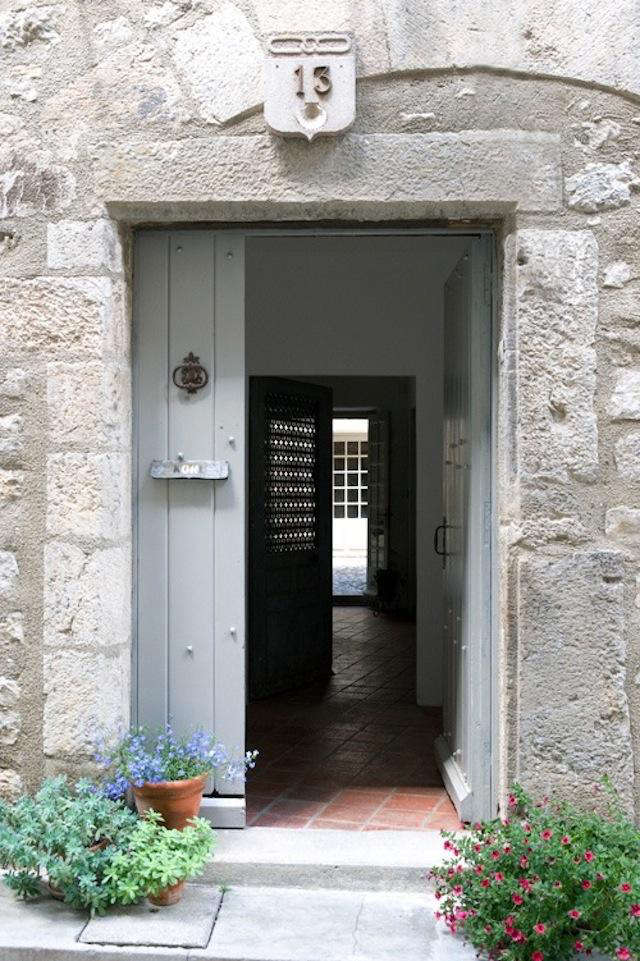

If Provence is the glamorous cousin who always arrives in linen with suspiciously perfect hair, Languedoc is the charming sibling who actually knows how to throw a party. This historic region in southern France, now part of Occitanie, has long offered the pleasures travelers dream about when they picture the South of France: golden light, vine-covered hills, old stone villages, market mornings, and leisurely meals that seem to begin at lunch and somehow drift into stargazing. The difference is that Languedoc still feels a little less polished, a little more grounded, and a lot more lived-in.
That is exactly why a holiday house in the Languedoc has such powerful appeal. It is not just a place to sleep between sightseeing stops. It becomes your headquarters for a slower, richer style of travel. You are not checking in and out of the region like a nervous tourist with a spreadsheet. You are settling in. You are opening shutters in the morning, buying peaches at the market, debating whether dinner should include oysters, olives, or cassoulet, and pretending you understand French property logic well enough to operate the outdoor lights. This, in short, is the good life.
Why Languedoc Makes Sense for a Holiday House
Languedoc stretches across a part of southern France where the landscape seems unable to pick just one personality. Along the Mediterranean, you find beaches, lagoons, fishing towns, and salty breezes. Inland, the scenery shifts to vineyards, scrubby hills perfumed with wild herbs, rivers, canal paths, and dramatic fortified towns. The region’s historical texture is equally rich, shaped by Roman influence, medieval power struggles, regional language traditions, and centuries of agricultural life. A short drive can take you from market square to marina, from a vineyard lunch to a walk under medieval walls.
For travelers, that variety matters. A great holiday house works best in a region where you can do many kinds of nothing. Languedoc is excellent at this. One day you can stroll the ramparts of Carcassonne or admire the engineering brilliance of the Canal du Midi. The next day you can wander through a village market, stop at a winery, and come home with tomatoes, goat cheese, crusty bread, and the irrational confidence that you are now the sort of person who says things like, “Let’s eat outside; the light is better.”
It also helps that Languedoc often feels more approachable than the most famous corners of southern France. Travelers looking for authenticity, value, and breathing room are increasingly drawn here for exactly that reason. The region offers plenty of beauty without demanding that every sunset come with valet parking.
What the Best Holiday Houses in the Languedoc Feel Like
Stone, Shade, and Shutters
The dream holiday house in the Languedoc usually begins with texture. Think honey-colored stone walls, weathered wood beams, tiled roofs, cool interiors, and shuttered windows that turn sunlight into something soft and theatrical. French country style, at its best, is not fussy. It is warm, practical, elegant in a slightly rumpled way, and deeply connected to natural materials. Linen, wood, terracotta, woven baskets, old pottery, and vintage furniture all feel at home here. The house should look as though it has seen many summers and has no interest in becoming trendy now.
Outdoor space matters just as much as the rooms themselves. In this part of France, the line between inside and outside is gloriously blurry. A courtyard for coffee, a long dining table under a pergola, a patch of shade for reading, and maybe a view over vines or rooftops can do more for your vacation than a dozen decorative cushions ever could. A holiday house here should invite lingering. It should whisper, very persuasively, “You really do not need to check your email.”
A Kitchen That Encourages Badly Timed Snacking
No house in the Languedoc earns full marks without a kitchen that makes local food feel like an event. This is a region where produce, seafood, cheeses, cured meats, beans, herbs, and wine do much of the entertainment planning for you. You want open shelves, a big table, plenty of prep space, and perhaps a bowl of fruit making itself decorative in the corner. Even travelers who do not normally cook on vacation suddenly become very interested in slicing melon, arranging radishes, and serving chilled Picpoul de Pinet with anything that came from the sea.
Local food culture is one reason a holiday house works so well here. Hotels can offer convenience, but a rented house lets you participate. You shop, you assemble, you improvise. One night might mean grilled fish with aioli and herbs. Another might call for roast chicken, olives, and a salad so simple it feels smug. And yes, if you are inland near Castelnaudary or Carcassonne, cassoulet may make an appearance with the kind of rustic confidence only southern France can pull off.
The Experiences That Come With the Address
Morning Markets and Slow Starts
One of the great pleasures of a holiday house in the Languedoc is that it gives structure to your idleness. Morning begins with coffee and fresh bread, followed by a market run where you fully intend to buy “just a few things” and somehow return with apricots, tomatoes, lavender honey, olives, cheese, and a ceramic dish you absolutely did not need five minutes earlier. The region’s agricultural abundance makes simple meals feel luxurious. When ingredients are good, lunch can be little more than assembly with attitude.
The best trips here are rarely over-planned. You might spend the afternoon by the pool, cycling or walking along the Canal du Midi, or exploring a village where the main activity appears to be looking beautiful while being old. That is not a complaint. It is a travel strategy.
Wine Without the Snobbery
Languedoc has vineyards everywhere, and wine is woven into the landscape rather than staged for your benefit. For a long time, the region was underestimated, especially by travelers who focused on more famous French wine names. That has changed. Languedoc now attracts attention for quality, variety, and value, with reds, rosés, and bright whites that reflect the local climate and terrain. The term garrigue often comes up in regional wine talk, referring to the aromatic wild scrubland of southern France and the herbal, savory notes it can lend to wine. In other words, the landscape practically seasons your glass.
That makes a holiday house especially appealing because wine country feels better when you are not rushing. You can visit a small producer, ask a few questions, buy a couple of bottles, and return home for a late lunch under the trees. No one is handing you a branded tote bag and hustling you toward the gift shop. Languedoc, thankfully, still knows how to keep things relaxed.
History That Sneaks Up on You
The region is not just scenic; it is layered. Carcassonne remains the headline act, and for good reason. Its fortified silhouette looks so dramatic it almost seems fictional, but the city’s medieval walls, towers, and restored defenses are very real. Then there is the Canal du Midi, one of the great civil engineering achievements of its time, threading through the landscape with an elegance that makes modern infrastructure look embarrassingly humorless.
Staying in a holiday house lets you experience these places with better timing. You can visit early, late, or in the gentler shoulder seasons when the weather is pleasant and the crowds are less determined to photograph everything with their elbows. Spring and early fall are especially appealing in southern France, when the light is still generous and the rhythm of daily life feels less compressed by peak-season bustle.
How to Plan the Ideal Stay
Choose Your Setting Carefully
There is no single correct version of a Languedoc holiday house. If you want beach access and seafood lunches, look toward the coast and lagoons. If vineyards, hill towns, and old stone villages are the fantasy, go inland. If you want a mix of history and easy day trips, a base near Carcassonne, Béziers, Pézenas, or the Canal du Midi can be especially rewarding.
The smartest choice often depends on the trip’s mood rather than its checklist. Families may want a pool, a yard, and enough bedrooms to prevent breakfast diplomacy from becoming necessary. Couples may prefer a compact village house with a terrace and bakery access within walking distance. Groups of friends may discover that the true luxury is not a grand salon but enough outdoor seating for everyone to argue happily over dinner plans.
Decorate for Place, Not Performance
If you are designing, renovating, or simply fantasizing about a holiday house here, resist the urge to over-style it. The Languedoc does not need help being photogenic. A house should respond to the local environment: cool interiors for hot afternoons, shade where it matters, natural fabrics, sturdy tables, open windows, and colors borrowed from the region itself. Sand, chalk, olive green, faded blue, soft white, clay, and sun-baked ocher all belong here. Add books, baskets, pitchers, candles, and a generous sense of imperfection.
The goal is not museum-quality “French country decor.” The goal is a house that lets people actually live well in it. A little patina is a feature, not a flaw. A stone sink with character beats a soulless showroom kitchen every time.
Who Falls in Love With a Holiday House in the Languedoc?
Almost anyone with decent taste and a working appetite. The region suits travelers who want more than a postcard. It is perfect for cooks, wine lovers, readers, walkers, market enthusiasts, history buffs, and people who enjoy vacations with a strong chance of afternoon loafing. It is also ideal for those who like the South of France in theory but not necessarily in its most polished, expensive, high-gloss form.
Languedoc gives you the atmosphere people chase elsewhere, but with more room to breathe. It still has beauty, certainly. But it also has texture, grit, and everyday life. That combination is what makes a holiday house here feel less like a temporary rental and more like a brief experiment in living differently.
Why the Memory Lasts
The most successful holiday houses change the pace of your thoughts. In the Languedoc, that happens almost immediately. Maybe it is the way old stone holds the cool of the night into the morning. Maybe it is the easy access to bread, wine, and views that make ambition seem slightly overrated. Maybe it is the region’s blend of Mediterranean ease and deep history, which makes even ordinary routines feel cinematic.
Whatever the reason, a holiday house in the Languedoc tends to linger in memory because it is not just scenic. It is habitable. It invites participation. You do not simply observe the landscape; you fold yourself into it for a little while. You shop, cook, open windows, get lost on side roads, sit outside too long, and start wondering whether every home should come with shutters and a fig tree. That is usually how the trouble starts.
Extended Experiences: Living Longer in a Holiday House in the Languedoc
To really understand the appeal of a holiday house in the Languedoc, imagine staying long enough for the novelty to turn into routine. On the first day, everything feels deliciously foreign: the church bells, the shutters, the bakery schedule, the fact that lunch appears to be treated like a constitutional right. By day three, however, the region starts to feel less like a destination and more like a temporary life you have borrowed. That shift is the magic.
Mornings become wonderfully predictable. You wake to light pressing softly through wooden shutters and the faint sounds of a village or countryside already in motion. Maybe there is a market in town, maybe a bread run is required, maybe the only task is deciding whether coffee belongs in the courtyard or under the kitchen window. This is the sort of problem every human should have more often. Even errands take on theatrical charm. Buying tomatoes, peaches, olives, and goat cheese feels less like shopping and more like casting tonight’s dinner.
Afternoons in the Languedoc reward flexibility. You might set out for a drive and stop at a hilltop village because it looks too pretty to ignore. You may wander a canal path lined with trees, watch boats move through locks, and admire how a centuries-old engineering project can still look completely at ease in the landscape. On another day, you could visit a winery, taste a mineral white or a sun-warmed red touched by the herbal character of the surrounding scrubland, and come home with bottles you are suddenly determined to “save for a special occasion,” only to open them two hours later with roasted vegetables and fish. Correct decision.
Evenings are where the holiday house really earns its keep. The light turns honey-colored, the heat softens, and the house seems designed for lingering. Someone slices bread. Someone else insists on arranging cheese “properly,” as if this were a televised competition. A salad appears. Glasses clink. Conversation stretches. There is rarely any reason to rush indoors. In the best houses, dinner happens outside under vines, string lights, or a sky so absurdly full of stars that people begin speaking in softer voices for no practical reason.
Longer stays also reveal how varied the Languedoc can be. One day feels coastal, another rural, another almost medieval in mood. You can spend the morning near a lagoon or seafood town, then return inland to stone villages and vineyard roads by afternoon. You can explore the monumental drama of Carcassonne, then retreat to a house where the evening entertainment is a deck of cards, a bowl of cherries, and the sound of cicadas. Luxury, in this region, often looks suspiciously like simplicity.
Perhaps the best part of spending extra time in a holiday house here is that you stop needing every day to be “productive.” You become more selective. You do fewer things, but you enjoy them more. A swim, a market, a walk, a nap, a bottle of local wine, and a late meal can count as a full day. In fact, it can count as an excellent one. The Languedoc is very good at reminding people that pleasure does not always require a reservation.
By the end of a longer stay, the house itself becomes part of the memory rather than a backdrop to it. You remember the cool kitchen floor in the morning, the way the terrace caught the last light, the scent of herbs warming in the sun, the basket you used for market trips, the sound of shutters closing at night. That is what makes a holiday house in the Languedoc different from a standard vacation stay. It does not just host your trip. It shapes it, softens it, and gives it rhythm. You leave with photographs, certainly, but also with the more valuable souvenir of all: the uneasy realization that your regular life could use more outdoor lunches.
Conclusion
A holiday house in the Languedoc offers more than a scenic escape. It offers immersion in one of southern France’s most rewarding regions, where vineyards, canal paths, medieval landmarks, village markets, and Mediterranean ease all come together in a way that feels both romantic and wonderfully practical. Whether you are dreaming of renting one for a week, buying one someday, or simply borrowing its aesthetic for your next design fantasy, the appeal is easy to understand. In the Languedoc, beauty is not staged. It is folded into daily life. And that, frankly, is very hard to forget.