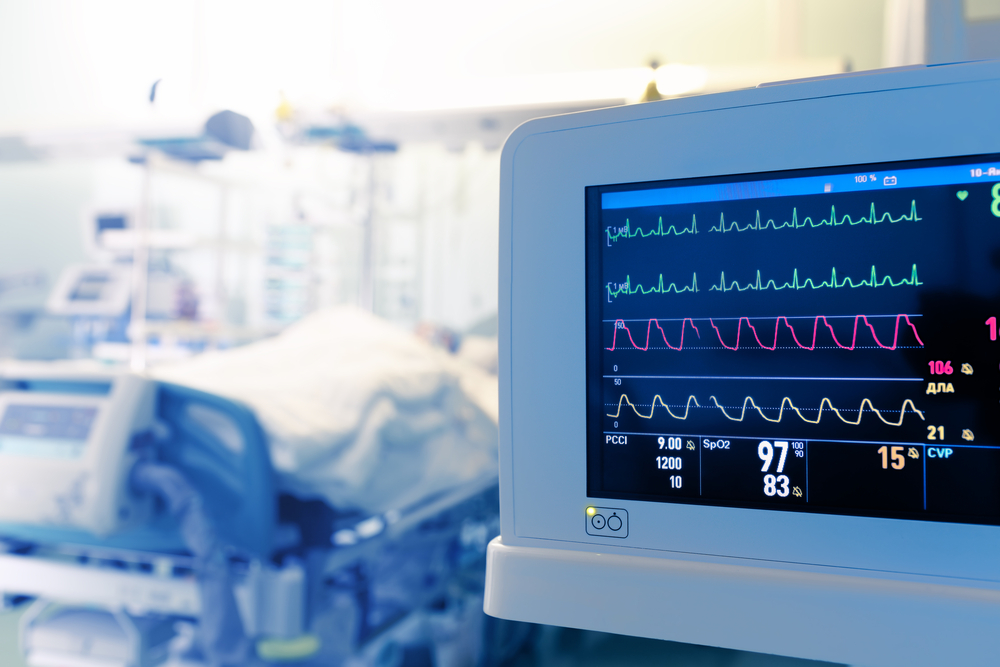

Critical care physicians are trained to function in chaos. They can read a monitor like a suspense novel, make life-and-death decisions before most people finish opening a granola bar, and explain terrifying medical realities with a calm voice that deserves its own award category. But even by ICU standards, the last several years have pushed many of these doctors beyond the edge of ordinary professional stress. Saying critical care physicians have “been through hell” is not melodrama. It is, if anything, a trimmed-down version with the sharpest corners sanded off.
The story of the modern ICU physician is not just about long shifts or emotionally difficult cases. It is about repeated exposure to suffering, the burden of impossible choices, staffing shortages, administrative overload, moral distress, and a health care system that too often treats endurance like an infinite natural resource. Spoiler: it is not. You cannot keep asking people to sprint through a burning building and then act surprised when they eventually smell like smoke.
Why critical care medicine became a pressure cooker
Critical care medicine has always been intense. Intensive care units care for the sickest patients in the hospital: people with respiratory failure, sepsis, multi-organ dysfunction, major trauma, neurological emergencies, and post-surgical complications that have decided to become everyone’s problem at once. The ICU is where medicine becomes immediate. There is no leisurely “let’s monitor this for a few weeks” vibe. There is treatment, reassessment, alarms, family conversations, and the constant possibility that one bad turn can change everything in minutes.
That baseline intensity already places critical care physicians at high risk for emotional exhaustion. They work in environments where outcomes are uncertain, mortality is part of the job, and ethical dilemmas are routine. Even in calmer times, ICU doctors must carry the weight of aggressive treatment decisions, end-of-life care discussions, and the emotional whiplash of losing one patient while stabilizing another. It is noble work, yes, but also the kind of work that can hollow a person out if the system around them offers no room to recover.
The job is not just hard. It is morally hard.
One of the clearest ways to understand the suffering of critical care physicians is through the idea of moral distress. This happens when clinicians know what good care should look like but cannot deliver it because of constraints they do not control. Maybe there are not enough beds. Maybe staffing is dangerously thin. Maybe a family wants everything done even when the care team believes treatment is only prolonging suffering. Maybe institutional rules, documentation demands, or resource shortages keep physicians from practicing in a way that feels humane, safe, or ethically sound.
That kind of conflict is exhausting because it is not only physical or mental. It is moral. It attacks professional identity. It makes physicians question whether they are healing people or merely managing catastrophe with fancier equipment. Burnout is often used as the catch-all phrase, but many ICU physicians and researchers argue that burnout can sound too tidy, too individual, too much like a personal failure to moisturize your soul properly. In reality, much of the damage comes from system-level dysfunction colliding with deeply human work.
The pandemic did not invent the crisis. It detonated it.
Before the COVID-19 pandemic, critical care physicians were already working in a field known for intensity, sleep disruption, heavy emotional load, and high burnout risk. Then came the era that turned every bad day into a sequel. ICU doctors faced wave after wave of severely ill patients, rapidly changing protocols, equipment concerns, visitation restrictions, and the emotional burden of serving as both doctor and surrogate family presence. They intubated patients, adjusted ventilators, delivered terrible updates, and did it all while worrying about infecting their own families when they went home.
Or tried to go home. The line between work and recovery became blurry fast. Many physicians described living in a cycle of crisis, adrenaline, grief, and dread. They were praised as heroes, which sounds nice until you realize “hero” can become a very efficient excuse for not fixing working conditions. Heroes, after all, are expected to keep showing up. Systems, meanwhile, get to keep malfunctioning in business casual.
For ICU physicians, the pandemic intensified nearly every known risk factor for professional collapse. Patient volumes surged. Death became more frequent and more visible. Families were often separated from loved ones. Staffing became unstable. Colleagues got sick, left, retired early, or simply hit a wall. Many doctors found themselves practicing under crisis conditions for far longer than crisis conditions were ever supposed to last.
Repeated trauma changes the clinician, not just the shift
When people talk about physician burnout, they sometimes picture simple tiredness: a doctor who needs a vacation, a yoga mat, and maybe a slightly less cursed inbox. But the reality for many critical care physicians has been more profound. Repeated exposure to death, suffering, ethically painful situations, and relentless workload can lead to symptoms associated with trauma, anxiety, depression, sleep disturbance, emotional numbing, and detachment.
That detachment is especially cruel because it can feel protective in the short term and devastating in the long term. ICU physicians often entered medicine because they care deeply, communicate well, and can hold steady under pressure. Over time, however, chronic exposure to distress can make self-protection look like distance. The danger is not that these doctors stop caring. It is that they care so hard, for so long, in such unforgiving conditions, that their minds start rationing emotion like it is a scarce ICU supply.
What made it feel unbearable
Ask what pushed critical care physicians toward the brink, and the answer is rarely just one thing. It is the pileup.
1. Endless high-acuity care
Every specialty has pressure points, but critical care medicine lives on them. ICU doctors manage patients whose conditions can deteriorate in seconds. The constant vigilance is mentally draining, and the stakes are punishingly high. This is not “busy” in the casual office sense. This is “one oversight could change a life forever” busy.
2. Family communication under impossible circumstances
Critical care physicians do not only treat physiology. They translate uncertainty for families living through the worst day of their lives. They explain ventilators, dialysis, prognosis, code status, and brain injury in plain language while trying to preserve trust and compassion. During the pandemic, those conversations often became even harder because families were remote, visitation was limited, and grief unfolded through phone calls and video screens. Medicine is hard enough without having to say goodbye via tablet.
3. Staffing shortages and attrition
When nurses, respiratory therapists, pharmacists, advanced practice providers, and physicians are in short supply, the entire ICU feels the strain. Critical care is team-dependent by design. When the team thins out, every role carries more weight, every delay matters more, and every clinician works with less margin. That is how a stressful job becomes a dangerous one.
4. Administrative friction
Even in the ICU, paperwork never misses a chance to be annoying. Documentation burden, prior authorizations, electronic record demands, compliance tasks, and scheduling headaches can turn already overloaded days into absurd endurance events. Many physicians are not only tired from patient care. They are tired from fighting systems that seem custom-built to steal time from patient care.
5. A culture that normalizes self-erasure
Medicine often celebrates sacrifice. Some sacrifice is unavoidable in emergency care. But over time, constant self-denial can become a distorted badge of honor: skip meals, skip sleep, skip therapy, skip boundaries, and call it professionalism. That culture is especially dangerous in critical care because the work is already emotionally extreme. When help-seeking is stigmatized, suffering becomes private, and private suffering becomes chronic.
The damage does not stop with the doctors
When critical care physicians are depleted, the consequences ripple outward. Burnout, moral injury, and exhaustion affect retention, teamwork, communication, and the sustainability of the workforce. Hospitals may struggle to staff ICUs. Younger clinicians may reconsider the field. Experienced physicians may reduce hours, retire early, or leave bedside care altogether. That matters because critical care is not plug-and-play. Replacing a seasoned intensivist is not like ordering a new stapler and hoping for the best.
There is also a patient-care dimension. No serious person thinks burned-out doctors care less about patients. The concern is different: chronic overload can degrade attention, teamwork, decision-making, and the safety culture of an organization. Health systems that ignore physician well-being are not being stoic. They are gambling with care quality while pretending the roulette wheel is a leadership strategy.
Why “resilience” alone is not the answer
Critical care physicians are already resilient. Frankly, anyone who voluntarily works in an ICU has probably demonstrated enough resilience to qualify for a commemorative statue and a very good sandwich. The problem is not that doctors failed to become stronger. The problem is that systems kept getting harsher.
That is why the best solutions are structural, not decorative. Mindfulness apps, peer support, and wellness workshops can help, but they are not substitutes for safe staffing, better scheduling, reduced clerical burden, confidential mental health access, supportive leadership, and ethical workplace cultures. A pizza party cannot fix moral injury. It can, however, become a surprisingly effective symbol of institutional misunderstanding.
What real support looks like
Health systems that want to keep critical care physicians healthy and engaged have to think bigger than motivational posters. Real support includes:
- adequate ICU staffing across disciplines,
- more control over scheduling and recovery time,
- leadership that listens and acts on frontline concerns,
- lower administrative burden and smarter documentation workflows,
- confidential mental health care without career stigma,
- strong ethics support for end-of-life and scarcity decisions, and
- team cultures where asking for help is treated like wisdom, not weakness.
That is not indulgence. That is infrastructure. If hospitals expect critical care physicians to hold the line during the most dangerous moments in medicine, then physician well-being has to be treated as operationally essential, not emotionally optional.
Critical care physicians are still showing up
One of the most remarkable parts of this story is that, despite everything, critical care physicians continue to show up. They still round. They still guide families through impossible decisions. They still catch subtle changes before disaster lands. They still teach trainees, comfort nurses, troubleshoot chaos, and hold together some of the most fragile moments in modern health care.
But admiration should not become an excuse for complacency. Their endurance should not be mistaken for invincibility. These physicians have been through hell, and the lesson is not that they can survive anything. The lesson is that no profession should be asked to survive this much, this often, with this little structural protection.
If the future of critical care is going to be sustainable, medicine must stop romanticizing suffering and start redesigning the conditions that produce it. ICU doctors do not need more applause as a substitute for change. They need better systems, better staffing, better support, and a culture that values their humanity as much as their clinical skill. That is not only better for physicians. It is better for every patient who will one day need an ICU and hope that the doctor walking in the room has not been ground down by the very system they are trying to serve.
Experiences from the front line: what this has felt like in human terms
To understand the experience of critical care physicians, you have to picture a workday where almost every conversation matters and none of them are easy. A doctor may begin the morning reviewing overnight emergencies, one patient on escalating vasopressors, another with worsening respiratory failure, another with a family desperate for good news that medicine may not be able to provide. Before lunch, that physician may have made half a dozen decisions that each carry enormous consequences. Before dinner, they may have spoken to three families, supervised procedures, coordinated with nurses and respiratory therapists, handled pages from other teams, and documented everything in an electronic system that behaves like it was designed by a committee of haunted printers.
And then there is the emotional layering. Critical care physicians do not experience tragedy one patient at a time in neat little boxes. It accumulates. The family meeting from Tuesday follows them into Wednesday. The young patient from last week reappears in memory during rounds. The patient who improved becomes a rare bright spot, but the relief is quickly crowded by the next emergency. Wins matter, but they do not erase repeated loss.
Many intensivists describe becoming the emotional ballast of the unit. They calm frightened relatives, support exhausted trainees, answer urgent questions from bedside teams, and continue projecting competence even when internally they feel wrung out. It is not dishonesty. It is duty. But duty has a cost when the performance of steadiness becomes constant.
There is also a strange loneliness to the role. Critical care physicians are surrounded by people all day, yet the responsibility can feel isolating. They are often the ones expected to make the final call, interpret uncertainty, and absorb the aftermath. In moments of scarcity or conflict, they may feel caught between what patients need, what families want, and what the system can realistically provide. That tension does not vanish at sign-out. It rides home in silence.
Some doctors cope through humor, because in hospitals humor is often the last remaining thread between despair and function. Not cruel humor. Survival humor. The kind that says, “If we do not laugh for ten seconds, we may dissolve into the floor tiles.” Others cope through exercise, therapy, mentorship, faith, peer support, or rituals that create small islands of control in a disorderly world. But coping is not cure. It helps physicians endure damage; it does not remove the source of damage.
What many critical care physicians want is not pity. It is honesty. They want the public, hospital leaders, and policymakers to understand that this work has exacted a real psychological toll. They want fewer empty tributes and more concrete improvements. They want to practice excellent medicine in settings that do not consume the people delivering it. And perhaps most of all, they want to remain the kind of doctors they trained to be: present, sharp, compassionate, and fully human, not merely functional under impossible pressure.
Conclusion
Critical care physicians have been through hell because critical care medicine asked them to face extraordinary suffering inside a system that too often multiplied the burden instead of reducing it. The pandemic exposed the problem, but it did not create the underlying cracks. Burnout, moral distress, workforce shortages, documentation overload, and cultural stigma around seeking help have all pushed ICU doctors to the edge. The answer is not to tell them to toughen up. The answer is to build health systems worthy of the people doing the hardest work in them.