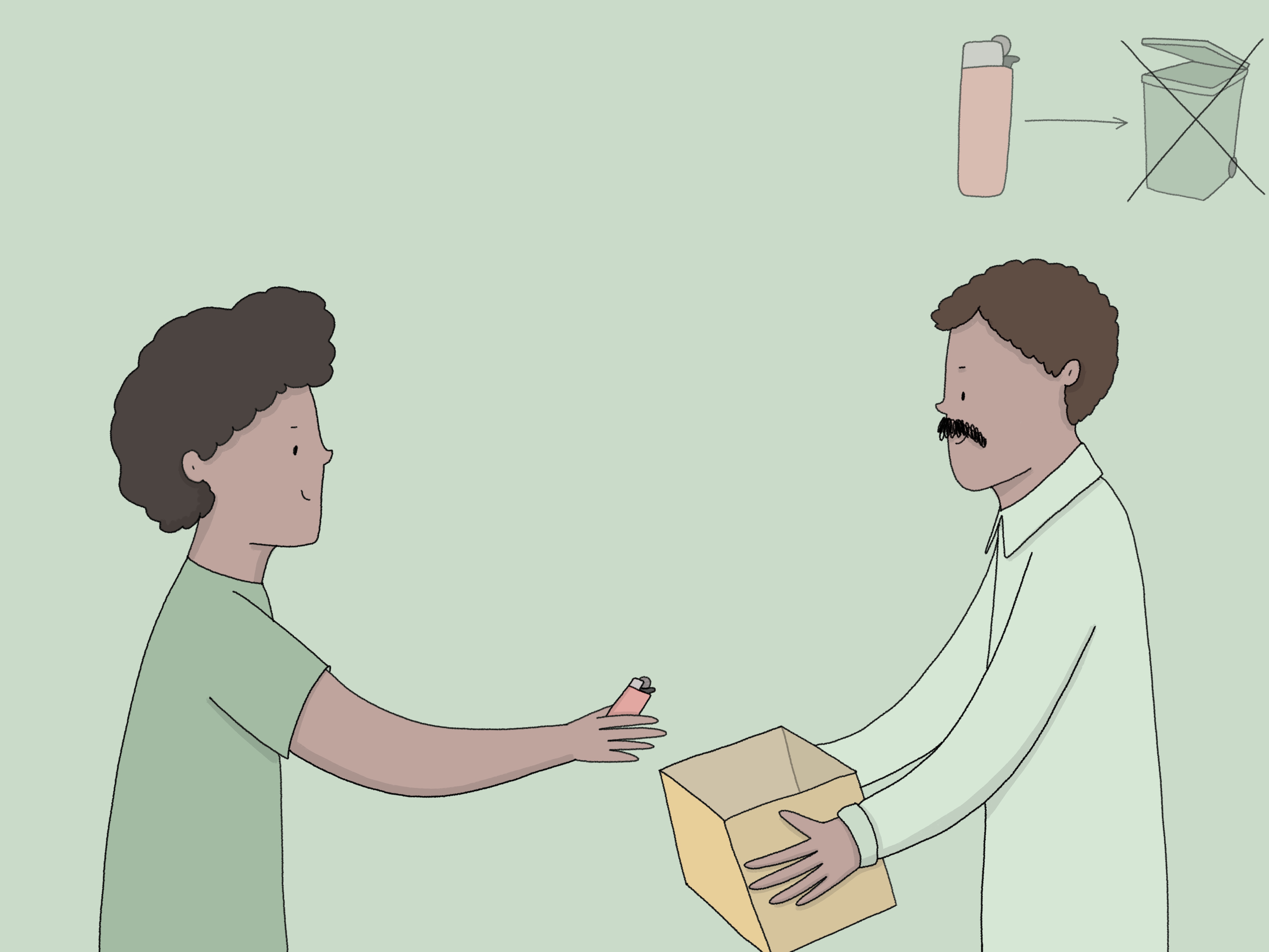

Disposing of a lighter sounds like one of those tiny chores that should take five seconds. Toss, done, move on with life. But lighters are sneaky little troublemakers. They may look harmless once they stop sparking, yet many still contain flammable fuel, pressurized gas, or mixed materials that do not belong in curbside recycling. In other words, a dead-looking lighter can still have a very lively opinion about fire.
If you want to dispose of lighters safely, the smart approach is simple: identify the type, figure out whether fuel remains, follow local waste rules, and use household hazardous waste options when needed. This guide walks through six practical steps so you can handle disposable lighters, refillable butane lighters, utility lighters, and similar products without turning your trash can into an audition for a disaster movie.
Why lighter disposal is trickier than it looks
Lighters are small, but they combine several things waste programs take seriously: flammable contents, pressure, metal parts, plastic parts, and in some cases batteries. That combination is exactly why lighter disposal rules vary from one city to another. Some communities allow a completely empty disposable lighter in the regular trash. Others prefer that any lighter with fuel, butane, or compressed gas go to a household hazardous waste site or special drop-off program.
The biggest mistake people make is assuming all lighters belong in the recycling bin because they contain metal or plastic. Nice try, optimistic recycler. Unfortunately, mixed materials and leftover fuel make most lighters a poor match for standard curbside recycling. So before you toss anything, slow down for a minute and give that lighter a proper exit strategy.
Step 1: Identify what kind of lighter you have
Before you decide where it goes, figure out what you are actually holding. “A lighter is a lighter” is the kind of sentence that sounds efficient right before it becomes expensive.
Disposable lighters
These are the classic single-use pocket lighters. They are usually plastic, small, and designed to be thrown away once they are empty. If they are truly empty, many U.S. programs treat them as trash rather than recycling. If they still contain fuel, they may need hazardous-waste handling instead.
Refillable butane lighters
These are built for repeated use and may be made of metal or thicker plastic. Because they often contain refillable fuel chambers, many waste systems treat them more cautiously than disposable models. If you are getting rid of one permanently, assume it needs special handling unless your local waste authority says otherwise.
Utility, grill, or torch-style lighters
Long-neck lighters, butane torches, and other flame tools often involve more fuel or compressed gas. These deserve extra care and are frequently best handled through household hazardous waste programs.
Rechargeable or plasma lighters
If the lighter charges by USB or contains electronics, do not assume it belongs in regular trash. A battery-powered lighter may fall under e-waste rules in your area, which means the disposal answer could be completely different from a standard butane lighter.
Step 2: Check whether the lighter still has fuel
This step matters more than the brand, the color, or whether the lighter has been sitting in a junk drawer since the previous decade. The key question is: does it still contain fuel or pressurized gas?
If the answer is yes, stop right there. Do not place it in curbside recycling. Do not crush it. Do not puncture it. Do not dismantle it. Do not toss it into a fire pit as a weird science experiment masquerading as “decluttering.” A lighter with remaining fuel is the version of household waste that still has plot twists left.
If you are not sure whether it is empty, treat it as if it still contains fuel. That conservative decision is usually the safest one. When disposal rules vary, choosing the safer category beats guessing wrong.
Step 3: Keep lighters out of the recycling bin
This is the step many people get wrong because recycling feels virtuous. Recycling is great. Wish-cycling is not. Most lighters are not accepted in curbside recycling programs because they are small mixed-material items and may still contain flammable contents. Even when a lighter looks empty, that does not magically transform it into a friendly soda can.
Putting lighters in the recycling bin can create problems at sorting facilities, contaminate material streams, and increase fire risk in trucks or processing lines. Waste systems love clean cardboard and aluminum cans. They do not love mystery pockets of butane hiding in a cute pocket lighter.
So the rule of thumb is easy to remember: never recycle a lighter in your curbside bin unless your local program explicitly says you can. In most places, the answer will be no.
Step 4: Use household hazardous waste disposal for any lighter with fuel
If your lighter still contains lighter fluid, butane, or compressed gas, your safest move is usually to take it to a household hazardous waste collection site, municipal special-waste drop-off, or other approved local program. This applies especially to:
- partially used disposable lighters
- refillable butane lighters you no longer want
- grill and utility lighters with fuel remaining
- torch lighters or other higher-fuel models
- lighters stored with other hazardous garage or workshop items
Many U.S. counties and cities accept flammable household products through scheduled collection events or permanent drop-off sites. These programs exist for a reason: they separate risky items from normal garbage and reduce the chance of fire, leaks, or dangerous handling later in the waste stream.
If your local area has a household hazardous waste facility, use it. If it holds periodic collection events, put one on your calendar and bring the lighter with your other household hazardous items. This is often the cleanest and most responsible answer, especially when you are dealing with anything that still has fuel left inside.
Step 5: Trash only completely empty disposable lighters when local rules allow it
Here is where lighter disposal gets annoyingly specific. In many U.S. communities, a completely empty non-refillable lighter can go in the regular trash. Not the recycling bin. Not the compost bin. Not the “I hope the universe sorts it out” pile. The trash.
But there are two big conditions:
- The lighter must be completely empty.
- Your local waste program must allow it.
That second part matters because local rules are not just decorative. Some communities are comfortable with empty disposable lighters in the garbage, while others steer residents toward hazardous-waste channels for a wider range of fuel-related items. So if you are writing or publishing content for a national audience, the most accurate advice is this: empty disposable lighters are often trash-only, but local disposal rules should always come first.
Refillable lighters, torches, and anything battery-powered deserve more caution. Even if one looks harmless, its construction may place it outside the simple “trash when empty” rule. When in doubt, check your municipal waste wizard, city recycling guide, or county hazardous-waste page.
Step 6: Reduce future lighter waste
The best lighter to dispose of is the one you never had to throw away in the first place. That does not mean you need to become a wilderness poet who lights candles with profound eye contact. It just means a few smarter buying habits can reduce waste over time.
Choose reusable options when appropriate
If you use lighters often for candles, grilling, or camping, a durable refillable model can reduce the number of disposable lighters you toss each year. Just remember that reusable does not mean “dispose of however you feel later.” It still needs proper handling at the end of its life.
Buy only what you will actually use
A six-pack of lighters may feel like a bargain until half of them age in a drawer and become future-you’s problem. Buying fewer can mean fewer disposal headaches later.
Store them safely so they last longer
Heat, moisture, and careless storage can shorten a lighter’s useful life. A lighter that fails early is not a bargain; it is just fast-tracked trash with attitude.
Separate battery-based lighters from regular waste
If you switch to a rechargeable plasma lighter, remember that electronics and batteries may need e-waste handling instead of normal trash disposal. “Eco-looking gadget” and “curbside-safe” are not always the same thing.
Common mistakes to avoid when disposing of lighters
- Do not put lighters in curbside recycling. Most programs do not accept them.
- Do not throw fueled lighters into household trash without checking local rules. Fuel changes the risk level.
- Do not puncture, crush, or take apart a lighter. That is not responsible disposal; that is gambling with flammable contents.
- Do not pour lighter fluid down the drain. Bad for plumbing, worse for water, and generally a terrible personality trait for a household chemical.
- Do not leave unwanted lighters loose in hot cars, garages, or outdoor bins. Heat and pressure are not a charming duo.
- Do not assume all lighters are the same. Disposable, refillable, torch, and rechargeable models may need different disposal methods.
Quick answers to common questions
Can you throw away a Bic-style lighter?
Often yes, but only if it is completely empty and your local waste program allows it. It still should not go in the recycling bin.
Are lighters household hazardous waste?
Lighters with leftover fuel or compressed gas often fall into the household hazardous waste or special-waste category because they are flammable and may require special handling.
Can you recycle lighters?
Usually not through curbside recycling. Their mixed materials and potential fuel residue make them a poor fit for normal recycling programs.
What about grill lighters and torch lighters?
These should be handled more cautiously than tiny disposable lighters. If they contain fuel, hazardous-waste or special drop-off programs are usually the safer route.
What if I do not know my local rules?
Check your city sanitation page, county solid waste office, or household hazardous waste program before disposal. If you still cannot confirm the rule and the lighter may contain fuel, treat it as hazardous waste.
Final thoughts
Proper lighter disposal is not glamorous, but it is one of those small habits that quietly makes your home safer and your waste stream smarter. The safest national rule is easy to remember: never recycle lighters curbside, treat any lighter with remaining fuel as hazardous or special waste, and place only completely empty disposable lighters in the trash when local guidance says that is okay.
In other words, do not let a tiny flame-making gadget become a full-size garbage problem. A two-minute check today can prevent fire risk, recycling contamination, and a lot of avoidable nonsense tomorrow.
Real-world experiences: what people usually learn the hard way
One of the most common experiences people have with lighter disposal starts in a kitchen junk drawer. They are cleaning out coupons from 2019, three mystery keys, a dead pen, a soy sauce packet fossil, and then suddenly, surprise, a pile of old lighters. At first, the reaction is usually confidence. “I’ll just toss these.” Then comes the pause. “Wait… can I toss these?” That little moment of doubt is actually helpful, because it is often the difference between safe disposal and a bad guess.
Renters run into this a lot when moving out. They find half-used candle lighters, old barbecue lighters from one optimistic summer cookout, and maybe a refillable torch from a roommate who once became very serious about crème brûlée. In the rush to pack, it is easy to throw everything into a trash bag and call it efficiency. But that is exactly when risky items get mixed into ordinary household waste. The better experience is the boring one: sort the lighters, separate the ones that may still contain fuel, and take them to the right drop-off location. Not exciting, but far less dramatic than explaining a trash-related fire hazard.
Campers and grill fans learn a similar lesson. Many people buy utility lighters and butane tools for one season, then store them in a garage until they stop working. Months later, the lighter looks dead, but nobody is quite sure whether it is actually empty. That uncertainty matters. People who handle disposal well usually do one thing right: they stop treating “probably empty” as a scientific category. It is not. “Probably empty” is just another way of saying “I should not guess.”
Parents often have their own version of this story. They are cleaning before guests arrive, spot an old lighter on a shelf, and realize the real issue is not just disposal, but safety in the house. That moment turns a clutter problem into a reminder that flame tools should not sit around loose, especially if children or teens are in the home. Proper disposal becomes part of a bigger routine: store carefully, remove what you do not need, and do not let hazardous little items drift around the house like they pay rent.
Then there are the determined recyclers. You know the type: good intentions, reusable grocery bags, deep emotional commitment to sorting bins correctly. These are often the people most surprised to learn that lighters usually do not belong in curbside recycling. It feels unfair. The lighter has metal. The lighter has plastic. The lighter is small. Surely it wants to be recycled. But waste systems are not romance novels. Mixed materials plus flammable residue usually equal “no.” A lot of people remember that lesson because it breaks their recycler heart just enough to make it stick.
The best experience, in the end, is not perfection. It is simply building the habit of asking one smart question before throwing something away: is this item empty, safe, and accepted here? For lighters, that question can save trouble, protect sanitation workers, reduce fire risk, and keep your home decluttering session from becoming a chemistry subplot.