
A “spotless home” sounds like a mythical creatureright up there with unicorns and socks that never disappear in the dryer. But here’s the truth: most cleaning doesn’t fail because you’re lazy. It fails because you’re using the wrong strategy, the wrong tool, or you’re trying to “power through” grime that would happily surrender if you just approached it like a grown-up. (Yes, I’m talking about soap scum. It’s basically a sticky toddler with opinions.)
Below are six cleaning hacks that actually work in real American homesbecause they’re based on how dirt behaves, how surfaces get damaged, and what cleaning pros recommend when they’re not selling you a 47-step routine. You’ll get the “why,” the “how,” and the “please don’t do this on marble” parts, so you clean faster and wreck fewer things.
Hack #1: Clean Top-to-Bottom (and Dry-to-Wet) So You Don’t Redo Your Work
If cleaning feels like you’re stuck in a loopdust, wipe, notice dust again, sigh dramaticallyyour order is probably the problem. Gravity is undefeated. When you clean a room, anything you disturb up high will fall down. So if you mop first and dust later, congratulations: you just seasoned your wet floor with ceiling confetti.
Why it works
- Top-to-bottom: Dust and crumbs fall downward, so you catch them onceat the end.
- Dry-to-wet: Dry debris (dust, hair, crumbs) turns into paste the second water enters the chat.
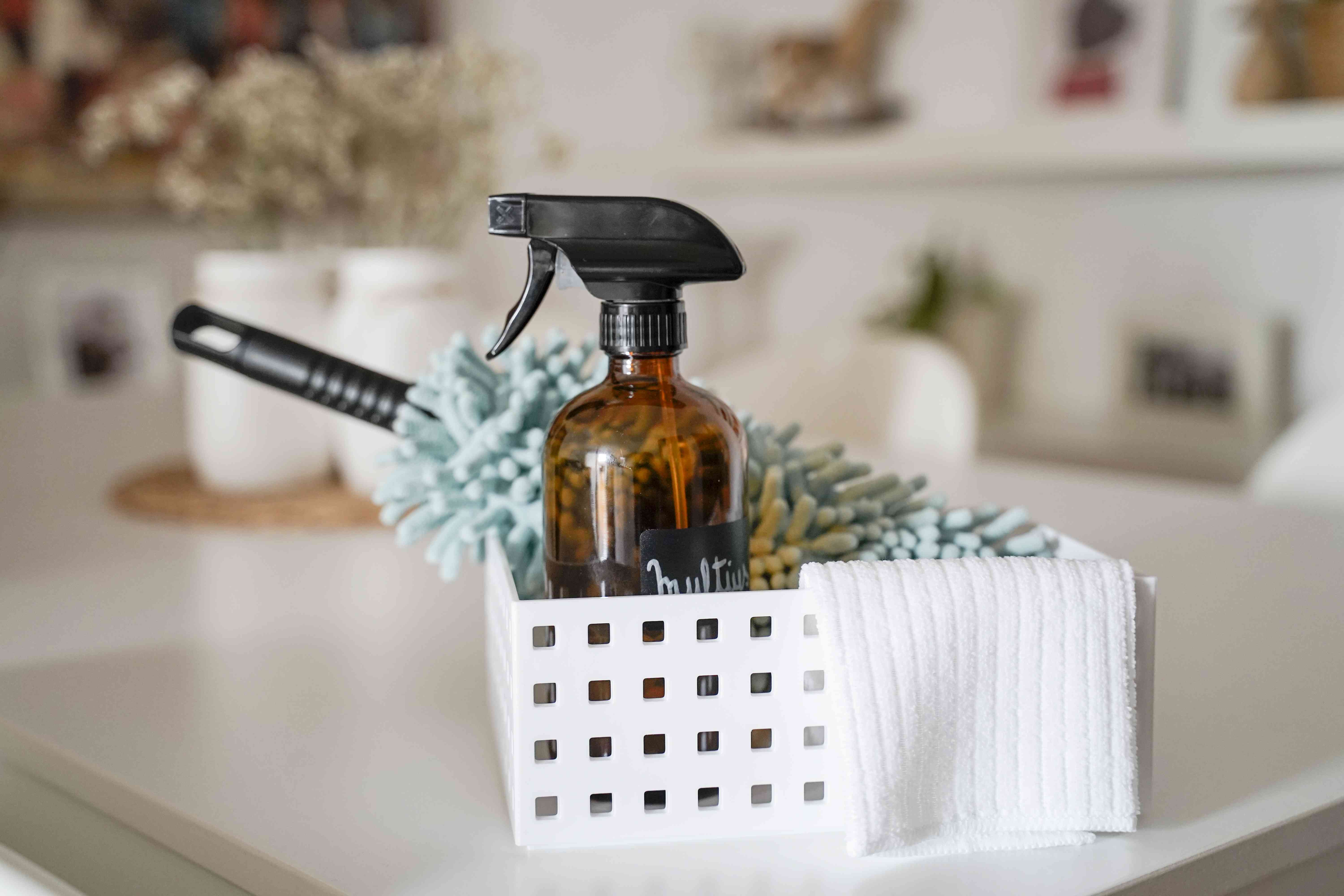
- Microfiber advantage: Microfiber grabs and holds grime better than many old-school cloths and mops.
Do it like this (10–20 minutes per room)
- Reset first: Put items back where they belong (trash, dishes, laundry). This alone makes a home look cleaner fast.
- High dust: Ceiling fans, vents, shelves, frames. Use a microfiber duster or cloth.
- Mid-level wipe: Counters, tables, handles, light switches, cabinet fronts.
- Floors last: Vacuum/sweep, then mop (only after the dust party is over).
Pro tip: Keep a “two-cloth system.” One dry microfiber for dust, one slightly damp microfiber for smudges. Your paper towel budget will thank you.
Hack #2: The 60-Second Shower Squeegee Routine (a.k.a. “Prevent Soap Scum Before It Forms a Union”)
If your shower doors look like they’re auditioning for a “Before” photo, it’s not because you’re failing. It’s because water spots and soap scum build up slowly and then suddenly become your personality.
Why it works
Most shower grossness comes from water drying on surfacesleaving minerals, soap residue, and moisture that mildew loves. A quick squeegee removes the water before it dries, which means fewer spots and less buildup later.
Do it like this (after each shower)
- Keep a squeegee inside the shower (not in a drawer where it will be forgotten until the next decade).
- After rinsing, squeegee top-to-bottom on glass and tile.
- Wipe the bottom edge and corners with a towel if you want extra points.
- Leave the shower door/curtain slightly open so it dries faster.
When you need a deeper clean
If you’re already in “soap scum era,” do a weekly wipe-down with a gentle bathroom cleaner and microfiber. The squeegee routine keeps things from getting bad againlike flossing, but for your shower.
Hack #3: Steam-Clean the Microwave (and Any Splatter Zone) Instead of Scrubbing Like a Medieval Peasant
Scrubbing dried spaghetti sauce off a microwave wall is a great way to develop resentment. Steam is a better idea. Heat + moisture loosens baked-on gunk, so wiping becomes a one-hand job (the other hand can hold your coffee and your dignity).
Why it works
Steam softens stuck-on food and grease so you can lift it off without grinding it into the surface. Citrus can help with odor, and vinegar can help with certain residuesbut steam is the real hero here.
Do it like this (5–10 minutes)
- Fill a microwave-safe bowl with about 1 cup of water.
- Add lemon slices or a squeeze of lemon (optional: a splash of vinegar).
- Microwave until it steams (often ~2–3 minutes depending on your microwave).
- Don’t open the door yet. Let it sit 3–5 minutes to let steam do the work.
- Carefully remove the bowl. Wipe interior with a microfiber cloth or sponge.
- Wash the turntable in the sink or dishwasher if it’s removable.
Bonus: This works on other “splatter zones,” toolike sticky fridge shelves. Warm, damp air loosens grime so you wipe instead of wrestle.
Hack #4: Dish Soap Is the Undercover Degreaser (Especially for Cabinets)
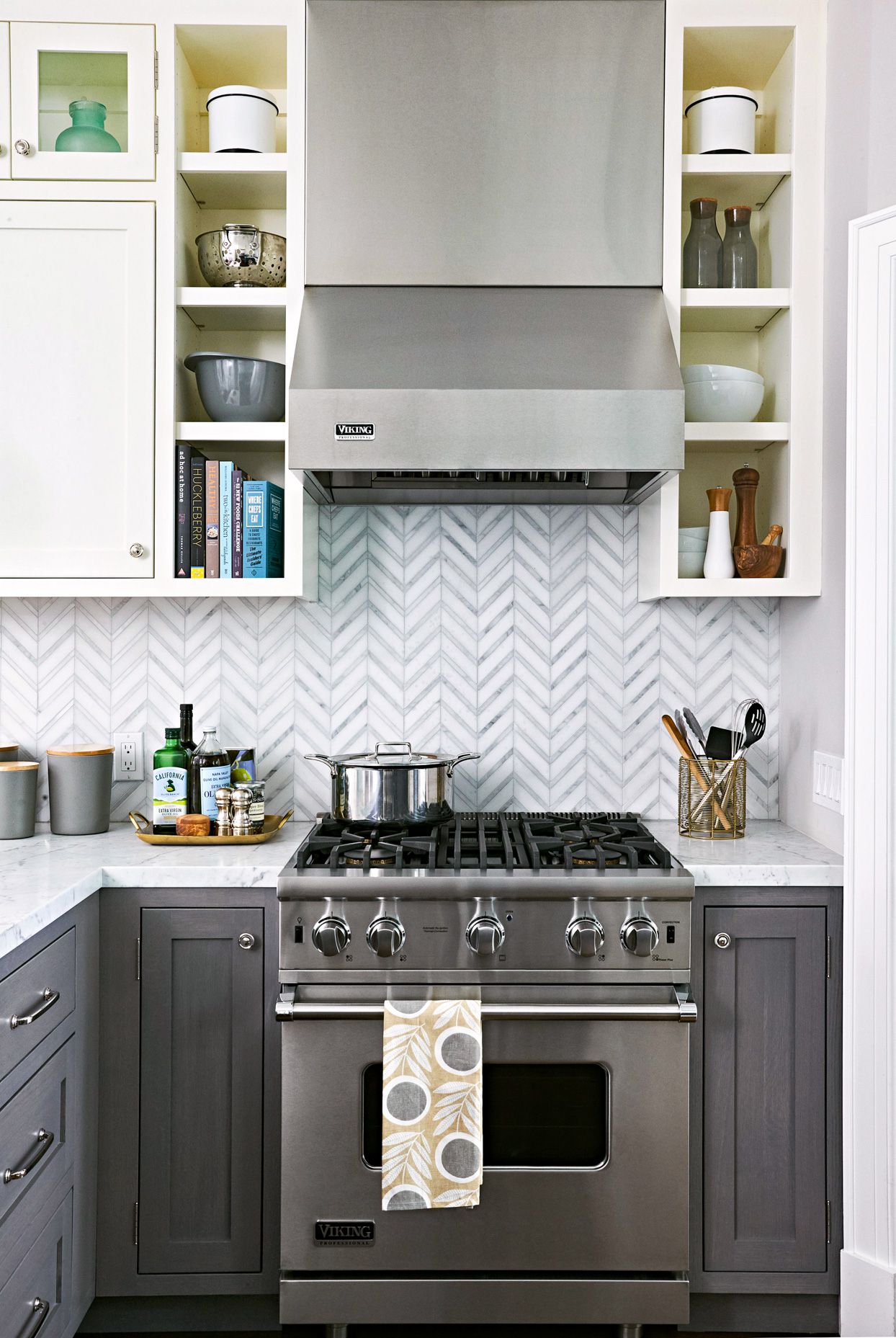
Grease doesn’t just live on the stove. It migrates. It floats through the air, lands on cabinets, and quietly collects dust until your kitchen surfaces feel… vaguely sticky. (The technical term is “why is this gross?”)
Why it works
Dish soap is designed to break down oils. That’s literally its job. For most everyday kitchen grime, warm water + a few drops of grease-cutting dish soap is a safe, effective starting point.
Do it like this (no streaks, no damage)
- Mix warm water with a few drops of dish soap in a bowl.
- Dip a microfiber cloth, then wring it out well. Wood and laminate hate soaking.
- Wipe cabinets top-to-bottom, focusing on handles and edges where hands touch.
- Rinse cloth and wipe again with clean water to remove soap residue.
- Dry with a clean towel to prevent warping and streaks.
For heavy grease
If things are really built up (hello, above-the-stove cabinets), do two passes: one to loosen grease, one to lift it off. If needed, step up to a dedicated degreaser, but start gentleyour cabinet finish will last longer.
Hack #5: Baking Soda Paste for Stains and Grime (But Don’t Use It Like It’s Magical Sand)
Baking soda is a classic “easy cleaning hack,” and yesit works. It’s mildly abrasive and helps lift grime. But it’s not universal. Used on the wrong surface, it can dull finishes or create micro-scratches you’ll regret later.
Where baking soda shines
- Stainless steel sinks: Sprinkle, scrub gently, rinse well.
- Stained mugs: Paste + gentle scrub = goodbye coffee ring.
- Grimy grout (light duty): Paste, soft brush, rinse.
- Deodorizing: Fridge boxes, trash cans, and funky corners.
Make the paste
Mix baking soda with a little water until it’s the consistency of frosting. Apply, let it sit 5–15 minutes, then scrub gently and rinse.
Where to be careful (aka “don’t freestyle on fancy surfaces”)
- Natural stone: Avoid acidic cleaners (like vinegar) and abrasives that can dull or scratch.
- Delicate finishes: High-gloss cabinets, certain glass, fiberglass tubstest first.
- Don’t mix baking soda + vinegar expecting a miracle: The fizz is fun, but it can neutralize each other’s cleaning power fast.
Rule of thumb: If a surface cost more than your monthly streaming subscriptions combined, test in a hidden spot before you go full chemistry wizard.
Hack #6: Separate “Cleaning” from “Disinfecting” So You Use the Right Tool (and Don’t Waste Time)
Here’s a big one: cleaning and disinfecting are not the same thing. Cleaning removes dirt and grime. Disinfecting kills germs on hard, nonporous surfaces. You don’t always need to disinfect, but when you do (illness, high-risk household members, lots of visitors), doing it correctly matters.
Why it works
- Cleaning first removes the stuff that blocks disinfectants from working well.
- Proper disinfectants have instructions (including “dwell time”how long the surface must stay wet).
- High-touch surfaces are the biggest payoff: handles, switches, counters, remotes.
Do it like this (simple and safe)
- Clean: Use soap and water (or a surface-appropriate cleaner) to remove grime.
- Disinfect: Use an EPA-registered disinfectant and follow label directions.
- Or use diluted bleach when appropriate and safe for the surface:
- Common guidance: 5 tablespoons (1/3 cup) bleach per gallon of water (or 4 teaspoons per quart).
- Ventilate: Open a window or run a fan.
- Never mix bleach with ammonia, vinegar, or other acids. Ever. Not for science. Not for fun.
If someone in the home is sick (or you’ve had a parade of visitors touching everything), focus on high-touch areas regularly. It’s the biggest hygiene win for the least effort.
Conclusion: A Spotless Home Isn’t About PerfectionIt’s About Systems
The best cleaning hacks aren’t about doing more. They’re about doing things in the right order, using tools that actually work, and preventing messes from getting a head start. If you take just two habits from this list, make them these: clean top-to-bottom and stop shower water from drying on surfaces. Your future self will feel personally supported.
And remember: “spotless” doesn’t mean your home looks like a furniture showroom. It means it feels good to live inand you’re not embarrassed if someone rings your doorbell unannounced. (Because they will. They always do.)
Experience Notes: What These Hacks Look Like in Real Life (and Why They Stick)
Let’s talk about the part nobody puts in the “perfect home” photos: real life is messy on purpose. People live here. Pets shed like they’re paid by the hair. Kids treat floors like a snack storage system. Adults spill coffee and then negotiate with themselves about whether it “counts” as a spill if it’s only a few drops.
That’s why the most effective cleaning hacks are the ones that survive your schedule. Hack #1 (top-to-bottom, dry-to-wet) is the easiest example. In real life, you don’t clean an entire house in one heroic day. You clean a room, get distracted, answer a text, realize you’re hungry, and suddenly you’re standing in the kitchen holding a spoon, wondering why you came in there. A logical order saves you from the heartbreak of cleaning a floor twice because you dusted later.
The shower squeegee trick is another “real-life friendly” win because it works best when it’s tiny. People hear “daily cleaning” and imagine scrubbing grout with a toothbrush. No. The squeegee routine is one minute. It’s the cleaning equivalent of putting your phone on the charger before it dies. The first few days feel like a new habit, but then it becomes automaticand you notice the payoff the first time you skip it for a week and the glass starts looking like it’s wearing a cloudy filter.
Microwave steam-cleaning has a similar effect. The experience is usually: you try it once, you’re shocked it works, and then you start doing it whenever something explodes in there. (Which, statistically, is always.) The best part is the emotional upgrade: instead of scrubbing like you’re paying for your microwave’s crimes, you watch steam do the heavy lifting. It’s weirdly satisfyinglike seeing a stubborn sticker peel off in one piece.
Dish soap degreasing feels almost too simple, which is why it’s underrated. Many people jump straight to harsh cleaners, then wonder why their cabinets look dull or sticky later. In real homes, a gentle routine wins: warm soapy water, a well-wrung cloth, a quick rinse wipe, and dry. You can keep up with it in a weekly rhythm, which prevents the “how did this get so bad” moment that turns a 10-minute job into a weekend project.
Baking soda paste is the hack that teaches the best real-life lesson: more aggressive doesn’t mean more effective. People tend to scrub harder when they’re annoyed. But gentle abrasion + time (letting paste sit) usually beats elbow-grease rage cleaning. The “experience upgrade” is learning where it’s safe and where it’s notbecause nothing kills cleaning motivation like realizing you scratched a fancy surface trying to save five minutes.
Finally, the clean-vs-disinfect difference is where real homes get smarter. Most days, cleaning is enough. But when someone’s sick, or you’ve had a lot of hands on doorknobs and counters, disinfecting the right thingsproperlyfeels like control in a world that’s always trying to give you germs for free. The experience most people report is relief: less panic-cleaning, more targeted action, and fewer “did I do this right?” spirals.
Put it all together and you get a home that stays consistently “company-ready” without turning you into a full-time janitor. Not perfect. Not museum-level. Just clean enough that you can sit down, relax, and not notice a sticky cabinet door every time you walk by. That’s the real win.