
Some people collect candles. Some people collect throw pillows. The truly committed among us collect recipes and then insist, with absolute confidence, that this next one is the one everyone will ask for. That is the beauty of cooking for real life: every occasion, from a lazy Tuesday night to a full-blown holiday dinner, feels better when there is something delicious on the table.
The phrase recipes for any occasion sounds broad because it is. Life does not send engraved invitations before it gets hungry. Sometimes you need a cozy dinner after work. Sometimes you need a brunch that looks impressive even though you are still mentally in pajamas. Sometimes you need party food that can survive a car ride, a buffet table, and a cousin who believes “just a small scoop” means half the dish. Great occasion cooking is not about being fancy all the time. It is about choosing the right kind of recipe for the moment.
The most useful recipes tend to share a few traits: they are flexible, crowd-friendly, easy to scale, and kind to the cook. A good occasion recipe knows whether it is supposed to comfort, celebrate, travel well, or quietly save dinner. So instead of thinking about food only by ingredient or cuisine, it helps to think by scenario. Once you do that, meal planning becomes less chaotic and far more fun.
What Makes a Recipe Work for Any Occasion?
Not every dish can do everything, and that is okay. A sizzling steak might be perfect for date night but less ideal for a school potluck at noon. A layered dip might steal the show at game day, but it is not exactly the hero of a candlelit anniversary dinner. The trick is understanding what the occasion needs from the food.
1. Reliability beats drama
If a recipe requires twelve minutes of silence, a copper pan from 1978, and emotional support from three sous-chefs, it is not an “any occasion” recipe. Reliable dishes win. Think baked pastas, roast chicken, sheet-pan dinners, grain salads, dips, bars, and cakes that do not collapse if someone opens the oven at the wrong time.
2. Make-ahead options are gold
Recipes that can be prepped before guests arrive deserve medals. Make-ahead casseroles, chilled desserts, marinated salads, and dips give the host a rare and magical gift: the ability to look calm. Even if you are not calm. Especially if you are not calm.
3. Balance matters
The best menus mix textures, temperatures, and flavors. If your spread is all rich, creamy, and beige, people will eat it happily for about seven minutes and then start quietly looking for a salad. A great occasion menu usually needs something fresh, something hearty, something crunchy, and something sweet.
Weeknight Recipes: When the Occasion Is Simply “We Need Dinner”
Let us start with the most common event on the calendar: weekday hunger. Weeknight meals should be fast, forgiving, and satisfying. This is the territory of skillet dinners, one-pot pasta, tacos, grain bowls, stir-fries, soups, and sheet-pan meals.
A lemon-garlic chicken tray bake with potatoes and green beans is a perfect example. It feels complete, uses familiar ingredients, and keeps cleanup from becoming its own side dish. A one-pot creamy tomato pasta with spinach also works beautifully because it tastes like comfort food without requiring a mountain of dishes. And when life gets especially hectic, breakfast-for-dinner deserves more respect than it gets. A veggie-packed frittata, toast, and fruit can save the evening with very little fuss.
The key for weeknights is keeping your pantry and freezer stocked with useful building blocks: pasta, canned beans, rice, eggs, broth, frozen vegetables, shredded cheese, tortillas, and a few sauces you actually like. These are the ingredients that turn “nothing to eat” into “we have options.” Which is usually true, even if the fridge is acting dramatic.
Brunch Recipes: For Birthdays, Showers, and Lazy Sundays
Brunch is the overachiever of meal occasions. It is casual and celebratory at the same time. It can be sweet, savory, or both. It welcomes coffee, juice, and desserts pretending not to be desserts. Most importantly, brunch recipes often look impressive with less effort than dinner party food.
For a crowd, baked dishes shine. Think French toast casserole with berries, spinach and cheese strata, breakfast potatoes, and a fruit salad brightened with citrus and mint. These recipes are practical because they can be assembled ahead, leaving you free to set the table and locate the one serving spoon that disappears every single time.
If you want brunch to feel a little more polished, add one “special” item. Smoked salmon on a board with bagels, cream cheese, cucumbers, and capers works well because guests can build their own plates. A simple quiche with a crisp green salad also feels elegant without becoming fussy. The goal is a table that looks generous, colorful, and easy to enjoy.
Date Night and Small Celebrations: Recipes That Feel a Little Fancy
Some occasions call for a meal with a bit of swagger. Not restaurant-level stress. Just enough style to make the night feel different from ordinary dinner. For that, you want recipes that deliver flavor and atmosphere without trapping you in the kitchen while your guest wonders whether dessert is actually scheduled for tomorrow.
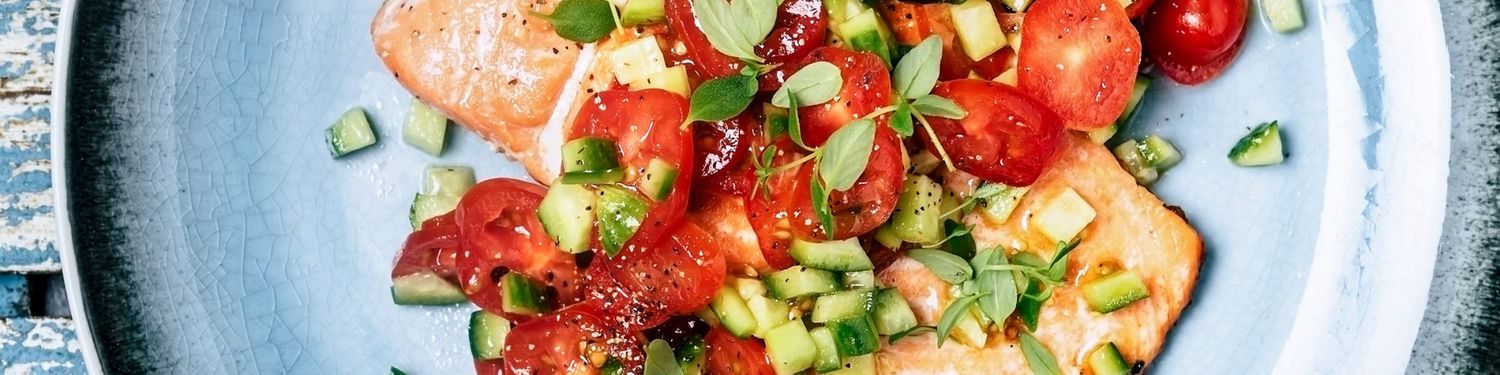
Pan-seared salmon with herbed butter, steak with roasted potatoes, mushroom risotto, or a creamy pasta with shrimp all hit that sweet spot. These are dishes that feel special because of texture, aroma, and presentation, not because they demand impossible skill. Add roasted asparagus, a crisp salad, or a loaf of good bread, and dinner suddenly has occasion energy.
Dessert matters here too. Chocolate mousse, berry shortcakes, or a simple olive oil cake with whipped cream can finish the meal beautifully. A fancy dessert does not need architectural ambition. It just needs to feel intentional.
Potluck and Game Day Recipes: Feed the Crowd, Keep Your Sanity
Potluck food has one job: show up and perform. This means it should travel well, hold its texture reasonably well, and be easy to serve. Bonus points if people can eat it standing up while balancing a drink and telling a story that definitely should have been shorter.
For these occasions, baked pasta, mac and cheese, sliders, chili, buffalo chicken dip, seven-layer dip, deviled eggs, meatballs, and sturdy salads are reliable crowd-pleasers. Pasta salad with vegetables and a punchy vinaigrette is a classic because it tastes good cold or at room temperature. Cornbread, brownies, blondies, and sheet cakes are ideal desserts because they portion easily and rarely come home with you.
Game day deserves its own category because the menu is half the entertainment. You want finger foods, dips, and bites that encourage snacking over several hours. Think queso, loaded nachos, wings, jalapeño poppers, pigs in a blanket, or pull-apart sliders. This is not the moment for delicate plating. This is the moment for napkins, bold flavors, and strategic cheese use.
Holiday Recipes: Tradition Meets Practicality
Holiday cooking comes with high expectations, family opinions, and at least one relative who says, “I liked it better the other way,” even if there was no other way. The smartest holiday recipes are the ones that honor tradition while still working for modern schedules.
Roast turkey, glazed ham, prime rib, baked salmon, and braised mains all make strong anchors for a holiday table, but the real magic often happens around them. Stuffing, mashed potatoes, green bean casseroles, roasted carrots, dinner rolls, and seasonal salads round out the meal and give everyone something they love.
When planning holiday menus, mix a few classics with one or two fresh additions. Maybe the standard mashed potatoes stay, but you add roasted carrots with hot honey. Maybe the usual pie lineup gets a new citrus tart or a sheet cake for easier serving. This approach keeps the table familiar without feeling stale.
Holiday success also depends on timing. Choose recipes you can prep the day before: casseroles, pie dough, dessert bars, chopped vegetables, dressings, and cold appetizers. The less you have to do in the final hour, the more likely you are to enjoy your own party instead of becoming its exhausted employee.
Outdoor Gatherings: Picnics, Cookouts, and Casual Parties
Outdoor occasions need recipes with stamina. Sun, wind, uneven surfaces, and surprise insects are all part of the dining experience. So the best picnic and cookout recipes are portable, sturdy, and easy to eat.
That means pasta salads, slaws, grilled chicken, burgers, kebabs, watermelon salad, potato salad, and cookies that survive transport. A sandwich board can also be brilliant for casual entertaining. Instead of making individual sandwiches, lay out breads, spreads, meats, cheeses, and crunchy vegetables so guests can build their own. It feels abundant, relaxed, and forgiving.
If you are hosting a cookout, think in layers: one grilled protein, one hearty side, one fresh side, one sauce, and one easy dessert. Burgers plus corn salad, baked beans, watermelon, and ice cream sandwiches? Excellent. Grilled chicken with orzo salad, slaw, lemonade, and berry bars? Also excellent. The occasion decides the mood, but the structure keeps you organized.
Desserts for Any Occasion
When people say they are “just bringing dessert,” they say it casually, as though dessert is not the moment everyone secretly remembers. A smart dessert recipe should match the scale of the event.
For crowds, sheet cakes, brownies, blondies, bars, cobblers, and cookies are practical winners. For dinner parties, think puddings, tarts, trifles, or poached fruit with cream. For birthdays and celebrations, layer cakes and cupcakes still bring joy, mostly because frosting is one of society’s better ideas.
Fruit-based desserts are especially useful because they can feel light after a heavy meal. Berry crisps, peach cobbler, apple galette, and lemon bars all deliver plenty of flavor without requiring a pastry degree. Chocolate, of course, remains the universal language of “this is special.”
How to Build Your Go-To Occasion Recipe Collection
If you want to be the person who always knows what to make, build a small personal collection instead of chasing every viral recipe that appears on your screen. Start with one winner in each category: a quick weeknight dinner, a brunch bake, a party appetizer, a potluck main, a holiday side, and an easy dessert. Test them. Adjust them. Make them yours.
Keep notes. Maybe your chili needs more lime. Maybe your brownies are best with flaky salt. Maybe your pasta salad improves when the dressing is slightly sharper than you think it should be. That is how dependable recipes are born: not from perfection on the first try, but from repetition and smart tweaks.
Most of all, remember that occasion cooking is really people cooking. A meal matters because of who gathers around it. A bowl of pasta on a rainy Tuesday can feel just as meaningful as a holiday roast if the room is warm, the conversation is good, and somebody reaches for seconds before they finish chewing the first bite.
Experiences That Make “Recipes for Any Occasion” Mean Something
There is a reason recipes stay with us long after we forget exact measurements. They attach themselves to moments. You remember the baked ziti because it was on the table the night your family finally laughed after a hard week. You remember the blueberry muffins because they were still warm when your friends showed up too early for brunch and nobody cared. You remember the oversized chocolate cake because the candles melted sideways, the frosting was imperfect, and somehow it was still the best birthday dessert anyone had tasted in years.
That is what makes recipes for any occasion so powerful. They are not just instructions. They are a kind of edible memory system. The soup you make when someone is sick becomes the soup they ask for every time they need comfort. The dip you throw together for a playoff game becomes the thing your friends assume you are bringing forever. The roast chicken you learn to make for a quiet Sunday eventually becomes the meal you serve when you want to tell people, without saying it out loud, that they matter to you.
Some of the best occasion cooking happens in ordinary kitchens with limited counter space, one hot oven, and at least one pan that has seen things. It is not glamorous. It is real. There is usually music playing, someone opening the fridge every four minutes as if new ingredients might magically appear, and a cook trying to remember whether the garlic already went in. Yet somehow, these are often the meals people remember most.
There is also something deeply satisfying about learning which recipes match your life. Maybe you are the person who throws excellent backyard cookouts with grilled chicken, pasta salad, and a cooler full of sparkling water. Maybe you are the brunch person, known for cinnamon rolls and egg casseroles. Maybe you excel at cozy food: stews, baked pasta, soups, and desserts that make the whole house smell like a good decision. When you find your rhythm, cooking gets easier. You stop trying to make every meal do everything and start choosing dishes that genuinely fit the occasion.
And sometimes the “occasion” is simply that people are busy, tired, and hungry. That counts too. In fact, it might count the most. Anyone can appreciate a dramatic holiday spread, but there is a special kindness in a simple, well-made dinner on an otherwise forgettable day. A pot of chili on the stove. Garlic bread in the oven. Salad in a big bowl. Nothing fancy, nothing staged, just food that lands exactly where it needs to.
So yes, collect the impressive recipes. Keep the party dips, the holiday desserts, the brunch bakes, and the date-night pastas. But hold onto the humble recipes too. The ones with stained index cards, handwritten tweaks, and instructions that now live partly in your head. Those are the recipes that rise to almost any occasion because they come with confidence, familiarity, and heart. And when in doubt, bring something warm, something shareable, and something with enough flavor to make people pause mid-conversation. That is usually the recipe people ask for later.
Conclusion
The best recipes for any occasion are not necessarily the fanciest ones. They are the dishes that fit the moment, serve the people in front of you, and leave enough room for the cook to enjoy the gathering too. From quick weeknight dinners and cheerful brunch bakes to potluck favorites, holiday classics, and crowd-pleasing desserts, occasion cooking is really about matching food to feeling. Build a handful of dependable go-to recipes, make them often, and let them grow with your life. Good food does not have to be complicated to feel memorable. It just has to show up at the right time.