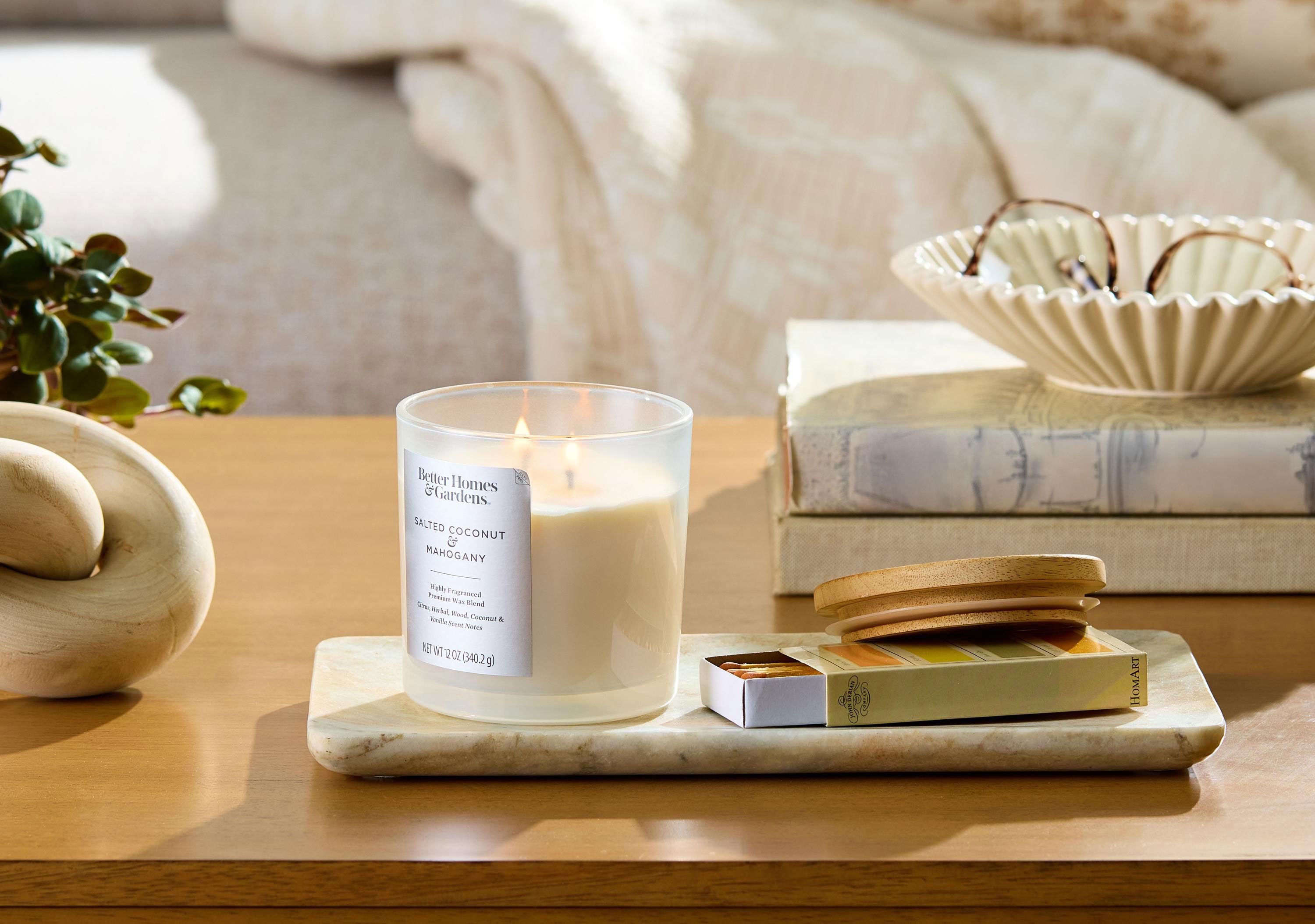

There is something wildly unfair about candles. They look innocent, smell like vanilla cupcakes or coastal cedar, and politely flicker in the corner like they pay rent on time. But they are still open flames. That means a candle can create a cozy mood in one minute and a household emergency in the next if it is used carelessly.
That is why smart candle habits matter. Real candle safety is not about being dramatic or turning your living room into a fire station. It is about a few simple moves that make burning candles at home much safer: where you place them, how long you burn them, what you do before lighting them, and when you should skip them completely.
If you love the glow, the scent, and the whole “main character reading by candlelight” vibe, good news: you do not have to break up with candles. You just need better boundaries. Below are seven must-follow candle safety tips that help prevent accidents, reduce smoke and soot, and make your home feel calm instead of one spark away from chaos.
Why Candle Safety Matters More Than People Think
Many people treat candles like décor with a flame attached. That is the problem. A candle is not just a scent accessory. It is a controlled burn happening right on your shelf, coffee table, bathroom counter, or nightstand. And once you think of it that way, the rules suddenly make a lot more sense.
Home fire experts have long warned that candle-related fires often start in painfully ordinary ways: a curtain drifting too close, a pet tail swiping a jar, a tired person lying down “for just a second,” or a candle placed in a container that cannot handle the heat. Even well-made jar candles can become hazardous if the glass cracks, the wick mushrooms, or the candle is burned too long.
The goal of safe candle use is simple: enjoy the ambiance without giving the flame a chance to wander, flare, tip, overheat, or get too friendly with something flammable.
1. Never Leave a Burning Candle Unattended
This is the big one. The captain. The non-negotiable rule of candle fire safety.
If a candle is lit, someone needs to be awake, alert, and in the same general area. Not “I am just putting laundry in the dryer.” Not “I will be back after this quick shower.” And definitely not “I am sure I will not fall asleep during this movie.” Candles are not toddlers, but strangely, they require similar supervision.
When you leave a room, blow the candle out. When you leave the house, blow the candle out. When you start feeling sleepy, blow the candle out. If you are burning a candle in a bedroom, be extra careful, because sleepy spaces and open flames are a bad combination.
What this looks like in real life
If you are lighting a candle during dinner, extinguish it before cleaning up in another room. If you light one while taking a bath, put it out before the bath ends, not after you are wrapped in a towel and wandering off to find lotion. If you like candles before bed, create a rule: no candle stays lit once pajamas are on and your brain starts negotiating with gravity.
2. Keep Candles Away From Anything That Can Burn
A burning candle needs space. Fire safety guidance commonly recommends keeping candles at least 12 inches away from anything flammable. That includes curtains, bedding, books, paper, throw blankets, decorations, clothing, upholstered furniture, and those dried eucalyptus bundles that look charming right up until they become kindling.
This tip sounds basic, but it is where many accidents begin. People often focus on the candle itself and forget the surroundings. The flame might be small, but the danger zone is bigger than the candle jar. Heat rises, nearby objects can shift, and one draft can push flame toward fabric faster than expected.
Best places to avoid
- Windowsills with curtains or blinds nearby
- Nightstands next to bedding or chargers
- Bookshelves crowded with paper and décor
- Bathroom counters cluttered with towels, tissues, and hair products
- Holiday displays with garland, wrapping paper, or artificial greenery
Think of your candle like a tiny campfire with trust issues. Give it breathing room.
3. Use a Sturdy Holder and a Stable, Heat-Resistant Surface
A candle should sit in or on something that was actually meant to handle heat and flame. That means sturdy candle holders, solid jars, and stable, heat-resistant surfaces. Not a wobbly saucer. Not a stack of coasters. Not an upside-down mug because it “looked cute.” Cute is not a fire rating.
The surface matters just as much as the holder. Place candles on something flat and stable where they are less likely to tip, slide, or get bumped. Avoid edges of tables, crowded shelves, and narrow ledges. Also keep candles out of high-traffic zones where sleeves, bags, kids, or pets might knock them over.
This tip is even more important with container candles. People assume jar candles are automatically safer, but they still need common sense. If the jar is chipped, cracked, or getting dangerously hot, stop using it. Consumer product recalls have shown that some candle jars can crack or break during use, which creates both burn and laceration risks.
Smart setup checklist
- Place the candle on a level surface
- Use a holder or container made for candles
- Do not burn directly on wood, fabric, or paper surfaces
- Keep candles where they cannot be knocked over easily
- Inspect jars and holders for cracks before each use
4. Trim the Wick to 1/4 Inch Before Lighting
If you do only one candle-maintenance thing besides blowing it out, make it this. Trim the wick to about 1/4 inch before each burn.
Why? Because a long wick creates a bigger, less stable flame. That can lead to flickering, smoking, soot, mushrooming, uneven burning, and a candle that suddenly starts acting like it has an attitude problem. A shorter wick helps control flame height and reduces the chance of flare-ups.
You should also remove debris from the wax pool before lighting. Stray wick trimmings, match ends, and random dust are extra fuel. Your candle did not ask for toppings.
How to do it properly
Use a wick trimmer, scissors, or a candle tool when the wax is cool and firm. If the wick is crooked, straighten it. If the wax pool is dirty, clean it out gently before relighting. These tiny habits improve both safety and performance, which is the rare kind of adult responsibility that actually pays off immediately.
5. Follow Burn-Time Rules and Do Not Burn Candles Too Long
More candle is not always better candle. Burn a candle too long and you increase the chances of overheating the container, building up carbon on the wick, generating more soot, and getting an oversized flame. Many candle care recommendations suggest not burning candles for more than about four hours at a time, then letting them cool before relighting.
The first burn matters too. A useful rule of thumb is to let the candle melt across the surface on the first burn, often about one hour per inch of candle diameter. That helps prevent tunneling, where the candle burns straight down the center and leaves thick walls of wasted wax. Tunneling is not just annoying; it can affect how evenly and safely the candle burns later.
Also, do not burn a candle all the way to the bottom. Stop when about 1/2 inch of wax remains in a container candle. At that point, the remaining heat can put too much stress on the jar or surface beneath it.
Simple burn-time routine
- First burn: let the melt pool reach the edges
- Regular use: avoid marathon sessions
- Cool-down: let the candle rest before relighting
- Final burn: stop when about 1/2 inch of wax remains
6. Keep Candles Away From Kids, Pets, Drafts, and Chaos
Candles and unpredictable movement do not mix. Children are curious. Pets are faster than your reaction time. Drafts from windows, ceiling fans, air vents, and even busy walkways can make flames flicker, lean, and burn unevenly.
That is why candle placement needs to account for the actual life happening in your home. A candle that is technically safe on an empty counter may be a terrible idea in a house with a cat who thinks every horizontal surface is a runway.
Keep candles out of reach of children and pets, and never put them where someone can brush by them. Avoid placing candles near open windows, fans, or vents. Do not move a candle while the wax is liquid, either. Hot wax splatters are rude, painful, and entirely avoidable.
High-risk situations people underestimate
- A dog wagging past a coffee table candle
- A child reaching for a shiny jar
- A fan pushing flame toward décor
- A candle balanced near a sink in a steamy bathroom
- A crowded dinner table with napkins, sleeves, and centerpieces everywhere
Safe candle placement is not about aesthetics alone. It is about reducing variables.
7. Ventilate the Room and Know When to Choose a Flameless Alternative
Burning candles can add particles and trace pollutants to indoor air, especially in small or poorly ventilated spaces. For most people, occasional candle use in a well-ventilated room is not a major health concern, but it still makes sense to reduce smoke and soot whenever possible.
Open a window if conditions allow. Keep air moving, but not so directly that it disturbs the flame. If strong fragrances bother you, choose lighter scents or unscented candles. If someone in the home has asthma, COPD, fragrance sensitivity, or headaches triggered by scents, moderation matters.
And sometimes the safest candle is the one you never light. During power outages, fire safety experts commonly recommend using flashlights instead of candles. If your goal is ambiance rather than actual flame, battery-operated flameless candles and candle warmers are smart alternatives. They deliver glow or fragrance without introducing an open flame into your home.
When to skip the real flame
- During a power outage
- When you are exhausted or likely to fall asleep
- In a home with very active pets or small children nearby
- In tight, poorly ventilated spaces
- During parties, holidays, or other high-distraction moments
Bonus Habits That Make Candle Use Even Safer
These are not part of the official top seven, but they deserve honorable mention.
Use a snuffer if you want less smoke
Blowing out a candle works, but a snuffer or wick dipper can reduce that dramatic little cloud of smoke that makes the room smell like burnt regret.
Read the label
Manufacturer instructions matter. Some candles have specific burn times, placement notes, or warnings for a reason. Buying candles and accessories that follow recognized safety standards adds another layer of protection.
Maintain smoke alarms
No candle safety plan is complete without working smoke alarms. Install them properly, test them regularly, and do not assume your nose will handle quality control. Smoke alarms are better at vigilance than humans with blankets and streaming subscriptions.
Experience-Based Lessons: What Candle Safety Looks Like in Real Homes
In real households, candle safety is usually learned through close calls, not lectures. One common experience is the “cozy bath candle” that feels harmless until someone steps out, gets distracted by a phone call, and realizes five minutes later that the candle is still burning alone next to towels and tissue boxes. Nothing dramatic happens, but that moment sticks. It teaches the difference between a relaxing ritual and an unattended flame.
Another familiar scenario happens in living rooms. A person lights a candle on the coffee table, then settles into a movie under a blanket. The room gets darker, the couch gets softer, and suddenly the candle is still going while the person is half asleep. That experience tends to create a new house rule very quickly: no burning candles once the evening gets sleepy.
Families with pets often learn faster than everyone else. A cat jumps onto a console table. A dog sends a tail across a low shelf. A candle that looked perfectly stable two minutes earlier suddenly looks like the worst decorating decision of the month. After one near miss, people usually start moving candles higher, farther back, or replacing them with flameless versions in busy rooms.
Then there is the famous wick problem. Plenty of people do not realize that an untrimmed wick can create a taller, dirtier flame until they see black soot on the glass or smell something slightly scorched. Once you have watched a candle start to mushroom and flicker like it is trying out for a stage role, trimming the wick becomes less of a suggestion and more of a personal policy.
Holiday decorating creates its own set of lessons. Candles look beautiful near garland, ribbon, cards, stockings, and centerpieces. They also look beautiful near a long list of things that burn well. Many homeowners have had the experience of styling a holiday table, stepping back to admire it, and then realizing the candle is way too close to dried greenery or paper place cards. Good candle safety often comes down to pausing for that second look.
There are also quieter lessons about air quality. Some people notice that heavily scented candles in small rooms leave them with headaches, throat irritation, or a stuffy feeling. That experience often leads to better habits: shorter burn times, better ventilation, lighter scents, or switching to warmers and flameless candles when they want atmosphere without smoke.
And maybe the most valuable experience of all is learning that candle safety does not ruin the mood. It improves it. A candle on a sturdy surface, with a trimmed wick, clear space around it, and someone awake in the room feels calm because it actually is calm. You are not side-eyeing the flame every three minutes. You are not wondering whether the jar is too hot. You are not one accidental nap away from a terrible idea.
That is the real-life takeaway: safe candle use is not fussy. It is practical. It lets you enjoy the glow, the scent, and the little bit of luxury candles bring to a home without inviting unnecessary risk to the party.
Conclusion
If you remember nothing else, remember this: a candle should create atmosphere, not suspense. The best candle safety tips are wonderfully unglamorous. Stay in the room. Keep the flame away from anything flammable. Use a solid holder. Trim the wick. Do not burn it forever. Keep it away from kids, pets, and drafts. And when conditions are not ideal, choose a flameless option without guilt.
Burning candles at home can still be a simple pleasure. You do not need to fear them, but you do need to respect them. A little caution keeps your candle ritual cozy, your air cleaner, your furniture un-singed, and your home exactly as it should be: warm, welcoming, and not accidentally auditioning for a fire safety brochure.