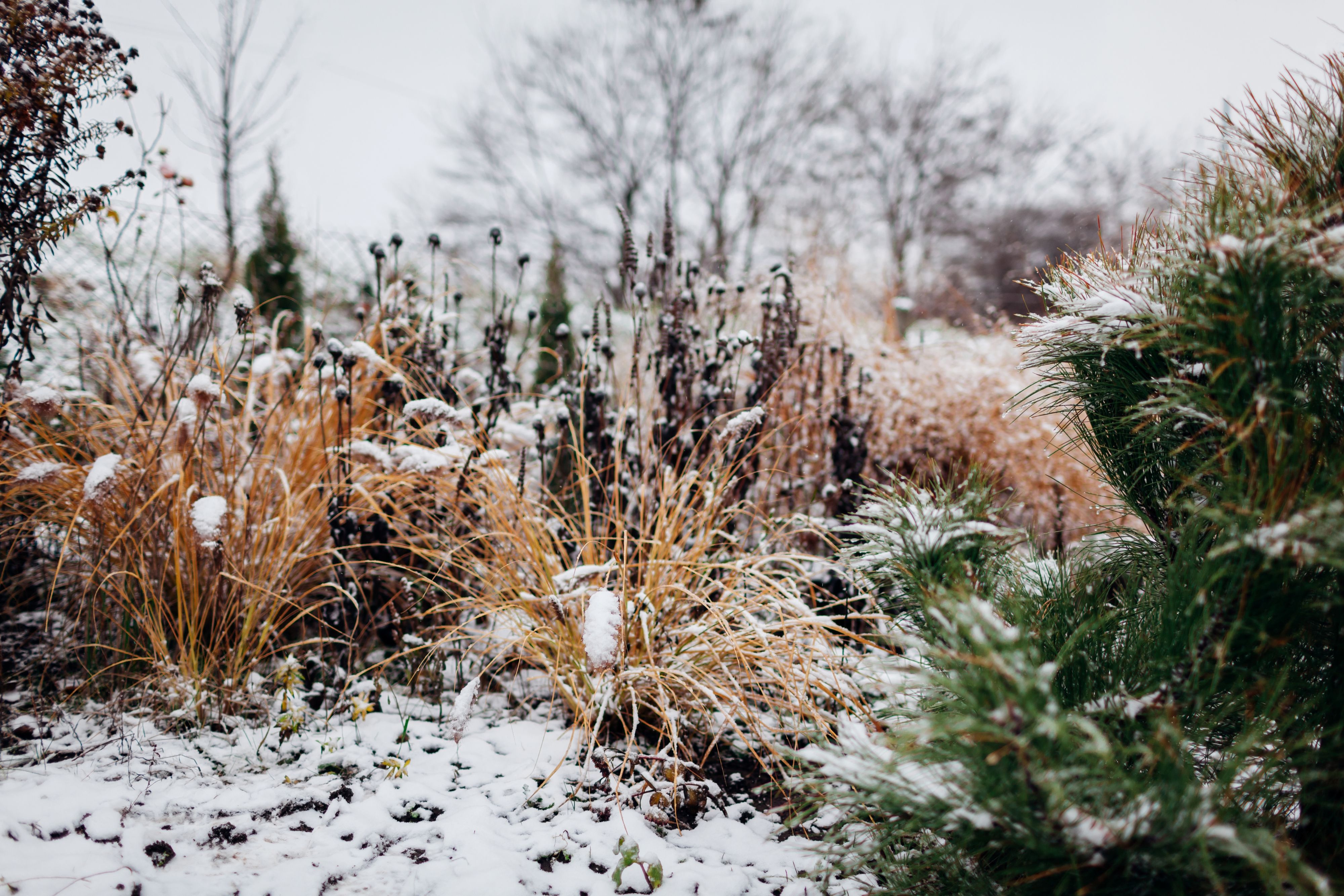

Winter gardening has a funny way of making confident gardeners do deeply questionable things. The thermometer drops, the wind starts acting like it pays rent, and suddenly perfectly sensible people are wrapping shrubs like burritos, pruning everything in sight, and tossing salt around like they are seasoning a giant sidewalk casserole.
The truth is, winter plant care is less about doing more and more about doing the right things at the right time. Many cold-weather garden problems do not come from snow itself. They come from avoidable mistakes: watering too little, mulching too much, pruning too late, or forgetting that rabbits and voles consider winter a buffet with bark as the main course.
If you want healthier trees, shrubs, perennials, and even containers when spring rolls around, it helps to know what not to do. Below are seven common winter gardening mistakes that can quietly damage plants while you are inside pretending seed catalogs count as cardio.
1. Letting Plants Go Into Winter Thirsty
One of the biggest winter gardening mistakes is assuming cold weather means plants no longer need water. Dormant does not mean dead, and evergreens especially continue to lose moisture through their needles and leaves during winter. If the ground freezes while roots are already dry, plants can head into the season stressed and vulnerable.
This is especially risky for newly planted trees and shrubs, broadleaf evergreens like boxwood and rhododendron, and plants growing in exposed, windy locations. A dry fall often leads to winter burn, browned foliage, scorched edges, and overall weak spring recovery.
What to do instead
Water deeply in late fall before the ground freezes, especially during dry spells. Focus on the root zone rather than giving plants quick, shallow drinks. Deep watering encourages stronger root systems and helps plants store the moisture they need to survive cold winds and frozen soil.
For containers, the risk is even higher. Potting mix dries out faster than garden soil, and roots in pots are more exposed to temperature swings. Check winter containers periodically and water on mild days when the soil is not frozen solid.
2. Overwatering or Watering the Wrong Way
Yes, winter gardeners can absolutely overdo it. Some people respond to winter dryness by watering constantly, lightly, and nervously, which is basically helicopter parenting for shrubs. The problem is that frequent shallow watering encourages roots to stay near the surface, where they are more vulnerable to cold damage and temperature swings.
Too much water can also create issues in poorly drained soil. When roots sit in wet ground during cold weather, oxygen drops, root stress rises, and disease problems become more likely. Plants do not need swamp conditions just because you feel guilty for ignoring them in November.
What to do instead
Water thoroughly but only when needed. Check soil moisture several inches down before watering. If the soil is still moist, step away from the hose. The goal is even moisture, not soggy soil. Plants heading into winter need balance, not drama.
This matters for landscape plants and for overwintered houseplants too. Indoor gardeners often overwater in winter because the top layer looks dry while the lower root zone stays damp. Reduced winter light means slower growth, so many indoor plants use less water than they do in summer.
3. Piling Mulch Against Trunks and Crowns
Mulch is one of the best tools in winter plant care, but only when used correctly. A proper layer of mulch insulates soil, reduces moisture loss, and helps moderate freeze-thaw cycles. A bad mulch job, on the other hand, can smother crowns, keep bark too wet, invite rodents, and encourage disease.
The classic mistake is the mulch volcano: a tall mound of mulch heaped directly against a tree trunk. It may look tidy for about six minutes, but it can trap moisture against bark, hide the root flare, encourage roots to grow in the wrong place, and create a cozy winter hotel for pests.
Perennials can suffer too. If mulch is packed too heavily over crowns, plants may rot rather than rest. That is not winter protection. That is accidental sabotage.
What to do instead
Apply mulch in a flat, even layer, usually around two to four inches deep depending on the material. Keep it pulled back from trunks, stems, and crowns so air can circulate and bark stays dry. Around trees, you should be able to see the root flare where the trunk widens at the base.
For strawberries, shallow-rooted perennials, and newly planted shrubs, mulch can be especially helpful because it reduces winter heaving caused by repeated freezing and thawing. Just do not confuse “protective” with “bury it and hope for the best.”
4. Pruning at the Wrong Time
Winter pruning can be smart, but only when timed well and matched to the plant. One common mistake is pruning too late in summer or early fall, which can stimulate fresh new growth that never hardens off before cold weather arrives. Tender growth hit by frost is basically a plant’s version of wearing flip-flops in a snowstorm.
Another mistake is hacking away at spring-flowering shrubs in winter without understanding when they set buds. If you prune forsythia, lilac, or some hydrangeas at the wrong time, you may remove the very flower buds you were hoping to enjoy next season.
What to do instead
Avoid pruning that pushes new growth late in the season. Many woody plants are best pruned in late winter while fully dormant, just before spring growth begins. At that point, wounds are exposed for a shorter period, structure is easier to see, and you are less likely to trigger poorly timed regrowth.
Still, know your plant. Shade trees and many deciduous shrubs often respond well to dormant pruning. Spring bloomers are usually best pruned after flowering. When in doubt, learn the bloom cycle before reaching for loppers like a person starring in a very low-budget garden action movie.
5. Ignoring Winter Wind and Sun Exposure
Most people blame cold alone for winter plant damage, but wind and sun are often the real villains. Broadleaf evergreens and needled evergreens can lose moisture during bright winter days, especially on south and southwest exposures. If roots cannot replace that water because the soil is frozen, foliage dries out and turns brown. This is classic winter burn.
Exposed sites are especially risky for boxwood, arborvitae, holly, rhododendron, and young evergreens. Plants that are marginally hardy for your region are even more likely to suffer. In other words, your shrub may not be weak. It may just be standing in the botanical equivalent of a wind tunnel.
What to do instead
Choose planting locations carefully and protect vulnerable plants from prevailing wind. Temporary burlap screens can help reduce moisture loss on the windward side without smothering the plant. Keep evergreens well watered going into winter, and avoid relying on miracle sprays that promise to solve everything. Good placement and basic plant care usually matter more than flashy products.
If a plant is repeatedly scorched every winter, consider whether it is truly suited to that site. Sometimes the smartest garden decision is not another gadget. It is choosing a tougher plant.
6. Using De-Icing Salt Carelessly
Sidewalks need to be safe in winter, but your garden beds do not need to suffer for it. De-icing salt can splash onto foliage, wash into root zones, damage soil structure, and make it harder for plants to absorb water. The result may show up as browning leaf margins, weak growth, dead turf along pavement, or slow decline in shrubs planted near driveways and sidewalks.
This kind of damage often gets misdiagnosed as drought, disease, or mysterious bad luck. It is not mysterious. It is chemistry with consequences.
What to do instead
Use the minimum amount of de-icer needed for safety, and be careful near planting beds. Where possible, direct salty slush away from trees and shrubs. Consider less damaging products when appropriate, and flush affected soils with fresh water once conditions allow in late winter or early spring.
It is also wise to avoid placing salt-sensitive plants right next to roads, walkways, or plowed areas. In tight urban landscapes, plant selection matters almost as much as maintenance.
7. Forgetting About Winter Wildlife Damage
Snowy landscapes look peaceful, but beneath that cute postcard scene, rabbits, voles, mice, and deer may be conducting a coordinated attack on your shrubs and young trees. When food is scarce, bark, twigs, buds, and roots become winter snacks.
Voles are especially sneaky because they work under mulch, grass, and snow cover, gnawing bark at the base of trees. Rabbits tend to clip twigs and chew young stems. Deer go big, browsing evergreen foliage and stripping branch tips. By spring, gardeners often discover girdled trunks, chewed shrubs, and mysterious dieback that started months earlier.
What to do instead
Protect vulnerable plants before deep winter sets in. Tree guards, hardware cloth cylinders, fencing, and deer barriers can make a huge difference. Keep mulch and dense vegetation pulled back from trunks so rodents have fewer hiding places. Clean up heavy grass and brush around young trees, especially in fall.
This is one of those boring chores that pays off spectacularly. A five-minute tree guard in November can save a five-year-old tree in March.
How to Winter-Proof Your Garden Without Overdoing It
Good winter gardening is about restraint, timing, and observation. You do not need to fuss over every bed every weekend. You do need to pay attention to moisture, exposure, soil protection, and plant-specific needs.
- Water deeply before freeze-up, especially during dry autumns.
- Mulch correctly, but keep it away from trunks and crowns.
- Avoid late-season pruning that encourages tender growth.
- Protect evergreens from drying wind when needed.
- Use de-icing products carefully around planting areas.
- Guard young trees and shrubs from rodents and browsing animals.
- Match plants to your site so winter care becomes easier every year.
In other words, do not try to outsmart winter with random acts of gardening. Work with the season instead. Plants are tougher than they look, but they do appreciate not being accidentally set up for failure.
Experience and Practical Lessons From Real Winter Gardens
One of the clearest lessons gardeners learn over time is that winter damage often starts long before the first snow. A boxwood that bronzes in January may actually have been stressed in October. A young maple girdled by voles in February may have become vulnerable because grass and mulch were left tight against the trunk in November. The damage shows up later, but the setup happens earlier.
Many gardeners also discover that new plants are usually the first to struggle. Established shrubs with deep root systems can often ride out dry periods, but fresh transplants are far less forgiving. A newly planted evergreen near a driveway, for example, has to deal with root establishment, reflected heat from pavement, winter wind, and possible salt spray. That is a lot to ask from a plant still trying to settle in. In real gardens, the problem is rarely just one thing. It is a stack of small stresses.
Container gardeners run into a similar issue. Pots look charming on porches in winter, but they dry quickly, freeze quickly, and warm up quickly on sunny days. Some gardeners lose rosemary, dwarf conifers, or ornamental grasses not because the plants were weak, but because the roots in containers were more exposed than roots in the ground. Moving containers to a sheltered location, grouping them together, and checking moisture during warm spells can make a noticeable difference.
Another common experience is overreaction. After one rough winter, gardeners sometimes wrap, tie, spray, cover, stake, and fuss over every plant in sight. Ironically, too much intervention can create new problems. Heavy coverings trap moisture. Late fertilizer pushes soft growth. Thick mulch causes rot. Winter plant care tends to improve when gardeners stop treating every brown leaf like an emergency and start looking for patterns instead.
Experienced gardeners also become much better at reading microclimates. The front yard may be windy and exposed, while the backyard fence line stays calmer. A south-facing foundation bed may warm up faster and cause plants to lose moisture more quickly on sunny winter afternoons. Low spots may stay wetter, while raised beds may freeze harder. These differences explain why one hydrangea makes it through winter untouched while another, only twenty feet away, looks personally offended by February.
Perhaps the most useful winter gardening lesson is that prevention is usually simpler than repair. Watering before freeze-up takes less effort than replacing scorched evergreens. Pulling mulch back from trunks is easier than diagnosing crown rot. Installing a tree guard costs less than losing a young fruit tree to rabbits. Gardeners who do well in winter are not always the most hardworking. Often, they are simply the most observant.
That is what makes winter gardening both humbling and oddly satisfying. You are not forcing lush growth or chasing instant flowers. You are setting the stage quietly, making small smart choices, and trusting that spring will reveal the results. It is less glamorous than peak-season gardening, sure, but it is also where many long-term successes begin. Winter is not the off-season for plant health. It is where next season’s garden often wins or loses.
Conclusion
Winter gardening mistakes are usually simple, which is good news because simple mistakes are fixable. If you avoid sending plants into winter dry, stop piling mulch like a miniature volcano, prune at the right time, protect vulnerable evergreens, use salt carefully, and guard against hungry critters, your garden has a much better chance of emerging healthy in spring.
The goal is not to baby every plant through winter. It is to understand what causes damage and prevent the most common problems before they start. A little preparation now can save a surprising amount of frustration later. And that means fewer sad shrubs, fewer mystery diebacks, and far fewer conversations that begin with, “Well, that plant looked fine in October.”