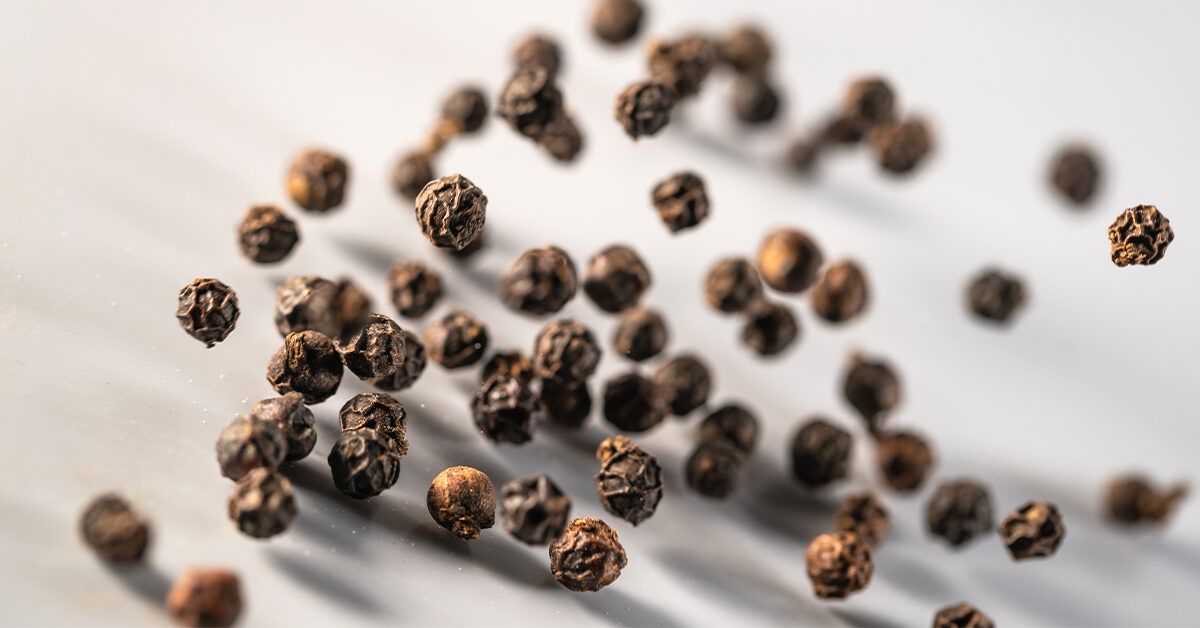

Black pepper has spent most of its life being treated like a background charactersprinkled on eggs, ignored in photos, and blamed for sneezes. Then science walked in and said, “Wait… who’s that spicy overachiever?” Enter piperine (the main active compound in black pepper) and BioPerine® (a branded, standardized black pepper extract often used in supplements).
Most people hear “piperine” and immediately think: turmeric + black pepper. That reputation is earnedpiperine is famous for helping the body absorb certain nutrients and plant compounds that otherwise slip through like a bar of soap in a bathtub. But there’s more going on than just playing sidekick. Newer research is exploring piperine’s potential roles in inflammation, metabolic markers, gut function, and even brain health.
Quick note before we get spicy: “Emerging” means promising but not fully settled. A lot of piperine’s data comes from lab studies, animal research, and smaller human trialsuseful, but not the same as massive, long-term clinical proof. Also: because piperine can affect how your body processes substances, it can also affect medications. We’ll cover safety (and the “please don’t accidentally turn your prescriptions into a rollercoaster” part) in a dedicated section.
BioPerine vs. Piperine: What’s the Difference?
Piperine is a naturally occurring alkaloid found in black pepper (Piper nigrum). BioPerine® is a trademarked ingredienttypically described as a standardized black pepper extract used in supplements, especially those designed to boost absorption. In practice, many BioPerine-containing products are aiming for consistency: the same “pepper power” per capsule, not whatever your pepper grinder felt like doing that day.
Both are often used as bioavailability enhancers. Translation: they may help certain compounds get into your bloodstream in higher amounts (or stick around longer), mainly by influencing digestion and metabolism pathways in the gut and liver.
Benefit #1: Better BioavailabilityThe “Make It Count” Effect
If piperine had a résumé headline, it would be: “Helps your body absorb things that are notoriously hard to absorb.” This is the most established and widely used reason piperine shows up in supplement formulas.
Why absorption matters more than label hype
You can swallow a supplement with an ingredient list that reads like a superhero rostercurcumin, resveratrol, CoQ10, quercetin, you name itbut if the body absorbs only a tiny fraction, the “superhero” may never leave the phone booth.
Piperine is best known for improving the bioavailability of curcumin (the best-studied active compound in turmeric). Human research has shown that adding a small dose of piperine to curcumin can dramatically increase measurable curcumin levels in the body. That’s one reason so many turmeric supplements include “with black pepper extract” right on the front label.
Real-world example
Scenario: Two people take the same curcumin dose. One takes plain curcumin; the other takes curcumin paired with piperine (or a standardized black pepper extract). The second person may achieve higher circulating levels of curcuminmeaning the body has more opportunity to use it. That can matter for outcomes in research settings and may help explain why “enhanced absorption” turmeric formulas are so popular.
Beyond turmeric: other compounds that may benefit from “pepper assistance”
While curcumin is the celebrity here, piperine is also investigated for its effects on the absorption or metabolism of other nutrients and botanicals. Some supplement categories where you’ll commonly see piperine/BioPerine added include:
- Fat-soluble nutrients (often taken with food anyway, but some formulas still include piperine as a support act)
- Antioxidant botanicals with naturally low bioavailability
- Complex blends where manufacturers want a “one-size-fits-many” absorption helper
Bottom line: piperine’s absorption-boosting role is the most practical, most evidence-supported “benefit” to dateespecially when it’s paired with ingredients known to be poorly absorbed.
Benefit #2: Inflammation and Oxidative Stress Support (Especially in Combos)
Inflammation is like the body’s security system: useful when there’s a real threat, annoying when it won’t stop beeping at 2 a.m. Researchers have long been interested in black pepper and piperine because of their antioxidant and anti-inflammatory activity in preclinical studies.
What’s “emerging” here?
Much of the strongest human data in this area involves curcumin + piperine, not piperine alone. Some studies suggest the combination may help improve inflammation-related markers in certain groups, which could be due to better curcumin absorption, possible additive effects, or both.
Specific example: metabolic health trials using curcumin + piperine
In people with metabolic concerns (like elevated triglycerides or type 2 diabetes), some research on curcumin paired with piperine has reported improvements in markers such as inflammation-related labs and certain metabolic values. That doesn’t mean piperine is a standalone anti-inflammatory treatmentbut it does support the idea that “pepper-enhanced” formulas may be more biologically active than plain versions of hard-to-absorb ingredients.
Bottom line: piperine is being explored as part of anti-inflammatory strategies, often as the “absorption key” that helps other compounds actually show up to work.
Benefit #3: Metabolic Markers and “Cellular Energy” Pathways (Promising, Early)
Here’s where things get interestingand where “emerging” really earns its badge.
Researchers are investigating whether piperine may influence aspects of metabolic health, including glucose metabolism, lipid markers, and oxidative stress in the context of metabolic conditions. Some clinical research has explored piperine supplementation in specific patient groups, while other work is still largely preclinical.
What this might look like in real life
Many people seek supplements for “metabolic support,” which can mean anything from blood sugar steadiness to healthier triglyceride levels. A piperine-containing supplement might be part of a broader planespecially when paired with compounds studied for metabolic health (like curcumin). But it’s not a magic wand, and it shouldn’t replace proven interventions like nutrition changes, physical activity, sleep, and clinician-guided care.
A useful way to think about the evidence
- Most solid: piperine may help certain compounds become more bioavailable, which can influence study results when those compounds are being tested.
- Encouraging but early: piperine itself may have measurable effects in some metabolic contextsbut this needs larger, longer, well-controlled trials.
Bottom line: there are signals worth watching, but this benefit is still in the “interesting research, not a guaranteed outcome” phase.
Benefit #4: Digestive Support and Gut-Related Effects (More Than Just “Pepper Makes You Burp”)
Black pepper has a long culinary reputation for “waking up” food. Biologically, that may not be far off: spices can influence digestion, and piperine is being studied for its potential effects on the gut environment.
How piperine might matter in the digestive system
Potential areas of interest include:
- Digestive signaling (how the gut responds to food, enzymes, and bile-related processes)
- Gut barrier dynamics (how compounds cross from the gut into circulationuseful for absorption, but also a reason to be cautious)
- Microbiome-adjacent effects (some research on turmeric and spices suggests gut-mediated benefits may occur even when blood absorption is limited)
It’s also worth noting that some of the “benefit” people associate with turmeric may involve gut-level activitynot just what makes it into the bloodstream. When piperine increases absorption, you may get a different balance of “local gut effects” vs. “systemic effects,” depending on the ingredient and dose.
Bottom line: piperine may influence digestion and gut-related pathways, but the best-supported practical angle remains: it can help certain compounds absorb better, which begins in the gut.
Benefit #5: Brain and Cognitive Health Signals (Mostly Preclinical, Still Intriguing)
Yes, researchers are also looking at piperine through a brain-health lensbecause of its antioxidant properties, inflammation pathways, and how it may affect the metabolism of certain compounds.
At the moment, much of this is based on animal and lab research exploring neuroprotective mechanisms. That doesn’t translate directly into “take piperine for memory,” but it does explain why piperine sometimes appears in brain-health stacks alongside curcumin, omega-3s, or other compounds people associate with cognitive support.
Why this is still “emerging”
The brain is complicated. Human outcomes like memory, focus, and mood are influenced by sleep, stress, nutrition, social factors, and underlying medical issues. Supplements can’t outrun a chaotic lifestyle like a gym membership can’t outrun a donut festival. (No judgment. Donuts are persuasive.)
Bottom line: interesting mechanisms are being explored, but this area needs more high-quality human research before anyone should treat it as a primary reason to supplement.
Safety First: When “Better Absorption” Can Become “Better Not”
Here’s the trade-off: if piperine can help the body absorb certain things more effectively, it can also change how the body handles medicationsespecially those processed by common metabolic enzymes and transporters.
Medication interaction risk
Research and pharmacist guidance commonly highlight piperine’s potential to affect pathways such as:
- CYP3A4 (a major drug-metabolizing enzyme)
- P-glycoprotein (P-gp) (a transporter that helps move substances across cell membranes)
That can matter for a wide range of medications. Some reports and modeling studies have discussed the possibility that piperine could increase blood levels of certain drugs by reducing their breakdown or altering transport. This is why people on prescription medsespecially meds with narrow dosing rangesshould talk with a clinician or pharmacist before using high-dose piperine or BioPerine-style extracts.
Liver considerations (especially with high-bioavailability turmeric products)
Turmeric/curcumin supplements are generally considered safe for many people, but there have been increasing reports of liver injury linked to turmeric supplements in some cases. Some discussions point to “high-bioavailability” forms (including combinations designed to increase absorption) as a possible factor in risk. This doesn’t mean piperine is “bad,” but it does mean that boosting absorption can sometimes boost side effects tooespecially at high doses, or in susceptible individuals.
Common side effects
- Digestive upset (heartburn, nausea, “why does my stomach feel spicy?”)
- Possible irritation in sensitive individuals
- Higher interaction risk when paired with multiple supplements or medications
Who should be especially cautious?
- People taking prescription medications (ask a pharmacistthis is literally their superhero origin story)
- People with liver disease, or a history of supplement-related liver issues
- Pregnant or breastfeeding individuals (safety data at supplement doses is often limited)
- Anyone using multiple “enhanced absorption” products at once (stacking can stack risks)
How to Use Piperine or BioPerine More Wisely
If you’re considering a piperine-containing supplement, think of it less like a standalone hero and more like a volume knob for other ingredients. That volume knob is helpful when the “song” is too quiet (poor absorption), but annoying when it makes your meds blast at full volume.
Practical tips
- Check the label for black pepper extract, piperine, or BioPerine®especially if you take medications.
- Be consistent, not extreme: higher doses aren’t automatically better.
- Take with food if the formula suggests it, especially for fat-soluble ingredients.
- Choose quality: look for reputable brands and third-party testing signals when available (USP, NSF, etc.).
- One change at a time: don’t add five new supplements in one week and then try to guess which one caused the chaos.
Neat Conclusion: The Big Takeaway (With a Pepper Shaker Bow on Top)
Piperineand standardized forms like BioPerinehas earned its place in supplements mainly because it can increase bioavailability, especially for famously hard-to-absorb ingredients like curcumin. Beyond that, early research is exploring piperine’s potential roles in inflammation pathways, metabolic markers, gut-related effects, and brain-health mechanisms.
The catch is the same reason it works: piperine can influence absorption and metabolism, which means it can also influence drug levels and side effects. If you’re healthy, not on medications, and using reasonable doses, piperine may be a smart “helper ingredient.” If you’re on prescriptionsor you’re stacking multiple high-bioavailability supplementsit’s worth getting personalized guidance.
In short: piperine can make supplements “hit harder.” That can be good… and it can be a reason to slow down and be strategic.
Real-World Experiences: What People Commonly Notice (and What It Might Mean)
(The following scenarios are composite examples based on common consumer patterns and how these supplements are typically used. They are not medical advice.)
Experience #1: “My turmeric suddenly feels like it’s actually doing something.”
A common story goes like this: someone has taken turmeric/curcumin on and off for months, feels unsure if it’s doing anything, then switches to a curcumin product that includes black pepper extract (or BioPerine). Within a few weeks, they report that they “notice it more”often describing better comfort after workouts, less stiffness, or simply a sense that the supplement is less of a placebo ornament on the kitchen counter.
What might be happening: curcumin has notoriously low absorption, and piperine may help increase circulating levels. The experience doesn’t prove cause-and-effect (life is messy), but it’s consistent with why manufacturers add piperine in the first place: to make certain ingredients more bioavailable.
Experience #2: “Great results… until my stomach filed a complaint.”
Some people love the “enhanced absorption” idea right up until their digestive system sends a strongly worded email. They may notice heartburn, nausea, or a warm/irritated feelingespecially if they take the supplement on an empty stomach or at higher doses.
What might help: taking the supplement with food, choosing a lower dose, or using it less frequently. If symptoms persist, it’s a sign the product may not be a good fit.
Experience #3: “I started a supplement stack and now everything feels… intensified.”
People who enjoy supplements sometimes build “stacks” like they’re assembling an Avengers team. Then they add piperine as the “absorption booster,” and suddenly multiple supplements feel strongermore noticeable effects, more side effects, or both. This is especially common when piperine is combined with botanicals that already have active effects.
What to do: simplify. Add one new supplement at a time, keep doses reasonable, and consider whether you truly need an absorption enhancer for every ingredient.
Experience #4: “My meds feel different, and I can’t tell why.”
This is the most important real-world pattern to take seriously. Someone begins a piperine/BioPerine-containing supplement and later notices their prescription medication feels “stronger” or “off”more drowsiness, dizziness, unusual side effects, or changes in symptom control. The timing can be subtle, and it’s easy to blame stress, sleep, or caffeine… until it keeps happening.
Why this matters: piperine may affect drug metabolism and transport pathways in ways that could alter medication levels for some drugs. If you take prescriptions, it’s smart to ask a pharmacist before using concentrated piperine extractsand to pause and seek guidance if anything feels different after starting.
Experience #5: “I stopped chasing ‘maximum absorption’ and started chasing consistency.”
One of the healthiest shifts people report is moving away from the “more is more” mindset. Instead of stacking multiple high-bioavailability supplements, they pick one or two goals (like joint comfort, metabolic support, or general antioxidant support), choose a quality product, take it consistently, and track how they feel over timewhile prioritizing basics like diet, movement, and sleep.
Why this often works better: supplements are rarely dramatic, and the most reliable benefits tend to show up with steady use and realistic expectations. Piperine can help make certain formulas more effectivebut it can’t replace fundamentals.