
Maca root has become one of those supplements that seems to show up everywhere at once: smoothie bowls, wellness blogs, supplement aisles, and the social feed of that one friend who suddenly has “morning ritual” content. But unlike some trendy powders that sound magical and deliver approximately the emotional experience of expensive dust, maca actually has a long history as a food in Peru and a growing body of research behind it.
That said, “growing body of research” is not the same thing as “settled science.” Maca is promising in a few areas, especially sexual desire, some menopause-related symptoms, and subjective well-being. But the human studies are still relatively small, the results are mixed in some categories, and supplement quality can vary. So the honest answer is not “maca is a miracle.” It is more like, “maca may help some people in some ways, and the hype has definitely outrun the evidence.”
Here is a practical, evidence-based look at four potential benefits of maca root, plus the side effects and safety issues worth knowing before you toss a scoop into your breakfast and expect your life to turn into a motivational montage.
What Is Maca Root?
Maca is a cruciferous plant native to the high Andes of Peru. Its scientific name is Lepidium meyenii, and it is related to vegetables in the cabbage and mustard family. Traditionally, it has been used as both a food and a medicinal plant. Today, maca is commonly sold as powder, capsules, tablets, and extracts.
One reason maca gets so much attention is that it sits in an appealing wellness sweet spot: it is a food-based plant with traditional use, and early research hints at real biological effects. Maca contains plant compounds such as glucosinolates, macamides, macaenes, and polyphenol-like compounds that researchers think may help explain its potential effects on mood, sexual function, energy, and inflammation. That sounds impressive, and it is. But it still does not mean every product on the shelf deserves a standing ovation.
1. Maca May Modestly Improve Sexual Desire and Some Sexual Function
If maca has a headline act, this is it. The best-known potential benefit of maca root is support for sexual desire, often called libido, along with possible help for certain forms of sexual dysfunction. Several small randomized trials have found that maca may improve sexual desire in some adults after a number of weeks of use. That timing matters, because maca is not a quick fix. In studies where benefits appeared, they generally took weeks, not days.
The most careful way to say it is this: maca may provide a modest boost in sexual desire for some people, but the evidence is still limited and not strong enough to make huge claims. A systematic review found only a handful of randomized controlled trials and concluded that the overall evidence was encouraging but too limited for firm conclusions. In plain English, maca is intriguing, not ironclad.
Why this benefit gets so much attention
Sexual health is influenced by stress, sleep, relationship dynamics, medication side effects, hormone shifts, chronic illness, and mental health. Because the issue is so complex, people are often drawn to supplements that promise a more “natural” solution. Maca gets extra interest because it seems to help in certain specific situations, including some cases of antidepressant-related sexual dysfunction and postmenopausal sexual concerns.
That does not mean it works for everyone. It means maca may be worth discussing with a healthcare professional if low desire or mild sexual-function complaints are part of the picture and you are looking for an option with some early evidence behind it. The key word there is early.
2. Maca May Help With Some Menopause-Related Symptoms
Maca is also often marketed to women in midlife, especially for menopause-related symptoms such as mood changes, lower sexual desire, and a general sense that the body has changed its operating system without sending a user manual.
Some small studies in postmenopausal women suggest maca may improve psychological symptoms, reduce measures of sexual dysfunction, and help with general well-being. Interestingly, one study found these effects without meaningful changes in classic sex hormone levels. That has made maca especially interesting to researchers, because it suggests the plant may work through pathways other than simply “raising hormones.”
Still, this is not the same as saying maca is a proven menopause treatment. Reviews of the literature continue to describe the evidence as limited. Some women may feel better taking it, but the research base is still too small to say it should be a standard go-to therapy. If menopause symptoms are significantly affecting sleep, mood, or quality of life, it makes more sense to treat maca as a possible add-on conversation, not as a substitute for medical care.
Where maca may fit in
For women who are curious about plant-based options, maca may be appealing because the reported benefits in small trials often involve overall symptom relief rather than a single dramatic effect. In other words, people may report feeling a little more balanced, a little less bothered, and a little more like themselves again. That kind of subtle change is harder to package in a flashy ad, but it is often what real-world users are actually hoping for.
3. Maca May Support Energy, Exercise Tolerance, and Subjective Well-Being
Another common reason people try maca is energy. Not jittery, pre-workout, vibrating-at-the-speed-of-caffeine energy, but a steadier sense of stamina or resilience. Traditional use and some early studies suggest maca may help with endurance, fatigue, and general vitality.
Here again, the evidence is suggestive rather than definitive. Some studies and reviews report improvements in self-rated energy, health status, or physical performance, while others are less impressive. The good news is that maca’s reputation for energy support is not entirely pulled out of thin air. The less exciting news is that the data are not strong enough to crown it the king of sustainable vitality.
That said, people often like maca because the experience they describe is not “I suddenly became a superhero,” but rather “I felt a little less dragged down.” For a supplement, that is a more believable claim anyway. If your fatigue is caused by poor sleep, iron deficiency, depression, thyroid disease, overtraining, or a hectic life fueled by three deadlines and one granola bar, maca is not going to solve the root problem. But in otherwise healthy adults, it may offer a mild boost in subjective well-being.
The important caveat
Energy claims are where supplement marketing gets especially slippery. Feeling more energetic can come from better sleep, improved mood, placebo effect, or simply being more consistent with meals and habits once you start a new routine. So if maca seems to help, great. Just do not let a supplement distract you from the basics that actually move the needle.
4. Maca Adds Nutritional Value and Bioactive Plant Compounds
One underrated benefit of maca is that it is not just a capsule story. It is also a food. Maca root has been described as nutritionally valuable, and its appeal is partly tied to the fact that it brings more than one possible mechanism to the table. Instead of being a single isolated chemical, maca contains a mix of nutrients and plant compounds that may contribute to its effects.
Depending on the form and color, maca can provide carbohydrates, fiber, small amounts of protein, and a range of phytochemicals. Different types of maca, such as black, red, and yellow, may differ somewhat in their composition, which could partly explain why research findings are not always perfectly consistent. In supplement language, this is the part where one product says “black maca elite,” another says “gelatinized gold reserve,” and your eyeballs quietly file for workers’ compensation.
From a practical standpoint, maca may be most useful when viewed as a functional food with possible targeted benefits, not as a miracle herb. That framing helps keep expectations realistic. It may support health in a broad, gentle way. It is probably not going to transform your biology over a long weekend.
Potential Side Effects of Maca Root
Maca is generally described as well tolerated, and serious side effects do not appear to be common in the available research. But “generally well tolerated” does not mean “nothing to see here.” People do report side effects, and some experts recommend caution in certain situations.
Commonly reported side effects
- Stomach upset or gastritis-like discomfort
- Cramps
- Mood changes or irritability
- Insomnia or feeling too alert if taken late in the day
- Headache or general digestive discomfort in some users
There are also occasional reports of menstrual changes and, in rare cases, unusual bleeding patterns. That does not prove maca caused the problem every time, but it is a reminder that plant supplements can have real physiological effects and should not automatically be treated like harmless flavor dust.
Who should be extra careful?
- People with hormone-sensitive conditions: Because maca may have estrogenic or hormone-related activity in some contexts, caution is advised for people with hormone-sensitive cancers or similar conditions.
- People who are pregnant or breastfeeding: Safety data are limited, so it is smart to avoid self-prescribing maca in these situations unless a clinician says otherwise.
- Anyone taking medications: As with many supplements, interactions are possible. Maca has also been reported to interfere with some testosterone lab tests, which is a weirdly specific plot twist but worth knowing.
- Anyone with ongoing symptoms that need evaluation: Low energy, low libido, mood changes, and fertility concerns can all have medical causes. Do not let a supplement delay proper care.
How to Try Maca Without Falling for the Hype
If you are interested in maca, the smartest approach is boring in the best possible way: keep expectations realistic, start low, and pay attention to the quality of the product. Since dietary supplements are not approved by the FDA for safety and effectiveness before they are sold, product quality matters a lot. Third-party testing from organizations such as NSF, USP, or ConsumerLab can help you avoid mystery powder roulette.
It also helps to decide what you are actually hoping for. If you want a supplement that might gently support libido, mood, or a sense of stamina over time, maca may be a reasonable candidate. If you want immediate, dramatic, movie-trailer-level results, you are setting yourself up for disappointment and possibly an expensive container of beige regret.
Many studies have used maca daily for several weeks, so give any trial enough time to be fair, but not so much time that you ignore side effects. If you notice insomnia, digestive issues, cycle changes, or anything that feels off, stop and reassess with a healthcare professional.
Experience-Based Notes: What People Commonly Report After Trying Maca
Real-world experiences with maca tend to be less dramatic than the internet makes them sound, which is actually a good thing. Most people who try maca do not wake up on day three with a cinematic glow, perfect hormones, and a sudden desire to jog through wildflowers. What they usually describe is subtler.
One common report is that maca feels gradual. People often say they did not notice much in the first week, then sometime later realized they felt a little steadier, a little more awake in the afternoon, or a little less “flat.” That kind of delayed effect lines up with how maca is usually discussed in research. It is not a jolt. It is more of a slow nudge.
Another common experience involves energy, but not in the same way as caffeine. Users often describe a cleaner, calmer lift rather than a buzzy rush. For some, that is exactly the appeal. For others, it is the reason they feel underwhelmed. If someone expects the supplement version of a motivational speech plus espresso, maca may seem too mild to bother with.
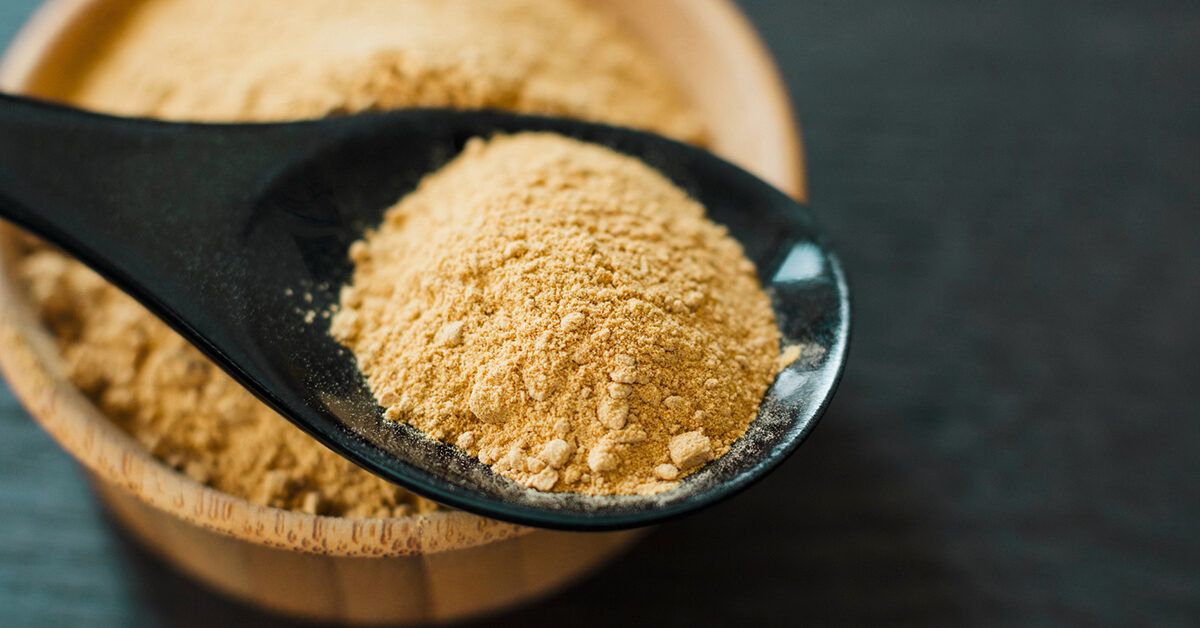
Taste is a surprisingly big part of the experience when people use maca powder instead of capsules. Many say it is earthy, nutty, or slightly malty. Others taste it once and immediately decide capsules were invented by geniuses. People who enjoy it often blend it into smoothies, oatmeal, yogurt, or coffee-like drinks. People who do not enjoy it usually become extremely loyal to the capsule aisle.
Sleep timing also comes up a lot. Some users feel fine taking maca whenever they want, while others say it is better earlier in the day because a late dose seems to make them feel too alert at night. That does not happen to everyone, but it is common enough to be worth noting. If maca agrees with you but bedtime suddenly becomes a staring contest with the ceiling fan, timing may be the first thing to change.
People using maca for libido or intimacy-related concerns often report mixed but interesting results. Some describe feeling more mentally interested, more responsive, or simply less disconnected. Others notice no meaningful difference at all. That inconsistency is not surprising. Sexual well-being is shaped by stress, hormones, relationships, medication use, body image, and general health. No powder gets to single-handedly win that argument.
There are also people who stop maca because of side effects. The most commonly mentioned experiences include stomach upset, bloating, cramps, feeling moody, or changes in sleep. A smaller number mention cycle changes or feeling that the supplement simply did not suit them. That does not make maca “bad.” It just means it is an active supplement, not a neutral accessory.
What is probably most useful about these experience patterns is this: maca seems to be the kind of supplement where small, subjective improvements are more realistic than dramatic transformations. If someone says, “I felt a bit better overall,” that sounds believable. If someone says maca completely rewired their life in six days, it may be time to back away slowly from the testimonial and rejoin the evidence-based portion of the internet.
Final Thoughts
Maca root is not nonsense, and it is not magic. It sits in that complicated middle ground where many useful supplements live: traditional use, some promising early research, modest real-world potential, and a giant cloud of overenthusiastic marketing floating above it.
The four most talked-about benefits of maca are support for sexual desire, possible relief for some menopause-related symptoms, mild improvements in energy or subjective well-being, and its role as a nutrient-rich functional food with bioactive plant compounds. Those are reasonable, evidence-aware claims. The smarter version of the conversation is not “maca fixes everything.” It is “maca may help some people, especially if expectations stay realistic and safety stays front and center.”
If you want to try maca, think like a skeptic with manners: choose a quality-tested product, watch for side effects, and do not use it as a substitute for actual medical care when symptoms need evaluation. A little curiosity is good. Blind faith in a supplement label is how people end up with expensive powder and very average results.