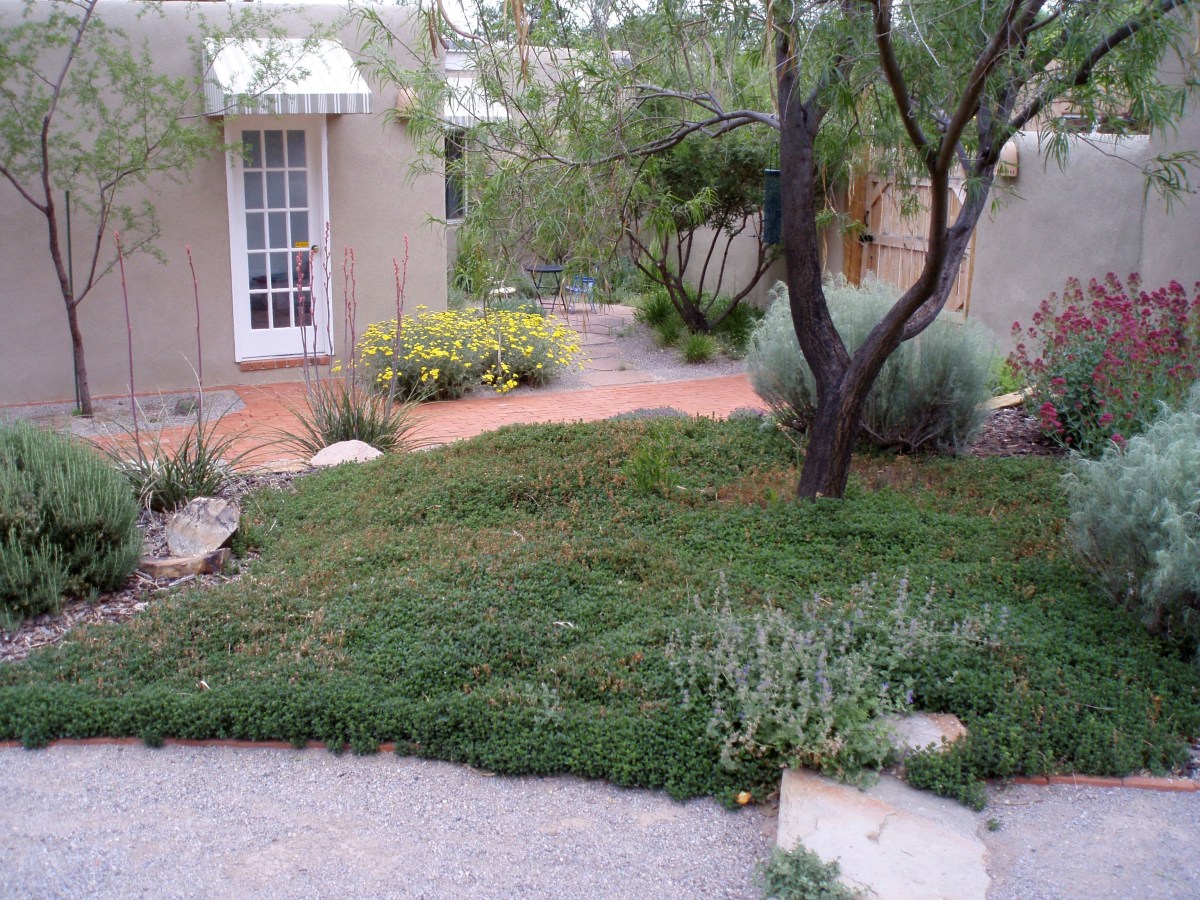

A beautiful yard does not have to drink like a marathon runner at mile 25. That is the whole charm of xeriscaping: it helps you create an outdoor space that looks lush, intentional, colorful, and alive while using less water, less fertilizer, and often less weekend labor. In other words, your yard can stop acting like a needy houseguest and start behaving like a well-trained garden citizen.
Xeriscape landscaping is a water-wise approach built around smart planning, climate-appropriate plants, efficient irrigation, healthy soil, mulch, practical lawn areas, and thoughtful maintenance. Despite the myth, it is not just a desert scene with gravel, one cactus, and the emotional range of a parking lot. A good xeriscape yard can include flowering perennials, ornamental grasses, shade trees, edible herbs, winding paths, pollinator beds, cozy patios, and even a small patch of turf where it actually earns its keep.
Whether you live in the dry Southwest, a hot summer suburb, a drought-prone city, or simply want a lower-maintenance landscape, these 15 xeriscape ideas will help you design a beautiful, sustainable yard that saves water without sacrificing curb appeal.
What Makes a Yard a Xeriscape?
A xeriscape yard is designed to make the most of natural rainfall and reduce unnecessary irrigation. The strategy usually includes grouping plants by water needs, improving soil where appropriate, replacing oversized lawns with useful planting areas, using mulch to hold moisture, installing drip irrigation, and choosing plants adapted to your region. The goal is not to eliminate water completely. New plants still need regular watering while they establish. The goal is to stop wasting water where it does not help the landscape thrive.
The best xeriscape designs also consider sun exposure, slope, drainage, wind, foot traffic, local wildlife, and maintenance habits. A yard that looks great only when you spend every Saturday wrestling with a hose is not sustainable; it is just a part-time job with flowers.
15 Xeriscape Ideas for a Beautiful, Sustainable Yard
1. Start With a Water-Wise Landscape Plan
Before buying plants, map your yard. Notice where the sun hits in the morning and afternoon, where water runs during storms, where soil dries first, and where people actually walk. A xeriscape design works best when the yard is divided into zones: low-water areas, moderate-water areas, and higher-use areas such as patios, play spaces, or vegetable beds.
This planning step prevents random planting, also known as the “garden center made me emotional” method. Instead of scattering plants everywhere, you create hydrozones. For example, put thirstier plants near a downspout, rain garden, or patio where they are easy to reach. Place drought-tolerant shrubs, ornamental grasses, and native perennials farther from the house where irrigation can be minimal once they are established.
2. Replace Some Lawn With Drought-Tolerant Planting Beds
A giant lawn can be attractive, but it is often the biggest water user in a residential landscape. Xeriscaping does not require removing every blade of grass. It asks a better question: “What is this lawn actually doing?” If the answer is “mostly making the mower feel important,” consider shrinking it.
Replace unused turf with beds of native grasses, flowering perennials, shrubs, groundcovers, and mulch. Keep lawn only where it serves a purpose, such as a small play area, pet zone, or cool visual frame around a patio. In dry regions, consider low-water turf species that fit your climate. In some yards, a smaller lawn surrounded by water-wise planting looks more polished than a large, thirsty lawn with crispy edges.
3. Choose Native and Climate-Adapted Plants
Native plants are often excellent xeriscape choices because they have adapted to local rainfall patterns, soils, temperatures, and wildlife. Climate-adapted plants can also perform beautifully, especially in tough urban conditions. The key is to choose plants that match your region rather than copying a garden from a completely different climate.
In the Southwest, agave, desert marigold, penstemon, yucca, red yucca, salvia, and desert willow may fit the bill. In the Great Plains or Intermountain West, options might include blue grama grass, buffalo grass, blanket flower, yarrow, rabbitbrush, and native sages. In many parts of the country, coneflower, black-eyed Susan, bee balm, little bluestem, switchgrass, and sedum can provide color and resilience. Always check your local extension office or native plant society before planting, because “drought-tolerant” in Arizona does not always mean “happy in Ohio clay.”
4. Group Plants by Water Needs
One of the smartest xeriscape ideas is also one of the simplest: do not plant a moisture-loving hydrangea next to a dry-loving lavender and expect peace in the kingdom. Group plants with similar water requirements together so each area receives the right amount of irrigation.
This approach saves water and reduces plant stress. A low-water bed might include ornamental grasses, lavender, catmint, sedum, and yarrow. A moderate-water bed near the house might include flowering shrubs, herbs, and seasonal color. When plants share similar needs, your irrigation system can work efficiently instead of trying to satisfy botanical roommates with totally different lifestyles.
5. Use Mulch Like a Moisture-Saving Blanket
Mulch is the quiet hero of sustainable landscaping. A good mulch layer helps reduce evaporation, suppress weeds, moderate soil temperature, and protect roots. Organic mulches such as shredded bark, arborist wood chips, pine needles, composted leaves, and plant-based mulch also improve soil as they break down.
For planting beds, aim for a layer thick enough to shade the soil but not so deep that it smothers plant crowns. Keep mulch pulled slightly away from stems and tree trunks. Gravel mulch can work well in desert or Mediterranean-style gardens, especially around plants that prefer dry crowns, but it can also increase heat in some settings. Use it carefully, not as a punishment for the soil.
6. Install Drip Irrigation or Soaker Hoses
Overhead sprinklers are often inefficient in planting beds because water can evaporate, drift in the wind, or land on sidewalks with great confidence and zero usefulness. Drip irrigation and soaker hoses deliver water near the root zone, where plants can actually use it.
Drip systems work especially well under mulch around shrubs, perennials, trees, and vegetable beds. They can be paired with timers, pressure regulators, filters, and smart controllers for better efficiency. New plants still need careful monitoring, but once established, many xeriscape plants require less frequent watering. Deep, occasional watering generally encourages stronger roots than shallow daily sprinkling.
7. Add a Smart Irrigation Controller
A smart irrigation controller can adjust watering based on local weather, rainfall, temperature, and seasonal needs. This is helpful because a fixed timer may water during a rainstorm with the confidence of a robot that has never looked out a window.
Smart controllers are especially useful for homeowners who travel, manage multiple zones, or forget to adjust irrigation between spring, summer, and fall. Pair the controller with drip irrigation, rain sensors, and routine system checks. Fix leaks quickly, adjust spray heads away from pavement, and avoid watering during windy afternoons. Technology is helpful, but it still needs a human who occasionally says, “Why is the driveway getting a spa treatment?”
8. Build a Dry Creek Bed for Runoff
If rainwater rushes down your yard and into the street, a dry creek bed can turn a drainage problem into a design feature. Use river rock, gravel, boulders, and drought-tolerant plants to create a natural-looking channel that slows runoff and encourages water to soak into the soil.
A dry creek bed is especially useful on slopes, near downspouts, or in areas where water temporarily collects. It adds texture, movement, and structure even when dry. Plant along the edges with ornamental grasses, sedges, native perennials, or shrubs that can handle occasional moisture followed by dry spells. The result looks intentional, not like your yard lost an argument with a thunderstorm.
9. Create a Rain Garden Where Water Naturally Collects
A rain garden is a shallow planted basin that captures stormwater and allows it to slowly soak into the ground. It can reduce runoff, support pollinators, and create a lush focal point in a water-wise yard. Unlike a pond, a rain garden is designed to drain, not stay soggy forever.
Choose plants that tolerate both wet and dry conditions. Depending on your region, options might include native iris, rushes, sedges, swamp milkweed, Joe-Pye weed, blue flag iris, or other locally appropriate species. Place rain gardens at least several feet away from foundations, and check local guidance for soil infiltration, overflow, and placement. When designed properly, a rain garden makes stormwater useful instead of letting it sprint to the gutter.
10. Use Hardscaping to Reduce High-Water Areas
Patios, gravel paths, stepping stones, decks, and seating areas reduce the amount of irrigated space while making the yard more usable. The best xeriscape designs balance hardscape and softscape so the yard feels inviting rather than barren.
Permeable pavers, decomposed granite, gravel paths, flagstone with creeping thyme, and stepping-stone walkways can help water soak into the ground. Add a bench under a small tree, a dining area near herbs, or a fire pit surrounded by low-water planting. Hardscape should serve a purpose: gathering, walking, resting, or framing the garden. Otherwise, it is just expensive geology.
11. Plant Shade Trees Strategically
Trees are often overlooked in xeriscape design, but they can be powerful water-saving allies. A well-placed shade tree cools the ground, reduces evaporation, protects understory plants, and can make patios and windows more comfortable in summer.
Select drought-tolerant or regionally adapted trees that match your space. Small yards might use desert willow, serviceberry, redbud, crape myrtle, or other local favorites. Larger landscapes may support oaks, elms, mesquite, hackberry, or native shade trees suited to the climate. Water new trees deeply during establishment, mulch widely, and avoid piling mulch against the trunk. A tree is a long-term investment, not a decorative umbrella you can ignore after planting.
12. Add Ornamental Grasses for Movement and Texture
Ornamental grasses are xeriscape superstars because many tolerate heat, wind, poor soil, and limited irrigation once established. They add movement, texture, seed heads, winter interest, and habitat for beneficial insects and birds.
Consider regionally suitable grasses such as blue grama, little bluestem, switchgrass, sideoats grama, muhly grass, deer grass, or feather reed grass, depending on your climate. Use them in masses for a meadow look, as borders along paths, or as soft screens near patios. Grasses also pair beautifully with flowering perennials, making the garden feel full without demanding constant watering.
13. Use Groundcovers Instead of Thirsty Turf
Groundcovers can replace lawn in areas with light foot traffic, slopes, narrow strips, or awkward corners. They reduce erosion, cool the soil, and create a softer look than bare gravel. In sunny areas, consider creeping thyme, sedum, ice plant in appropriate climates, woolly yarrow, or native low-growing grasses. In shadier spots, look for drought-tolerant options suitable for your region.
Groundcovers are not magic carpets. They need weeding and watering while they establish, and some spread aggressively in certain climates. Choose carefully and avoid invasive species. Once settled, a good groundcover can make a yard look finished while sparing you from mowing tiny, ridiculous strips of grass beside the driveway.
14. Design With Pollinators in Mind
A sustainable xeriscape yard should support life, not just save water. Pollinator-friendly plants bring bees, butterflies, hummingbirds, and beneficial insects into the landscape. Choose a mix of flowers that bloom at different times of year so nectar and pollen are available across the growing season.
Native milkweed, salvia, penstemon, bee balm, coneflower, yarrow, blanket flower, goldenrod, asters, and native sages can be excellent choices depending on your location. Avoid unnecessary pesticides, leave some seed heads for birds, and include shallow water or damp soil for pollinators where appropriate. A pollinator xeriscape is proof that low-water landscaping can still throw a very respectable garden party.
15. Keep Maintenance Simple but Consistent
Xeriscape yards are lower maintenance, not zero maintenance. During the first year or two, plants need regular attention while roots establish. After that, maintenance often becomes easier: less mowing, less fertilizing, fewer weeds, and less watering.
Simple tasks make a big difference. Refresh mulch when it thins, prune shrubs at the right time, divide crowded perennials, check irrigation lines, remove weeds before they seed, and replace struggling plants with better-adapted choices. Sustainable landscaping is not about forcing plants to survive; it is about putting the right plants in the right place and then not micromanaging them like an overexcited stage parent.
Design Styles That Work Beautifully With Xeriscaping
Modern Desert Garden
Use sculptural plants, boulders, gravel mulch, clean lines, and dramatic spacing. Agave, yucca, ornamental grasses, and desert-adapted shrubs can create a bold architectural look.
Cottage Xeriscape
For a softer style, combine drought-tolerant flowers with herbs, curving paths, rustic edging, and mixed perennials. Lavender, yarrow, catmint, salvia, thyme, and coneflowers can create a romantic look without excessive irrigation.
Native Meadow Yard
Replace part of the lawn with native grasses and wildflowers. This style supports pollinators, adds seasonal movement, and works especially well in sunny open spaces.
Mediterranean Water-Wise Garden
Use rosemary, lavender, santolina, olive trees in suitable climates, gravel paths, terra-cotta pots, and warm-toned stone. It feels relaxed, fragrant, and vacation-adjacent, which is a technical landscaping term meaning “pleasant enough to make you forget email exists.”
Common Xeriscape Mistakes to Avoid
The first mistake is replacing a lawn with nothing but rock. While gravel can be useful, too much rock can increase heat, reduce habitat, and make the yard look unfinished. Mix stone with plants, shade, organic mulch, and pathways.
The second mistake is assuming drought-tolerant plants need no water immediately after planting. Most plants need consistent irrigation during establishment. The third mistake is ignoring soil. Sandy soil may drain too quickly, while compacted clay may shed water. Compost, mulch, aeration, and correct plant selection can help, but soil strategy should match the site.
The fourth mistake is choosing plants only by appearance. A plant that looks adorable in a nursery pot may become a water-hungry diva in your yard. Research mature size, water needs, sun exposure, cold hardiness, and local performance before planting.
Real-Life Experiences: What a Xeriscape Yard Feels Like Over Time
The first season of a xeriscape project can feel a little suspicious. You remove part of the lawn, install young plants, spread mulch, and then stare at everything like a nervous parent at the first day of school. The plants are small. The mulch looks very visible. The neighbors may slow down slightly, wondering if you are landscaping or conducting a very organized archaeological dig. This is normal.
By the second growing season, the magic starts to show. Ornamental grasses fill out. Perennials bloom in waves. The mulch disappears visually as plant canopies spread. You begin to notice which plants love the hot corner by the driveway and which ones prefer the gentle morning sun near the porch. Instead of watering everything equally, you water with intention. That alone changes the relationship with the yard. It becomes less of a chore and more of a system you understand.
One practical lesson many homeowners learn quickly is that pathways matter. A water-wise yard with no paths can become awkward to maintain, especially when you need to prune, weed, or check irrigation. Stepping stones, gravel paths, or decomposed granite walkways make the landscape feel designed and keep people from trampling young plants. A simple path can turn a collection of drought-tolerant plants into a garden with rhythm and purpose.
Another experience is the surprise of seasonal beauty. Traditional lawns often look basically the same from week to week, unless they are suffering, in which case they look sad in a very public way. Xeriscape gardens change. Spring may bring penstemon and salvia. Summer may feature coneflowers, yarrow, and ornamental grasses. Fall may glow with seed heads, asters, golden foliage, and warm-toned grasses. Winter can still offer structure through evergreens, boulders, bark, and dried stems.
Wildlife also tends to arrive. Bees work the flowers. Butterflies inspect the milkweed. Birds pick at seed heads. Lizards may appear on warm stones in some regions. The yard starts to feel less like outdoor decor and more like a small ecosystem. For many homeowners, this becomes the most satisfying part of xeriscaping: the garden is not only pretty, it is useful.
The maintenance rhythm changes, too. Instead of mowing every week, you may spend time refreshing mulch, cutting back perennials once a year, adjusting drip lines, or editing plants that have grown too enthusiastically. There is still work, but it is more seasonal and less repetitive. The yard stops demanding constant attention and starts rewarding thoughtful attention.
The biggest lesson is patience. A xeriscape yard usually looks best when it is allowed to mature. Small plants grow into drifts. Trees create shade. Soil improves under mulch. Irrigation can often be reduced as roots deepen. If a traditional lawn is instant green carpet, a xeriscape is more like a good story: it develops, surprises you, and gets better once all the characters know their roles.
Conclusion
Xeriscaping is not about giving up beauty. It is about designing a yard that understands water is valuable, plants have preferences, and homeowners deserve weekends that are not entirely devoted to dragging hoses around like garden-themed fitness equipment. With the right plan, climate-adapted plants, efficient irrigation, mulch, practical turf, and a little patience, you can create a sustainable yard that looks vibrant, supports wildlife, and uses water wisely.
The best xeriscape ideas are flexible. A desert garden, native meadow, pollinator border, Mediterranean courtyard, or modern low-water front yard can all follow the same core principles. Start small if needed. Replace one strip of lawn, add one drip-irrigated bed, plant one shade tree, or build one dry creek bed. Over time, those choices add up to a yard that is beautiful, resilient, and far less thirsty.
Note: Plant recommendations should always be adjusted to your local climate, soil, rainfall, water rules, and regional extension guidance before installation.