
Modern life has a funny way of turning free time into a subscription service. One minute you are “relaxing,” and the next you have somehow paid for three streaming platforms, a productivity app, and a mystery box of protein powder you do not remember ordering. That is exactly why cheap old-fashioned hobbies are having a moment. They are simple, affordable, satisfying, and blessedly offline.
The beauty of traditional hobbies is that they do not demand a perfectly curated craft room, influencer lighting, or a second mortgage. Many of them start with things you already own, can borrow from a friend, or can pick up at a thrift store, library, dollar store, yard sale, or community swap. Better yet, these low-cost hobbies often give something back: calmer evenings, useful skills, handmade gifts, fresh bread, repaired clothes, or the rare thrill of saying, “I made that,” instead of, “I added it to cart.”
If you have been craving a slower, cheaper, more human way to spend your time, here are 11 budget-friendly old-fashioned hobbies worth trying. Some are creative, some are practical, some are gloriously nerdy, and all of them can fit into ordinary life without eating your paycheck.
Why Old-Fashioned Hobbies Still Work
Old-school hobbies have survived for a reason: they are built around repetition, attention, and tangible progress. You can see a loaf rise, hear pages turn, watch a tomato plant take off, or hold a scarf that used to be a pile of yarn. That physical sense of progress feels refreshing in a world where so much of daily life happens on screens and disappears with one accidental tab close.
They are also flexible. You do not need to become a master gardener, championship birder, or the neighborhood’s unofficial jam baron. You can simply start small, enjoy the process, and let the hobby stay a hobby. What a concept.
1. Reading Physical Books
Reading may be the grandparent of cheap hobbies, and it still holds up beautifully. A library card makes it almost free, used bookstores are treasure caves, and community book swaps can keep your reading stack alive for pocket change. If you want extra old-fashioned charm, try classics, essays, memoirs, or regional history books that make you feel like you are sitting in a creaky porch chair with a glass of iced tea.
This hobby is easy to scale. Read ten pages before bed. Bring a paperback on the bus. Keep a “to be read” pile that looks mildly judgmental from your nightstand. Reading is one of the few hobbies that can make you feel productive while you are sitting still in sweatpants, which frankly deserves respect.
2. Journaling and Letter Writing
Journaling is cheap, portable, and deeply unfussy. All you need is a notebook and a pen that does not feel like it was stolen from a dentist’s office. You can write daily, weekly, or only when your brain starts doing cartwheels at 1:17 a.m. Gratitude notes, memory keeping, travel logs, reading journals, and simple “what happened today” entries all count.
If you want to lean fully into the old-fashioned vibe, add letter writing. Send a handwritten note to a friend, a thank-you card to a relative, or a postcard to someone who would be delighted to receive something in the mail that is not a bill. It is a small ritual, but it creates the kind of thoughtful connection that digital messages rarely manage.
3. Gardening in Pots, Buckets, or a Tiny Yard
Gardening sounds expensive until you stop trying to recreate an English estate and start with one basil plant in a pot. Container gardening, herb boxes, windowsill greens, and seed-starting in reused containers can keep costs low while still giving you the pleasure of growing something with your own hands. Even a balcony, porch, or sunny kitchen window can become a tiny gardening headquarters.
This hobby rewards patience in a world that rewards same-day shipping. You water, you wait, you squint suspiciously at soil, and then one day something green appears like a small miracle with leaves. Start with forgiving plants like herbs, lettuce, green onions, or cherry tomatoes, and you will quickly understand why gardeners become evangelical about dirt.
4. Birdwatching
Birdwatching is one of the most underrated affordable hobbies on the planet. You can begin from a backyard chair, a park bench, a walking trail, or your apartment window. Binoculars are nice, but they are not required on day one. The real starting point is simply noticing what is already around you: robins hopping across the lawn, sparrows arguing in bushes, or a hawk looking dramatically important on a telephone pole.
It is part nature hobby, part detective game, part excuse to stand outside and pretend you are extremely observant. Once you start identifying birds by color, shape, or song, ordinary walks get a lot more interesting. Suddenly, the neighborhood is not just “outside.” It is a living, flapping cast of recurring characters.
5. Knitting or Crocheting
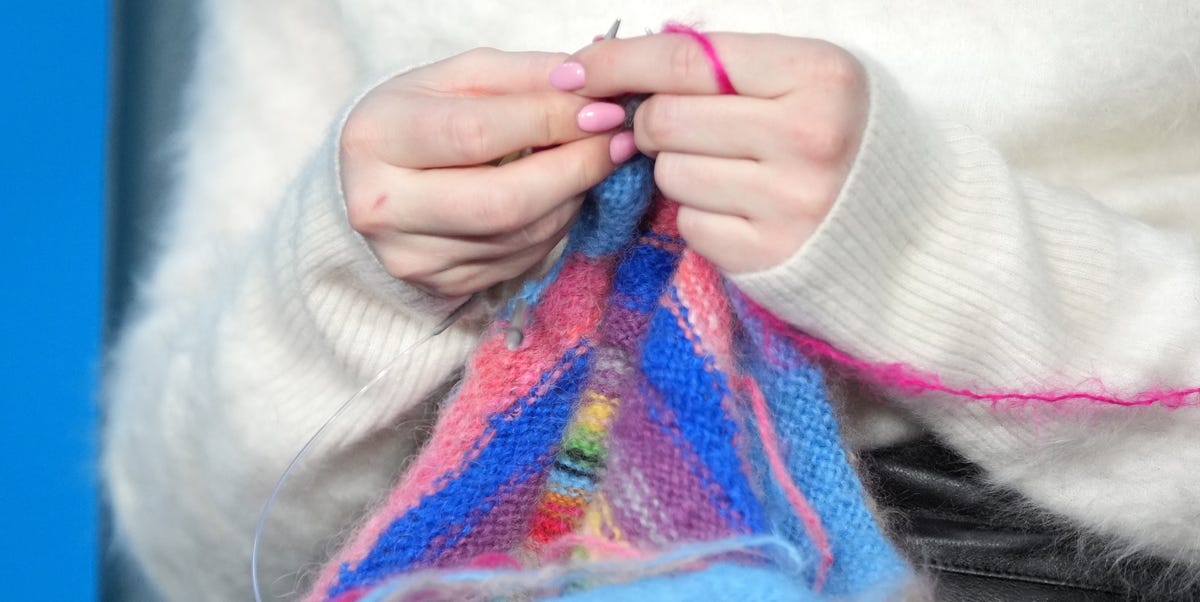
Fiber crafts have made a serious comeback, and for good reason. A pair of needles or a crochet hook, a basic skein of yarn, and one beginner project are enough to get started. Dishcloths, scarves, coasters, and granny squares are classic beginner wins because they are practical, forgiving, and much less emotionally intense than trying to knit a sweater on day two.
There is something wonderfully steadying about repetitive handwork. Stitch by stitch, row by row, you make visible progress. It slows your mind without making you feel idle, which is a rare little superpower. Also, yarn hobbies are one of the few socially acceptable ways to spend an evening saying, “Do not talk to me right now, I am counting.”
6. Sewing and Mending
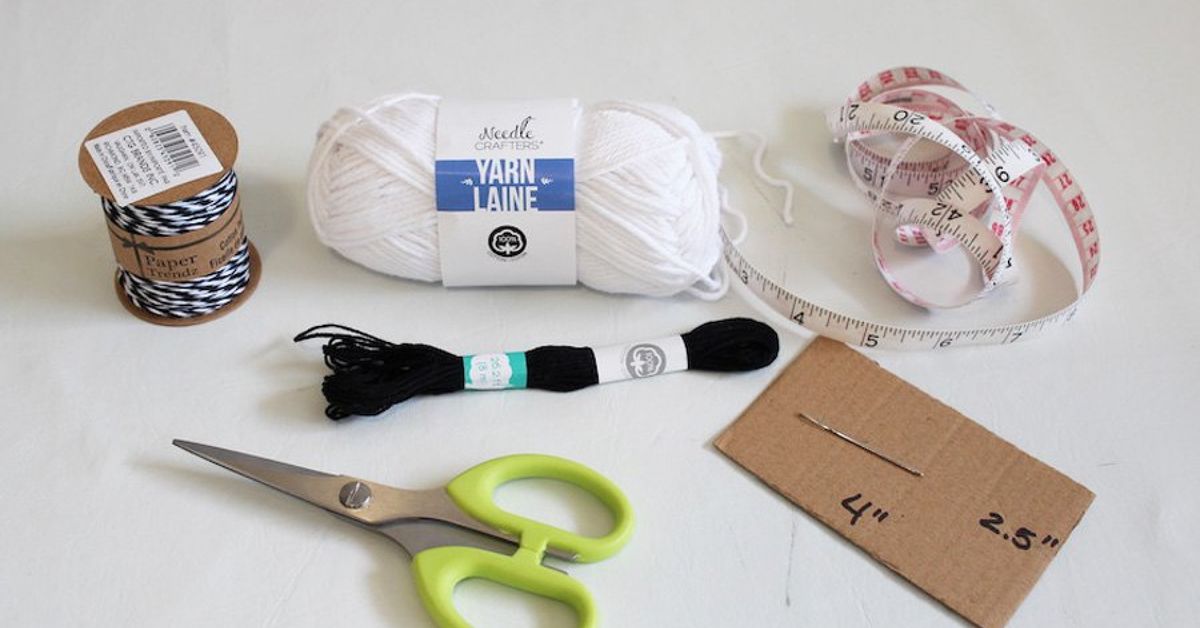
Sewing does not have to begin with dramatic couture ambitions. In fact, it should not. Start with old-fashioned mending: sewing on a button, fixing a hem, patching jeans, or reinforcing a seam before a favorite shirt stages a public betrayal. A small basic kit with needles, thread, scissors, pins, and a measuring tape can go a surprisingly long way.
This is one of the cheapest hobbies because it saves money while teaching you something useful. Instead of tossing clothes at the first sign of wear, you give them a second life. Over time, you may want to try simple tote bags, pillow covers, aprons, or alterations from thrifted fabric. Suddenly, “I can fix that” becomes part of your personality, and honestly, that is a good look.
7. Baking Bread and Simple Homemade Treats
Bread baking has old-fashioned charm written all over it. Flour, yeast, water, salt, and patience can turn into something warm, fragrant, and far more impressive than its ingredient list suggests. Quick breads, biscuits, muffins, and basic loaves are especially beginner-friendly because they do not require fancy tools or ingredients that sound like they belong in a chemistry lab.
Baking is practical, creative, and deeply satisfying. It also makes your kitchen smell like you have your life together, even if the rest of the house looks like a laundry hamper exploded. Start with one reliable recipe and repeat it a few times. Familiarity is what transforms baking from an occasional project into a comforting, low-cost hobby.
8. Jigsaw Puzzles and Tabletop Games
Before doomscrolling, there was the coffee table puzzle. Before online rage-quitting, there were card games, dominoes, checkers, and chess at the kitchen table. These hobbies are inexpensive, easy to share, and ideal for people who want something engaging without needing a room full of gear.
Secondhand shops, library sales, and family closets are excellent places to find puzzles and games. Better still, they turn downtime into actual together time. You talk, laugh, argue over missing pieces, and accuse your uncle of making illegal checker moves with complete sincerity. It is cheaper than most nights out and usually more memorable.
9. Sketching and Simple Drawing
Sketching is one of the most affordable creative hobbies because a pencil and paper are enough to begin. You do not need talent with a capital T. You need curiosity and the willingness to draw badly for a while, which is how everyone starts. Cups, leaves, shoes, birds, buildings, and your own hand are all perfectly respectable subjects.
The old-fashioned appeal here is observation. Drawing teaches you to slow down and really look at things. The curve of a mug handle, the veins of a leaf, the awkward dignity of a sleeping cat stretched across the couch; all of it becomes more interesting when you try to sketch it. It is less about making gallery art and more about training attention.
10. Stamp Collecting
Stamp collecting sounds quaint, and that is exactly part of its charm. It is a hobby with history, but it can still be started cheaply. You can begin with envelopes you already receive, inherited albums, low-cost packets, or a small focus area like birds, presidents, flowers, trains, or famous landmarks. The point is not to become a rare-stamp tycoon. The point is to enjoy the hunt and learn along the way.
Stamps turn tiny scraps of paper into little windows on art, geography, history, and culture. It is a hobby for detail lovers, patient organizers, and anyone who has ever thought, “I would like a pastime that makes me look mildly scholarly.” Mission accomplished.
11. Scrapbooking, Memory Keeping, and Photo Albums
You do not need expensive craft-store hauls to preserve memories. Old-fashioned scrapbooking can be as simple as printing a few photos, adding ticket stubs, writing captions, and arranging everything in an album or notebook. This hobby works especially well for families, travelers, grandparents, or anyone who wants memories to live somewhere more substantial than a cloud folder named “misc.”
Memory keeping slows your life down just enough to notice it. A simple page about a road trip, a holiday dinner, or a regular Tuesday can become more meaningful than a thousand photos you never revisit. Budget-friendly materials are easy to find, and the emotional return on investment is unusually high.
How to Choose the Right Cheap Hobby
The best hobby is not the one that looks impressive online. It is the one you will actually do on an ordinary Wednesday. Start by asking a few simple questions: Do you want to make something, learn something, collect something, or notice something? Do you want quiet solo time, a social activity, or a hobby that fits into tiny pockets of your day?
Then start embarrassingly small. Borrow before you buy. Use the library. Check thrift stores. Ask relatives if they have supplies collecting dust in a closet. Many old-fashioned hobbies become expensive only when people sprint directly toward the deluxe version. You do not need deluxe. You need enjoyable.
The Real Appeal of Traditional Hobbies
Cheap old-fashioned hobbies are not really about nostalgia alone. They are about rhythm, usefulness, and attention. They remind us that pleasure does not have to be optimized, monetized, streamed, or turned into a side hustle by Friday. Sometimes a hobby can just be a hobby, and that is more than enough.
So read the book. Knit the lopsided scarf. Grow the basil. Write the letter. Patch the jeans. Watch the birds. Bake the bread. Collect the stamps. Your budget may sigh with relief, your brain may calm down a little, and your free time might finally start feeling like it belongs to you again.
Experiences That Make These Old-Fashioned Hobbies Worth Trying
One of the best things about these inexpensive hobbies is how quietly they improve ordinary days. Reading physical books, for example, changes the mood of a room in a way a glowing screen never quite does. A paperback on the couch feels inviting. A stack of library books on the table feels hopeful. Even ten peaceful minutes with a book can make the day feel less rushed and less fragmented. It is a small experience, but a powerful one.
Journaling has a similar effect. There is something grounding about putting thoughts on paper and seeing a messy day become a neat page. A journal does not solve every problem, but it can make your own thoughts easier to hear. Handwritten letters create another kind of experience altogether. Writing one slows you down. Receiving one feels surprisingly personal. In a world of instant replies, a stamped envelope still feels special.
Gardening offers a totally different reward. It teaches patience in the most practical way possible. You plant something tiny, care for it without much fanfare, and then one day there is a sprout, a flower, or a tomato that did not exist before. That experience of helping something grow can be deeply satisfying, especially when so much modern life feels abstract. Even a pot of mint on a windowsill can make home feel more alive.
Birdwatching adds a little wonder to places you thought you already knew. A walk around the block becomes more interesting when you notice cardinals, doves, finches, or hawks instead of just traffic and sidewalks. It makes the familiar feel fresh. Knitting, crocheting, and sewing create a different kind of satisfaction: the pleasure of useful work. A scarf, a patched pocket, or a repaired hem may seem small, but finishing one creates real pride. You made something. Better yet, you can use it.
Baking brings instant sensory rewards. The smell of bread in the oven, the sound of a crust cooling, and the simple act of sharing something homemade can make a house feel warmer. Puzzles and tabletop games create another kind of joy: slow entertainment that invites conversation, patience, and a little harmless competitiveness. Even when the puzzle is difficult or the game turns dramatic, the experience often becomes the memory people laugh about later.
Sketching, stamp collecting, and scrapbooking are quieter, but they are just as rich. Sketching teaches you to notice details you would normally miss. Stamp collecting turns curiosity into a hunt. Scrapbooking gives scattered memories a home. None of these hobbies need to be expensive to feel meaningful. Their value comes from attention, not extravagance. That may be the biggest lesson of all: old-fashioned hobbies do not ask for much money, but they often give back time, calm, skill, and pleasure in return.