
Few topics in classical music start an argument faster than asking, “So… is Mozart actually the greatest composer of all time?”
Suddenly everyone has a ranking, a hot take, and at least three favorite recordings. In this article, we’ll dive into how
Wolfgang Amadeus Mozart is ranked by critics, polls, and fans, why his music still dominates “best of” lists, and where
the dissenting voices come in. Think of this as a friendly guide through the chaos of Mozart rankings and opinions.
Where Does Mozart Rank Among The Greats?
Composer rankings and “GOAT charts”
When classical radio stations, magazines, or critics publish “greatest composers of all time” lists, Mozart almost never
misses the top five. In some lists, he even beats out giants like Beethoven and Bach; in others, he stays just behind them
but still securely in “GOAT territory.” For example, one influential ranking from a major classical radio outlet placed
Mozart alongside Haydn, Beethoven, and Schubert as part of a “core four” that defined the Classical and early Romantic
eras, noting his central role in shaping symphonic, operatic, and chamber music traditions. Meanwhile, listener-voted polls
often show Mozart with a huge number of entries in “Hall of Fame” style charts, confirming that his popularity isn’t just
an academic thingit’s alive in everyday listening habits.
These rankings matter because they show consensus across different groups: critics, performers, and the general audience.
You might not care which composer lands in slot number two versus slot number three, but when the same names keep showing
up at the topMozart among themthat tells you something about how durable his reputation is.
Why critics and musicians put him so high
So what earns Mozart his spot in the “all-time greats” rankings? First, the sheer volume and variety of his work. Mozart
wrote more than 600 compositions: symphonies, piano concertos, violin concertos, operas, chamber music, choral works, and
solo pieces. He didn’t just dabblehe excelled in every major genre of his time. Scholars often praise the “melodic beauty,
formal elegance, and richness of harmony and texture” in his music, a fancy way of saying that his pieces are catchy,
structurally brilliant, and harmonically satisfying all at once.
Second, his consistency is mind-bending. Many composers have a handful of masterpieces surrounded by a lot of “perfectly fine”
works. With Mozart, the percentage of music that’s at least very goodoften greatis unusually high, especially considering
he died at 35. The fact that he maintained such quality while writing at high speed (and occasionally under serious financial
pressure) just adds to the legend.
Ranking Mozart’s Own Works: Symphonies, Operas, Concertos
Top symphonies that dominate the lists
When fans and writers try to rank Mozart’s symphonies, a few usual suspects rise to the top:
- Symphony No. 40 in G minor, K. 550 – The dark, restless one with the famous opening that sounds like a storm pacing back and forth.
- Symphony No. 41 in C major, “Jupiter,” K. 551 – The grand finale of his symphonic output, often ranked as his greatest symphony and one of the greatest symphonies ever written.
- Symphony No. 39 in E-flat major, K. 543 – Sometimes overshadowed by 40 and 41, but many critics adore its warmth and noble character.
Lists of “Top 10 Mozart Symphonies” almost always put “Jupiter” and the G minor No. 40 near the top, thanks to their
memorable themes and staggering compositional craft. Even general “best Mozart pieces” lists tend to include at least one
of these symphonies alongside his concertos and operas.
Operas that rule the opera rankings
Mozart’s operas are probably the biggest reason he still feels so modern. Different guides and blogs arrange them in slightly
different orders, but the same titles keep popping up:
- The Marriage of Figaro – A social comedy with razor-sharp wit and endlessly inventive music.
- Don Giovanni – Viewed by many as his greatest opera: part dark comedy, part moral drama, finished with a trip to hell.
- The Magic Flute – A fairy-tale singspiel full of symbolism, goofy humor, and spiritually serious moments.
- Così fan tutte – A relationship experiment disguised as a light comedy, with some of Mozart’s finest ensemble writing.
Travel and opera guides that rank Mozart’s stage works often place Don Giovanni and Figaro at the very top,
with The Magic Flute close behind. These operas combine memorable arias, rich ensembles, and deep characterizationso
much so that directors still reinterpret them for modern audiences without the stories feeling dusty.
Concertos and fan polls: the pieces listeners fight over
Then come the concertos, a whole separate universe of rankings and opinions. Among piano concertos, the D minor Piano Concerto
No. 20, K. 466, often lands near the top in fan polls. Listeners love its stormy drama and haunting slow movement. The C major
Piano Concerto No. 21, K. 467 (yes, the one nicknamed “Elvira Madigan” thanks to a movie), also shows up constantly in “best of”
lists for its lyrical, luminous middle movement.
For violin fans, the five early violin concertos are beloved, but many critics single out the Sinfonia concertante for
violin and viola in E-flat major, K. 364, as Mozart’s true string-concerto masterpiece. It blends symphonic breadth with
intimate chamber-like dialogue between the soloists, and it frequently tops “best Mozart concertos” rankings.
Opinions: Genius, Overrated, Or Just Right?
The “Mozart is the greatest” camp
If you wander into any classical-music discussion forum, you’ll quickly find people who consider Mozart the ultimate benchmark.
Common arguments from this camp include:
- He perfected Classical formsonata, symphony, concerto, operaso thoroughly that later composers either followed his blueprint or reacted against it.
- His music sounds simple on the surface but reveals deep complexity the more you study it.
- He combined emotional range with clarity better than almost anyone: tragic, playful, sacred, and sarcastic, often within the same piece.
Fans sometimes half-joke that Mozart is the “default greatest composer” because “tradition says so,” but even the jokes point to a real truth:
his music has become the standard by which other Classical-era composers are measured.
The skeptics and contrarians
Of course, not everyone is on Team Mozart Supremacy. Some listeners argue that he’s overplayed and that other composersHaydn, Schubert, Mahler,
or more modern figuresdeserve more spotlight. Online debates about “overrated composers” often include Mozart’s name, usually followed by long
threads of people defending him or gently suggesting that the skeptics listen beyond the most famous hits.
At the extreme end, a few fringe voices even question the mythology around Mozart’s genius, proposing elaborate conspiracy-style narratives
about how his image was constructed after his death. These views are far outside mainstream scholarship, but they show how symbolic he’s become:
Mozart is not just a composer, he’s a cultural icon people like to argue about.
So… is he overrated?
“Overrated” usually means “praised more than I personally enjoy,” and that’s a taste issue, not a crime scene. From a historical and technical
standpoint, it’s hard to call Mozart overrated when:
- He produced an unusually large and consistently high-quality body of work in a short life.
- His music is still performed constantly: symphonies, concertos, and especially operas are core repertoire worldwide.
- Composers and performers keep citing him as an influence or model.
You don’t have to like every piece, and you’re absolutely allowed to prefer Rachmaninoff, Mahler, or film scores. But if you look at technique,
impact, and longevity, Mozart’s high ranking in musical history is more than just hypeit’s supported by the evidence.
Mozart’s Influence On Modern Music And Pop Culture
Mozart doesn’t stay locked in dusty concert halls. His music appears in movies, TV shows, and commercials; pieces like
Eine kleine Nachtmusik and the Requiem have become shorthand for elegance, drama, or spiritual intensity.
Articles tracking his influence note how his melodies and dramatic timing fit perfectly with modern visual storytelling,
adding emotional weight to key scenes.
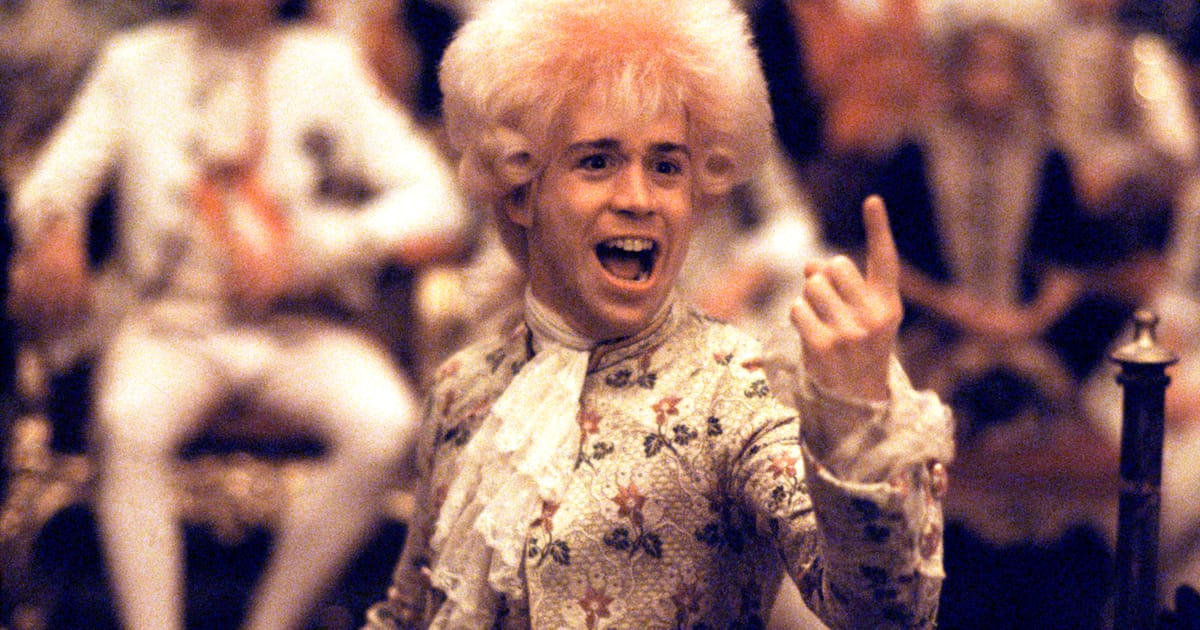
Beyond soundtracks, Mozart’s life story has inspired novels, plays, and films. The most famous is Amadeus, which, while
historically loose, cemented the image of Mozart as a mischievous genius with both a divine gift and very human flaws. That mix of
brilliance and vulnerability keeps him relatable, even centuries later.
Modern musicians also tip their hats to him. Rock legends like Freddie Mercury have cited Mozart as an influence, and you can hear
echoes of operatic drama and counterpoint in some Queen songs. Contemporary songwriters sometimes joke that a particular hook “could
have been written by Mozart,” pointing to his knack for unforgettable melodies. Documentaries have even highlighted how pop artists
grew up playing Mozart before pivoting to mainstream genres, proving that classical training still shapes modern music.
How To Build Your Own Mozart Ranking
You don’t need a musicology degree to have an opinion on Mozartjust a bit of guided listening. Here’s a simple way to build your own
rankings and decide where you stand:
Step 1: Start with the hits
- “Eine kleine Nachtmusik” – The ultimate “I’ve heard this before somewhere” piece.
- Piano Concerto No. 21 in C major, K. 467 – Listen especially to the dreamy slow movement.
- Symphony No. 40 in G minor, K. 550 – Iconic opening, compact drama.
- Requiem in D minor – Dark, powerful, and left unfinished at his death, which adds to its mystique.
Step 2: Dive into one opera
Pick one opera and commit to it. The Marriage of Figaro is a great starting point: it’s funny, socially sharp, and packed with
melodies. Watch a production with subtitles and pay attention to how the music reflects each character’s personality and changing emotions.
If you prefer something more mystical, try The Magic Flute.
Step 3: Make your own mini-ranking
After a few listening sessions, list your top 5 Mozart pieces. There’s no wrong answer. If your favorites are all concertos, that’s fine.
If you fall in love with the choral works, also fine. The point is that having your own ranking makes the bigger debates“Is Mozart the
greatest?”more meaningful. You’re not just repeating what the experts say; you’re bringing your ears into the conversation.
Experiences And Listening Impressions: Living With Mozart (≈)
Imagine this: you sit down after a long day, open your favorite music app, and type “Mozart” into the search bar. Thousands of results
appearsymphonies, sonatas, operas, concertos, serenades. It can feel overwhelming, but this is where the fun begins. The experience of
living with Mozart’s music over time is one of gradual discovery. At first, you might know only the famous themes from commercials or
movies. Then, as you listen more, you start to recognize his fingerprints: the way a melody turns unexpectedly, the playful little rhythmic
twists, or the sudden shift from sunshine to storm and back again.
Many listeners describe a similar journey. Early on, Mozart sounds “pretty” and “pleasant.” After a while, you notice how tightly constructed
everything is. The slow movement of a piano concerto that once felt like simple background music now seems to unfold like a conversation,
with the soloist and orchestra trading ideas. In a string quartet, a tiny pattern in the first violin suddenly shows up in the cello, then
in the viola, like a joke being passed around a dinner table. The more you notice, the more you respect the craft.
Another common experience is how flexible Mozart’s music is in everyday life. His lighter worksserenades, early symphonies, piano sonatasfit
nicely as background when you’re working, cooking, or commuting. They’re clear and rhythmic enough to keep you moving but not so intense that
they demand your full emotional focus. Then, when you’re ready for something deeper, you can switch to the Requiem, a late symphony,
or an opera finale and let the drama wash over you.
Rankings become personal here. You might rank the Clarinet Concerto as your number one “late night” piece because its gentle, floating
lines make you feel calm. Someone else might put the Don Giovanni finale at the top because the showdown between the libertine and
the Stone Guest never fails to raise goosebumps. Another listener might swear that the Jupiter Symphony is the perfect “focus music”
for big projects, thanks to its energetic but organized flow.
Over time, your own Mozart rankings can change as your life changes. Pieces that once felt too light might suddenly feel perfect in a happier
season; intense works that felt overwhelming might become your companions during tougher times. That’s one reason opinions about Mozart remain
so passionate: his music is flexible enough to meet you where you are. Whether you ultimately rank him as “the greatest ever” or just “one of
the greats,” the real value is in the experience of listening, re-listening, and letting his music weave into your daily routines.
Conclusion: Why Mozart Still Dominates The Rankings
In the end, Wolfgang Amadeus Mozart sits near the top of composer rankings for a mix of solid reasons: technical mastery, emotional depth,
stylistic versatility, and an almost suspicious level of consistency. His works keep showing up on “best of” lists, in modern polls, and in
streaming playlists, not because of inertia, but because audiences still respond to them. At the same time, the debatesIs he overrated? Is he
the GOAT?show that his music is very much alive. People don’t argue this much about things they don’t care about.
So use the rankings as a guide, listen widely, and then trust your own ears. Whether you end up worshipping at the altar of Mozart or just
visiting occasionally, your opinions are part of the ongoing story of how we hear and value his music today.