
“I feel weird” is one of the most honest health sentences in the English language. It’s also one of the most frustratingbecause “weird” can mean
anything from slightly off to please reboot my body.
The good news: feeling weird is often your body’s not-so-subtle way of asking for something basic (sleep, food, water, a break from your third coffee).
The other news: sometimes it’s a sign you should get checked outespecially if the feeling is sudden, severe, or comes with certain red-flag symptoms.
This guide walks through common (and not-so-common) reasons you might feel “off,” plus practical ways to feel bettertoday and long-termwithout
turning your browser history into a medical drama series.
First: What Does “Weird” Feel Like for You?
Before you can troubleshoot, define the “weird.” Try finishing this sentence: “I feel weird like…”
- Lightheaded (like you might faint, especially when standing up)
- Dizzy/vertigo (the room spins, you sway, your balance feels glitchy)
- Foggy (brain fog, slower thinking, trouble focusing)
- Jittery (shaky, wired, heart racing)
- Detached (things feel unreal or you feel “not in your body”)
- Nauseated (queasy, appetite off, stomach doing cartwheels)
- Heavy (fatigue, weak limbs, “I’m made of wet laundry”)
- Flu-ish (achy, chills, warm, headache)
You might have more than one feeling at once. That combo can be a cluelike “lightheaded + thirsty + headache” screaming dehydration, or
“shaky + hungry + irritable” pointing to low blood sugar.
Quick Safety Check: When “Weird” Needs Urgent Help
Most weird feelings are not emergencies. But get urgent medical care (or emergency help) if you have new, severe, or sudden symptomsespecially if you also have:
- Chest pain, fainting, severe shortness of breath, or trouble breathing
- New weakness, numbness, trouble speaking, severe confusion, or vision changes
- A severe headache that’s different from your usual
- High fever with a stiff neck, or you feel dangerously ill
- Signs of severe dehydration or heat illness (very dizzy, confused, not peeing much, overheated)
- Symptoms after a head injury
- An allergic reaction (swelling of lips/face, hives, wheezing)
If you’re not sure, it’s always okay to play it safe. “I don’t feel right” is a valid reason to seek care.
The Most Common (and Usually Fixable) Causes of Feeling Weird
1) You’re Running on Low Sleep (or Weird Sleep)
Sleep deprivation doesn’t always show up as yawning. Sometimes it looks like brain fog, clumsiness, dizziness, nausea, irritability, or feeling emotionally
“thin-skinned.” If your sleep schedule is inconsistentlate nights, early alarms, weekend sleep marathonsyour body can feel like it’s stuck in a time zone
you never visited.
Example: You sleep 4–5 hours for a few nights, then try to “catch up” with a 12-hour weekend sleep. Monday arrives and you feel fuzzy,
slightly nauseated, and oddly anxious. That’s your circadian rhythm filing a complaint.
2) Dehydration (Yes, AgainBecause It’s That Common)
Mild dehydration can make you feel dizzy, tired, headachy, and generally “off.” It can happen from sweating, hot weather, exercise, vomiting/diarrhea,
fever, or simply forgetting to drink enough water. If you’re thirsty, you’re often already behind.
Clues: Darker urine, dry mouth, headache, fatigue, dizzinessespecially after heat or activity.
3) You Need FoodOr You Need Different Food
Skipping meals (or living on sugar + caffeine) can trigger shakiness, weakness, dizziness, nausea, and irritability. Low blood sugar can happen even if you
don’t have diabetesespecially if you went too long without eating, exercised hard, or had a high-sugar meal that led to a blood sugar “crash.”
Example: You grab a sweet coffee for breakfast, feel amazing for 45 minutes, then crash into a shaky, foggy, “why do I feel weird?” zone.
That can be your body begging for protein + fiber, not dessert masquerading as a beverage.
4) Caffeine (or Energy Drinks) Are Making You Feel Like a Hummingbird
Caffeine can cause jitters, anxiety, stomach upset, and sleep disruptionespecially in higher doses or if you’re sensitive. Energy drinks can be a double
whammy: lots of caffeine plus sugar and other stimulants. Even if you feel “fine” after caffeine, your body may disagree later with a racing heart,
lightheadedness, or that panicky “something’s wrong” feeling.
Clues: Weird starts after coffee/energy drinks, worse with stress, and improves when you hydrate and eat.
5) Heat, Humidity, and Overexertion
Heat illness can begin with headache, nausea, dizziness, weakness, thirst, heavy sweating, and irritability. You don’t have to be doing extreme sportswalking
around in hot weather or working outdoors can be enough, especially if you’re underhydrated.
Example: You run errands in high heat, then suddenly feel woozy and nauseated in aisle five. Your body might be overheating and low on fluids
(and possibly electrolytes).
6) Standing Up Too Fast (Or Not Moving Much)
If you feel lightheaded when standing, your blood pressure may drop briefly (orthostatic hypotension). Mild dehydration, low blood sugar, overheating, and some
medications can make this more likely. Sitting for long stretches can also contributeyour circulation gets a little too comfortable doing nothing.
Quick test: Does the weird feeling hit right when you stand up and ease after you sit back down? That pattern matters.
7) Medications (or Supplement Changes)
Many medications can cause dizziness, nausea, fatigue, or “spinning” sensations. This includes some blood pressure medicines, allergy medicines, sleep aids,
antidepressants, and others. Suddenly stopping certain medications can also cause unpleasant symptoms like dizziness and brain fog.
Rule of thumb: If the weirdness started after a new medication, dose change, or missed doses, call a pharmacist or clinician for guidance.
Don’t stop prescription meds abruptly unless a healthcare professional tells you to.
Not-So-Obvious Causes (Still Common, Still Real)
8) Inner Ear Issues and Vertigo
Your inner ear helps control balance. When it’s irritated (for example, after an infection or due to certain conditions), you can feel spinning, swaying,
or nauseated. Vertigo often feels different from lightheadedness: it’s more “the room is moving” than “I might faint.”
9) MigraineEven Without a Headache
Migraine isn’t just “a bad headache.” Some people get migraine symptoms like dizziness, vertigo, light sensitivity, sound sensitivity, nausea, ear pressure,
or brain fogwith little or no head pain. Vestibular migraine is one example where balance symptoms can lead the show.
Clue: Episodes come and go, and are triggered by stress, poor sleep, certain foods, dehydration, bright lights, or hormonal shifts.
10) Anxiety, Stress, and Panic Symptoms
Your nervous system can create very physical sensations when it thinks you’re in danger (even if the “danger” is a meeting invite or an overdue assignment).
Stress can cause dizziness, nausea, a racing heart, trembling, chest tightness, and a feeling of being “unreal” or detached. Panic symptoms can be intense,
but they typically peak and then ease.
Key idea: These sensations are real. They’re not “in your head” in a dismissive waythey’re in your body, driven by adrenaline and breathing
patterns.
11) Depersonalization/Derealization (Feeling Detached or Unreal)
Some people describe weirdness as “I feel like I’m watching myself,” or “the world feels dreamlike.” This can happen with anxiety, intense stress, trauma,
or sleep deprivation. It’s unsettling, but it can be manageableespecially with grounding skills and professional support if it’s frequent or distressing.
12) Viral Illness, Post-Viral Fatigue, or “I’m Coming Down With Something”
Early infections can feel like vague weirdness before obvious symptoms show up. Fatigue, headache, mild dizziness, and brain fog can be part of the package.
Afterward, some people feel “off” for days or weeksespecially if they return to full speed too quickly.
13) Allergies and Sinus Stuff
Allergies can cause fatigue, head pressure, lightheadedness, and brain fog. Congestion can also affect inner-ear pressure, making you feel slightly dizzy or
off-balance.
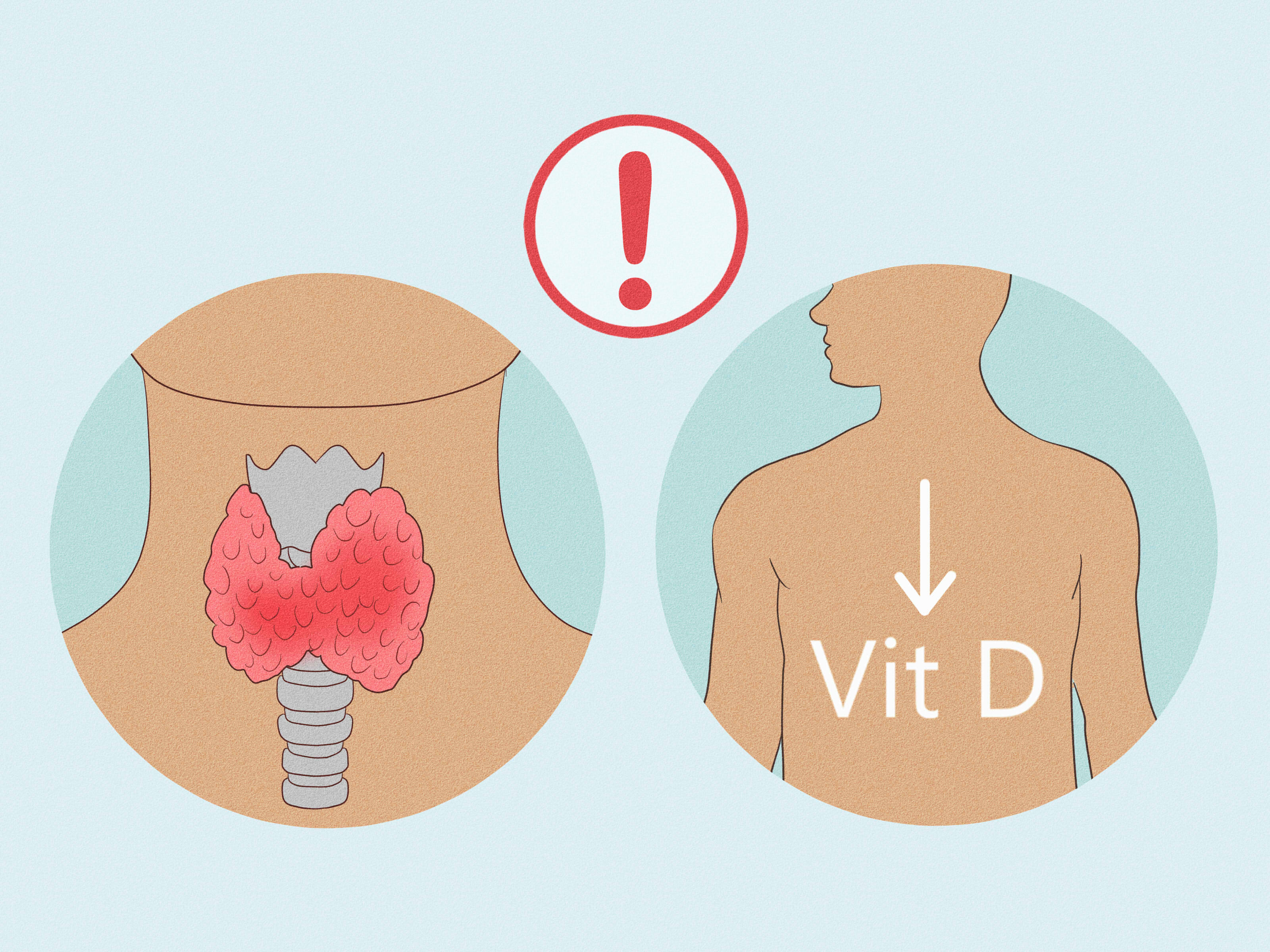
14) Nutrient Issues (Iron, B12, Vitamin D) and Anemia
Low iron (with or without anemia) can cause fatigue, weakness, lightheadedness, and trouble concentrating. Vitamin B12 is important for nerves and red blood
cells, and deficiency can cause fatigue and neurological symptoms. Low vitamin D is common and can contribute to muscle weakness and low mood in some people.
Reality check: These are hard to diagnose by vibes alone. A clinician can confirm with blood tests rather than guesswork.
15) Thyroid Changes
An underactive thyroid (hypothyroidism) can cause fatigue, feeling cold, constipation, low mood, and forgetfulness/brain fog. An overactive thyroid can cause
jitteriness, rapid heartbeat, and sleep issues. If your “weird” includes persistent energy changes, temperature intolerance, or unexplained weight changes,
it’s worth discussing with a healthcare professional.
16) Hormonal Shifts
Hormones influence energy, mood, sleep, and even dizziness (through hydration and blood pressure effects). Puberty, menstrual cycles, pregnancy, postpartum
changes, and perimenopause can all make “weird” show up in new ways. Tracking timing can reveal patterns you’d otherwise miss.
Ways to Feel Better Today (Without Overhauling Your Whole Life)
If you feel weird right now, try this “basic reboot” sequence. It’s simple because bodies are often simpleeven when they’re being dramatic.
Step 1: HydrateBut Do It Smart
- Drink water slowly over 15–30 minutes.
- If you’ve been sweating a lot, consider fluids with electrolytes (or a salty snack + water).
- Avoid chugging a huge amount all at once if you feel nauseated.
Step 2: Eat a Stabilizing Snack
Aim for protein + fiber, not just sugar. Examples: peanut butter on toast, yogurt with nuts, cheese and crackers, eggs, a turkey sandwich,
or hummus with something crunchy. If nausea is part of the weirdness, try smaller bites and bland options.
Step 3: Slow Your Position Changes
If standing makes you dizzy: sit, breathe, and stand up slowly. Try flexing your calves before standing, and don’t lock your knees. It’s not glamorous, but
it works.
Step 4: Regulate Your Breathing
Stress can make you breathe faster and shallower, which can worsen dizziness and tingling. Try:
- Inhale through your nose for 4 seconds
- Exhale slowly for 6 seconds
- Repeat for 2–5 minutes
Step 5: Ground Yourself (Especially if You Feel Detached)
Try the 5-4-3-2-1 method:
- 5 things you can see
- 4 things you can feel
- 3 things you can hear
- 2 things you can smell
- 1 thing you can taste
This helps your brain switch from “danger scanning” back to “present reality mode.”
Step 6: Choose the Right Kind of Movement
If you’re mildly foggy or anxious, a short walk or gentle stretching can help. If you’re dizzy or feel like you might faint, prioritize sitting/lying down
and hydration first.
Step 7: Check the Usual Suspects
- Did you have more caffeine than usual?
- Did you sleep less than usual?
- Did you skip a meal?
- Are you overheated?
- Did you start/stop/change a medication or supplement?
Build a “Less Weird” Lifestyle (So This Happens Less Often)
You don’t need a perfect wellness routine. You need a repeatable routine. Here are the highest-impact habits:
Keep Sleep Predictable
Aim for consistent wake times most days. If you need to catch up, do it with an earlier bedtime or a short naprather than swinging wildly between “owl”
and “monk.”
Front-Load Hydration
Many people wait until afternoon to start drinking water. Try having a glass in the morning and another with lunch, especially if you live in a hot climate
or exercise.
Eat Like You Want Stable Energy
Balanced meals (protein + fiber + healthy fats) reduce blood sugar rollercoasters. If you tend to forget meals, set a reminderbecause your body will
definitely remind you, just more rudely.
Time Caffeine Like a Grown-Up (Even If You’re Not Feeling Grown-Up)
If caffeine worsens anxiety or sleep, reduce the dose and avoid it late in the day. A common strategy: one caffeinated drink in the morning, then switch to
water or decaf. If you’re sensitive, even “just one” can be plenty.
Stress-Management That Isn’t Fake-Relaxing
Not everyone wants to meditate on a mountaintop. Practical options: a walk without your phone, a few minutes of slow breathing, journaling a “brain dump,”
therapy/coaching, or consistent exercise you don’t hate.
When to Talk to a Clinician (and How to Make the Visit Useful)
Consider making an appointment if your weird feeling:
- Happens repeatedly or is getting worse
- Interferes with school, work, sleep, or daily life
- Comes with fainting, persistent dizziness, or significant weakness
- Started after a new medication, supplement, or dose change
- Includes ongoing fatigue, brain fog, or mood changes that don’t improve with basics
Bring data: When did it start? What were you doing? What did you eat/drink? Any caffeine? Any new stress? How long did it last? Any other
symptoms? Patterns help clinicians narrow causes faster than “it’s just… weird.”
Experiences People Commonly Share (And What Helped) Extra Detail
People often expect “feeling weird” to have one dramatic cause. In real life, it’s frequently a pile-up of small things that land on the same daylike
sleep loss, stress, and a breakfast that was technically “air.”
Scenario 1: The Skipped-Lunch Spiral. Someone powers through a busy day on coffee and determination, then stands up in the afternoon and
suddenly feels shaky, lightheaded, and oddly irritable. Their thoughts get fuzzy, and they start worrying something serious is happening. They eat a snack
with protein (like yogurt and nuts), drink water, and within 20 minutes the world stops feeling like a low-budget video game. The takeaway: the brain is
fueled by glucose, and it complains loudly when the supply chain breaks.
Scenario 2: The “I Stood Up and My Soul Left My Body” Moment. After hours of sitting (gaming, studying, scrollingpick your favorite),
someone stands up fast and gets a wave of lightheadedness and blurry focus. They sit back down, breathe slowly, and stand up gradually the next time. Adding
more fluids during the day and not skipping meals reduces how often it happens. The takeaway: quick position changes + mild dehydration can create a brief
blood-pressure dip that feels scary but is often fixable.
Scenario 3: The Third Coffee Betrayal. Someone drinks an extra-large coffee (or an energy drink) during a stressful week. An hour later, they
feel jittery, their heart is racing, and their stomach is doing interpretive dance. Because the sensations feel intense, their mind jumps to worst-case
explanations. They cut caffeine back the next day, eat a real breakfast, and notice the “weird” fades. The takeaway: caffeine can mimic anxiety symptoms,
and anxiety can amplify caffeine symptoms. It’s like two friends who shouldn’t sit together at lunch.
Scenario 4: The “Is This Real?” Feeling After Stress. Some people describe derealizationfeeling like the world is dreamlikeafter prolonged
stress, lack of sleep, or a panic episode. It can be deeply unsettling, even if there’s no danger. What helps in the moment is grounding: naming objects in
the room, feeling feet on the floor, using cold water on hands, and slowing the breath. Longer-term, therapy and stress management can reduce frequency. The
takeaway: your nervous system can “disconnect” when overloaded; grounding skills help bring you back online.
Scenario 5: The Dizzy Days That Weren’t “Just Anxiety.” Someone has episodes of dizziness and nausea that come and gosometimes with light
sensitivity or ear pressurebut not always with a headache. They assume it’s stress. After tracking symptoms, they notice triggers like poor sleep,
dehydration, and bright environments. A clinician considers migraine-related dizziness and suggests a plan (sleep consistency, hydration, trigger management,
and targeted treatment). The takeaway: migraine can be more than head pain, and patterns matter.
Scenario 6: The Medication Timing Clue. Someone starts a new prescription or changes a dose and feels offdizzy, tired, slightly nauseated.
Instead of guessing, they call a pharmacist, review timing (with food vs. empty stomach), and check for interactions with supplements or other meds. Adjusting
timing (with clinician approval) improves symptoms. The takeaway: medication side effects are common, and simple adjustments can helpbut always loop in a
professional.
Across these experiences, the most useful pattern is this: “Weird” is often information. Your body is handing you clues about sleep, fuel,
hydration, stress load, heat exposure, or a medical issue worth checking. Treat it like a messagethen respond with the simplest fix first, and escalate to
medical care when the pattern, severity, or red flags demand it.
Conclusion
Feeling weird can be annoying, scary, andlet’s be honestrude. But it’s also common. Start with the basics: water, food, sleep, slower breathing, and a
quick scan of triggers like caffeine, heat, and medication changes. If symptoms persist, repeat often, or come with red flags, get medical guidance. The
goal isn’t to become your own doctor; it’s to become a better listener to your body’s signals.