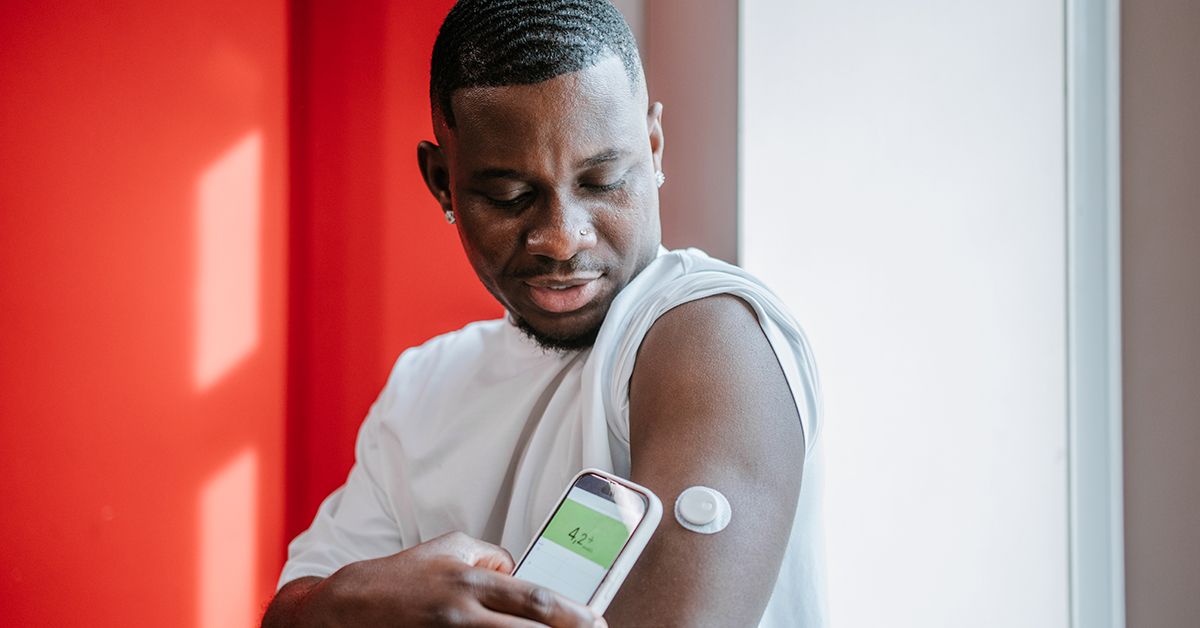

Continuous glucose monitors (CGMs) are amazing. They’re also, for a lot of people, wildly expensive. And nothing says “modern healthcare” like a device that can text your phone… but also might require a second job to pay for it.
If you can’t afford a CGM right now, you’re not aloneand you’re not out of options. This guide walks through practical, evidence-based ways to monitor glucose, reduce costs, and still make smart diabetes decisions (with a little humor, because sometimes laughter is cheaper than sensors).
Why CGMs Feel Like a Game-Changer (and Why Cost Hits So Hard)
CGMs track glucose trends throughout the day and night, which can help people spot patterns, reduce surprises, and respond faster to highs and lows. Many systems also provide alertsespecially helpful if you’re worried about hypoglycemia or you don’t always feel lows coming on.
But the total price can stack up: sensors, transmitters (for some models), receiver (if needed), adhesives/patches, and replacement supplies. Even with insurance, copays, deductibles, and prior authorization rules can make CGM access feel like trying to solve a puzzle with missing pieces.
First, Do a Quick “Reality Check” on Coverage (Because Sometimes You’re Closer Than You Think)
Before you assume “no CGM for me,” it’s worth doing a fast coverage audit. People often get denied the first time due to paperworknot because they truly don’t qualify.
Check these three things
- Insurance formulary placement: Some plans cover CGMs under pharmacy benefits; others treat them like durable medical equipment (DME). The price can differ a lot depending on the route.
- Prior authorization requirements: Many plans require documentation like insulin use, episodes of hypoglycemia, or clinician notes about medical necessity.
- Your timing: If you’re early in a new deductible year, out-of-pocket costs may be higher until the deductible is met.
If you have Medicare (or help someone who does)
Medicare coverage rules have expanded in recent years. In general, Medicare may cover a therapeutic CGM if a clinician prescribes it and you meet eligibility requirementscommonly including insulin use or a history of problematic hypoglycemia, plus documented training and follow-up expectations.
Tip: If you were denied in the past, it may be worth re-checking eligibility now. Coverage criteria and documentation practices evolve, and many denials are “fixable” with better chart notes.
What to Do If a CGM Is Still Out of Reach
If CGM isn’t financially possible today, your goal becomes: get the most useful data you can at the lowest cost, and use it consistently enough to drive decisions.
Option 1: Use a blood glucose meterbut do it “strategically,” not randomly
Fingerstick monitoring can still be highly effective, especially when it’s structured. Random checks can feel like fortune cookies (“You will experience a number today”), but structured checks turn readings into a pattern you can act on.
Try one of these low-cost, high-value approaches:
- Paired testing: Check before a meal and again 1–2 hours after. This helps you see how that meal affects you.
- Problem-solving checks: Test when you feel “off,” before driving, before workouts, or when changing medication doses.
- Rotating schedule: If strips are limited, rotate focus daysfasting checks one week, post-meal checks the next, bedtime checks another week.
- The “mini profile” day: Once a week (or twice a month), do a fuller day: fasting, before meals, 2 hours after meals, bedtime. It’s like a budget-friendly “data sprint.”
This kind of structured self-monitoring is often recommended because it helps connect glucose results to food, activity, stress, sleep, and medication timingwithout needing 24/7 sensor data.
Option 2: Lower the cost of meters and strips (yes, this matters)
In the real world, the cost of test strips can be the difference between “consistent monitoring” and “I’ll just guess.” If you’re paying cash, you can often reduce costs by:
- Comparing store-brand strips (many people use lower-cost retail options when insurance coverage is limited).
- Asking your clinician to prescribe strips even if you’re not on insulinsome plans cover them better with a prescription.
- Using community health resources like federally qualified health centers (FQHCs) and programs tied to discounted pharmacy pricing where available.
Safety note: Only use FDA-cleared meters and strips, and follow storage/expiration guidance. Accuracy mattersespecially if you’re making insulin or medication decisions.
Option 3: Ask about “professional CGM” (a short-term CGM you borrow)
Some clinics offer professional CGM, which is typically worn for a short period (often around 10–14 days). Sometimes it’s “blinded” (you don’t see real-time numbers) and the clinician reviews the data with you later; other times you can see readings during wear.
This can be a powerful compromise: you get a detailed snapshot to uncover patternsovernight lows, post-meal spikes, exercise effectswithout paying for year-round sensors. It’s also helpful when adjusting medications, changing routines, or troubleshooting stubborn A1C results.
Option 4: Lean on A1C and targeted labsthen fill in the daily picture
Your A1C reflects average blood sugar over roughly the past 2–3 months. It doesn’t show daily highs and lows, but it does give an overall “how things are going” signal.
When you pair A1C results with structured fingerstick checks (like fasting and post-meal readings), you can often identify which part of the day is driving your average upmorning numbers, post-dinner spikes, late-night snacks, or medication timing issues.
Important: A1C can be less reliable in certain situations (some blood disorders, recent blood loss, and other conditions can affect results). If your A1C doesn’t match your meter readings, ask your clinician about it.
How to Make “No CGM” Monitoring Actually Work Day-to-Day
Whether you’re using a meter, short-term professional CGM, or a mix, these habits help you get real value from the data:
1) Keep a “pattern journal” that takes 60 seconds
You don’t need a spreadsheet masterpiece. Track three quick items with each check:
- Number (glucose reading)
- Context (fasting? 2 hours after lunch? before a run?)
- One possible factor (new meal, stress, poor sleep, medication change)
Over time, patterns show upand patterns are where useful changes live.
2) Target the “high-impact moments”
If you can’t test often, test when it counts:
- Before driving if you’re at risk for lows
- Before and after exercise if activity affects your glucose
- When you change meds or doses
- When you’re sick (illness can raise glucose)
- When symptoms don’t match your expectations
3) Use food swaps like a scientist (not like a judge)
Instead of labeling foods “good” or “bad,” run small experiments:
- Swap sugary cereal for eggs and toast; compare post-breakfast results.
- Try adding fiber/protein to a carb-heavy meal; see if the spike softens.
- Move a 10–15 minute walk to after dinner; check the effect on bedtime glucose.
This approach is less about perfection and more about learning what your body does with your real life.
How to Reduce CGM Costs If You’re Determined to Get One Eventually
Even if CGM is unaffordable today, you may be able to bring the price down through a mix of discounts, paperwork fixes, and alternative payment routes.
Manufacturer savings programs and coupons
CGM manufacturers often offer savings options for eligible peopleespecially those paying cash or using commercial insurance. These programs change over time and typically have rules (for example, some exclude government insurance plans). Still, they can reduce the effective monthly cost significantly for some users.
Ask your clinician for documentation that matches payer criteria
Insurance decisions often come down to whether the chart clearly supports medical necessity. Helpful documentation may include:
- Insulin use (type, schedule, and reason)
- History of hypoglycemia, especially severe or recurrent events
- Hypoglycemia unawareness (if applicable)
- Need for improved glycemic control, documented patterns, and treatment adjustments
In other words: the paperwork should tell the story your glucose numbers are already living.
Try the pharmacy route (even if you were told “DME”)
Some plans price CGMs differently under pharmacy benefits versus DME. It’s not always obvious, and it’s not always fair, but it can be real. Ask the insurer: “Is this covered under pharmacy benefits, and what would the copay be?”
Use pre-tax accounts if you have them
If you have an HSA or FSA, eligible diabetes supplies may be payable with pre-tax dollars. It won’t make CGM “cheap,” but it can reduce the net hit.
If You’re Managing Type 1 Diabetes or Insulin-Treated Type 2: Safety Comes First
CGM can be especially helpful for people using insulin because it can reduce blind spotsespecially overnight. If you’re insulin-treated and can’t access CGM, talk with your clinician about a monitoring plan that protects you from lows.
Common safety moves include:
- More frequent checks during dose changes
- Bedtime testing (and sometimes overnight checks if you’re at risk)
- Clear hypoglycemia treatment plan (what number triggers action, and what to do)
- Glucagon prescription and education (for those at risk of severe lows)
What “Success” Looks Like Without a CGM
Here’s the secret: a CGM doesn’t manage diabetes. You do.
A CGM can make decisions easier and faster, but people managed diabetes well long before sensor graphs existed. If you can’t afford a CGM, a strong plan still includes:
- Reliable monitoring (meter + smart timing)
- Regular A1C checks and clinician follow-up
- Behavior experiments that fit your real schedule
- Cost strategies that protect consistency (because consistency beats intensity)
Think of it like this: CGM is a high-definition movie. A meter is a set of snapshots. You can still understand the plotyou just need to take the snapshots on purpose.
Experiences When You Can’t Afford a CGM (Real-World Moments That Don’t Show Up on a Receipt)
Below are composite experiences based on common situations people describe in diabetes care settings. Details are blended and generalized to protect privacyand because diabetes has a thousand versions of “normal.”
The “I’ll Just Use It for a Month” Strategy
One common experience is the burst of motivation when someone finally gets a CGM sample or a short discount window. They wear it for two weeks and feel like they’ve been handed the cheat codes to their own body. Breakfast cereal? Instant spike. Late-night “just a handful” of chips? Surprise mountain range. A walk after dinner? Glucose calms down like it just got a pep talk.
Then the trial endsand it’s emotionally whiplash. People often describe it as going from “driving with GPS” to “driving with a paper map in the rain.” But that short period can still be valuable. Many take what they learned and turn it into a meter plan: test fasting, then test 2 hours after the meals that used to spike on the CGM. The experience becomes a blueprint. They don’t have constant data anymore, but they keep the habits that mattered: protein at breakfast, earlier dinner, short walks, fewer “mystery snacks.”
The Strip-Rationing Dilemma
Another common story is the “strip rationing” problemespecially for people who pay cash. Testing becomes a budgeting decision. People describe skipping checks not because they don’t care, but because they’re trying to make supplies last until payday. That’s when structured testing can feel like a relief: instead of testing randomly (and burning through strips), they choose high-impact moments. For example: always test fasting, and rotate one post-meal test per day. Or test before driving and before bed, then add extra checks only when they feel low or are changing routines.
There’s also the emotional layer: guilt, frustration, and the feeling of being graded on numbers while also being charged for each number. A practical reframe that helps many people is treating tests as “information purchases.” If a test won’t change what you do next, maybe it’s not the best use of a limited strip. If it will guide a dose, a meal choice, or a safety decision, it’s worth it.
The Insurance Paperwork Marathon
People also describe the paperwork loop: the prescription gets sent, then comes the prior authorization, then a denial, then an appeal, then a request for more documentation, then another wait. It can feel personal, even though it’s mostly bureaucracy. Many say the turning point is learning what language insurers are looking forlike documenting hypoglycemia episodes, insulin use, and how improved monitoring would change treatment decisions.
Some people succeed by getting help from a diabetes educator or clinic staff who knows the system. Others find that switching the fulfillment path (pharmacy benefit instead of DME, when possible) changes the price and approvals. And sometimes the win is partial: they can’t get a personal CGM covered, but the clinic can offer a short-term professional CGM for pattern discovery a few times a year.
The “You’re Not FailingThe System Is Expensive” Realization
Probably the most universal experience is the emotional one: feeling behind because you don’t have the newest tech. It’s easy to think, “If I just had a CGM, I’d be better at this.” The truth is more complicated. A CGM can help, but it doesn’t erase stress, shift work, food insecurity, caregiving demands, or the cost of literally everything.
People who do well without CGM usually build a system they can sustain: a few smart tests, a few repeatable meals, a few routines that make glucose more predictable, and regular check-ins with a clinician. They learn to focus less on “perfect” and more on “repeatable.” That’s not a downgrade. That’s real-life diabetes managementno subscription required.
Conclusion
If you can’t afford a continuous glucose monitor, you still have strong, practical paths forward: structured fingerstick testing, smarter strip use, A1C plus targeted checks, short-term professional CGM when available, and cost-reduction strategies that may open doors later. The goal isn’t to collect endless datait’s to collect useful data and turn it into decisions you can repeat.
And if anyone makes you feel “less than” because you’re managing diabetes without a pricey gadget, remember: the most powerful device in diabetes care is still the one between your ears. (And it doesn’t need a prior authorization.)