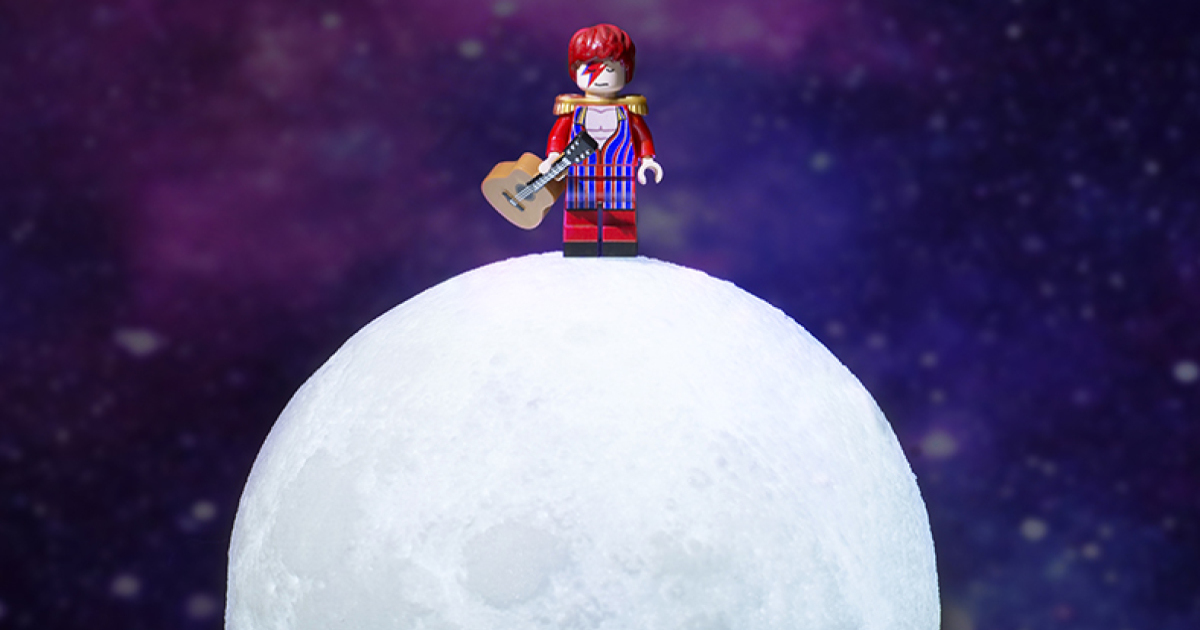

What happens when tiny plastic bricks collide with stadium-sized talent? You get a surprisingly powerful mashup of music, memory, design, and fandom. From a yellow submarine that looks ready to sail through a psychedelic dream to a brick-built guitar that practically begs for an imaginary encore, LEGO music collaborations prove that some pop-culture moments are simply too iconic to stay in two dimensions.
LEGO has long been good at turning familiar worlds into buildable adventures. Music takes that idea one step further. A great song already creates pictures in the listener’s mind. A great LEGO set gives those pictures a stage, a spotlight, and several hundred pieces that will mysteriously disappear under the couch at some point.
Why Music and LEGO Fit Together So Well
Music and LEGO may seem like unlikely bandmates at first. One is built from rhythm, melody, and emotion. The other is built from bricks, plates, tiles, and the patience of people who are absolutely sure that one tiny black piece did not vanish into another dimension.
Yet both have something important in common: they invite participation. A song becomes personal when someone connects it to a summer road trip, a first concert, a family memory, or an unforgettable dance floor disaster. LEGO works the same way. Builders do not simply look at a finished model; they assemble it piece by piece, make decisions, notice details, and create a physical object that becomes part of their own story.
That is why LEGO music sets often feel more meaningful than ordinary merchandise. A shirt can show that you like an artist. A poster can decorate a wall. But a brick-built tribute asks fans to spend time with the music, the imagery, and the cultural history behind it. It is fandom with an instruction booklet.
The Evolution of LEGO Music Collaborations
LEGO music collaborations have grown from clever novelty items into collectible displays, fan-driven projects, cinematic experiments, and detailed tributes to major artists. The strongest releases do not merely place a famous name on a box. They capture a visual symbol, a performance moment, or an entire musical universe.
The key is recognition. A successful music-themed LEGO build should be recognizable before anyone reads the label. The color palette, silhouette, costumes, instruments, setting, and tiny accessories all need to work together. A guitar should look like a guitar, but it should also look like that guitar. A stage should feel like more than a platform with microphones. It should feel like a memory that has been rebuilt in miniature.
The Beatles and the Power of a Brick-Built World
The Beatles are a perfect example of why music and LEGO belong in the same studio. Their catalog is full of vivid imagery, memorable characters, colorful eras, and artwork that has remained recognizable across generations. The LEGO Ideas Yellow Submarine set transformed one of the band’s most imaginative visual worlds into a playful display model, complete with the Fab Four and the whimsical spirit of the animated film.
This was more than a miniature vehicle. The Yellow Submarine worked because it represented a full creative universe. It carried nostalgia for longtime fans, curiosity for younger builders, and enough bright color to make even a beige bookshelf reconsider its life choices.
LEGO also explored the band through LEGO Art: The Beatles, a mosaic-style building experience that allowed fans to create a portrait of John Lennon, Paul McCartney, George Harrison, or Ringo Starr. The concept was smart because it treated music fandom as home décor rather than a toy aisle detour. A wall portrait made of thousands of small pieces says, “Yes, I enjoy music history, and yes, I may have spent my Saturday organizing tiles by shade.”
Elvis Presley: Music Icon as Mosaic Art
Elvis Presley brought a different kind of energy to the LEGO music story. The LEGO Art Elvis Presley “The King” set turned the performer into a large-scale portrait project designed for adult builders. Rather than focusing on a single stage scene, the build celebrated Elvis as a visual icon whose image changed across decades.
That distinction matters. The set was not trying to recreate a concert down to every elbow bend. It was interpreting Elvis as pop art. The result showed how LEGO can move beyond conventional play patterns and become a medium for music-inspired wall art, especially for collectors who want something more original than another framed album cover.
The Fender Stratocaster: When the Instrument Becomes the Star
Not every LEGO music tribute needs a famous face. Sometimes the true superstar is the instrument. The LEGO Ideas Fender Stratocaster set celebrated one of the most recognizable electric guitars in music history, pairing a brick-built 1970s-style Stratocaster with a Princeton Reverb amplifier.
The appeal was immediate. Even people who cannot play a single clean chord know the shape of a Stratocaster. Its curves, headstock, tuning pegs, pickups, and tremolo arm are part of music’s visual language. LEGO translated those details into a display piece that felt both playful and respectful.
It also offered a useful reminder: a music-themed LEGO model does not need to make sound to feel musical. The guitar itself carries decades of cultural meaning. It represents rehearsal rooms, garage bands, famous solos, questionable haircuts, and that one friend who owns three pedals but still plays the same four chords.
BTS “Dynamite” and the Joy of Rebuilding a Music Video
The LEGO Ideas BTS Dynamite set showed how modern pop fandom can thrive in brick form. Instead of creating a generic concert stage, the set recreated colorful locations associated with the “Dynamite” music video, including a record store, donut shop, disco setting, and performance area.
This approach was especially effective because it translated a visual pop moment into an interactive scene. Fans could place the seven minifigures around the build, arrange them on the stage, and use the display as a miniature celebration of the song’s upbeat world.
BTS also demonstrated why contemporary artists can be a natural match for LEGO. Modern fandom is highly visual, social, and detail-oriented. Fans notice outfits, symbols, colors, choreography, references, and even background props. LEGO rewards that kind of attention. Every small feature becomes an invitation to look closer, point excitedly, and explain the reference to someone who did not ask but will probably appreciate it anyway.
Pharrell Williams and the LEGO Music Biography
The relationship between LEGO and music grew even more ambitious with Piece by Piece, the animated biographical film centered on Pharrell Williams. Instead of producing a standard documentary with archival footage and interview chairs, the project used LEGO animation to tell the story of Pharrell’s creative life and musical career.
The choice made sense because Pharrell’s work has always been connected to color, experimentation, design, and unexpected combinations. LEGO gave the film a playful visual language for exploring artistic ambition, collaboration, and imagination. It also allowed familiar figures from music culture to appear in a world where everyone had the same charmingly determined posture and hands shaped like tiny plastic clamps.
More importantly, the film showed that LEGO is not limited to turning music into merchandise. It can become a storytelling device. It can help reframe a music biography, make abstract ideas more visual, and remind audiences that creativity often begins with taking familiar pieces and arranging them in a way nobody has tried before.
What Makes a LEGO Music Set Feel Authentic?
Authenticity is the difference between a meaningful music collectible and a random minifigure holding a microphone. The best LEGO music sets understand that fans are not buying plastic alone. They are buying recognition.
First, there must be a strong visual anchor. The Yellow Submarine is instantly recognizable. A Fender Stratocaster has a distinctive outline. The BTS “Dynamite” locations use bright colors and specific visual cues. Elvis portraits rely on iconic poses and styling. These details give the build a clear identity before a single logo appears.
Second, the set needs emotional context. Music is rarely just about the performer. It is about the way a song or image became part of someone’s life. A LEGO music model succeeds when it reminds fans of a favorite album era, concert memory, video, cultural moment, or childhood discovery.
Finally, the build must offer something worth doing. Adult collectors increasingly want models that are satisfying to assemble, attractive to display, and interesting enough to revisit after the final piece clicks into place. A good LEGO music collaboration should feel like a project, not just a very expensive object wearing a famous logo.
Why Music Fans Love Brick-Built Collectibles
Music collectors have always loved objects that make a connection feel tangible. Vinyl records, ticket stubs, posters, guitar picks, tour shirts, and limited-edition releases all turn listening into something physical. LEGO music sets belong in that same tradition, but they add an extra layer: the fan helps create the final object.
That hands-on experience changes the relationship. Building a LEGO set inspired by an artist is slower than streaming a song, and that is exactly the point. The builder has time to notice little design choices, recall favorite tracks, debate which shelf deserves the final display, and occasionally negotiate with a cat that has decided the instruction booklet is now a throne.
LEGO also bridges generations unusually well. A parent may recognize The Beatles or Elvis immediately. A teenager may connect more strongly with BTS or Pharrell. The bricks create a shared activity where music history does not have to feel like homework. It can be a conversation that starts with, “Who is that?” and ends with someone playing an entire playlist.
The Future of LEGO and Music Superstars
The future of LEGO music collaborations could go in many directions. More artist-focused sets are possible, but the most interesting opportunities may involve music video worlds, landmark stages, recording studios, iconic instruments, album artwork, and interactive storytelling.
Imagine a brick-built recording booth with tiny mixing equipment, a festival stage with changeable backdrops, or a classic album cover reinterpreted as LEGO Art. The best ideas would not simply shrink a celebrity into minifigure form. They would give fans a way to build the creative atmosphere around the music.
Fan-designed concepts will remain important, too. The LEGO Ideas community has shown that builders often spot cultural opportunities long before companies do. When fans combine deep knowledge of music history with clever building techniques, they can create proposals that feel personal, inventive, and surprisingly polished.
The challenge will always be balance. A music collaboration should honor the artist without becoming a lifeless marketing exercise. It should be recognizable without being repetitive, detailed without becoming impossible to build, and fun without treating the music itself like an afterthought.
Building the Soundtrack, One Brick at a Time
When LEGO meets the superstars of music, the result is not simply a toy, a collectible, or a branded product. It is a physical remix of cultural memory. A guitar becomes a sculpture. A music video becomes a miniature world. A legendary performer becomes mosaic art. A life story becomes an animated universe made from tiny pieces.
That is the real magic behind LEGO music sets. They do not replace the songs, the concerts, or the artists. They give fans another way to spend time with them. And in a world where almost everything can be streamed instantly, there is something wonderfully old-fashioned about sitting down, sorting pieces, following a sequence, and building a tribute that feels entirely your own.
Experience: Turning a LEGO Music Build Into a Mini Concert at Home
The best part of a music-inspired LEGO set often begins after the box is opened. Building becomes an experience when you treat it less like assembly and more like a private listening session with snacks, stories, and a reasonable amount of dramatic hand movement.
Start by choosing a soundtrack that fits the build. A Beatles-inspired model naturally pairs well with a playlist that moves from early pop energy into more experimental songs. A Fender Stratocaster display can become the center of a guitar-focused evening featuring blues, rock, surf music, or favorite live performances. A BTS “Dynamite” set works beautifully with bright pop tracks and a little extra room for spontaneous dancing around the coffee table.
The goal is not to recreate a concert perfectly. Nobody expects the kitchen table to suddenly have stadium acoustics. The goal is to create atmosphere. Put the phone on silent, clear a comfortable workspace, organize the bags of bricks, and let the music provide a rhythm for the building session. Some people like to work slowly, pausing after each section. Others build like they are trying to beat a world record before the pizza arrives. Both approaches are valid, although the second one may result in a tiny misplaced tile and a brief identity crisis.
Building with another person can make the experience even better. One person can sort pieces while the other handles the instructions. A parent can build alongside a child while sharing stories about an artist. Friends can split larger sections and compare progress. Even a casual group hangout becomes more memorable when there is a shared project on the table and a soundtrack connecting everyone in the room.
Once the model is finished, display it in a way that keeps the memory alive. A LEGO guitar looks great near records, books, or concert posters. A LEGO Art portrait can become a focal point in a music room, office, or creative corner. A scene-based build can sit on a shelf beside a small card explaining what it represents, especially when visitors are likely to ask, “Why is there a tiny donut shop next to a disco?”
Photography can add another layer of fun. Try taking close-up photos with simple lighting, using album covers or colored paper as backgrounds. Create a tiny concert scene with extra minifigures. Build a custom stage extension or backstage area using spare bricks. Fan creativity is part of the charm, but it helps to label unofficial creations clearly so people know when they are looking at a personal tribute rather than an official LEGO release.
These builds also make thoughtful gifts because they combine two kinds of attention: knowing what someone loves and giving them an activity they can enjoy over time. A music fan may forget a generic gift card by next week. They are less likely to forget the evening they spent building a favorite cultural icon while revisiting songs that already meant something to them.
In the end, a LEGO music experience is about slowing down. It is about turning fandom into a hands-on ritual. You listen, build, laugh at the occasional missing piece, and eventually place the finished model on a shelf where it becomes a reminder of both the artist and the moment you made it. That is a pretty good encore for a pile of bricks.