
If your cheeks keep “blushing” when you’re not flirting, not embarrassed, and not even thinking about your crush… welcome to the club no one asked to join.
Rosacea is common, stubborn, and annoyingly good at showing up in photos. The good news: most people can get it under excellent control with the right plan.
The less-fun-but-true news: for most people, rosacea isn’t something you “cure” foreverit’s something you manage so well it basically forgets you exist.
This guide breaks down the most effective, dermatologist-approved ways to calm redness, reduce bumps, prevent flares, and build a routine you can actually stick withwithout
turning your bathroom into a chemistry lab.
First, what does “clear” rosacea really mean?
People usually mean one of three things when they ask how to clear rosacea:
- Stop the flushing and background redness (the “I ran a 5K” look).
- Get rid of acne-like bumps (papules/pustules that are not classic acne).
- Smooth visible blood vessels (tiny red lines called telangiectasias).
The best way to “clear” rosacea is matching treatment to your main symptom pattern and pairing it with gentle skin care + trigger control. That combo
is what gets people to long stretches of calm skin (and fewer “What happened to your face?” questions).
Rosacea basics (so you can stop blaming your cleanser)
Rosacea is a chronic inflammatory skin condition that typically affects the central facecheeks, nose, chin, and forehead. It can come and go in flares and may gradually
become more persistent without treatment. It can also affect the eyes (ocular rosacea), causing irritation and dryness.
Common rosacea patterns
- Persistent redness and flushing (often with visible blood vessels).
- Acne-like bumps that can sting or burn.
- Thickened skin (most commonly on the nose; called rhinophyma when advanced).
- Eye symptoms like gritty, dry, watery, or irritated eyes and eyelids.
One important note: rosacea can be harder to recognize on deeper skin tones because the classic “pink/red flush” may be less obvious. In those cases, look for symptoms
like warmth, stinging, bumps, visible vessels, or texture changes instead of relying on redness alone.
Why rosacea flares (and why it’s not your fault)
Rosacea is linked to a mix of skin barrier sensitivity, immune/inflammatory overreaction, and “overly dramatic” blood vessels that dilate easily.
Triggers don’t cause rosacea out of nowherebut they can absolutely light the match once it’s there.
The usual suspects: common triggers
Many people notice flares with things like:
- Sun/heat (including hot showers, saunas, and summer sidewalk radiating lava vibes)
- Cold wind and extreme weather shifts
- Alcohol (especially red wine for some people)
- Spicy foods and very hot beverages
- Stress (because of course)
- Intense exercise (especially without cooling strategies)
- Skin-care irritants (harsh scrubs, strong acids, fragranced products, overuse of retinoids)
The easiest “data hack”: keep a flare diary
If rosacea feels random, try tracking a few basics for two to three weeks: weather, sun exposure, food/alcohol, stress, exercise, and any new skin products.
Patterns usually show up faster than you’d thinkand once you know your triggers, you can plan around them instead of living in fear of tomatoes.
The best way to clear rosacea: a step-by-step plan
Here’s the approach dermatologists commonly use: start with the foundation (gentle routine + sun protection), then add targeted treatments based on symptoms,
then maintain results so you’re not constantly restarting from zero.
Step 1: Build a “calm skin” daily routine (this matters more than people expect)
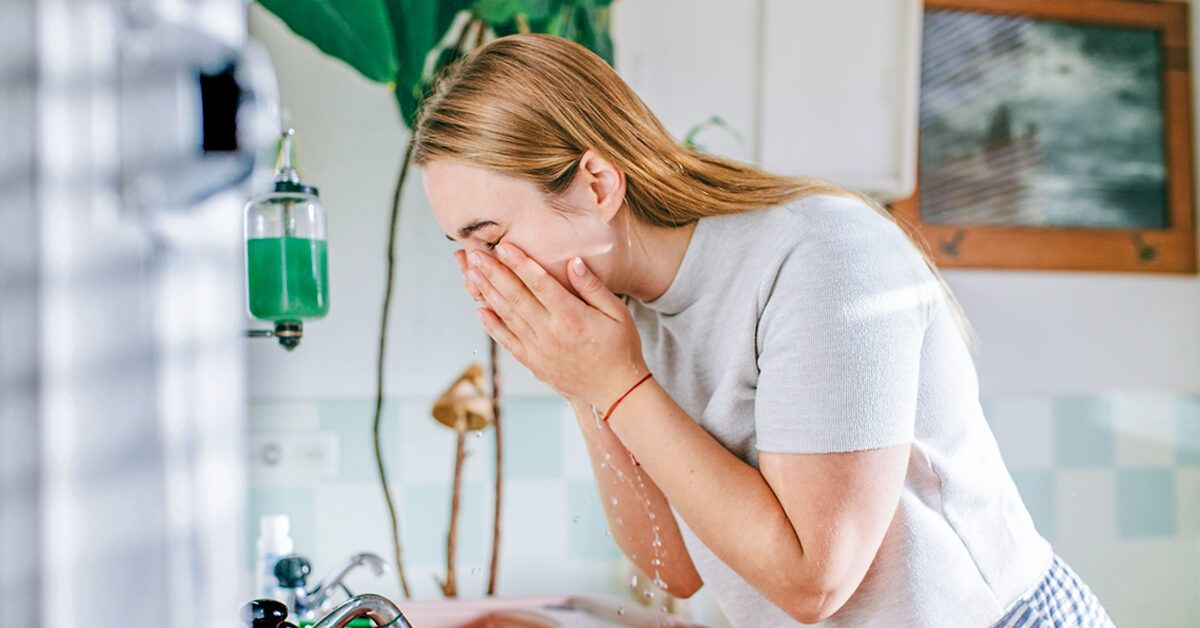
- Cleanser: gentle, non-scrubby, fragrance-free if possible. Lukewarm water only.
- Moisturizer: helps repair the skin barrier and reduce stinging. Apply while skin is slightly damp.
- Sunscreen every day: broad-spectrum SPF 30+ is a rosacea “non-negotiable.” Many people tolerate mineral formulas (zinc/titanium) well,
and tinted options can visually neutralize redness.
Think of this as building shock absorbers for your face. Treatments work better and sting less when your barrier isn’t already stressed.
Step 2: Choose treatment based on your main symptom
A) If your biggest problem is redness/flushing
Persistent redness is often the toughest symptom to fully eliminate with creams alone, but you can usually reduce it a lot.
Options commonly include:
-
Prescription redness-reducers (topical vasoconstrictors): brimonidine gel or oxymetazoline cream can temporarily narrow blood vessels and reduce
visible facial redness for hours. Some people use them daily; others use them “event-based” (photos, meetings, weddings, awkward reunions). -
Laser or light-based treatments: vascular lasers and intense pulsed light (IPL) can reduce visible vessels and persistent redness, often with a series
of sessions. Results vary, and you may need maintenance over time. - Trigger strategy: cooling tricks (fans, cold packs wrapped in cloth), shade, sun avoidance during peak hours, and paced workouts can reduce flushing frequency.
A practical tip: if flushing is a big issue, focus on heat management (your environment, shower temperature, workout timing) as much as food triggers.
For many people, temperature is the main driver.
B) If your biggest problem is bumps and pimples (papulopustular rosacea)
These bumps look like acne but behave differently. The goal is reducing inflammation and (sometimes) addressing Demodex mite overgrowth, which may contribute for some people.
- Azelaic acid (foam/gel): helps reduce bumps and can also help with redness for some people.
- Metronidazole (cream/gel/lotion): a common first-line topical that reduces inflammation and bumps.
- Ivermectin 1% cream: anti-inflammatory and also targets Demodex; often used once daily.
- Microencapsulated benzoyl peroxide: designed to be less irritating than traditional benzoyl peroxide and may help rosacea bumps in selected cases.
-
Low-dose doxycycline: an oral, anti-inflammatory dose (not primarily used as an antibiotic at this dosage) may help moderate to severe inflammatory rosacea,
especially when topicals aren’t enough.
Timing expectations help keep you sane. Many treatments take weeks to show meaningful improvement, and it can take 2–3 months to really see
the differenceespecially for bumps.
C) If visible blood vessels are the biggest issue
Those fine “spider veins” don’t always respond well to topicals. Light-based procedures (laser/IPL) tend to be the most effective option when vessels are the main concern.
This is also where choosing an experienced, board-certified dermatologist matters, because the wrong settings can irritate skin or cause pigment changes.
D) If your eyes are involved (ocular rosacea)
Eye symptoms deserve serious attention. Ocular rosacea can feel like dryness, burning, gritty sensation, watery eyes, lid irritation, or recurrent styes.
Home care often starts with:
- Warm compresses and lid hygiene (gently cleaning the eyelid margins).
- Artificial tears for dryness and irritation.
- Prescription eye treatments when needed (your dermatologist may coordinate with an ophthalmologist).
If you have eye pain, light sensitivity, vision changes, or frequent styes, don’t DIY your way through itget evaluated.
Step 3: Maintenance (where “clear skin” actually lives)
Once symptoms improve, many people switch to a maintenance planoften fewer products, less frequent use, and continued trigger awareness.
The point is to keep your skin calm enough that you’re not constantly “putting out fires.”
- Keep the gentle cleanser + moisturizer + daily sunscreen.
- Continue one main prescription topical or a simplified regimen as directed.
- Revisit triggers seasonally (summer sun and winter wind play different games).
What about diet and supplements?
There isn’t one magical “rosacea diet,” but there is an individualized trigger reality. For some people, hot drinks, alcohol, and spicy foods are major flare
drivers. For others, it’s mainly heat, stress, and sun.
Omega-3 supplements are sometimes used for eye dryness in ocular rosacea. If you’re considering supplements, it’s smart to run them by a clinicianespecially if you take
blood thinners or have a medical condition.
Makeup and grooming tips (yes, they count as treatment when they prevent flares)
- Skip harsh exfoliation. If you love the “squeaky clean” feeling, rosacea does not.
- Patch test new products on a small area for several days before going all-in.
- Use redness-neutralizing options (tinted sunscreen, green-tinted primers) if you like makeupthese can reduce the urge to over-layer irritating products.
- Avoid over-heating during shaving or hair removal (hot towels and aggressive techniques can trigger flushing).
When to see a dermatologist (or an eye doctor)
You don’t have to wait until rosacea is “severe” to get help. Consider a professional evaluation if:
- Your redness is persistent or worsening.
- You have painful or frequent bumps that don’t respond to gentle care.
- You notice thickening skin (especially on the nose).
- You have eye symptoms (dryness, burning, gritty sensation, recurrent styes, light sensitivity).
- Your skin is stinging/burning with most productsthis often means your barrier needs a reset plan.
Putting it all together: the “best way” in one sentence
The best way to clear rosacea is to combine gentle daily skin care + strict sun protection with symptom-targeted prescription therapy
(topicals and/or low-dose oral medication) and trigger managementand then maintain once you’re clear.
Real-life experiences: what managing rosacea actually feels like (and what helps)
If you’ve ever Googled rosacea at 1:00 a.m. under the glow of your phone screen (which, ironically, may be warming your face), you’re not alone.
A lot of people describe rosacea as less of a single problem and more like having a sensitive roommate living on your faceone who complains loudly about weather, stress,
and that “new gentle serum” you bought because the internet said it was gentle.
One of the most common experiences is the mislabeling phase: people assume it’s acne, try acne-style solutions (scrubs, strong actives, frequent washing),
and then wonder why things get worse. When they finally switch to a calmer routine, they’re shocked by how much their skin’s “background anger” fadeseven before prescription
treatments fully kick in. The emotional whiplash is real: you go from “I’m doing everything!” to “Wait… doing less is doing more?”
Another shared experience is learning the difference between covering and calming. Many people initially chase coveragefoundation,
concealer, powder, repeatonly to find that heavy layers can irritate sensitive skin. The game-changer is often tinted sunscreen or a lightweight base that reduces visible
redness without requiring five products and a prayer. It’s not vanity; it’s comfort. Fewer layers often means fewer flares.
Then there’s the trigger detective work. People tend to expect one obvious villain (like spicy food), but rosacea triggers can be sneaky. Some notice that stress doesn’t
cause immediate rednessit shows up the next day. Others realize it’s not coffee itself, but the combination of hot coffee plus rushing out the door plus cold wind.
A simple diary helps turn “my face hates me” into “my face hates sudden temperature changes after I sprint for the bus.” That’s solvable.
The most encouraging stories usually involve small, boring consistency. Not a dramatic overhauljust sunscreen most days, lukewarm showers, gentle cleanser,
moisturizer, and a prescription topical used the way it’s meant to be used (not “when I remember”). People often describe reaching a point where flares are rarer, shorter,
and less intense. They stop scanning mirrors for new redness and start thinking about literally anything else, which is arguably the greatest skincare outcome of all.
Finally, many people say the biggest relief was getting a plan that matched their symptoms. Redness-focused treatments helped redness. Bump-focused treatments helped bumps.
Laser/IPL helped visible vessels. Eye care helped eye symptoms. It sounds obviousbut when you’ve tried seven random products, “obvious” can feel revolutionary.
If rosacea has been messing with your confidence, remember: it’s a medical condition, not a personal failing, and it’s extremely treatable with the right approach.
Conclusion
Rosacea may be chronic, but it doesn’t have to be in charge. The best results come from a simple foundationgentle cleansing, moisturizing, and daily SPFplus treatments
targeted to your main symptoms (redness, bumps, visible vessels, or eye issues). Give treatments time, track triggers like a calm scientist, and lean on a dermatologist
when you need stronger options or procedures. “Clear” rosacea is usually less about perfection and more about controland control is absolutely achievable.