
“Prefers well-drained soil.” If you’ve ever read a plant tag and thought, Cool cool… but what does that mean in Earth terms confirmed by mud on my shoes?
you’re not alone. Gardeners see that phrase everywhere because drainage is one of the biggest “make it or break it” factors for plant healthright up there with sunlight,
watering, and remembering where you put the trowel (again).
Well-drained soil isn’t about being dry all the time. It’s about balance: water moves in, excess water moves out, and roots get the oxygen they need in between.
In this guide, we’ll break down what well-drained soil actually is, how to test it without a science degree, and the smartest ways to boost plant drainage in garden beds
and containerswithout falling for popular “fixes” that can backfire.
What “Well-Drained Soil” Actually Means (No Fluff, No Mysticism)
Soil is supposed to hold both water and air. Roots need moisture, but they also need oxygen. In well-drained soil, water soaks in
reasonably fast, extra water drains away, and tiny air pockets remain between soil particles. That oxygen-rich space helps roots function normally and lowers the risk of
rot, disease, and stress.
Think of it like a sponge that’s been wrung out: still damp enough to be useful, but not dripping all over your kitchen floor. When soil stays saturated, roots can’t
“breathe,” and plants can look thirsty even when the ground is practically a swamp. (Yes, plants are dramatic. But they’re also right.)
Why Drainage Matters More Than You Think
Poor drainage doesn’t just mean puddles. It can trigger a chain reaction:
- Root oxygen shortage: soggy soil crowds out air, stressing or killing fine roots.
- Root rot and disease: constantly wet conditions can invite decay and fungal problems.
- Nutrient “lockup” and slow growth: stressed roots absorb less, so plants stall out.
- Compaction gets worse: wet soil + foot traffic = compressed soil that drains even more slowly.
- Salt issues (in some regions): drainage and irrigation practices can affect salt buildup and movement.
On the flip side, soil that drains too fast can be a problem tooespecially in sandy beds or containersbecause water and nutrients rush past roots before plants
can use them. “Ideal” drainage is really about steady moisture plus steady oxygen.
How to Tell If You Have Well-Drained Soil
1) The quick observation test
After a solid rain, check your garden a few hours later and again the next day:
- Do you see standing water that lingers?
- Does the soil feel sticky and smear when you rub it (often a clay clue)?
- When you dig a small hole, do you notice a sour smell or slimy-looking roots?
- Are plants yellowing, stalling, or dropping leaves even though you’ve been watering “correctly”?
2) The simple drainage hole test (a.k.a. “how fast does water leave?”)
This is the most practical DIY method for gardeners:
- Dig a hole roughly 12–18 inches wide and 12–18 inches deep.
- Fill it with water and let it drain completely (this pre-wets the surrounding soil).
- Fill it again and measure how quickly the water level drops.
A commonly recommended target for many landscape and garden plants is roughly 1 to 3 inches per hour. If it drains slower than 1 inch per hour,
you’ve likely got poor drainage. If it drains faster than 4 inches per hour, your soil may be very well-drained (often sandy) and may need help holding moisture
and nutrients.
3) Texture vs. structure: the “why it drains that way” piece
Drainage depends on two big factors:
- Soil texture: the proportion of sand, silt, and clay (you can’t easily change this).
- Soil structure: how particles clump into aggregates (you can improve this).
Clay soil has tiny particles that pack tightly, so water moves slowly. Sandy soil has larger particles and bigger gaps, so water moves quickly. But structure is where the magic happens:
well-formed aggregates create channels for water movement, air exchange, and root growth. The best drainage upgrades usually focus on improving structurenot trying to
“convert” your soil into something it’s not.
Common Causes of Poor Drainage (So You Fix the Real Problem)
- Heavy clay + compaction: water infiltrates slowly, and foot traffic makes it worse.
- Working soil when it’s wet: tilling or digging wet soil crushes pore space and creates clods.
- Hardpan layers: compacted subsurface layers stop water from moving down.
- Low spots and runoff: water naturally collects where the grade funnels it (including near downspouts).
- “Bathtub” planting holes: a richly amended hole in dense native soil can trap water around roots.
How to Boost Plant Drainage in Garden Beds
Upgrade #1: Add organic matter (the MVP of drainage fixes)
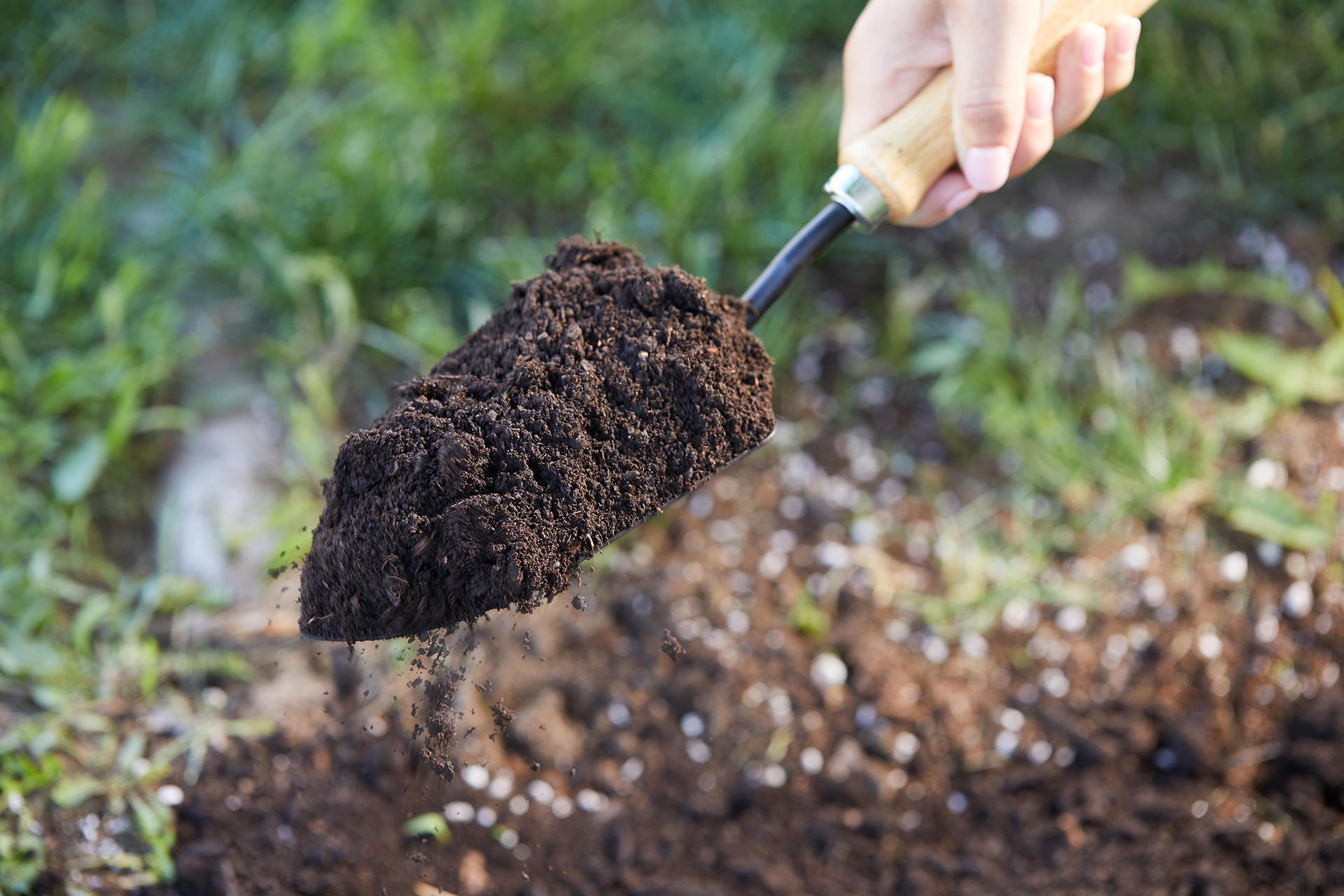
If you only remember one thing, make it this: organic matter improves soil structure. Compost, shredded leaves, aged manure, and similar materials can help clay soil
drain more easily and help sandy soil hold moisture more evenly.
A practical approach for many beds:
- Spread 2–4 inches of compost over the soil surface.
- Work it into the top 6–12 inches (or as deep as you reasonably can in planting areas).
- Repeat annually or seasonally as neededsoil improvement is a process, not a microwave dinner.
Pro tip: avoid over-tilling. Excessive rototilling can break down aggregates over time, which can reduce the pore space you’re trying to build.
Upgrade #2: Prevent compaction (future-you will be grateful)
- Stay off wet beds: if the soil sticks to your shoes, it’s not “ready.”
- Create paths: keep traffic confined so planting areas stay fluffy and breathable.
- Use mulch: it cushions soil from pounding raindrops and helps prevent crusting.
- Consider aeration methods: in some situations, core aeration plus compost topdressing can help.
Upgrade #3: Raise the root zone (raised beds and berms)
If your native soil drains slowly, the simplest workaround is to lift plant roots above the soggy zone:
- Raised beds for vegetables, herbs, and cut flowers
- Berms or mounds for shrubs and perennials
- Amend broadly rather than in a single planting hole to avoid the “bathtub effect”
Raised beds aren’t cheating. They’re just good engineering with prettier results.
Upgrade #4: Redirect and capture water (work with your yard’s physics)
Some drainage issues are less about soil and more about where the water is coming from:
- Extend or redirect downspouts so roof runoff doesn’t dump into beds.
- Use a rain garden in a low spot to capture runoff and let it soak in gradually.
- Add a surface solution like a dry creek bed to guide water away from problem areas.
Upgrade #5: Install a drainage system (French drains and drain tile)
When you’ve got persistent poolingespecially near foundations or large sections of yarda structural fix may be worth it:
-
French drain: typically a trench that includes a perforated pipe and gravel, sloped so water moves to an outlet area.
It can be paired with a rain garden where the water exits. - Drain tile system: an underground pipe-and-gravel approach that collects water and redirects it. Proper slope and a safe outlet are key.
These projects can be DIY-friendly for some homeowners, but they’re also the kind of “small weekend project” that can turn into “I live in a trench now.”
If you’re unsure about slope, outlets, or local rules, consult a landscape professional.
Drainage “Fixes” That Often Backfire
Myth #1: “Just add sand to clay soil”
This advice shows up everywhereand it’s risky. Mixing sand into clay in small amounts can create a dense, concrete-like texture. To meaningfully change clay structure with sand,
you’d need an impractically huge amount (people cite ratios around 1:1 sand to clay by volume). For most gardeners, organic matter is the realistic, effective option.
Myth #2: Gypsum as a universal “clay buster”
Gypsum can have specific uses (especially in certain soil chemistry situations), but it’s not a guaranteed drainage miracle for typical garden clay. If your plan is “sprinkle gypsum,
wait for soil enlightenment,” you may be disappointed. Improving structure with compost, reducing compaction, and raising the root zone usually deliver better results.
Myth #3: Fixing drainage by amending only the planting hole
If you dig a hole in heavy soil and fill it with rich, fluffy mix, you can create a water-holding pocket surrounded by slower-draining native soil. That can trap moisture right where roots sit.
Instead, improve a wider area (or raise the bed) so water and roots have room to move naturally.
Boosting Drainage in Containers (Without the Rock Layer Mistake)
Start with the non-negotiable: drainage holes
A container without drainage holes is basically a decorative soup bowl. Make sure pots have holes so excess water can escape. If you use a saucer, empty it after watering so plants don’t sit in water.
Skip the gravel layeruse a better mix instead
A classic tip is to put rocks or gravel at the bottom of pots “for drainage.” In reality, layering coarse material under finer potting mix can interfere with water movement between layers.
If you want better drainage, a smarter move is choosing (or building) a potting mix with a chunkier, more breathable structure throughout the whole container.
Better container drainage usually comes from:
- A quality potting mix (not garden soil)
- Extra aeration ingredients when needed (think perlite, pumice, or fine bark)
- Right-size containers (tiny pots dry out fast; oversized pots stay wet longer)
- Matching watering habits to pot type (terra cotta dries faster than plastic)
If you’re worried about soil washing out of holes, use a mesh screen or a small piece of breathable material over the holesomething that blocks soil but doesn’t block water.
Drainage-Friendly Watering: The Fix That Costs $0
Drainage and watering are best friends who sometimes enable each other in bad decisions. Even perfect soil can become a mess if it’s watered in a way that keeps it constantly saturated.
Likewise, fast-draining soil can lead to drought stress if you only give quick sprinkles.
- Avoid frequent, shallow watering: it can keep the surface wet while encouraging shallow roots.
- Water deeper, less often: aim to moisten the root zone, then allow some drying between waterings.
- Check moisture by feel: stick a finger in the soil (the original moisture meter).
- Watch for “overwater looks like underwater”: stressed roots can’t supply water, so leaves brown and drop either way.
Pick Plants That Match Your Drainage (Yes, This Counts as a Strategy)
Sometimes the smartest drainage solution is choosing plants that don’t mind the conditions you haveespecially if the wet area is large, seasonal, or expensive to re-engineer.
Examples of plants that can tolerate wetter soils in some landscapes include certain trees and shrubs like bald cypress, black gum, buttonbush, and redosier dogwood,
along with perennials such as rose mallow. Meanwhile, many natives and ornamentals tolerate clay better than their reputation suggests.
You don’t have to “win” against your yard. You can also recruit plants that already speak its language.
Quick Troubleshooting Guide
| What you see | Likely drainage issue | Best next move |
|---|---|---|
| Puddles that linger 24+ hours | Low spot, compaction, clay, or hardpan | Add compost over time, avoid traffic, consider raised beds or a drain solution |
| Yellow leaves + stalled growth | Roots stressed by soggy soil | Check drainage rate, reduce watering frequency, improve structure with organic matter |
| Soil dries out hours after watering | Very sandy or low organic matter | Blend in compost, use mulch, water deeper (not more often) |
| Container stays wet for days | Dense mix, oversized pot, poor airflow, or no holes | Add holes (if possible), repot with a better-aerated mix, adjust watering |
| Clay feels like brick when dry | Texture is clay; structure likely poor | Build structure with compost, leaves, cover crops; avoid sand “quick fixes” |
Experience-Based Notes: What Gardeners Commonly Learn the Hard Way (So You Don’t Have To)
Drainage lessons tend to arrive the way a toddler arrives with a permanent marker: fast, unexpected, and leaving evidence. Here are a few real-world patterns gardeners often report
after battling soggy beds, stubborn clay, and containers that behave like tiny swimming pools.
The “But I Watered It Every Day!” moment
One of the most common experiences is realizing that daily wateringespecially light wateringdoesn’t guarantee healthy moisture. Gardeners often notice that plants wilt in the heat,
so they water more… and the plant looks worse. What’s happening is that oxygen-starved roots can’t absorb water efficiently, so the leaves act thirsty even when the soil is soaked.
When people finally dig a little and see dark, stressed roots, the lightbulb turns on: drainage and oxygen matter as much as water. The fix is usually a reset:
water deeper but less often, let the soil breathe between waterings, and improve structure with compost so moisture holds evenly instead of pooling.
The clay walkway that quietly ruins the bed
Another classic: a garden bed looks “fine,” but one edge stays wet and plants struggle there. Gardeners often discover the culprit isn’t the bedit’s the path beside it. Repeated foot traffic
(especially after rain) compresses the soil, squeezes out pore space, and creates a compacted zone that water can’t easily cross. The bed starts acting like it has a drainage problem because it does
just not where you expected. People who solve it usually do three things: define paths, stop stepping into beds, and topdress with compost and mulch to rebuild structure over time.
It’s not glamorous, but it works.
The raised bed “aha” that feels like cheating (but isn’t)
Gardeners dealing with consistently slow-draining soil often describe raised beds as the moment gardening becomes fun again. Instead of constantly fighting the native clay,
they lift the root zone above the wet layer. The best outcomes tend to come from raised beds that are filled with a balanced soil mix (not pure compost, not pure bagged “mystery mix”),
paired with good mulching and broad improvement of the surrounding area. People also learn that raised beds aren’t a one-and-done purchasesoil settles and organic material breaks downso
topping up and refreshing with compost becomes part of the routine. The payoff is faster spring warm-up, less root stress, and fewer “why is everything yellow?” emergencies.
The container rock layer myth that won’t retire
Plenty of gardeners have tried the “rocks at the bottom” trick because it sounds logical. The common experience is: the pot still stays wet, and sometimes plants decline anyway.
When people switch to a uniformly well-aerated potting mix and focus on drainage holes (plus emptying saucers), the change is often immediate: less fungus gnat drama, fewer mushy roots,
and more consistent growth. The takeaway gardeners repeat is simple: fix container drainage with the mix and the holes, not a rock basement.
The downspout surprise flood
A sneaky drainage story shows up in yards where one bed is always soggy no matter what you do. Gardeners eventually notice that the problem area lines up with roof runoff.
A single storm can dump a shocking amount of water from a downspout into one spot, compacting soil and keeping it saturated. People who redirect that waterusing an extension, splash block,
dry creek bed, or rain gardenoften see an instant improvement that compost alone couldn’t accomplish. It’s a good reminder that drainage isn’t only “soil science.”
Sometimes it’s “where is all this water coming from, and why is it bullying my hydrangea?”
The slow win: compost patience pays off
Finally, many gardeners share the same long-term experience: compost is not a quick fix, but it’s the most reliable one. Year after year, adding organic matter improves tilth,
increases aggregation, and makes soil easier to work. Clay becomes less sticky and more crumbly. Sandy areas hold moisture longer. And the garden becomes more forgivingmeaning you can
miss a watering or get a surprise downpour without plants immediately staging a protest. If drainage problems have made gardening feel like a constant rescue mission, compost is often
the steady, boring hero that eventually gives you your weekends back.
Conclusion
Well-drained soil isn’t about making everything dryit’s about giving roots the right rhythm of water and air. Start by testing drainage, then decide whether your best upgrade is
improving structure with organic matter, preventing compaction, raising the root zone, redirecting runoff, or installing a drain system for persistent trouble spots.
In containers, the essentials are drainage holes and a breathable mixnot a layer of rocks.
If you want the most practical approach, it’s this: measure what your soil does, improve structure over time, and choose plants that fit your conditions.
Your plants don’t need perfection. They just need to stop living in wet socks.