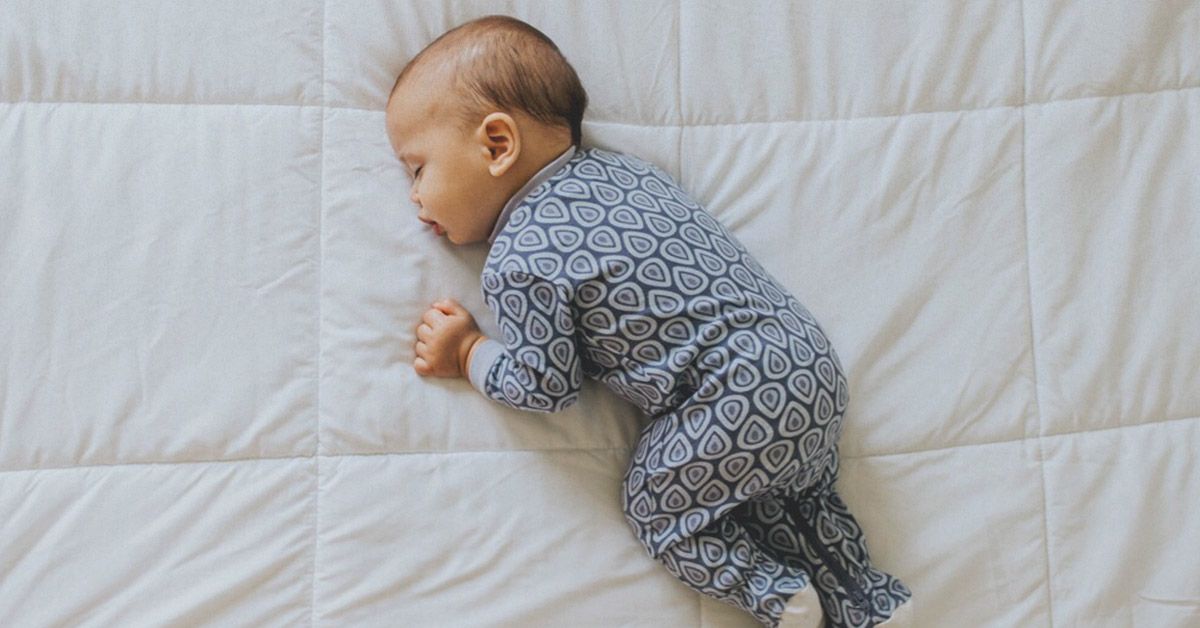

Few parenting moments trigger instant panic quite like this one: you turn away for what feels like half a second, and suddenly your baby has rolled, flopped, or launched themselves off the bed. Your heart sprints. Your brain forgets how to brain. And then comes the big question: What do I do right now?
First, take one deep breath. Then take another one that actually reaches your lungs. In many cases, a baby who falls off the bed is frightened and upset but not seriously injured. Still, some falls can cause head injuries, bruises, cuts, or even fractures. The key is not to panic and not to brush it off. You want calm, quick observation and a clear plan.
This guide walks you through what to do immediately after a fall, which warning signs mean you should call 911 or head to the emergency room, how to watch your baby at home, and what you can do to help prevent a repeat performance from your tiny stunt professional.
What to Do Immediately After Baby Falls Off the Bed
1. Pause before scooping your baby up
Your instinct may be to grab your baby instantly, and emotionally, that makes perfect sense. But first, take a quick look. If your baby seems unconscious, is having a seizure, is bleeding heavily, or looks like they may have a neck or back injury, avoid moving them unless they are in immediate danger. Call 911.
2. Check for the big red flags first
Look at how your baby is breathing, moving, and responding. Are they awake? Crying? Looking at you? Moving both arms and legs? Crying after a fall can actually be reassuring because it means your baby is responsive. It does not mean “all clear,” but it is usually better than silence, limpness, or unresponsiveness.
3. Comfort your baby and do a quick head-to-toe check
If your baby is awake and seems alert, hold and soothe them. Check for bumps, cuts, swelling, bruising, bleeding, or signs that a limb hurts when touched or moved. A dramatic scalp bump can look terrifying, but a “goose egg” on the scalp does not automatically mean a brain injury. It does mean you should pay close attention.
4. Use a cold compress for swelling
If there is a bump or bruise, place a cold compress or ice pack wrapped in a cloth on the area for about 20 minutes. Never put ice directly on your baby’s skin unless your goal is to become unpopular immediately.
5. If there is a cut, control the bleeding
Apply gentle but steady pressure with a clean cloth or gauze. If bleeding does not stop after about 10 minutes of direct pressure, your baby needs urgent medical care.
When to Call 911 or Go to the ER Right Away
Some symptoms after a bed fall suggest a possible serious head injury or another emergency. Seek emergency care right away if your baby has any of the following:
- Loss of consciousness, even briefly
- Trouble breathing or unusual breathing
- A seizure or abnormal jerking movements
- Repeated vomiting
- Extreme sleepiness, difficulty waking up, or limpness
- Not acting like themselves in a major way
- Weakness, poor movement, or trouble using one side of the body
- Clear fluid or blood coming from the nose or ears
- One pupil larger than the other
- A worsening headache or signs of severe pain
- Slurred speech, unusual confusion, or strange behavior
- A large dent in the skull or obvious skull injury
- Heavy bleeding that will not stop
- Baby will not stop crying and cannot be consoled
- Baby refuses to nurse, feed, or swallow
If your baby looks seriously injured, try to keep them still while you call for help. This is especially important if there is any concern for a neck or spine injury.
When to Call the Pediatrician Promptly
Not every fall is a 911 situation, but that does not mean you should just shrug and move on. Call your pediatrician or seek same-day medical advice if:
- Your baby is younger than 12 months and hit their head
- The fall was from a significant height or onto a hard surface
- There is a large bump, swelling, or bruise on the head
- Your baby vomits once and you are not sure what to make of it
- Your baby seems extra fussy, clingy, sleepy, or “off”
- Your baby has a cut that may need stitches
- Your baby seems to have pain when moving an arm, shoulder, leg, or neck
- Your baby will not crawl, bear weight, or move normally afterward
- You are simply worried that something is not right
That last point matters. Parents know their baby’s normal better than anyone else. If your baby seems different in a way you cannot quite explain, it is worth checking in.
How to Watch Your Baby at Home After a Minor Fall
If your baby seems alert, can be comforted, is moving normally, and does not have emergency symptoms, home observation may be appropriate. The first 24 hours matter most.
Watch for these changes
- Vomiting
- Increasing fussiness or inconsolable crying
- Sleepiness that seems unusual for your baby
- Problems nursing, drinking, or eating
- Trouble focusing their eyes
- Trouble sitting, crawling, standing, or walking, depending on age
- Confusion, staring spells, or unusual behavior
- Worsening swelling or pain
Can baby sleep after a fall?
Yes, in many cases, babies can sleep after a minor fall. Sleep itself is not the enemy. The bigger issue is whether your baby is easy to wake and responds normally when awake. Some pediatric sources say routine wake-ups are not always necessary, while others recommend checking every few hours if a clinician advises it. A sensible middle ground is this: if your baby has been evaluated or seems well after the fall, let them sleep, but keep a close eye on them and follow your pediatrician’s instructions if you call for guidance.
What about medicine?
If your baby seems sore, ask your pediatrician whether acetaminophen is appropriate for their age and weight. Avoid giving other pain medicines unless a clinician tells you to. And do not use pain medicine to “cover up” symptoms you should be monitoring.
Feeding is useful information
If your baby wants to nurse or take a bottle and does so normally, that can be reassuring. If your baby suddenly refuses feeds, gags, vomits repeatedly, or seems too sleepy to feed, call a doctor.
Common Symptoms After a Minor Bed Fall
After a mild fall, some babies may have:
- A brief crying spell from pain or surprise
- A small scalp bump or bruise
- Mild fussiness for a little while
- Temporary clinginess because, frankly, the day was not their favorite
Those symptoms can happen with a minor injury. What matters is that they improve, not worsen. If symptoms keep building instead of settling down, the situation changes and so should your plan.
How Doctors Evaluate a Baby After a Fall
If you bring your baby in, a clinician will usually ask:
- How high the fall was
- What surface your baby landed on
- Whether your baby lost consciousness
- Whether vomiting happened, and how many times
- How your baby has acted since the fall
- Whether your baby is feeding and moving normally
The exam may include checking your baby’s alertness, pupils, head swelling, limb movement, and reflexes. Not every baby needs a CT scan. In fact, many do not. Doctors usually reserve imaging for cases where symptoms, exam findings, or the details of the fall raise concern for skull fracture or bleeding. In other words, a trip to the doctor does not automatically mean a scan, and that is often a good thing.
Signs the Injury Might Be More Than a Head Bump
When a baby falls off a bed, parents tend to focus on the head, and that makes sense. But arms, collarbones, wrists, and legs can also get injured. Call your doctor if your baby:
- Cries when one arm or leg is touched
- Will not move one limb normally
- Seems to have shoulder or collarbone pain
- Will not crawl, stand, or bear weight after the fall
- Develops swelling or bruising on an arm or leg
Babies and toddlers can have fractures without a dramatic scene. Sometimes the clue is simply that they stop using a body part the way they usually do.
What Not to Do After Baby Falls Off the Bed
- Do not panic in front of your baby. Easier said than done, yes, but your calm helps you think clearly and helps soothe your child.
- Do not assume crying means everything is fine. Crying is reassuring, but it is not a medical clearance certificate.
- Do not assume no crying means everything is fine either. Silence, limpness, or a “stunned” appearance is more concerning.
- Do not shake your baby awake. If you are trying to assess alertness, use gentle stimulation and call emergency services if they are hard to wake.
- Do not ignore symptoms that appear later. Some concussion signs and head injury symptoms show up over hours, not instantly.
- Do not let guilt delay care. Babies roll before parents are ready all the time. What matters most is what you do next.
How to Prevent Another Bed Fall
Once baby has rolled off the bed once, the odds are very good they will continue exploring gravity as a hobby. Prevention matters.
Safer sleep and changing habits
- Never leave your baby unattended on an adult bed, couch, or changing table
- Keep one hand on your baby during diaper changes on raised surfaces
- Change diapers on the floor if you need both hands free
- Use a crib, bassinet, or play yard with a firm mattress for sleep
- Do not rely on pillows or blankets as “barriers” on a bed
Watch out for milestones
One of the sneakiest parenting truths is that babies love to unlock a new skill approximately five minutes before you think they can. Rolling, scooting, crawling, and pulling to stand can appear suddenly. If your baby has not rolled yet, that is not a legally binding promise.
Make toddler beds safer too
For older babies and toddlers transitioning out of a crib, keep the bed low to the ground, clear hard furniture nearby, and consider a soft rug beside the bed. A lower fall is always preferable to a dramatic midnight exit.
When to Worry Less
It is normal to worry after any baby fall. But if your baby cried right away, was easy to comfort, has no vomiting, feeds normally, acts like themselves, moves all limbs well, and does not develop concerning symptoms over the next day, that is reassuring. Many falls from beds result in minor scalp bumps or no significant injury at all.
That said, “reassuring” does not mean “ignore.” It means watch, comfort, and use common sense. If anything changes, call.
Conclusion
If your baby falls off the bed, the best response is calm, quick, and observant. Check for emergency warning signs, comfort your baby if they seem responsive, use a cold compress for bumps, and watch closely for the next 24 hours. When in doubt, call your pediatrician. A fall can be scary, but a steady plan turns panic into action. And if you are feeling guilty, give yourself some grace. Babies are fast, gravity is consistent, and good parents sometimes have very bad five-second moments.
Parent Experiences and Real-Life Lessons After a Baby Falls Off the Bed
One of the most common parent experiences after a bed fall is the instant wave of guilt. Many moms and dads describe replaying the moment over and over: “I only turned around to grab a diaper,” “I thought he was too young to roll,” or “I was right there.” That emotional spiral is incredibly common. It is also usually not helpful. What helps is a practical response: check your baby, note the symptoms, and get medical advice if anything feels wrong. Parents who handle the moment best are rarely the calmest people on Earth. They are just the ones who switch from panic mode to checklist mode quickly.
Another common experience is surprise over how dramatic a scalp bump can look. Parents often say the swelling appeared fast and looked much worse than expected. That can be true because the scalp has a rich blood supply, so even a minor bump can look like a major production. Many parents say the visual alone made them think the worst, even when the child was acting fine. The lesson here is simple: do not judge the severity of the injury by the size of the bump alone. Behavior, feeding, alertness, vomiting, and movement matter more than appearance by itself.
Many families also talk about the long night after the fall. Even when the doctor says things look okay, parents often spend the next several hours watching every nap, every blink, and every bottle like they are starring in a medical drama. That level of attention is understandable. It can also be useful if it stays focused. The most helpful parents tend to watch for specific changes instead of generic fear. Is the baby harder to wake? Feeding less? Vomiting? Acting confused or unusually limp? Focused monitoring works better than staring at your child and whispering, “Please be normal” every 20 minutes.
Some parents discover the fall reveals a new milestone. A baby who had “never rolled before” suddenly rolls off the bed like they were training for it. Others realize their baby’s reach, scoot, or twist is far more advanced than expected. In that sense, a fall can become a loud and unpleasant reminder that babies develop in jumps, not neat little calendar appointments. Families often change routines after the incident, moving diaper changes to the floor, using the crib more consistently, and giving adult beds a stricter no-parking policy.
There is also a quieter experience many parents share: relief mixed with humility. Relief that the baby is okay, and humility because parenting has a way of making even careful people feel wildly underprepared. The biggest lesson most families take away is not “I am a terrible parent.” It is “I need a safer setup and a faster response plan.” That is a much healthier takeaway. Accidents happen. Learning from them is what matters most. If your baby fell off the bed and is okay, let the experience make you more prepared, not more ashamed.