
If you’ve ever scrolled wellness TikTok or wandered the supplement aisle, you’ve probably seen big promises about the alkaline diet. According to fans, it can “rebalance your pH,” melt away fat, prevent cancer, and basically make you immortal (give or take).
So… is that true? Short answer: no. Longer answer: it’s complicated, but also kind of interesting. While the science behind the claims doesn’t hold up, many of the foods promoted on alkaline diet plans are genuinely healthy. The key is understanding what the alkaline diet actually is, what research says, and how to borrow the good parts without falling for the hype.
What Is the Alkaline Diet, Really?
The alkaline diet (also called the alkaline ash diet or acid-alkaline diet) is built on the idea that the foods you eat leave behind an “ash” after metabolism. That ash is said to be:
- Acid-forming – like meat, cheese, eggs, most grains, and many processed foods
- Alkaline-forming – like most vegetables, fruits, potatoes, and some legumes
- Neutral – like many natural fats and some starches
According to this theory, eating lots of acid-forming foods makes your body “too acidic,” which supposedly increases your risk of osteoporosis, cancer, kidney problems, and more. Eating more alkaline-forming foods is said to shift your body to a healthier, more alkaline state.
There’s just one problem: that’s not how human physiology works.
How pH in the Body Actually Works
Human blood pH is like a control freak. Your body keeps it tightly between about 7.35 and 7.45slightly alkalineand will fight hard to stay there. Tiny changes outside that range can be life-threatening, so your lungs and kidneys constantly adjust breathing, urine composition, and other processes to keep pH on track.
Can certain foods change the pH of your urine? Yes. That’s been known for over a century. Eat more meat, and urine tends to become more acidic. Eat more fruits and veggies, and it often becomes more alkaline. But urine pH is just your body taking out the trashit does not mean your blood pH has shifted in a meaningful way.
In other words: you can absolutely make your urine more alkaline with diet. You cannot “alkalize your blood” or make your whole body “less acidic” through food alone, unless you’re dangerously illand at that point, you need a hospital, not a juice cleanse.
What Does the Research Say About the Alkaline Diet?
Now for the big question: does following an alkaline diet actually improve health outcomes like bone strength, cancer risk, or chronic disease? Researchers have looked at this from several angles.
Bone Health and the Acid-Ash Hypothesis
The original scientific idea behind the alkaline diet is called the acid-ash hypothesis. It suggested that eating too many acid-forming foods forces the body to buffer excess acid by pulling minerals like calcium from bones, eventually leading to osteoporosis.
However, multiple high-quality reviews and meta-analyses have not found convincing evidence that a higher “dietary acid load” leads to bone loss or fractures. When researchers looked at calcium balance and bone outcomes, they found that:
- Higher acid-forming diets can increase calcium in the urine, but this doesn’t necessarily mean it’s coming from bone.
- When total calcium balance is measured, higher acid load does not consistently predict bone loss.
- Promoting an alkaline diet specifically to prevent osteoporosis is not supported by strong evidence.
Translation: your bones are not silently dissolving every time you eat a chicken sandwich.
Cancer and Chronic Disease Claims
You may have seen headlines or influencer claims that an alkaline diet can “starve cancer cells” or “make your body too alkaline for cancer to survive.” Major cancer organizations and dietetic groups strongly push back on this.
Here’s what the research and expert reviews say:
- Yes, cancer cells often thrive in an acidic environmentbut that acidity is created by the tumor itself, not by your lunch.
- There is currently no solid evidence that eating an alkaline diet can prevent, treat, or cure cancer.
- Blood pH is tightly controlled, even in people with cancer. What you eat cannot “fix” tumor acidity.
However, there’s a nuance: most alkaline diet plans encourage people to eat more vegetables, fruits, whole foods, and less ultra-processed foods. That style of eating does line up with cancer-prevention guidelines, but because of nutrients, fiber, and overall dietary patternnot because of pH magic.
Weight Loss, Energy, and “Detox”
Another popular claim is that the alkaline diet boosts energy, helps you lose weight, and “detoxes” your body. The evidence here is similar to other plant-forward diets:
- People may lose weight because they’re eating more whole foods, fewer high-calorie processed foods, and sometimes fewer total calories.
- More fruits and vegetables can improve digestion and energy levels for many people simply due to better nutrition, fiber, and hydration.
- Your liver and kidneys handle detoxification just fine on their ownthere’s no credible evidence that making your diet more “alkaline” improves this process.
The bottom line: if you lose weight or feel better on an alkaline diet, it’s probably because you’re eating more plants and less junknot because you “changed your pH.”
Kidney Stones and Urine pH
Where pH does matter clinically is in your urine, especially for certain types of kidney stones. Some stones are more likely in acidic urine, while others form in very alkaline urine.
Doctors sometimes use targeted diet changes and medications like potassium citrate to shift urine pH in people with recurrent stones. That’s a very specific medical strategynot a generic alkaline diet plan from social media.
So yes, food can influence urine pH and stone risk. But even in this case, the goal is individual, evidence-based nutrition therapy, not a one-size-fits-all “alkalize or die” diet.
Potential Benefits of an “Alkaline-Style” Diet
Even though the big pH promises don’t stand up, the alkaline diet food list itself isn’t all bad. In fact, if you strip out the pseudoscience, it looks a lot like other well-studied healthy eating patterns such as the Mediterranean or DASH diets.
Most alkaline plans encourage you to:
- Eat lots of vegetables and fruits
- Include beans and lentils
- Choose whole, minimally processed foods
- Cut back on processed meats, refined grains, sugary drinks, and fast food
- Drink more water and fewer sodas
Those habits are solid. Research consistently links plant-forward, high-fiber, minimally processed diets with benefits like lower blood pressure, better blood sugar control, and reduced risk of heart disease.
So you can absolutely enjoy the food pattern of an alkaline-style diet while staying fully grounded in science.
The Alkaline Food List: What to Eat More, Less, and In Between
Different alkaline diet books and websites use slightly different charts, but most group foods into three big buckets. Remember: these categories describe the ash effect or estimated “acid load” of the food, not its actual taste or initial pH.
Common “Alkaline-Forming” Foods (Emphasize These)
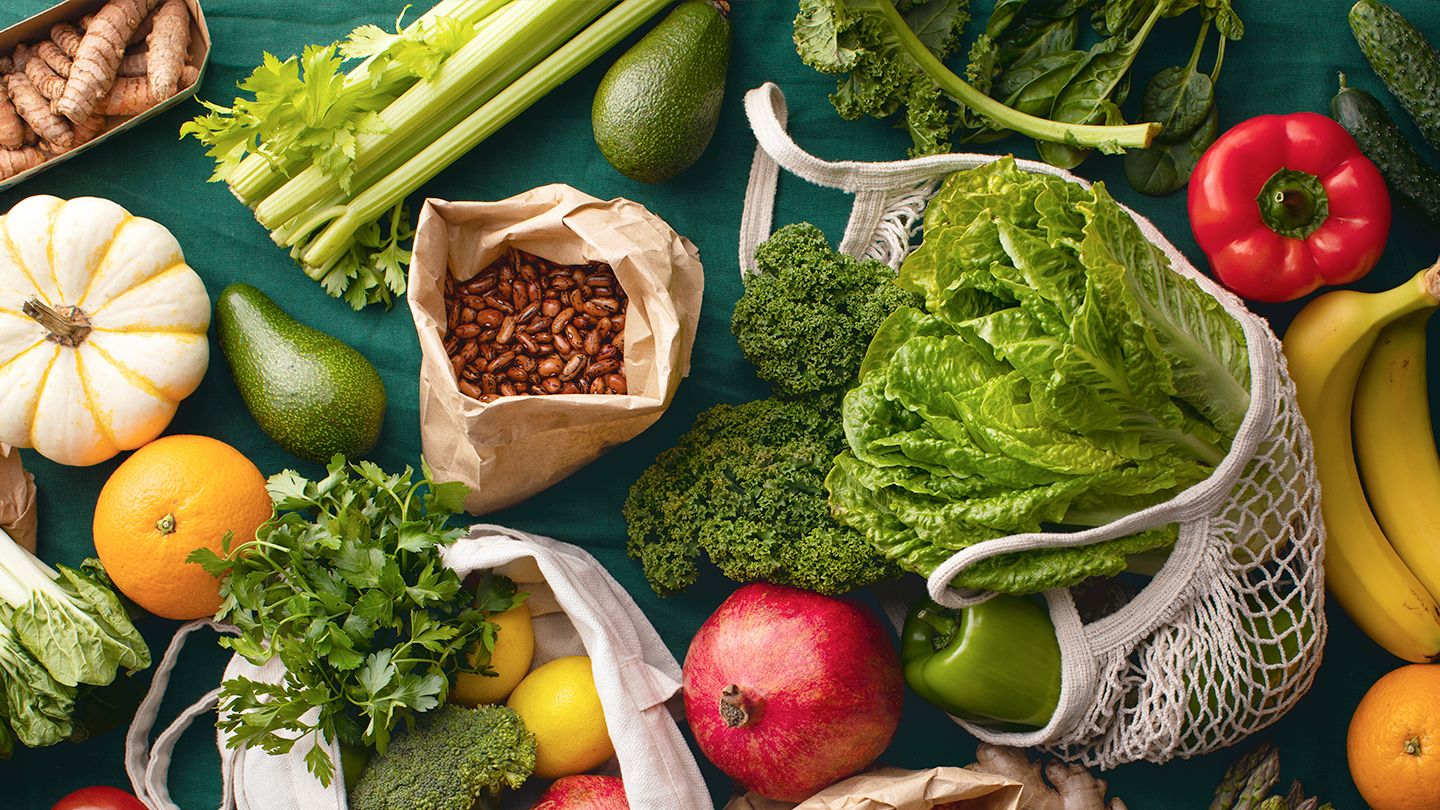
- Vegetables: leafy greens (spinach, kale, romaine), broccoli, cauliflower, cucumbers, zucchini, bell peppers, asparagus, carrots, beets, sweet potatoes.
- Fruits: apples, bananas, berries, melons, grapes, mangoes, pears, citrus fruits (yes, lemons and oranges are usually considered alkaline-forming in this system).
- Legumes: lentils, chickpeas, black beans, kidney beans (some charts call these “moderate” but they fit well in a healthy pattern).
- Herbs and spices: parsley, cilantro, basil, turmeric, ginger, garlic.
- Plant fats: avocado, olives, extra-virgin olive oil in moderate amounts.
If you focus on any part of the alkaline diet, let it be this one: filling half your plate with vegetables and adding fruit daily is a win for almost everyone.
Neutral or “Middle-Ground” Foods (Enjoy in Balance)
- Whole grains: oats, brown rice, quinoa, barley, whole-wheat pasta and bread
- Nuts and seeds: almonds, walnuts, chia seeds, flaxseeds, pumpkin seeds (healthy, but calorie-dense)
- Fermented foods: unsweetened yogurt, kefir, kimchi, sauerkraut
- Eggs and fish: often labeled “acid-forming,” but nutrient-dense and valuable for many people
Some strict alkaline charts move most grains, nuts, and animal proteins into the “avoid” zone. A more evidence-based approach is to keep them in your diet in reasonable amountsespecially if they’re nutrient-rich.
Strongly “Acid-Forming” Foods (Limit, Don’t Panic Over)
In the alkaline diet world, these foods are the villains:
- Processed meats (hot dogs, bacon, sausage, deli meats)
- Large amounts of red meat
- Cheese and high-fat dairy in big portions
- Refined grains (white bread, pastries, many boxed cereals)
- Sugary drinks and especially dark colas with phosphoric acid
- Ultra-processed snacks (chips, cookies, candy, frozen junk food)
The good news? You don’t need a pH theory to know these foods are best kept as “sometimes” rather than “all the time.” Decades of research already connect high intakes of processed meats, added sugar, and ultra-processed foods with higher risks of chronic disease.
How to Try an Alkaline-Style Approach Safely
If you like the concept of an alkaline food list but want to stay science-based, try these practical, low-drama tweaks:
1. Think “More Plants,” Not “Perfect pH”
Instead of obsessing over charts and urine test strips, focus on adding more vegetables and fruits to what you already eat. Examples:
- Add a side salad and a serving of roasted vegetables to dinner.
- Swap one sugary snack a day for a fruit-and-nuts combo.
- Keep cut-up veggies and hummus in the fridge for easy snacking.
2. Keep Protein, Don’t Cut It Completely
Very strict alkaline diet plans sometimes tell people to nearly eliminate animal protein, which can make it hard to get enough protein, vitamin B12, iron, and other nutrients. A more balanced plan:
- Includes fish, poultry, eggs, and dairy in moderate amounts (if you enjoy them).
- Builds in plant proteins like beans, lentils, tofu, and tempeh.
- Aims for a source of protein at most meals to support muscles and satiety.
3. Skip the Expensive “Alkaline” Products
You don’t need special alkaline powders, pricey water ionizers, or pH drops for your water. There’s no convincing evidence that these products improve health for otherwise healthy people.
A simple, budget-friendly approach:
- Drink regular clean water throughout the day.
- Load up on produce from the grocery store or farmers’ market.
- Invest your money in quality food, not miracle gadgets.
4. Talk With Your Healthcare Provider First
If you have kidney disease, diabetes, a history of kidney stones, or other chronic conditions, always check with your healthcare team before making big diet changes. They can help you:
- Adjust your plan so it fits your lab results, medications, and overall health.
- Catch potential issues, like too much potassium from certain fruits and vegetables if your kidneys are impaired.
- Use evidence-based strategies rather than chasing internet trends.
Who Might (and Might Not) Benefit From Alkaline-Style Eating?
Again, we’re talking about an alkaline-style patternmore plants and fewer ultra-processed foodsnot a rigid, pH-obsessed plan.
People Who May Benefit
- Anyone currently eating very few vegetables and fruits
- People with high blood pressure, prediabetes, or high cholesterol looking for a cleaner overall pattern
- Folks trying to cut back on heavily processed foods and sugary drinks
For these groups, shifting toward a plant-forward plate can support weight management, better energy, and improved long-term healtheven if pH never enters the chat.
People Who Should Be Cautious
- People with kidney disease or on certain medications that affect electrolytes
- Anyone at risk for disordered eating who may get overly rigid or anxious about “good” vs. “bad” foods
- Those tempted to replace medical treatment (for cancer, osteoporosis, etc.) with an alkaline diet alone
If a diet is making you fear normal, nutritious foodsor telling you to stop evidence-based medical treatmentthat’s a red flag.
Real-Life Experiences With the Alkaline Diet: What People Notice
Beyond research papers and position statements, there’s the real-world side of the alkaline diet: what actually happens when people try it. While everyone’s experience is different, some patterns show up again and again in stories shared with dietitians and healthcare providers.
Phase 1: The Honeymoon Glow
Many people start an alkaline diet after feeling burned out by takeout, late-night snacking, and energy slumps. For the first few weeks, they often report:
- Better digestion (thanks to more fiber and water)
- More stable energy (due to fewer sugar crashes)
- Some weight loss (usually from cutting processed foods and extra calories)
It’s easy to credit “alkaline pH” for these changes. But if you look closely, most people have simply upgraded their overall eating patternfewer sodas, more veggies, more home-cooked meals. The benefits are real, but the mechanism is much more about nutrition than chemistry.
Phase 2: The Social and Practical Challenges
After the excitement wears off, the rules can start to feel heavy. It can be tricky to:
- Eat out at restaurants without feeling stressed or guilty
- Attend social events where “acid-forming” foods like cheese, meat, or desserts are central
- Cook separate meals if family members don’t want to follow the same plan
Some people end up swinging between very strict weeks and “I give up” weekends, which can feel emotionally exhausting. Others quietly relax the rules and keep the parts that fit their lifelike a big salad at lunch and more water instead of soda.
Phase 3: Finding a Sustainable Middle Ground
Many long-term success stories have one thing in common: flexibility. Instead of trying to stay perfectly “alkaline,” people often settle into a pattern like:
- Veggies and/or fruit at most meals
- Whole grains, beans, and nuts in regular rotation
- Some animal protein, but in smaller portions and less often
- Sweets, cheese, or favorite comfort foods enjoyed occasionally, without shame
This middle-ground approach feels less like a “diet” and more like a normal, sustainable way of eating. People report feeling better physically while also being able to enjoy birthdays, holidays, and Friday nights without bringing a pH chart to the table.
What Healthcare Providers Often See
Dietitians and physicians tend to see two very different alkaline diet stories:
- The helpful version: Someone uses the alkaline idea as a nudge to eat more plants and less junk food, while still staying flexible and keeping up with medical care.
- The harmful version: Someone becomes fearful of “acid foods,” spends heavily on supplements or special water, and delays or rejects mainstream treatment for serious conditions.
The first scenario can be a great step toward healthier habits. The second can be dangerous. If you find yourself anxious about every bite, it’s a good time to talk with a registered dietitian or your healthcare provider and reset your approach.
The Takeaway Experience
For many people, the alkaline diet is a gatewaynot to perfect pH, but to paying more attention to what’s on their plate. If you treat it as a strict belief system where acid foods are “bad” and alkaline foods are “pure,” it can become stressful and limiting. But if you treat it as a gentle reminder to eat more plants, drink more water, and cut back on ultra-processed foods, it can be a surprisingly helpful starting point.
You don’t need to chase the perfect urine pH to feel better. You just need a plate that’s a little more colorful, a little more fiber-rich, and a lot more realistic for your real life.
Conclusion: Alkaline Diet Myths, Real-World Wins
The alkaline diet is a mix of solid nutrition advice and overhyped claims. Science is clear that you can’t “alkalize your blood” or cure cancer with food choices alone. The body’s pH is tightly regulated, and diet won’t budge it in a meaningful way.
But the diet’s core suggestionto eat more vegetables, fruits, and minimally processed foods, and to cut back on heavy, highly processed, sugary choicesfits beautifully with what we know about long-term health. If you focus on those practical habits instead of chasing pH perfection, you can enjoy most of the benefits without the stress, fear, or expensive gimmicks.
Think less about being “acid” or “alkaline,” and more about being well-fed, well-fueled, and well-informed. That’s the kind of balance your body can really get behind.