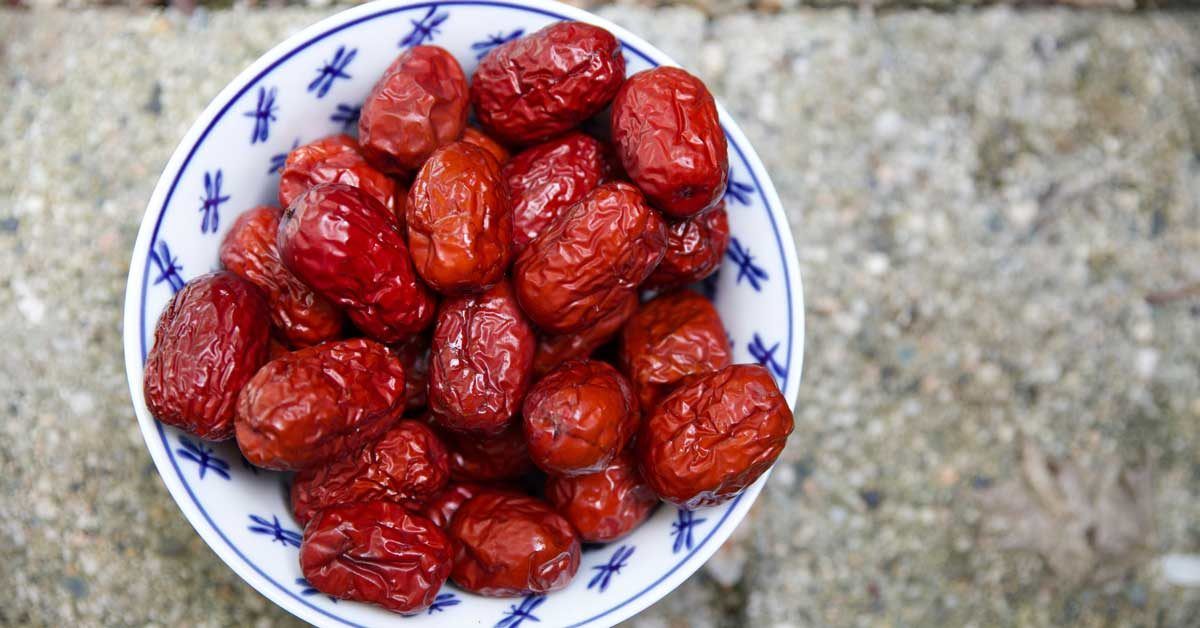

If you’ve ever walked past a bin of small, wrinkly red “dates” in an Asian grocery store and thought,
“Are those tiny apples having an identity crisis?”congratulations, you’ve met jujube fruit. Known as
Ziziphus jujuba, Chinese red dates, or just jujubes, this ancient fruit has gone from traditional
medicine staple to modern “superfruit” status. And unlike some trendy health foods, jujube is actually
tasty, versatile, and relatively easy to fit into a normal human diet (yes, even one that includes pizza).
In this guide, we’ll unpack exactly what jujube fruit is, what its nutrition looks like, where the
science stands on its health benefits, how to use it in everyday cooking, and what to watch out for if
you’re adding it to your wellness routine.
What Exactly Is Jujube Fruit?
Jujube fruit comes from a small deciduous tree in the buckthorn family, native to China but now grown
across Asia, the Middle East, and parts of Europe and the United States. Fresh jujubes are about the
size of a large olive or small plum. They start out green and crispalmost like a tart appleand then
turn reddish-brown as they ripen and dry, eventually looking very much like small dates (hence the name
“Chinese dates”).
For more than 4,000 years, jujube has been used in Traditional Chinese Medicine and other traditional
systems as both a food and a medicinal ingredient. Historically, it’s been added to herbal formulas to
support digestion, calm the mind, improve sleep, and nourish the blood. Modern research is now catching
up, analyzing its bioactive compounds and testing those traditional claims in the lab.
Nutrition Profile of Jujube Fruit
One of the reasons jujube is gaining popularity is that it offers a solid mix of fiber, vitamins, and
antioxidants in a relatively low-calorie packageat least when you eat it fresh.
Fresh Jujube: Light, Crisp, and Low-Calorie
Exact nutrition can vary by variety and size, but a typical 100-gram serving of fresh jujube fruit (about
a generous handful) provides roughly:
- Fewer than 80 calories
- Mostly carbohydrates, with a small amount of protein and almost no fat
- About 3 grams of fiber
- A meaningful dose of vitamin C (often 20–30 mg, depending on the variety)
- Minerals like potassium, calcium, and phosphorus
In other words, fresh jujube behaves like a light fruit snackthink closer to an apple than to a dense,
sugary dried date. The fiber helps slow down digestion, and vitamin C brings immune and antioxidant
support.
Dried Jujube: Sweet, Chewy, and More Calorie-Dense
Once jujube fruit is dried, the story changes. Water content drops, sugars become concentrated, and the
calories go up in the same way they do for raisins or dates. Dried jujubes are still rich in antioxidants
and phytonutrients, but now you’re eating something in the dessert/snack category rather than a super-light fruit.
Some commercial dried jujube products may also contain added sugar or be candied, which boosts calories
and sweetness even more. That doesn’t make them “bad”just something to enjoy in smaller portions,
especially if you’re watching your blood sugar or overall calorie intake.
Key Vitamins, Minerals, and Plant Compounds
Beyond basic macros, jujube is interesting because it’s loaded with bioactive compounds:
- Vitamin C: Supports immune function and acts as a potent antioxidant.
- Potassium: Helps regulate fluid balance and supports normal blood pressure.
- Polyphenols and flavonoids: Plant compounds linked to anti-inflammatory and
antioxidant effects. - Polysaccharides: Complex carbohydrates that may support immune and gut health in
specific ways, according to early research. - Triterpenic acids and other phytochemicals: Studied for possible anti-cancer,
anti-inflammatory, and neuroprotective properties in lab and animal models.
The short version: jujube packs more than just sugar and fiber. It’s a small fruit with a surprisingly
complex plant-chemistry resume.
Potential Health Benefits of Jujube Fruit
Before we dive in, an important disclaimer: most of the “wow” results you see online come from cell and
animal studies, or from traditional use. Human research is growing but still limited. Jujube can be a
healthy part of your diet, but it’s not a magic cure-all, and it definitely doesn’t replace your
prescribed medications or regular medical care.
1. May Support Better Sleep and a Calmer Mood
Jujube has a long history as a natural “chill-out” fruit. Traditional formulas often combine jujube with
other herbs to calm the mind and support restful sleep. Modern studies suggest that certain compounds in
jujubeespecially in the seeds and pulpmay have sedative and anxiolytic (anti-anxiety) effects in animal
models, possibly by interacting with GABA receptors in the brain.
For humans, the evidence is still emerging. Small studies and long-standing traditional use suggest that
jujube tea or jujube-containing herbal blends may help people fall asleep more easily or feel less tense.
If you’re curious, trying a warm jujube tea after dinner is a low-risk experimentas long as you clear it
with your healthcare provider if you take sedative medications or have a complex medical history.
2. May Help Digestive Health
Between the fiber and specific polysaccharides in jujube, this fruit appears to have a gut-friendly side.
Research suggests that jujube extracts may support the gut lining and help maintain a healthy balance of
gut bacteria in animal models. Fiber, of course, also helps keep things moving and may support more
regular bowel habits.
Practically speaking, swapping a sugary, low-fiber dessert for a portion of dried jujube or adding fresh
jujube slices to your yogurt is a simple way to give your digestion a friendlier environment to work in.
3. Antioxidant and Anti-Inflammatory Support
Jujube fruit contains a wide range of antioxidantsvitamin C, flavonoids, phenolic acids, and more. These
compounds help neutralize free radicals, which are unstable molecules that can damage cells and contribute
to chronic inflammation over time.
In lab studies, jujube extracts have shown anti-inflammatory effects and have been investigated for their
potential to protect the liver, support the cardiovascular system, and reduce oxidative stress. That
doesn’t mean eating a handful of jujubes will single-handedly erase inflammation, but as part of a diet
rich in colorful plant foods, they can contribute to an overall anti-inflammatory pattern.
4. Possible Heart and Metabolic Health Benefits
Research on jujube and metabolic health is still early, but results so far are promising. Animal and cell
studies suggest that jujube’s phytochemicals may help improve blood lipids (like LDL cholesterol and
triglycerides), support healthy blood sugar responses, and protect blood vessels from oxidative damage.
Human studies are limited, and usually use concentrated extracts rather than whole fruit. Still, replacing
refined sweets with a small portion of dried jujube and including more fiber- and antioxidant-rich fruits
in general is a heart-friendly move for most people.
5. Traditional Uses: Immunity, Skin, and “Blood Nourishment”
Traditional Chinese Medicine has long considered jujube a “blood-nourishing” and immune-supportive fruit.
Modern analyses back up at least part of that reputation: jujube contains compounds that interact with
immune cells in lab settings, and its antioxidants may help support skin health by protecting against
oxidative stress.
Again, it’s important to separate legend from lab data. Jujube is nutrient-dense and may gently support
several systems in the body, but it’s not a substitute for vaccines, medical treatment, or sunscreen. Think
of it as an extra player on your health team, not the entire team.
How to Use Jujube Fruit in Everyday Life
One of the best things about jujube is how adaptable it is. Whether you enjoy it fresh, dried, brewed as
tea, or cooked into soups and desserts, there’s probably at least one way you’ll actually look forward to
eating it.
Fresh Jujubes: Snack Like It’s Apple Mini-Edition
- Wash and eat: When jujubes are still green to yellow-green and firm, you can bite
into them like mini apples. The taste is crisp, mildly sweet, and slightly tart. - Slice into salads: Thin slices add crunch and gentle sweetness to green salads or
grain bowls. - Pair with nuts: Combine fresh jujube slices with almonds or walnuts for a satisfying
fiber + healthy-fat snack.
Dried Jujubes: Comfort Food, But Make It Functional
Dried jujubes are more widely available and are what you’ll usually see labeled as “Chinese red dates.”
Use them the way you’d use other dried fruits:
- Add to trail mix or granola.
- Simmer in soups, stews, and bone broths for a gentle sweetness.
- Stuff into whole grains (like rice or quinoa) for a sweet-savory side dish.
- Steep in hot water to make jujube tea, alone or with ginger and goji berries.
If the dried fruits are very firm, soak them in warm water for 10–15 minutes before cooking or eating.
Teas, Tonics, and Desserts
In East Asian cuisines, jujube is a go-to ingredient for:
- Herbal teas: Often combined with ginger, longan, or licorice root as a warming drink.
- Congee and porridges: Added to rice or millet porridge for breakfast.
- Sweet soups and desserts: Paired with lotus seeds, barley, or tapioca pearls.
If you love baking, you can also chop dried jujubes and fold them into muffins, quick breads, or oatmeal
cookies as a fun alternative to raisins or cranberries.
Side Effects, Risks, and Who Should Be Careful
Jujube is generally considered safe as a food for most healthy adults. That said, there are a few things to
keep in mind.
Watch the Sugar in Dried Jujubes
Dried jujubes, like all dried fruits, are concentrated sources of natural sugar and calories. If you have
diabetes, prediabetes, or are closely managing your carbohydrate intake, treat dried jujube like you would
dates or raisins: enjoy in small portions, and pair them with protein or fat (like nuts) to slow the
impact on blood sugar.
Possible Drug Interactions
Some sources suggest that jujube may interact with certain anti-seizure medications, and that people on
these drugs should avoid concentrated jujube supplements or large amounts of the fruit. Evidence so far is
limited, but if you take seizure medications or other critical drugs, it’s smart to check with your
healthcare provider before making jujube a daily habit.
Allergies and Sensitivities
Allergic reactions to jujube appear to be rare but are possible with any plant food. If you notice itching,
swelling, hives, trouble breathing, or digestive distress after eating jujube, stop eating it and seek
medical attention.
Whole Fruit vs. Supplements
Many studies use concentrated jujube extracts, not the whole fruit you snack on. Supplements can deliver
much higher doses of active compounds, which may also carry higher risks and side effects. When in doubt,
start with small amounts of whole fruit as part of meals, and speak with your doctor before trying
high-dose jujube capsules, powders, or tincturesespecially if you’re pregnant, breastfeeding, or living
with chronic health conditions.
How Much Jujube Is a Reasonable Serving?
There’s no official “daily requirement” for jujube, but reasonable, food-based servings might look like:
- Fresh: About 4–6 fresh fruits (roughly 50–100 grams) as a snack.
- Dried: Around 3–5 dried jujubes added to tea, soup, or trail mix.
Remember that dried jujube is more calorie- and sugar-dense than the fresh fruit, so adjust your portion
accordingly, especially if you also eat other dried fruits the same day.
Experiences: What It’s Like to Actually Use Jujube Every Day
Reading about jujube fruit is one thing. Living with a jar of dried jujubes in your kitchen is another
story entirely. Once you bring them home, you start to notice how often they quietly sneak into your
routine.
Imagine this: it’s one of those evenings when your brain is still scrolling through emails long after
you’ve shut the laptop. Instead of reaching for leftover dessert, you put a few dried jujubes and a
slice of ginger into a mug, pour hot water over them, and let them steep. The kitchen smells faintly of
caramel and spice. Ten minutes later, you’re sipping a mild, naturally sweet tea and absentmindedly
nibbling the softened fruit. It’s not a sedative powerful enough to knock you out, but the warmth, the
ritual, and the gentle sweetness send your nervous system the message: “We’re done for today.”
During the day, jujube can play a very different role. If you keep a container of mixed nuts, dark
chocolate chips, and chopped dried jujube on your desk, it becomes an easy snack upgrade from the usual
vending-machine situation. The jujube pieces bring chewiness and a date-like flavor without being quite as
sugary as some candy-style mixes. A few bites are usually enough to push you past the afternoon slump
without leaving you feeling overly full or wired.
People who enjoy experimenting in the kitchen often discover that jujube is a natural fit for “fusion”
recipes. You might throw a handful of dried jujubes into a pot of chicken soup one day and find that you
love the gentle sweetness. The next weekend, you’re slicing fresh jujubes into a fall salad with arugula,
goat cheese, and toasted walnuts. Suddenly this fruit that used to feel “exotic” is just… part of your
pantry, like lemons or garlic.
One of the most interesting parts of using jujube regularly is how it changes your relationship with
sweetness. Candy and soda are one kind of sweetloud, intense, and over quickly. Jujube’s sweetness is
different: slow, layered, and tied to texture and ritual. A small handful of dried jujubes in homemade
granola, for instance, gives you little bursts of flavor you can actually savor. When sweetness shows up
in that quieter way, it becomes easier to enjoy it in moderation.
Of course, there are practical lessons, too. You learn very quickly that jujubes expand a bit when cooked,
so adding “just a few more” to soup can suddenly turn a savory broth into dessert. You figure out which
brands are unsweetened and which are candied. You discover that some people in your household love them
and others politely fish them out of their bowl and line them up on the side like tiny rejected planets.
That’s finemore for you.
Over time, jujube stops feeling like a supplement or a “superfood project” and starts taking on the role
it has had for centuries in traditional cuisines: an everyday fruit with a comforting presence. It’s there
when you want a warm, soothing drink at night, when you need a small sweet bite that doesn’t come in a
plastic wrapper, or when you want to add a bit of character to a basic dish. It doesn’t demand that you
change your whole life. It just quietly upgrades little moments in your day.
Bottom Line
Jujube fruit may be new to your grocery list, but it’s anything but new to the world. This small, sweet,
apple-turned-date-like fruit offers fiber, vitamin C, minerals, and a cocktail of antioxidants and
phytonutrients, especially when you enjoy it as part of a balanced, plant-forward diet. Early research
suggests it may gently support sleep, digestion, and heart health, while long-standing traditional use
highlights its calming and “nourishing” qualities.
Is jujube a miracle cure? No. Is it a tasty, versatile way to add more plant power and a bit of ritual to
your everyday life? Absolutely. Start with a few fresh or dried fruits, experiment in tea, soups, or
snacks, and see how this ancient fruit fits into your very modern routine.